Brass CNC Machining: Processes and Applications

Brass CNC Machining: Processes and Applications

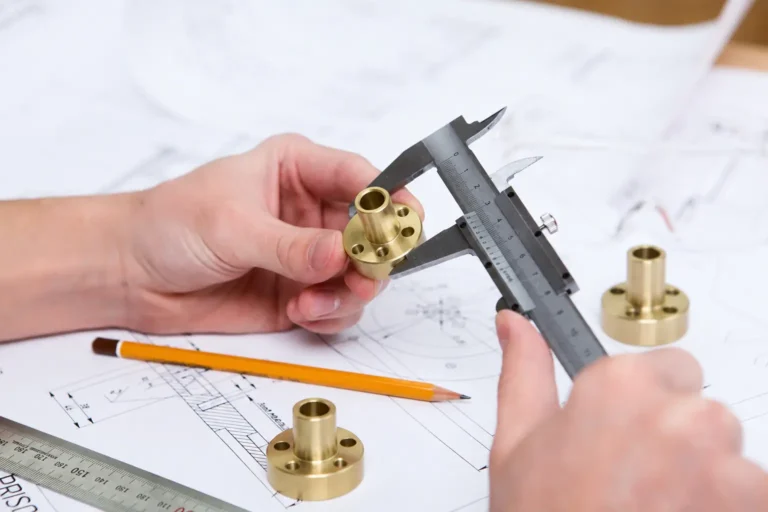
Copper alloys used for CNC production are often selected for their fast cutting speeds, efficient chip control, and consistent machining quality. Among them, brass remains a common choice for fittings, electrical hardware, valves, and decorative industrial components.   What Is Brass   Brass is a copper-zinc alloy used for industrial hardware, fluid system components, electrical…

Rollyu Precision CNC Machining Cast Aluminum Parts

Rollyu Precision CNC Machining Cast Aluminum Parts

Cast aluminum is aluminum shaped by melting the metal and pouring it into a mold. According to the European Aluminium Association, castings now make up over half the aluminum content in modern vehicles. Low weight, corrosion resistance, and the ability to form complex shapes also make cast aluminum widely used in medical, industrial, and electronics…

Phosphor Bronze Machining Properties Applications and CNC Guide

Phosphor Bronze Machining Properties Applications and CNC Guide

Known for its excellent fatigue resistance, wear resistance, and conductivity, phosphor bronze is ideal for applications requiring long-term reliability and stable performance. However, phosphor bronze machining can still present CNC challenges such as burr formation, heat buildup, and tool wear during cutting operations.   What Is Phosphor Bronze   Phosphor bronze is a high-performance copper…

Aluminum Bronze Machining Properties Applications and CNC Challenges

Aluminum Bronze Machining Properties Applications and CNC Challenges

Aluminum bronze is a high-strength copper alloy renowned for its outstanding wear and corrosion resistance, making it essential for harsh marine and industrial environments. However, the exact tough nature that makes it so valuable also requires highly specialized manufacturing skills. At Rollyu Precision Hardware, we have extensive experience mastering this material. In this guide, we will…

Swiss Machining Cost: How Tight Tolerances Affect Your Quote

Swiss Machining Cost: How Tight Tolerances Affect Your Quote

Tightening a tolerance from ±0.005 to ±0.001 inches often doubles your unit price. Industry data from Manufacturing Engineering confirms this cost spike. Every extra decimal point forces slower feed rates and frequent tool swaps, eating into production time and multiplying scrap. Your Swiss machining quote scales directly with feature difficulty. To stop paying for unnecessary…

Invar Machining Guide Invar 36, Manufacturing Processes

Invar Machining Guide Invar 36, Manufacturing Processes

In precision manufacturing, even minor temperature shifts can quietly ruin tight tolerances. While standard metals naturally expand and contract, Invar 36 stays locked in. Thanks to its incredibly low coefficient of thermal expansion (CTE), it is the baseline material when micron-level dimensional stability is mandatory. You’ll find Invar inside satellite optics, aerospace tooling, and advanced…

Exploring the Benefits of Precision Machining Services
|

Exploring the Benefits of Precision Machining Services

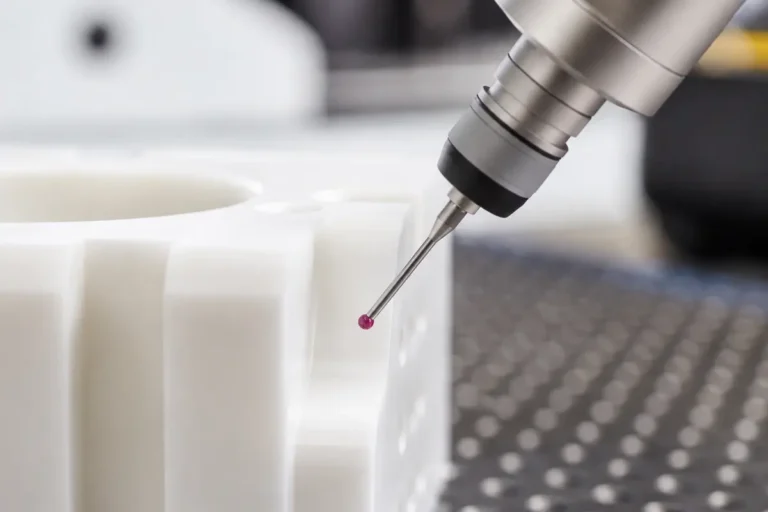
One enduring criterion characterizes modern manufacturing: its accuracy. Industries rely on precision custom components that function flawlessly under extreme conditions, whether they are micro machined parts, micro-connectors, medical precision components, life-saving medical implants, aerospace precision components , or jet engine components. There, the foundation of innovative production is Precision Machining Services.

End of content

End of content