Sheet Metal Hemming: Types and Design Considerations
Choose a hem profile for sheet metal panels and enclosures, with guidance on return length, gaps, tooling clearance, and visible-edge finish.

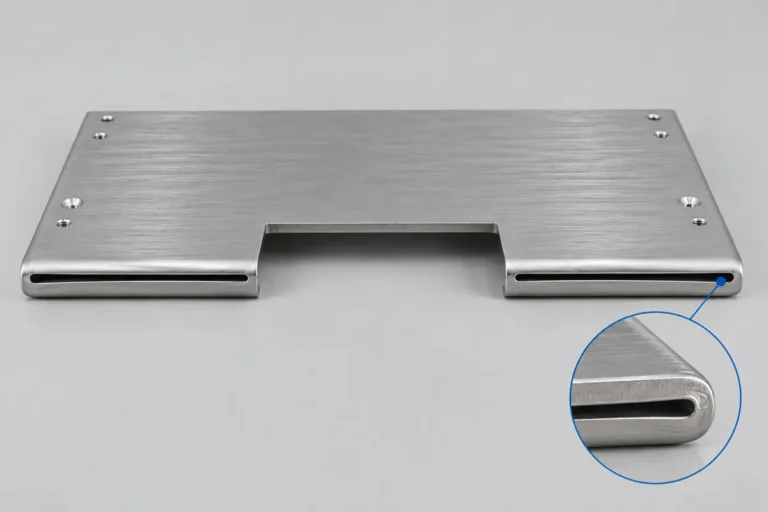
Choose a hem profile for sheet metal panels and enclosures, with guidance on return length, gaps, tooling clearance, and visible-edge finish.
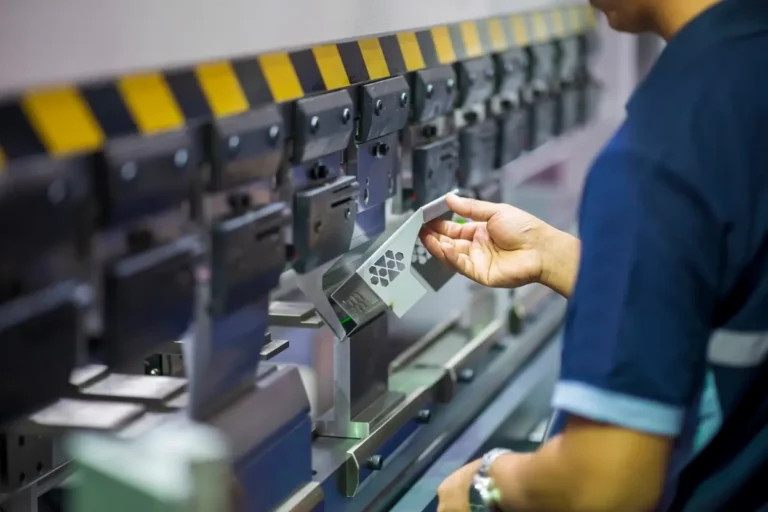
A sheet metal box needs room for both the installed equipment and the path used to remove it. Review shell layouts, bend access, corner seams, and finished lid clearance before releasing the box and lid drawings together.
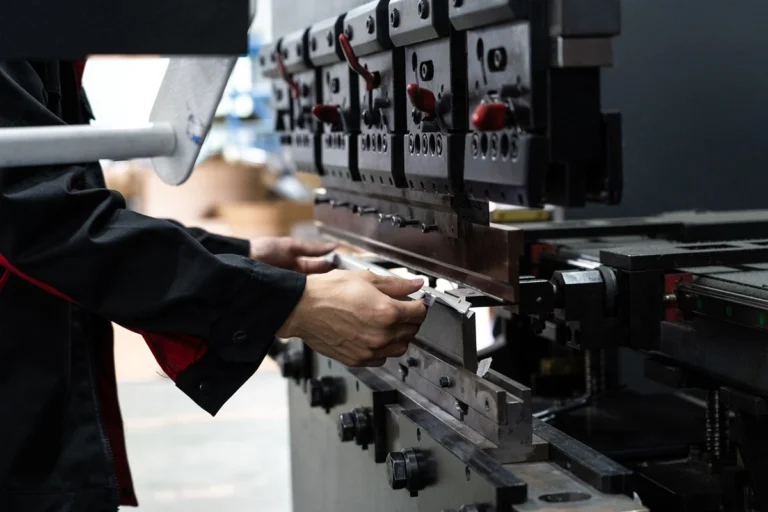
A practical guide to sizing and placing bend reliefs in sheet metal brackets and enclosures. Learn how bend zones affect relief depth and what to check around mounting holes and corner joints.
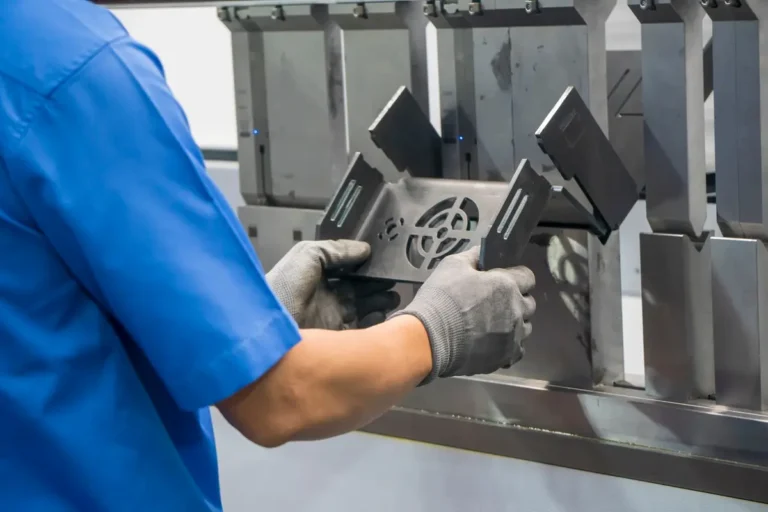
Compare bend radius guidance for aluminum and stainless steel, and see how tooling and radius changes affect part clearance and flat patterns.
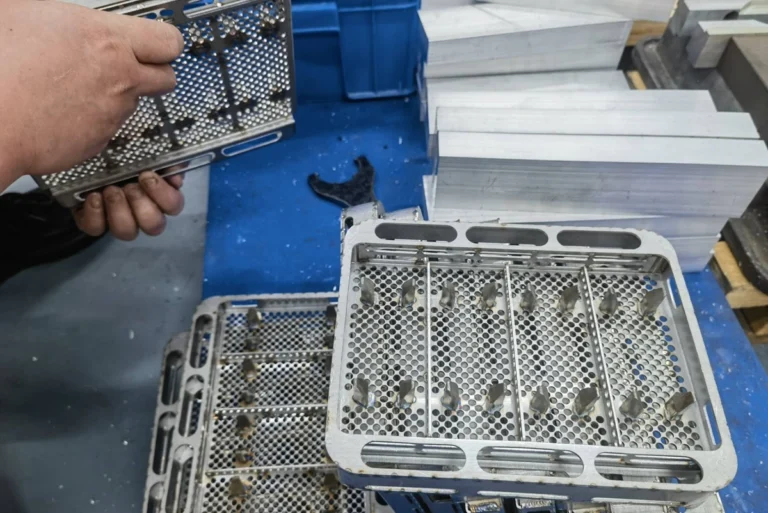
Plan sheet metal assemblies around each joint’s function, service needs, and installation sequence, then confirm the design with the manufacturer.
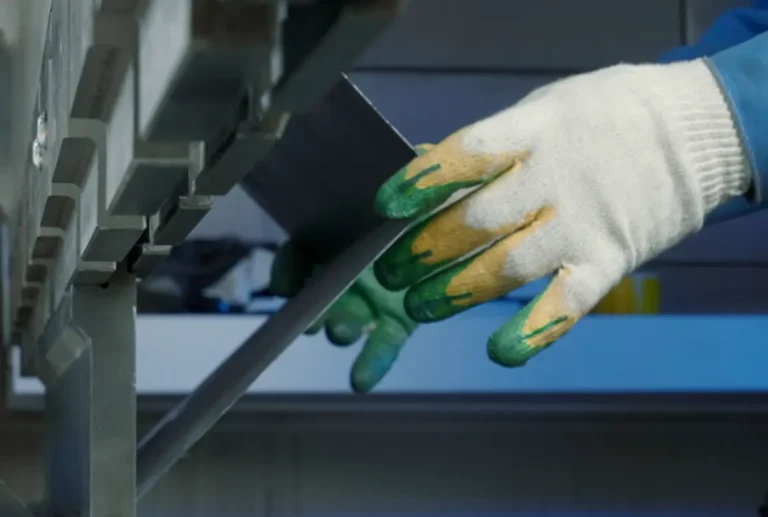
Changing the K-factor changes a sheet metal bracket’s calculated flat length. Compare two settings in a worked example and check the calculation against actual forming conditions.
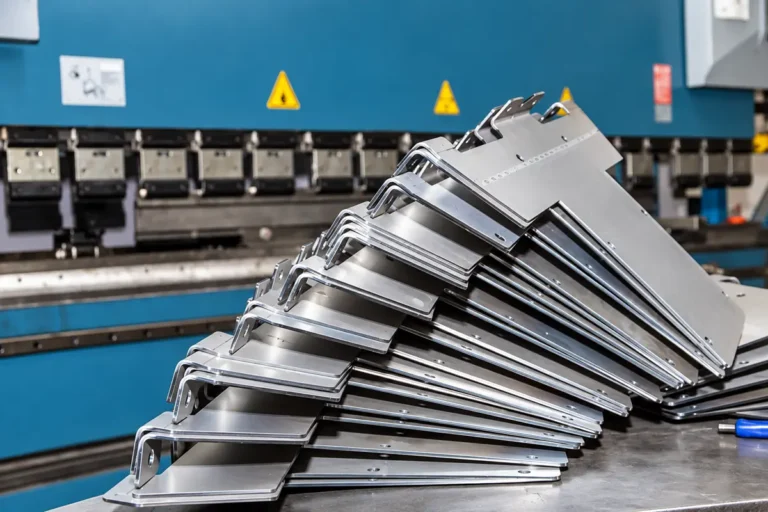
Plan bracket and panel geometry from mating faces, mounting alignment, and the finished envelope. The guide covers bend geometry, feature clearance, bend sequence, flat patterns, and drawing details for fabricator review.
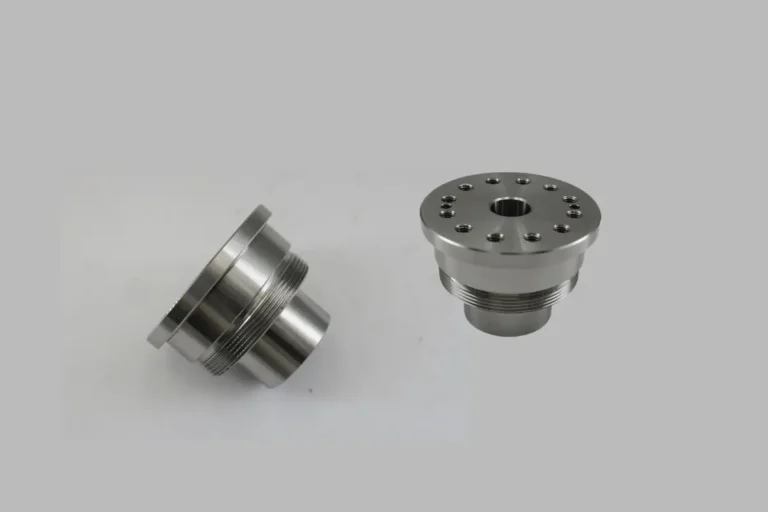
Surface roughness affects sealing, sliding contact, appearance, and inspection cost. Learn how to specify Ra or Rz and verify CNC part surfaces.
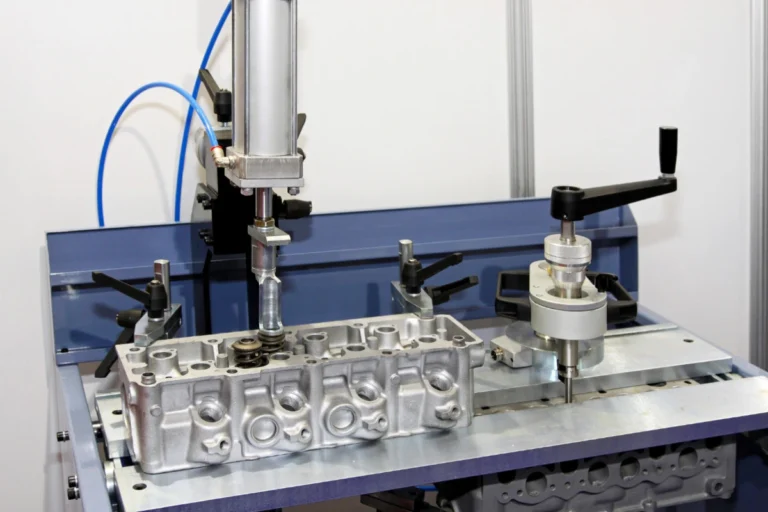
Review how part geometry, fill, cooling, ejection, machining, and cavity configuration shape die cast tooling before toolmakers cut the steel. This guide shows buyers what to confirm with a die-casting partner.
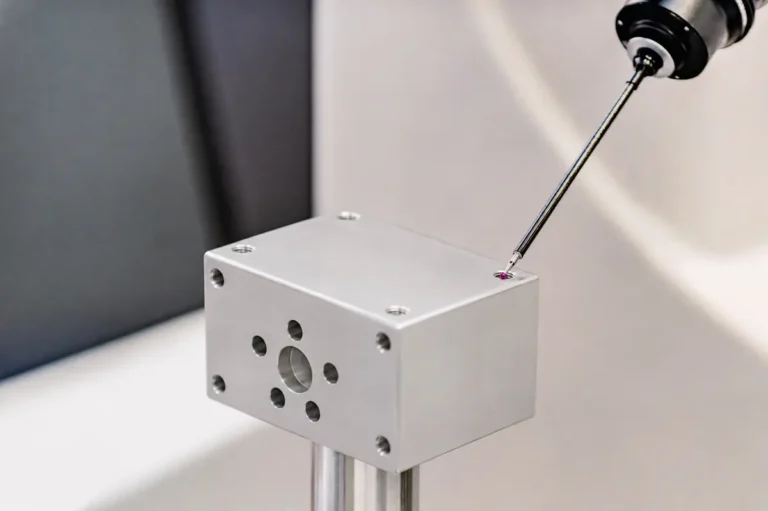
Learn how to pair a 2D technical drawing with a 3D model and define the callouts, revisions, and inspection requirements for supplier review.
End of content
End of content