Rollyu Precision provides precision alloy steel CNC machining services for high-strength, wear-resistant, and heat-treated custom parts.
We machine 4130, 4140, 4340, 8620, 52100 bearing steel, D2, A2, H13, O1 and other alloy steel materials for aerospace, robotics, automation, semiconductor equipment, motion control systems, energy equipment, medical devices, and industrial machinery.
Alloy steel is often selected when standard carbon steel cannot provide enough strength, toughness, fatigue resistance, or wear resistance. Our engineering team supports CNC milling, CNC turning, Swiss machining, thread machining, grinding, heat treatment coordination, surface finishing, and CMM inspection for both prototype and production projects.
If your part requires strength, dimensional stability, and reliable performance under load, alloy steel is often one of the best material choices.
What Is Alloy Steel
Alloy steel is steel that contains additional alloying elements beyond carbon to improve mechanical performance.
Common alloying elements include chromium, nickel, molybdenum, manganese, vanadium, silicon, tungsten, and boron. These elements improve hardness, toughness, wear resistance, fatigue strength, heat resistance, and hardenability.
In CNC machining, alloy steel is commonly used for shafts, gears, couplings, pins, bushings, tooling components, structural brackets, motion control parts, and high-load mechanical assemblies.
Why Engineers Choose Alloy Steel
Engineers choose alloy steel when a part needs:
- Higher strength than carbon steel
- Better wear resistance
- Better fatigue life
- Better toughness under impact load
- Heat treatment capability
- Better performance in high-load assemblies
- Longer service life than aluminum or mild steel
Which Alloy Steel Should You Choose
Selecting the right alloy steel involves matching specific material properties to your engineering requirements, ensuring that critical components like high load shafts or precision bearings achieve optimal performance, durability, and safety in industrial applications.
| Application Requirement | Recommended Alloy Steel |
| Best overall machinability | 4130 |
| General high-strength machined parts | 4140 |
| High-load shafts and fatigue-critical parts | 4340 |
| Carburized gears and sprockets | 8620 |
| Bearings and precision rollers | 52100 |
| Wear plates and cutting tools | D2 |
| Hot-work tooling and die casting molds | H13 |
| Jigs, fixtures, and prototype tooling | O1 |
| Springs and flexible components | 5160 / 6150 |
| Aircraft and motorsport structures | 4130 / 4340 |
Alloy Steel Grades We Machine
4130 Alloy Steel CNC Machining
4130 alloy steel, also known as chromoly steel, provides a strong balance of strength, toughness, weldability, and machinability.
It is widely used in aerospace structures, motorsport components, hydraulic fittings, brackets, and precision mechanical parts.
4130 is a good choice when the design requires moderate-to-high strength with better machinability than many higher-carbon alloy steels.
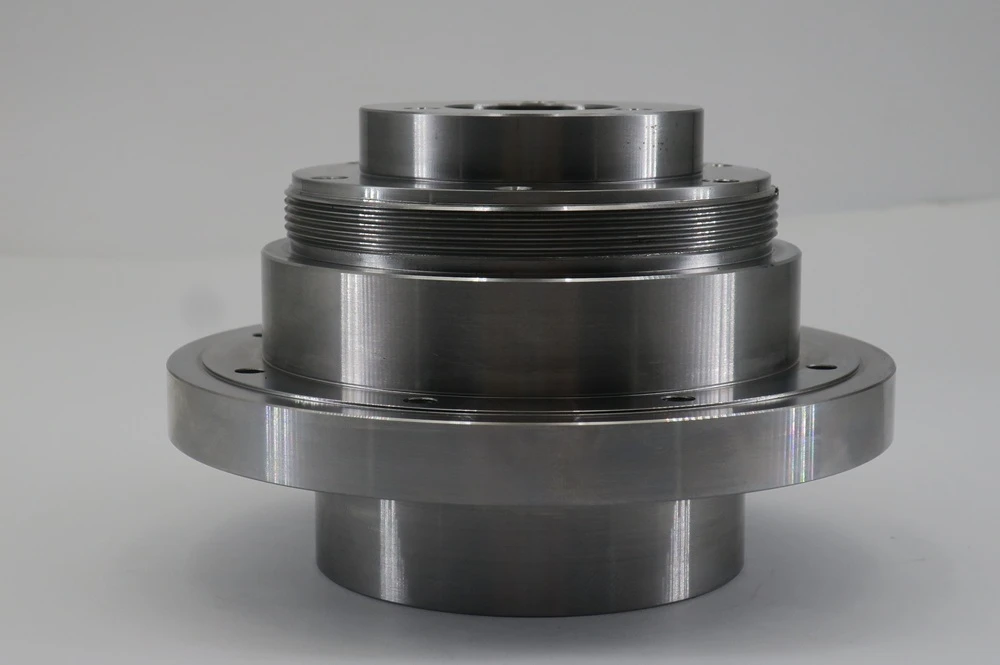
4140 alloy steel machined parts
4140 is one of the most widely used alloy steels for CNC machined parts.
It offers high tensile strength, good toughness, good wear resistance, and excellent heat treatment response. 4140 is commonly used for shafts, couplings, gears, spindles, bearing supports, fixture components, and industrial machinery parts.
For many engineering applications, 4140 is the first material to consider when carbon steel is not strong enough.
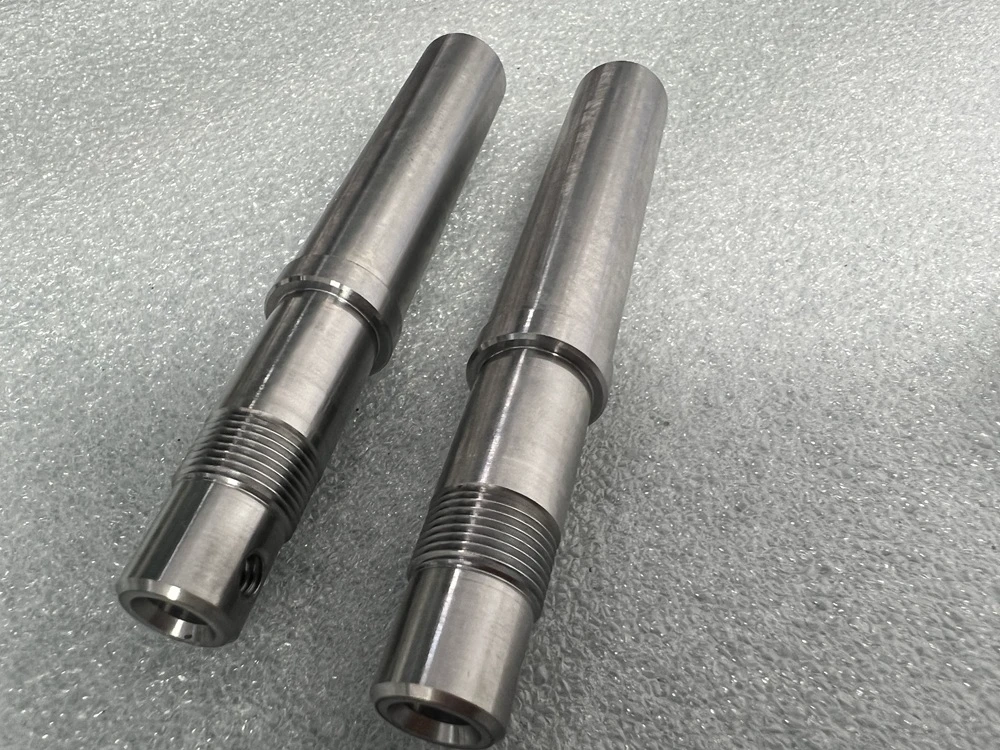
4340 alloy steel machined parts
4340 is a nickel-chromium-molybdenum alloy steel known for exceptional toughness and fatigue resistance.
It is often used for aerospace hardware, landing gear components, high-load shafts, defense equipment, motorsport parts, and critical rotating components.
4340 is usually selected when failure resistance under shock, vibration, or cyclic loading is more important than low material cost.
8620 Alloy Steel CNC Machining
8620 is commonly used for carburized components that require a hard wear-resistant surface and a tough core.
Typical applications include gears, sprockets, drive shafts, bearing races, bushings, and transmission components.
8620 is a strong choice for parts that need surface hardness without becoming brittle through the entire section.
52100 Bearing Steel CNC Machining
52100 is a high-carbon chromium alloy steel designed for hardness, wear resistance, and rolling-contact fatigue strength.
It is commonly used for bearings, precision rollers, guide systems, linear motion components, and high-wear mechanical parts.
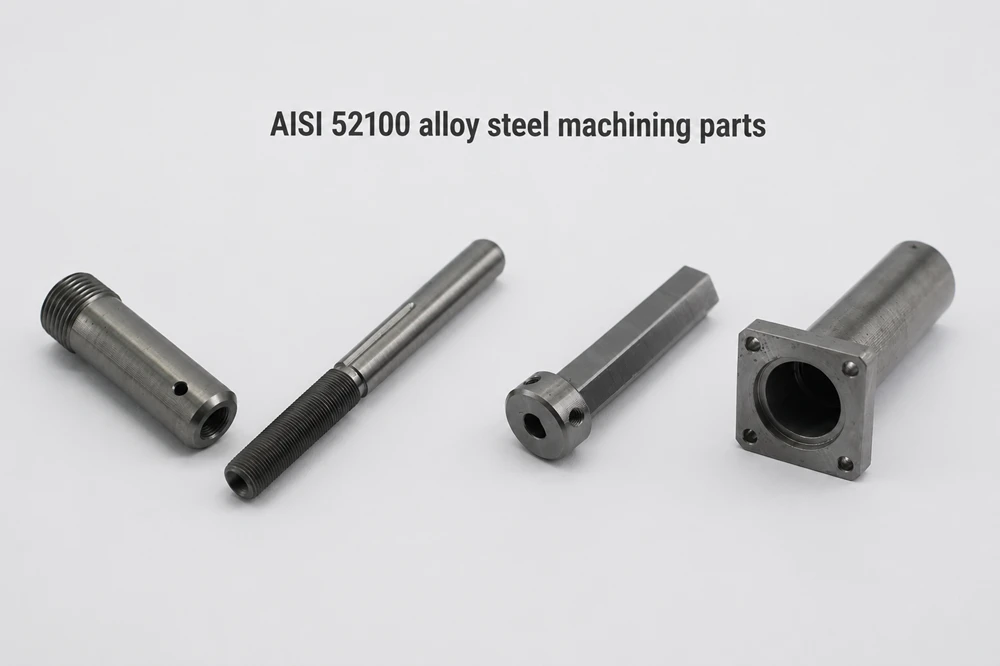
9130 Alloy Steel Machined Parts
9130 alloy steel is a high-strength material characterized by its excellent toughness and high fatigue resistance. It is commonly used for mission-critical aerospace structural components, heavy-duty brackets, and automotive parts that require reliable performance under high stress and impact.
Common applications for 9130 include:
- Airframe structural fittings
- High-performance automotive hardware
- Heavy-duty brackets and mounts
- Fatigue-resistant mechanical assemblies
Tool Steel CNC Machining
We also machine tool steels for molds, dies, cutting components, fixtures, and wear-resistant tooling.
Common tool steels include:
- D2 tool steel
- A2 tool steel
- H13 tool steel
- O1 tool steel
- S7 tool steel
D2 is preferred for high wear resistance. H13 is used for hot-work tooling. O1 is often used for jigs, fixtures, and prototype tooling.
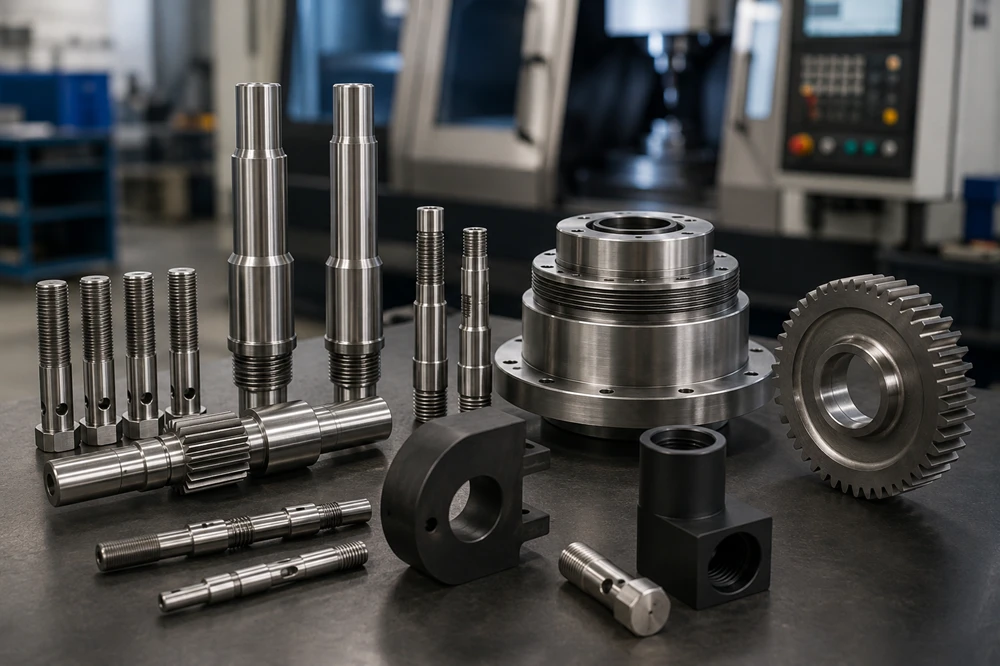
Comparing Alloy Steel with Common Engineering Materials
These comparison highlights how alloy steel excels in strength and durability compared to carbon steel, stainless steel, and aluminum, helping engineers select the most appropriate material based on specific mechanical and environmental requirements.
Alloy Steel vs Carbon Steel
Alloy steel is usually the better choice when the component must handle load, wear, vibration, or repeated stress.
Carbon steel is usually the better choice when the project demands affordability, easy fabrication, basic strength, or high weldability.
| Comparison Item | Alloy Steel | Carbon Steel |
| Strength | Higher | Moderate |
| Wear Resistance | Better | Lower |
| Heat Treatment Response | Better | Limited |
| Toughness | Better | Moderate |
| Fatigue Resistance | Better | Lower |
| Cost | Higher | Lower |
| Best For | Critical mechanical parts | General structural parts |
Alloy Steel vs Stainless Steel
Stainless steel is a corrosion-resistant alloy steel containing a minimum of 10.5% chromium.
| Comparison Item | Alloy Steel | Stainless Steel |
| Strength | Usually higher | Moderate to high |
| Corrosion Resistance | Moderate | Excellent |
| Wear Resistance | Better in many grades | Grade dependent |
| Heat Treatment | Excellent | Limited in many grades |
| Cost | Usually lower | Usually higher |
| Best For | Load-bearing parts | Corrosion-resistant parts |
Choose alloy steel for strength and wear resistance. Choose stainless steel when corrosion resistance is the main requirement.
Alloy Steel vs Aluminum
Aluminum is better for weight reduction. Alloy steel is better for load-bearing, wear resistance, and fatigue-critical applications.
| Comparison Item | Alloy Steel | Aluminum |
| Strength | Much higher | Lower |
| Weight | Heavier | Lightweight |
| Wear Resistance | Better | Lower |
| Machinability | Moderate | Excellent |
| Heat Treatment | Strong response | Alloy dependent |
| Best For | High-load parts | Lightweight structures |
Why Alloy Steel Is Challenging to Machine
Alloy steel provides excellent mechanical properties, but it requires careful machining control.
Tool Wear
High strength and hardness increase cutting forces and accelerate tool wear. Poor tool selection may cause edge chipping, thermal wear, vibration, and unstable surface finish.
Heat Generation
Alloy steel generates more heat during machining than aluminum or mild steel. Excessive heat may cause work hardening, dimensional variation, tool failure, and poor surface quality.
Residual Stress
Some alloy steel parts may move after rough machining, heat treatment, or unclamping. Proper machining sequence, stress relief, and finishing allowance are important for tight-tolerance components.
Heat Treatment Distortion
Quenching, tempering, carburizing, and nitriding can cause distortion or dimensional growth. For precision parts, heat treatment must be considered before machining begins.
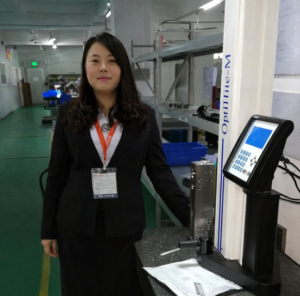
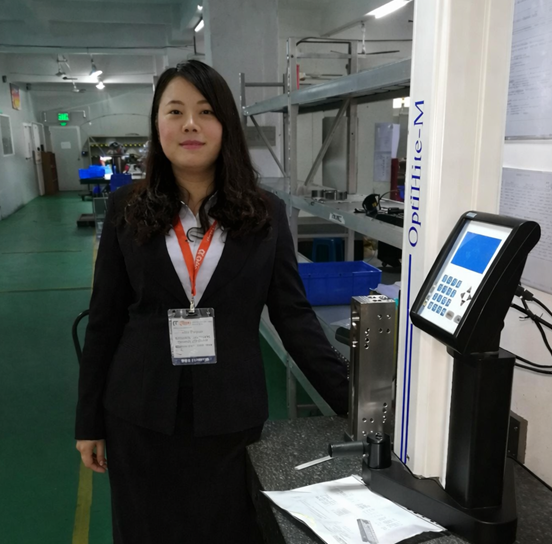
At Rollyu Precision, this DFM review is supported by CNC machining experience, calibrated inspection tools, thread gauges, and documentation control, so threaded features are designed for both machining and verification.
Rollyu Precision CNC Machining Capabilities for Alloy Steel
CNC Milling
When milling alloy steel, high-performance CNC equipment is essential to manage the material’s toughness. This process produces complex, heavy-duty parts with exceptional accuracy and superior surface finishes for demanding industrial applications.
Our CNC milling capabilities support:
- 3-axis milling
- 4-axis milling
- 5-axis milling
- Multi-face machining
- Pocket milling
- Profile milling
- Precision boring
- Thread milling
- Complex contour machining
- Alloy steel screw machining
- Large alloy steel machining
CNC Turning
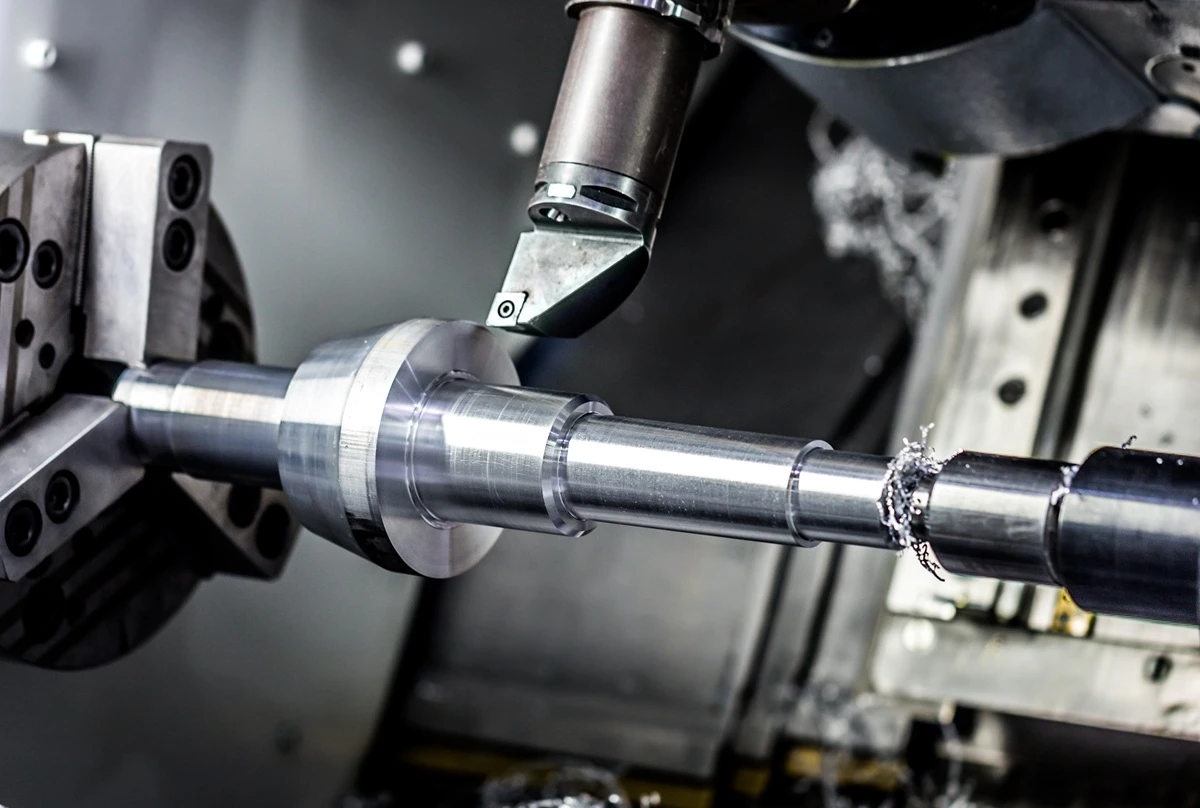
CNC turning for alloy steel utilizes high-precision lathes to shape tough materials into accurate cylindrical components, ensuring exceptional durability and tight tolerances for critical high-performance parts across various demanding industries.
We machine alloy steel turned parts such as:
- Shafts
- Pins
- Bushings
- Couplings
- Rollers
- Spindles
- Threaded components
- Alloy steel bolts
- Alloy steel dowel pins
- Alloy steel shoulder screws
Swiss Machining
Swiss machining is suitable for small, slender, high-precision alloy steel parts such as pins, shafts, medical hardware, sensor components, and motion control parts.
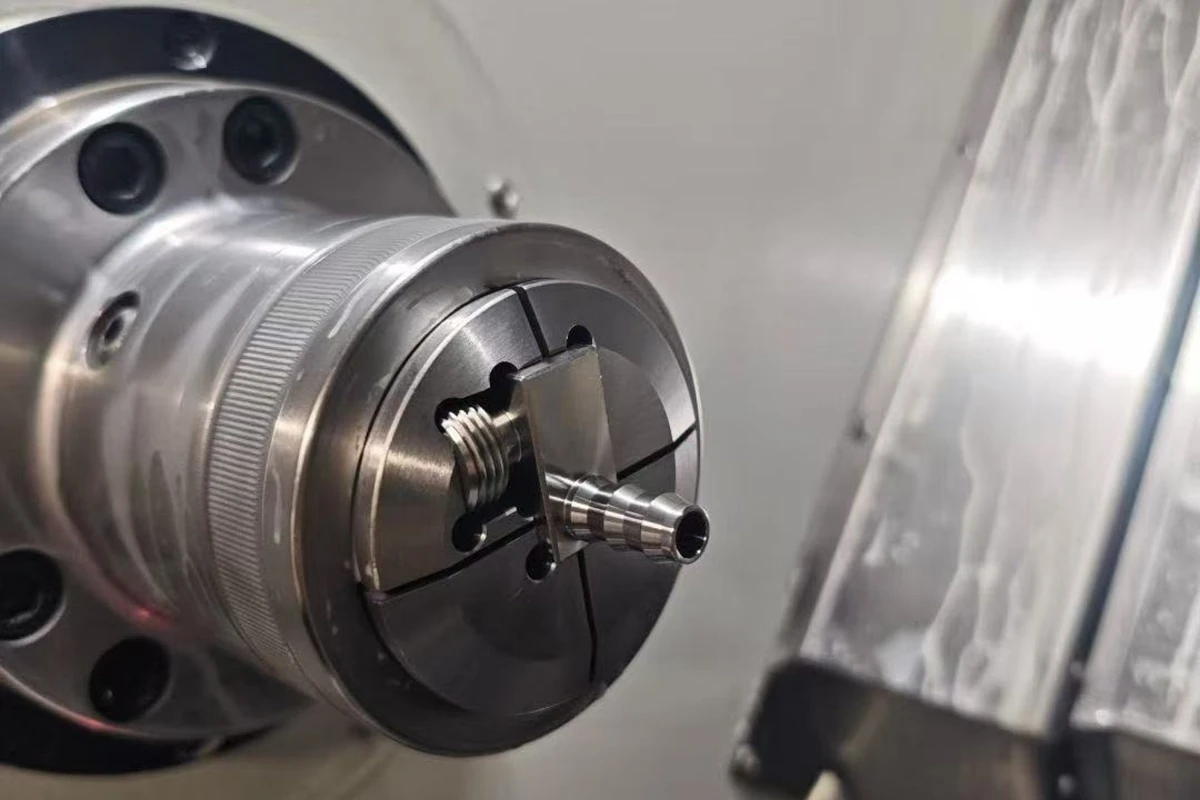
Wire EDM Machining for Alloy Steel
Wire EDM is ideal for cutting complex shapes and fine details in hardened alloy steels. This non-contact process ensures extreme precision without mechanical stress, making it perfect for intricate tooling and deep, narrow slots.
Our Wire EDM capabilities support:
- Extremely tight tolerances (up to ±0.005mm)
- Internal splines and keyways
- Complex geometries in hardened materials
- High-aspect-ratio features
- Stress-free cutting for delicate components
Thread Machining
Thread machining for alloy steel requires high-performance tools and precise control to handle material toughness. This ensures accurate, high-strength threads that provide reliable connections for critical components in heavy-duty applications.
We support:
- Internal threads
- External threads
- Metric threads
- UNC threads
- UNF threads
- NPT threads
- BSPP threads
- Thread milling
- Tapping
Grinding Support
Grinding is a critical finishing process for hardened alloy steel, delivering exceptional dimensional accuracy and smooth surface finishes. It ensures tight tolerances for high-precision components used in demanding industrial environments.
Typical Tolerances for Alloy Steel Machined Parts
Actual tolerances depend on material condition, hardness, part size, geometry, heat treatment, and inspection requirements.
| Feature Type | Typical Tolerance |
| General linear dimensions | ±0.05 mm |
| Critical dimensions | ±0.01 mm |
| Precision bores | ±0.01 mm |
| Position tolerance | ±0.02 mm |
| Flatness | ±0.02 mm |
| Surface finish | Ra 0.8–3.2 μm |
Heat Treatment Options
We can coordinate heat treatment for alloy steel components, including:
- Annealing
- Normalizing
- Quenching
- Tempering
- Stress relieving
- Carburizing
- Nitriding
- Through hardening
- Induction hardening
For tight-tolerance parts, we recommend confirming heat treatment requirements before finalizing the machining process.
Surface Finishing Options
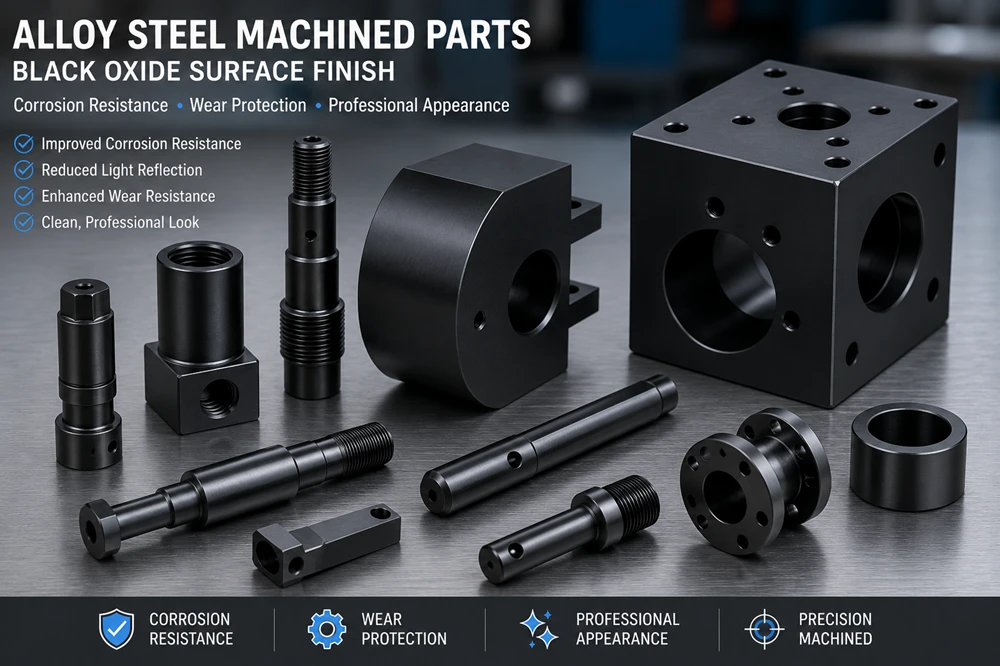
Surface finishing for alloy steel improves corrosion resistance, wear characteristics, and aesthetic appeal. Common techniques like black oxide or plating provide essential protection for components operating in harsh or high-stress environments.
Available finishing options from Rollyu Precision include:
- Black oxide
- Zinc plating
- Nickel plating
- Hard chrome plating
- Phosphate coating
- Bead blasting
- Passivation where applicable
- Protective oiling
- Laser marking
Black oxide is commonly used for alloy steel parts that require a dark finish, mild corrosion protection, and improved appearance.
Industries We Serve
Aerospace
Alloy steel is used for space and satellite, structural fittings, high-strength brackets, landing gear components, shafts, and fatigue-critical hardware.
Robotics
Robotic systems use alloy steel for joints, shafts, pins, couplings, gears, and high-load motion components.
Industrial Automation
Automation equipment often requires alloy steel components for actuators, guide systems, tooling, fixtures, adapter fittings, and drive assemblies.
Photonics
Photonics equipment utilizes alloy steel for high-precision mounts, laser housings, and stable positioning frames, providing the structural rigidity and thermal stability necessary for maintaining sensitive optical alignment in demanding environments.
Semiconductor Equipment
Alloy steel parts are used in motion platforms, precision support structures, tooling, and equipment assemblies.
Medical Equipment
Medical equipment may require alloy steel structural components, instrument hardware, fixtures, and precision mechanisms.
Motion Control Systems
Motion control assemblies often require alloy steel shafts, bearing supports, linear guide parts, couplings, spindles, drive shafts, and precision-machined housings.
Sensors
Alloy steel is used for sensor housings, mounting brackets, and protective enclosures, providing the structural integrity and stability required to protect sensitive internal electronics.
Load Cells
High-strength alloy steel is a primary material for load cell bodies and sensing elements, offering the necessary elasticity and fatigue resistance for accurate measurement under heavy loads.
Energy Equipment
Energy applications use alloy steel for valve parts, pump components, turbine hardware, shafts, and high-load mechanical systems.
Why Choose Rollyu Precision for Alloy Steel CNC Machining
Rollyu Precision supports alloy steel machining from engineering review to final inspection.
Advantages include:
- Experience with 4130, 4140, 4340, 8620, 52100 and tool steels
- 3-axis, 4-axis, and 5-axis CNC machining
- CNC turning and Swiss machining
- Heat treatment and finishing coordination
- CMM inspection
- First Article Inspection support
- Material traceability
- ISO 9001:2015 quality system
- ISO 13485:2016 medical quality system
- Prototype, low-volume, and medium-volume production support
We focus on dimensional accuracy, process stability, surface finish, and long-term part performance.
Engineering Information Required for Quotation
To quote your alloy steel CNC machining project accurately, please provide:
- 2D drawings
- 3D CAD files
- Material grade
- Heat treatment requirements
- Surface finish requirements
- Critical tolerances
- Thread requirements
- Quantity
- Inspection requirements
- Target delivery schedule
Rollyu Precision engineering team will review your project and provide DFM feedback before production.
FAQ
What is alloy steel CNC machining
Alloy steel CNC machining is the process of cutting alloy steel materials into precision custom parts using CNC milling, CNC turning, Swiss machining, drilling, tapping, threading, and grinding processes.
What alloy steel grades can Rollyu Precision machine
We machine 4130, 4140, 4340, 8620, 52100, 5160, 6150, D2, A2, H13, O1, S7 and other alloy steel grades.
Which alloy steel is easiest to machine
4130 and annealed 4140 are generally easier to machine than hardened tool steels such as D2 or H13.
What is 4140 alloy steel used for
4140 is commonly used for shafts, gears, couplings, spindles, bearing supports, fixture components, and high-strength industrial machinery parts.
What is 8620 alloy steel best for
8620 is best for carburized gears, sprockets, shafts, bearing races, and components that require a hard surface with a tough core.
What is the difference between 4130 and 4140 alloy steel
4140 contains more carbon than 4130, so it generally provides higher strength and hardness. 4130 offers better weldability and is often used in aerospace and motorsport structures.
Is alloy steel stronger than stainless steel
Many alloy steels provide higher tensile strength and fatigue resistance than common stainless steels such as 304 and 316. However, stainless steel provides better corrosion resistance.
Is alloy steel better than aluminum
Alloy steel is stronger, harder, and more wear-resistant than aluminum. Aluminum is lighter and easier to machine. The better choice depends on strength, weight, wear, and cost requirements.
Can alloy steel be heat treated after machining
Yes. Many alloy steel parts are rough machined first, then heat treated, and finally finish machined or ground to achieve final tolerances.
Can hardened alloy steel be machined
Yes. Hardened alloy steel can be machined using suitable carbide tools, rigid workholding, stable cutting parameters, and grinding support when required.
What tolerances can you hold on alloy steel parts
Typical alloy steel machining tolerances range from ±0.05 mm for general features to ±0.01 mm for critical dimensions, depending on geometry, hardness, and inspection requirements.
Can you provide black oxide for alloy steel parts
Yes. Black oxide is available for alloy steel parts requiring a dark appearance, mild corrosion resistance, and improved surface finish.
Can you provide inspection reports
Yes. We can provide dimensional inspection reports, CMM reports, First Article Inspection reports, and material certificates upon request.
What industries use alloy steel machined parts
Alloy steel machined parts are widely used in aerospace, robotics, automation, semiconductor equipment, medical equipment, energy systems, motion control, motorsport, and industrial machinery.
How do I request a quote for alloy steel CNC machining
Send your 2D drawings, STEP files, material grade, tolerances, heat treatment requirements, surface finish requirements, and quantity. Rollyu Precision will review the design and provide a quotation with manufacturability feedback.