K-Factor in Sheet Metal: How It Changes a Bent Bracket’s Flat Pattern
Changing the K-factor changes a sheet metal bracket’s calculated flat length. Compare two settings in a worked example and check the calculation against actual forming conditions.

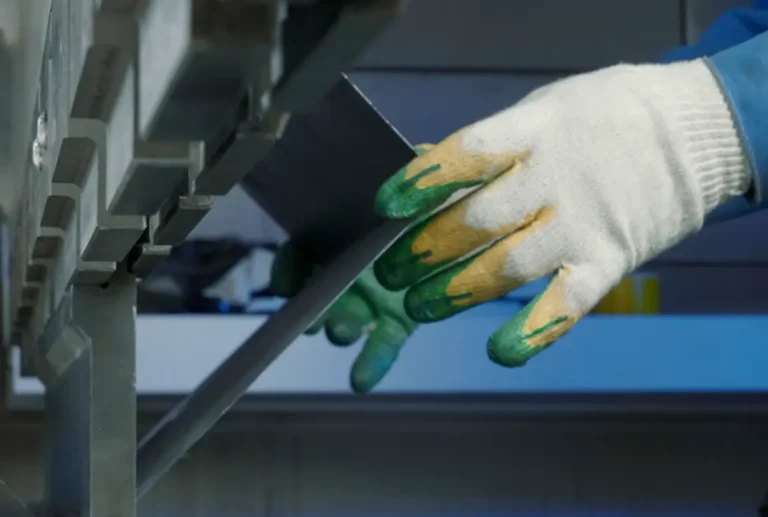
Changing the K-factor changes a sheet metal bracket’s calculated flat length. Compare two settings in a worked example and check the calculation against actual forming conditions.
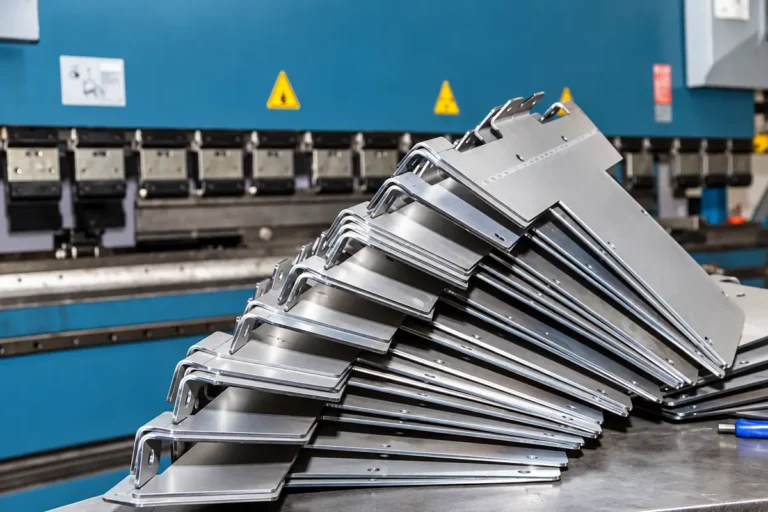
Plan bracket and panel geometry from mating faces, mounting alignment, and the finished envelope. The guide covers bend geometry, feature clearance, bend sequence, flat patterns, and drawing details for fabricator review.
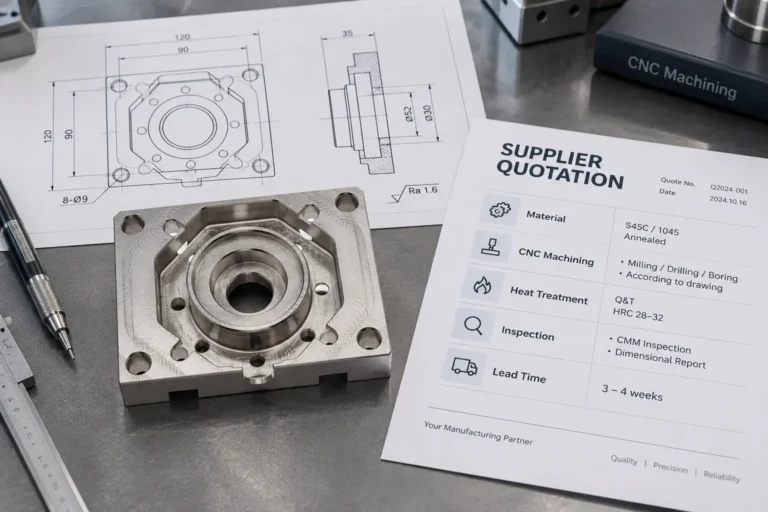
Compare soft machining quotes against one manufacturing route. This guide helps sourcing teams identify scope gaps and clarify cost, schedule, inspection, and rework responsibilities before issuing a purchase order.
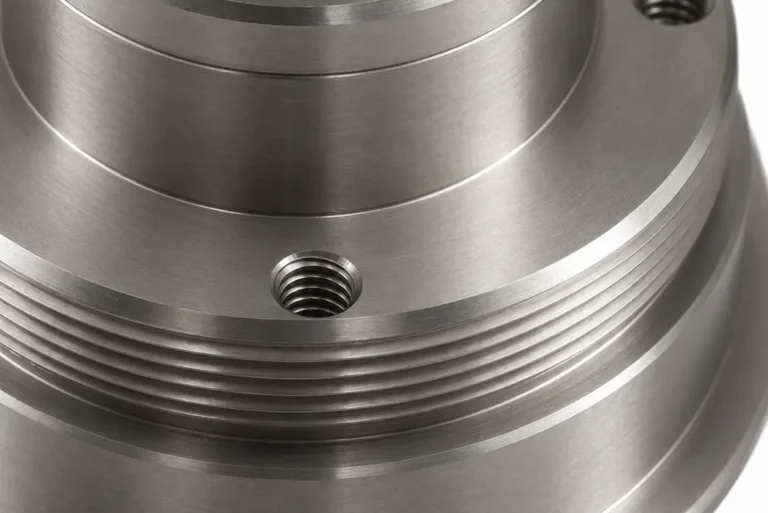
This guide covers feature assignment, distortion allowances, datum control, post-heat-treatment finishing, and inspection for heat-treated parts.
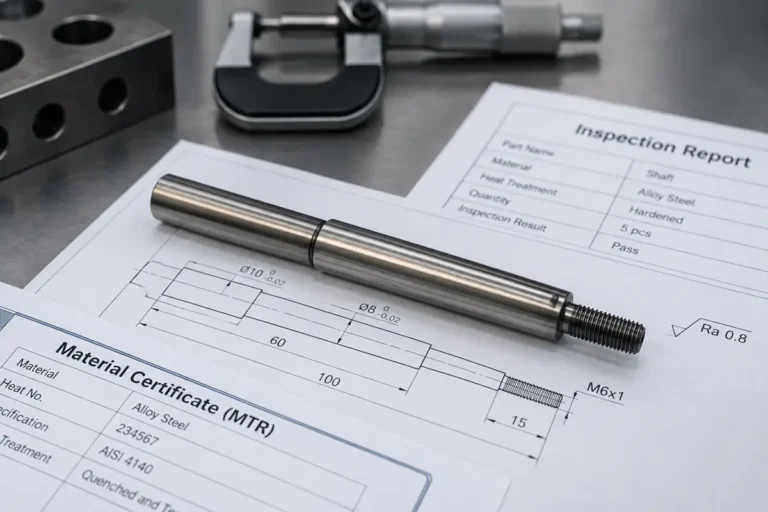
Check machining, heat treatment, finishing, FAI, CMM inspection, and lot traceability before approving a soft-machining supplier.
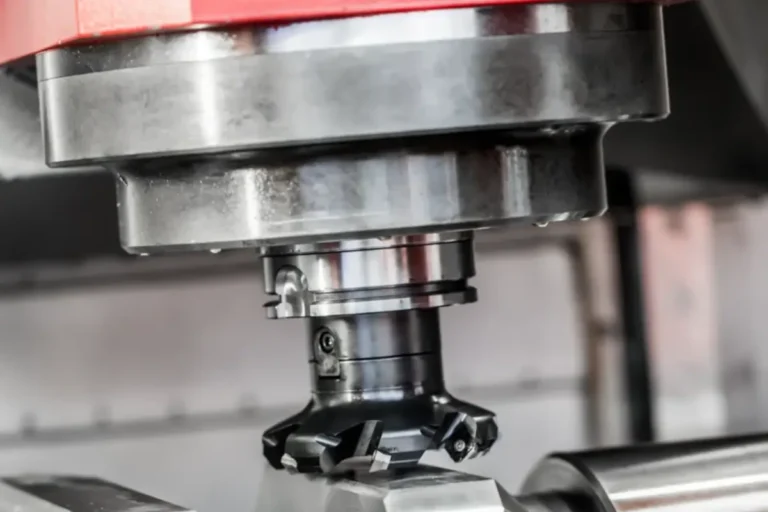
See how climb and conventional milling affect chip formation, cutting forces, surface finish, and setup decisions for CNC parts.
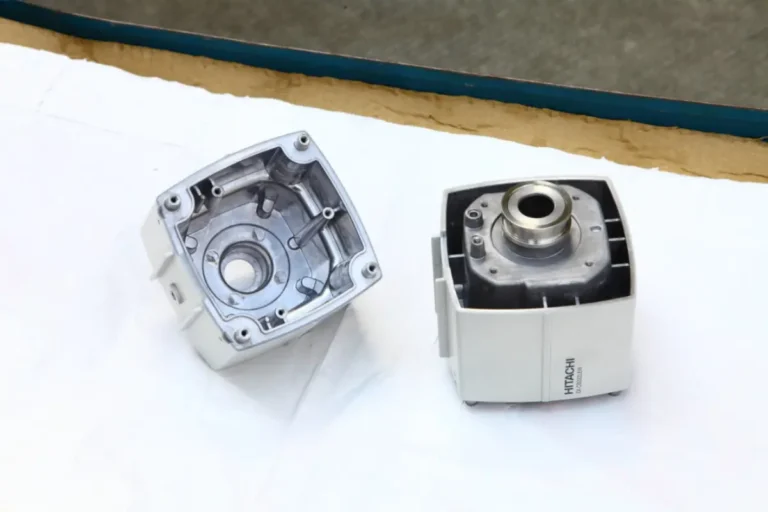
A single tooling total can hide differences in die configuration, included work, trial scope, and exclusions. Use this guide to prepare a controlled product package and compare supplier quotes before ordering.
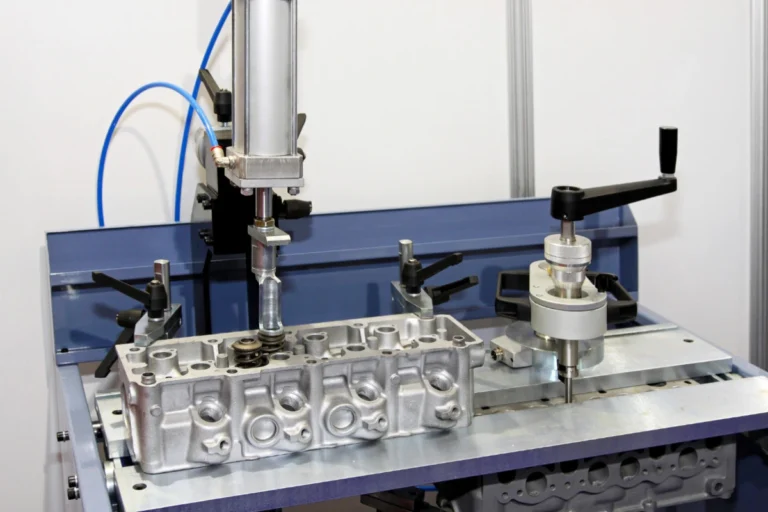
Review how part geometry, fill, cooling, ejection, machining, and cavity configuration shape die cast tooling before toolmakers cut the steel. This guide shows buyers what to confirm with a die-casting partner.
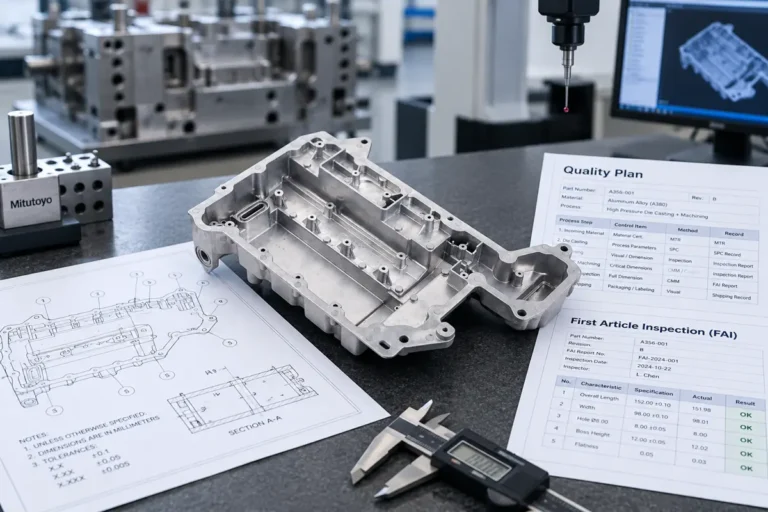
An OEM high pressure die casting quality plan connects the released part definition to tooling, process controls, post-machining, inspection evidence, and approval decisions. This guide explains how to manage critical features, first articles, change control, functional testing, and RFQ scope before production release.
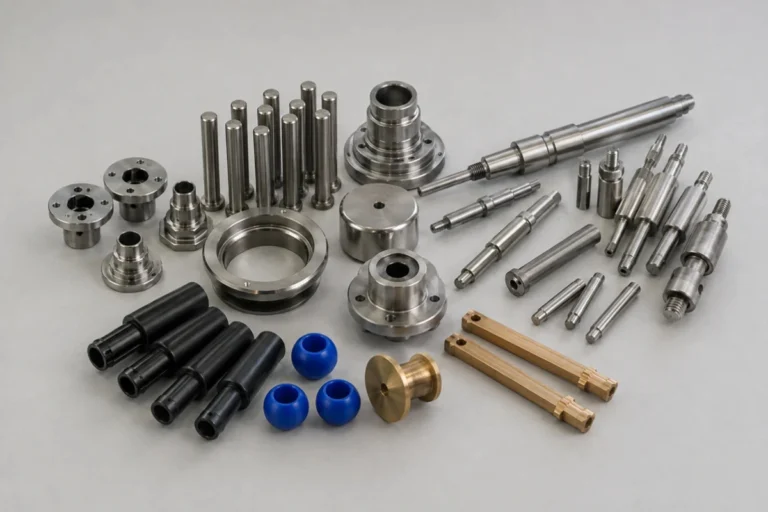
Quick Answer CNC turned parts are axisymmetric components produced by rotating bar, tube, or a preform against cutting tools. The process is ideal for shafts, pins, sleeves, bushings, threaded adapters, valve components, sensor housings, optical barrels, and other parts whose critical features share a centerline. For mechanical engineers, however, diameter alone is rarely the acceptance…
End of content
End of content