What's happening in the CNC industry and Rollyu? What trends and innovations shouldn’t be missed? Learn more and check out rollyu's cases.
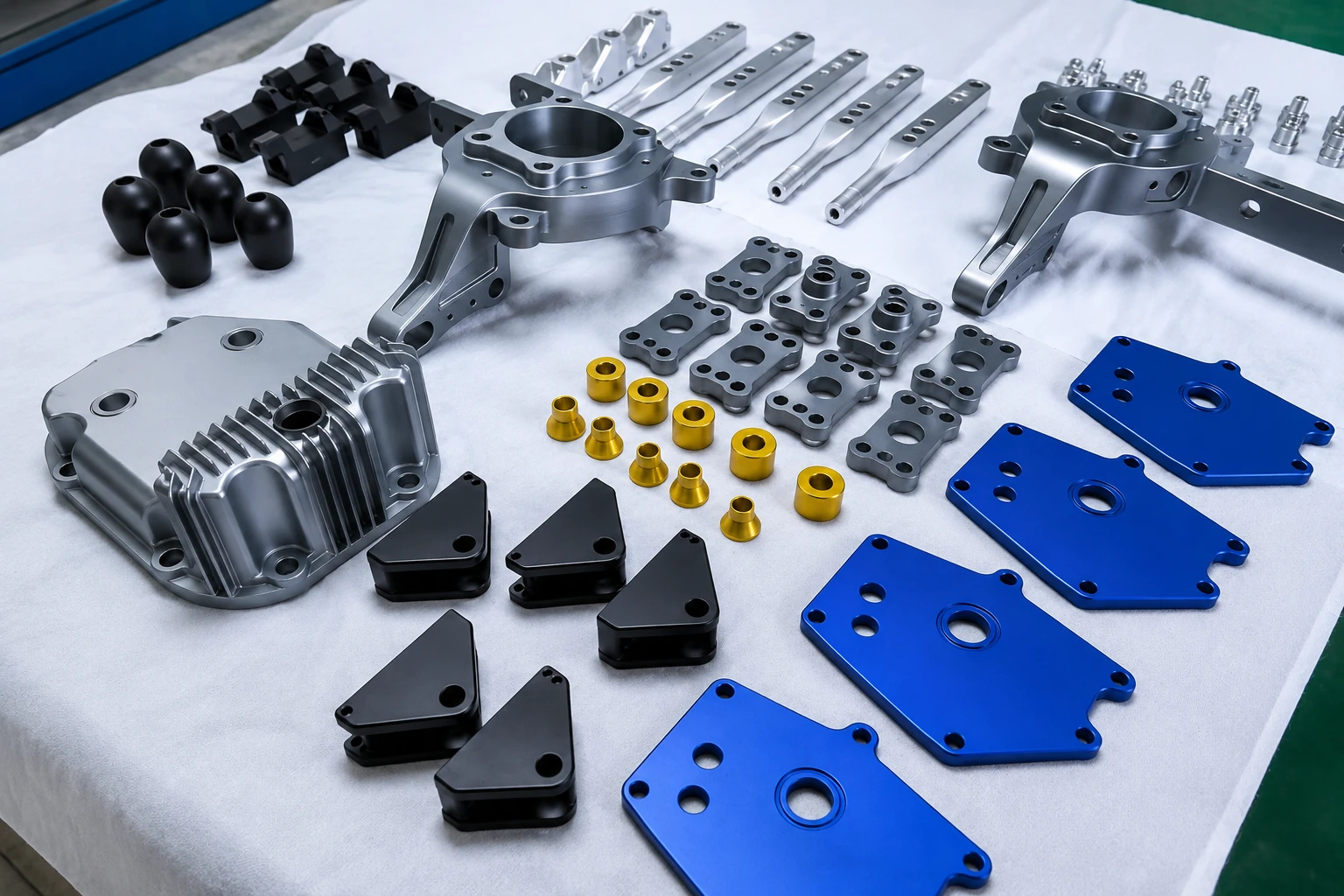
Anodized aluminum is widely used in precision CNC machined components because it improves corrosion resistance, wear resistance, surface hardness, electrical insulation, and cosmetic appearance. However, for engineered aluminum parts, anodizing is not just about making the surface look better. Color consistency directly affects product appearance, brand quality, and customer acceptance.
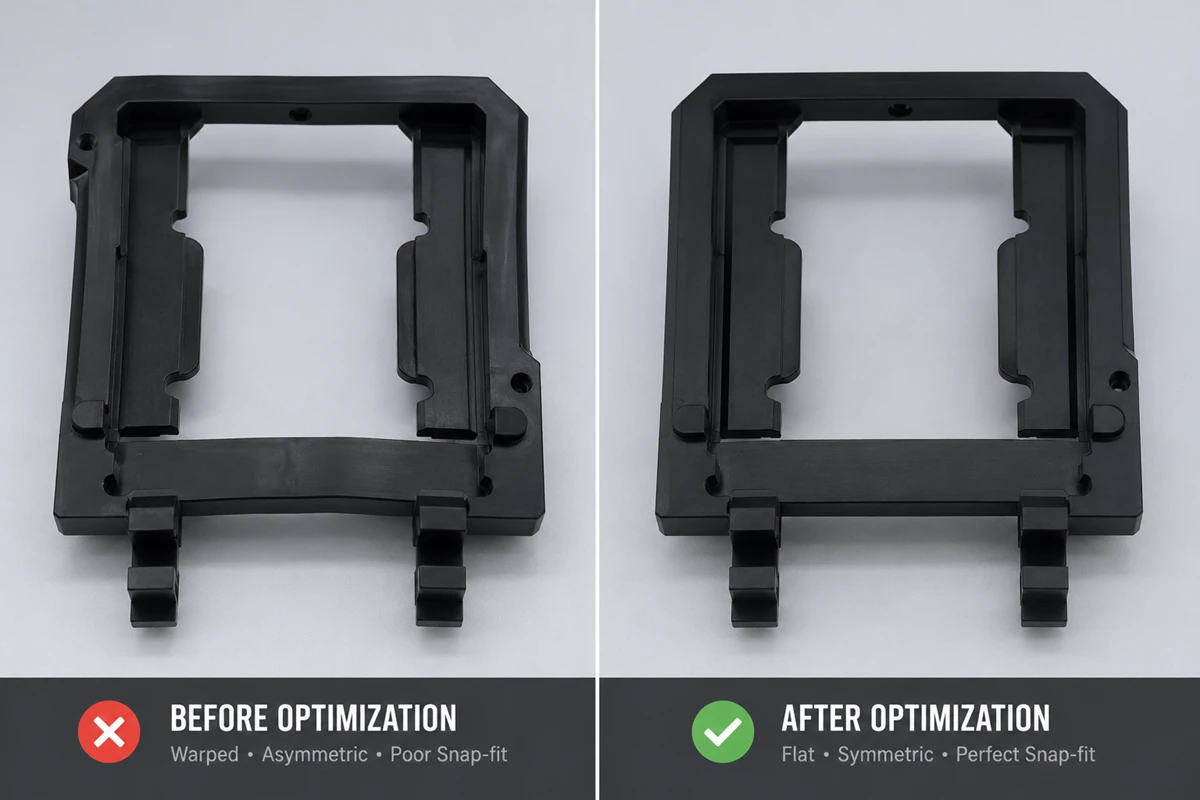
In dental equipment assemblies, dimensional consistency is not only a cosmetic requirement, it directly affects assembly stability, functional engagement, and long term reliability. Rollyu Precision supported a customer project involving a precision machined Black Delrin (POM) component used in a dental device assembly. The component featured a complex open frame
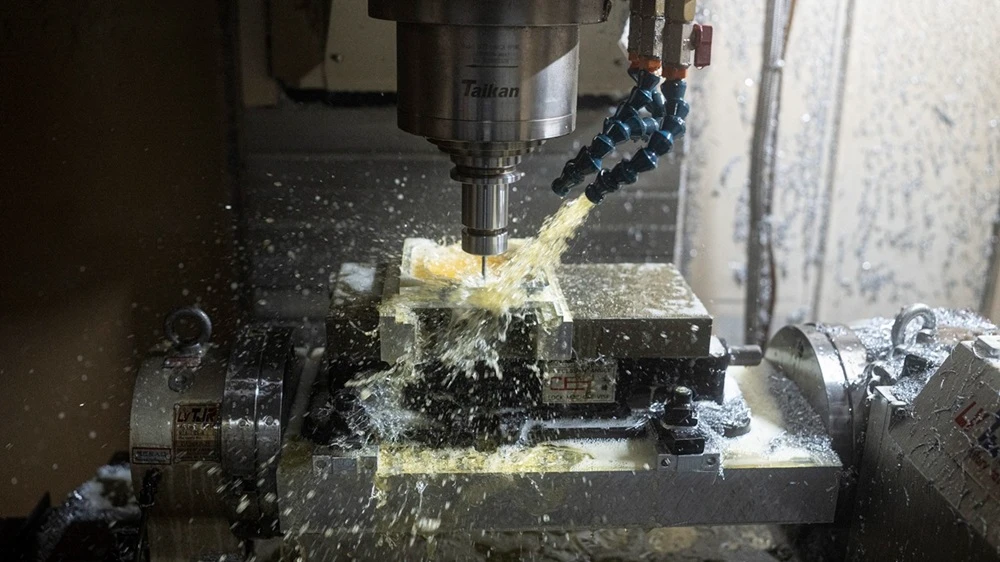
Prevent optical calibration errors. This CNC method secures 0.01mm flatness and an artifact-free matte black finish on 6061-T6 aluminum plates.
Rollyu Precision prevents 416 SS collimator tube assembly failure by detecting hidden burrs through reversed inspection logic. Standard gauging masks 0.50mm cross-hole defects. This microscopic protocol ensures clean internal geometry.
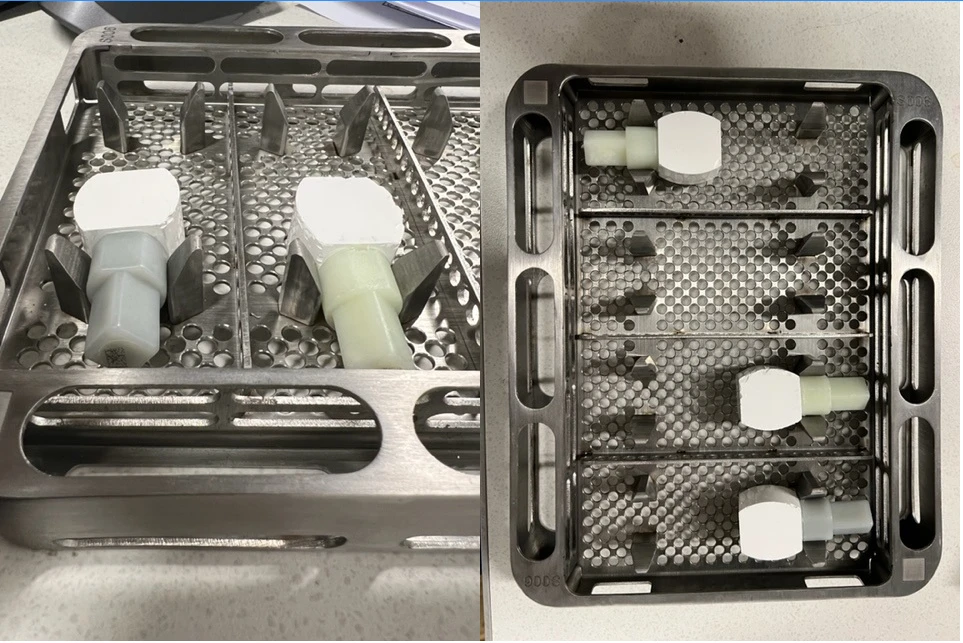
Most suppliers failed this project — not because they couldn’t make the part,but because they couldn’t control what happens after it’s made. This dental sterilization tray looks simple: thin sheet metal, multiple bends, welded locating pins. But in reality, it is a stability-critical medical assembly. The real problem is not