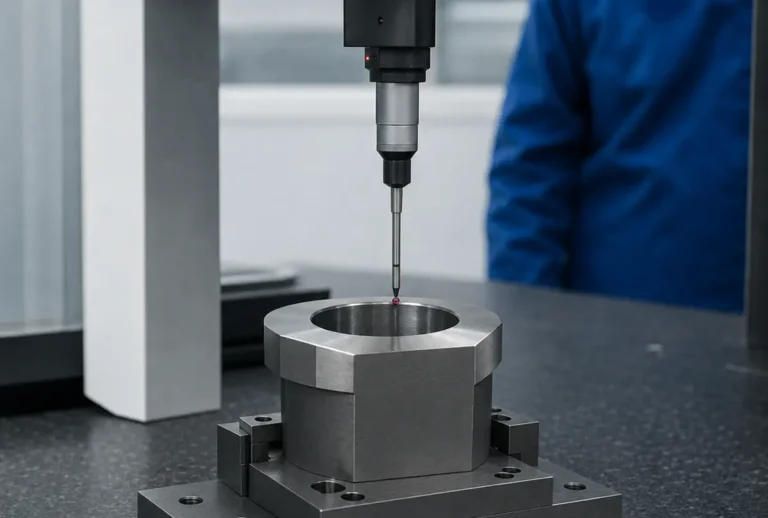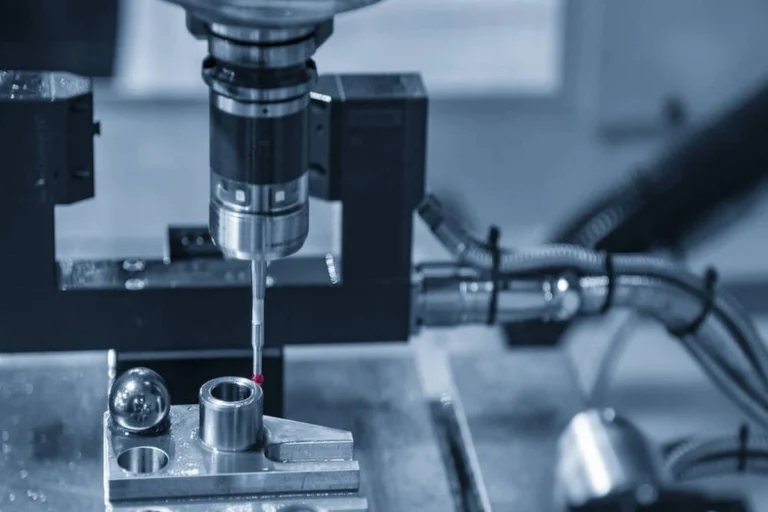
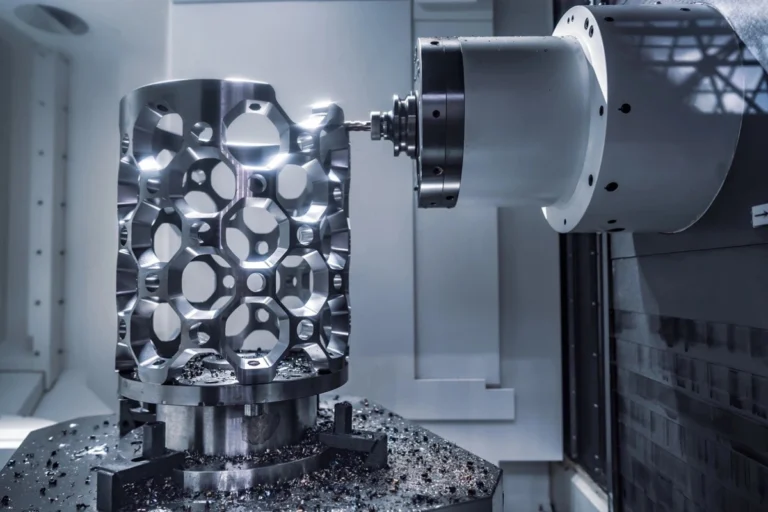
Machining 6061 Aluminum: A Practical Guide to 6061-T6 Precision Parts

Machining 6061 Aluminum: A Practical Guide to 6061-T6 Precision Parts

Machining 6061 aluminum is often the starting point for engineers who need lightweight, corrosion-resistant, and cost-effective CNC parts. The alloy offers a practical balance of strength, machinability, availability, weldability, and anodizing response. It is widely used for optical mounts, motion-stage housings, robotic frames, medical-equipment housings, fixtures, brackets, and structural components. However, choosing 6061 does not…
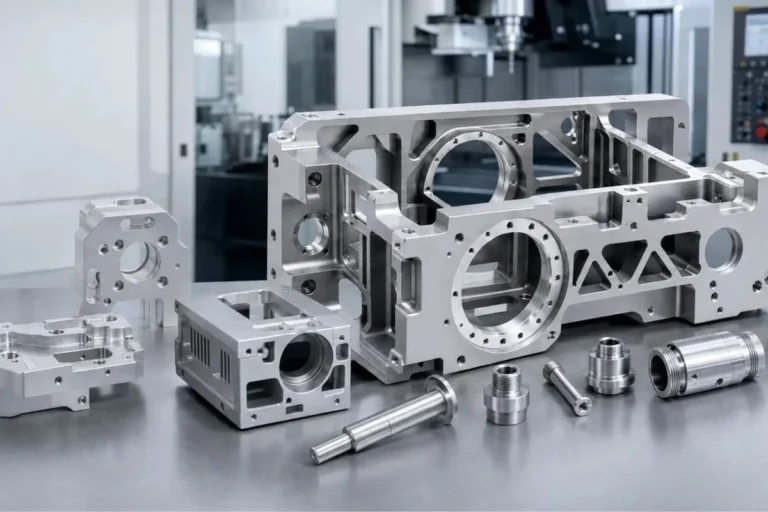
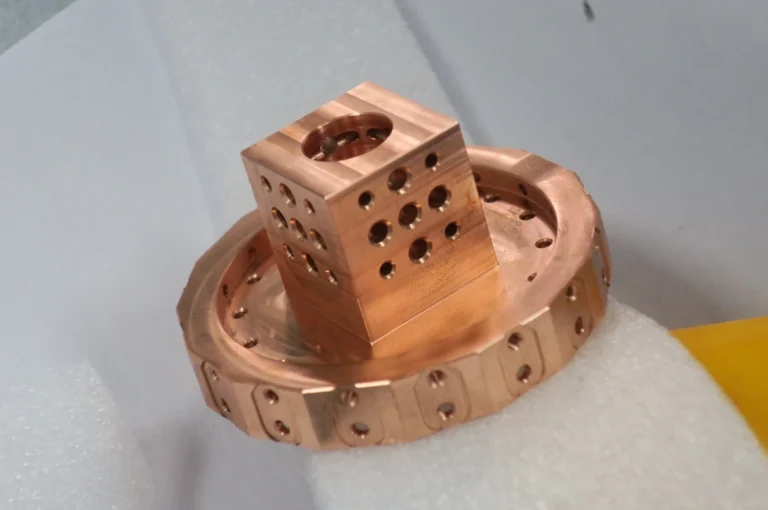
Aluminum CNC Machining for Medical, Aerospace, Quantum Photonics, and Robotics Parts

Aluminum CNC Machining for Medical, Aerospace, Quantum Photonics, and Robotics Parts

Aluminum CNC machining is widely used when engineers need lightweight, corrosion-resistant, dimensionally accurate components without the tooling investment required for casting. The process supports prototypes, low-volume builds, and repeat production while allowing critical holes, bearing seats, optical interfaces, sealing surfaces, threads, and complex three-dimensional features to be produced directly from CAD data. For medical equipment,…

Copper CNC Machining: Grades, Processes, and Best Practices

Copper CNC Machining: Grades, Processes, and Best Practices

Copper’s excellent electrical and thermal conductivity, corrosion resistance, and ductility make it valuable in electronics, automotive systems, and medical devices. However, its tendency to deform, produce long chips, and adhere to cutting tools can affect accuracy and surface finish. This guide explains how copper CNC machining uses suitable tooling, cutting parameters, cooling, and process control…

1566 Steel Machining: Properties, Heat Treatment and Applications

1566 Steel Machining: Properties, Heat Treatment and Applications

SAE/AISI 1566 is a high-carbon manganese steel selected for components that require a practical balance of hardness, strength, wear resistance, fatigue performance, and toughness. With approximately 0.60–0.71% carbon, the material can achieve high surface hardness after suitable quenching and tempering. Typical applications include springs, shafts, pins, blades, agricultural equipment parts, wear components, and precision parts…

52100 Steel Machining: CNC Guide for Precision Bearing Steel Components

52100 Steel Machining: CNC Guide for Precision Bearing Steel Components

52100 steel is a high-carbon chromium bearing steel known for its exceptional hardness, wear resistance, and rolling contact fatigue resistance. Unlike many general alloy steels, it is typically machined in the annealed condition and finished by precision grinding after heat treatment to achieve tight tolerances. This guide covers its material properties, machinability, heat treatment, CNC…

4340 Steel Machining: CNC Machining Guide for High-Strength Alloy Steel

4340 Steel Machining: CNC Machining Guide for High-Strength Alloy Steel

4340 steel combines high strength, toughness, and fatigue resistance, making it suitable for demanding machined components. This guide explains its material properties, machinability, CNC machining methods, heat-treatment considerations, and common applications. 4340 Alloy Steel: Composition, Properties, and Grades   Chemical Composition 4340 alloy steel belongs to the nickel-chromium-molybdenum family of low-alloy steels. Its chemical composition…

End of content

End of content