Which Metal Rapid Prototyping Process Fits OEM Parts?
Geometry, material, tolerance, testing, and documentation determine which metal prototype process fits an OEM part.
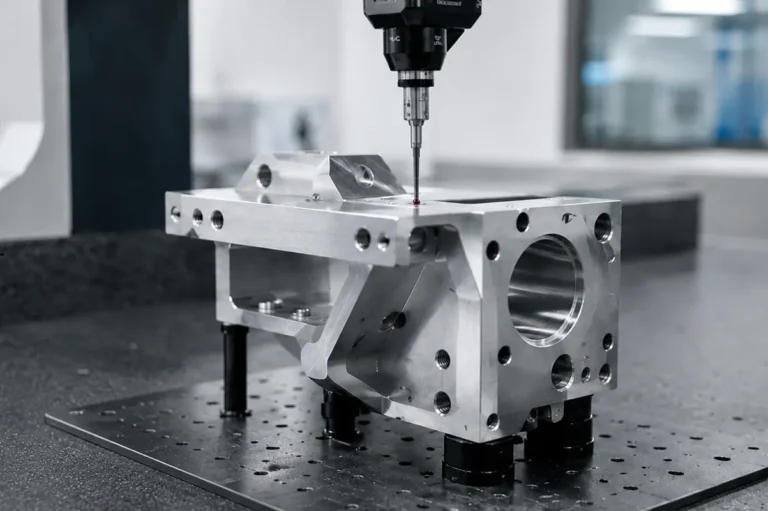
Geometry, material, tolerance, testing, and documentation determine which metal prototype process fits an OEM part.
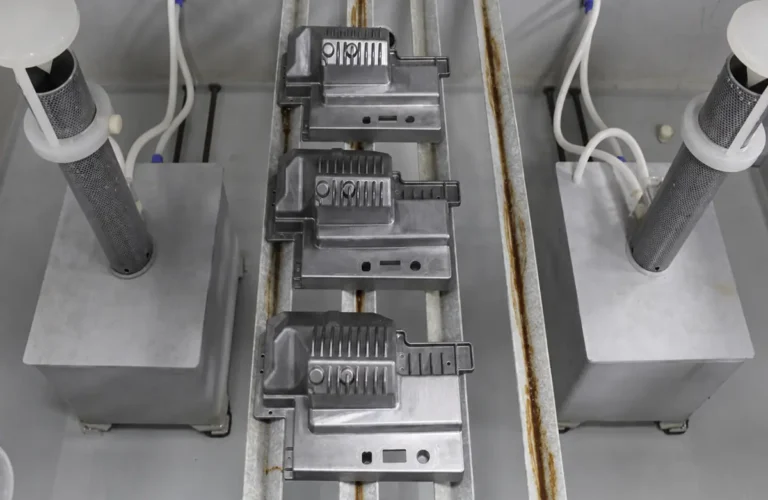
Choosing between MIM and die casting depends on material, geometry, quality risks, tooling, and secondary work as much as annual volume.
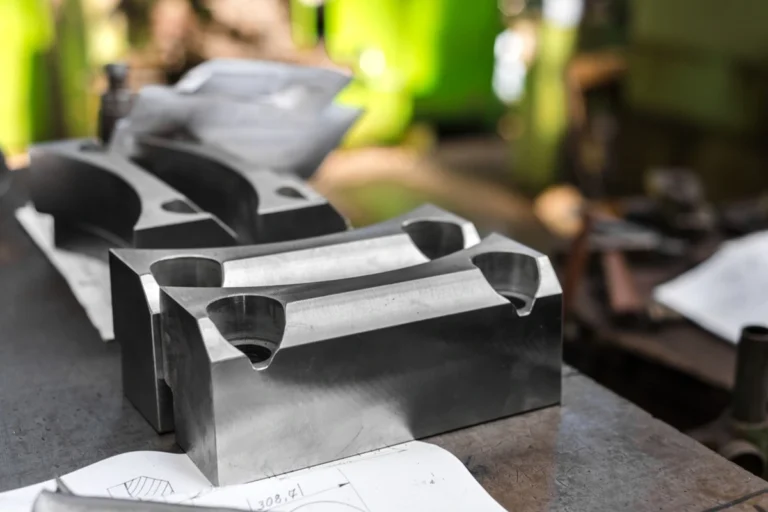
Die casting suits repeatable thin-wall aluminum parts at higher volumes, while sand casting fits larger parts, shorter runs, and designs that need more alloy or heat-treatment flexibility. This guide explains how size, tolerances, tooling, machining, and inspection affect the final process choice.
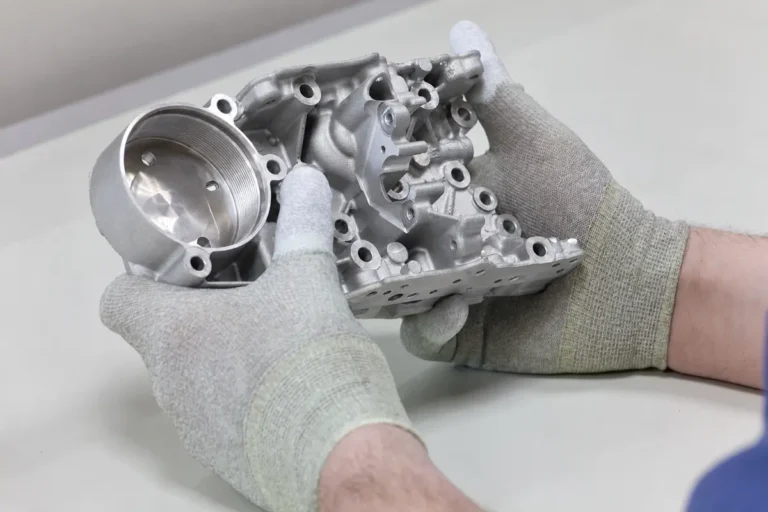
Choose a Zamak grade based on service conditions, part geometry, finishing needs, and approval requirements before tooling.
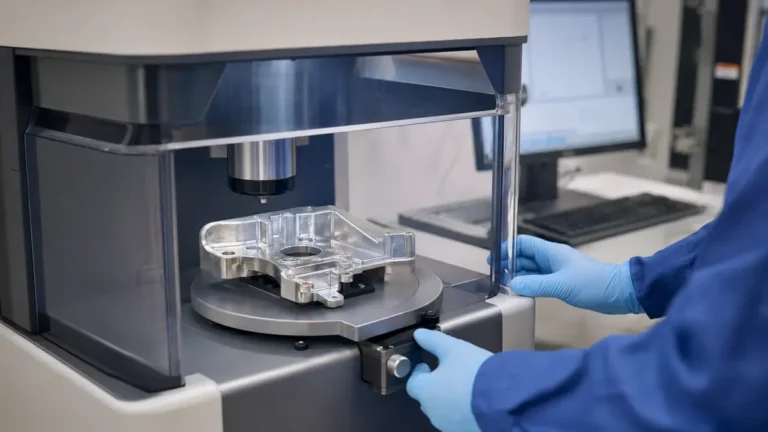
Plated zinc die cast hardware can suffer from blistering, pitting, uneven coating, and corrosion when casting quality, part design, pretreatment, or inspection is poorly controlled. This guide explains how buyers and manufacturers can reduce plating defects from tooling through final inspection.
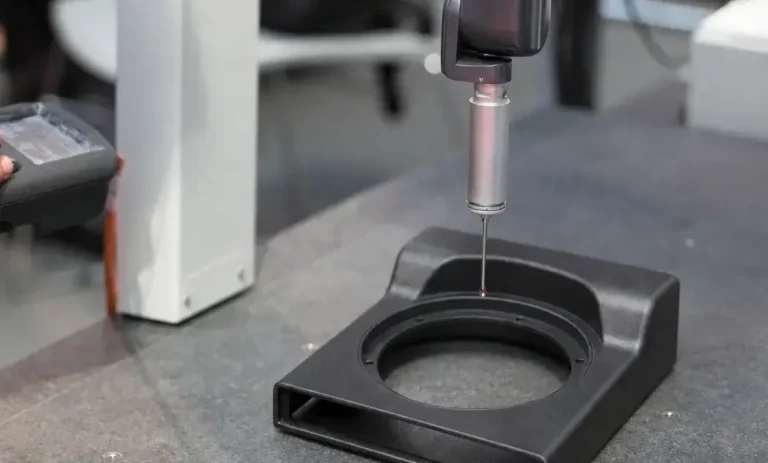
Zinc die casting supports thin walls, fine details, and consistent dimensions. This guide covers key design, tooling, defect control, alloy, machining, and inspection considerations.
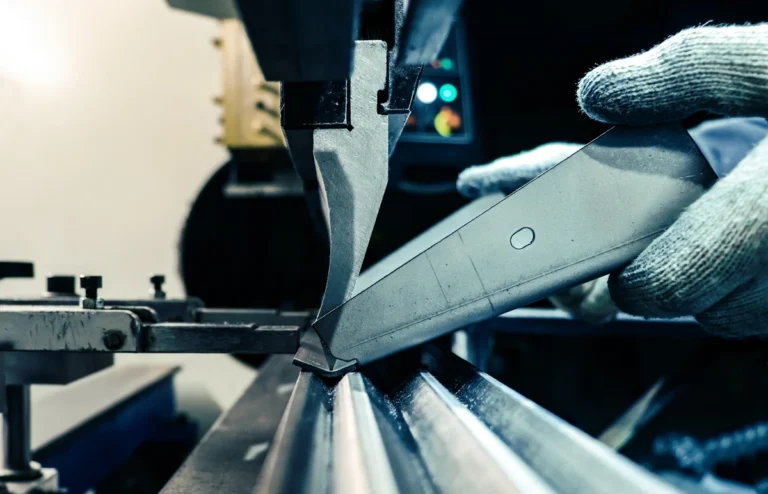
Hot rolled and cold rolled steel may have similar compositions, but their manufacturing processes create clear differences in surface finish, dimensional accuracy, strength, and cost. This guide explains how each type performs and which applications it suits best.

This guide covers CMM setup, coordinate measurement, GD&T evaluation, reporting limits, and when CNC part buyers should request CMM results.

Porosity, cracks, poor fusion, burn-through, and distortion can affect weld strength, sealing, or part fit. This guide covers process control, inspection, acceptance criteria, and repair records.
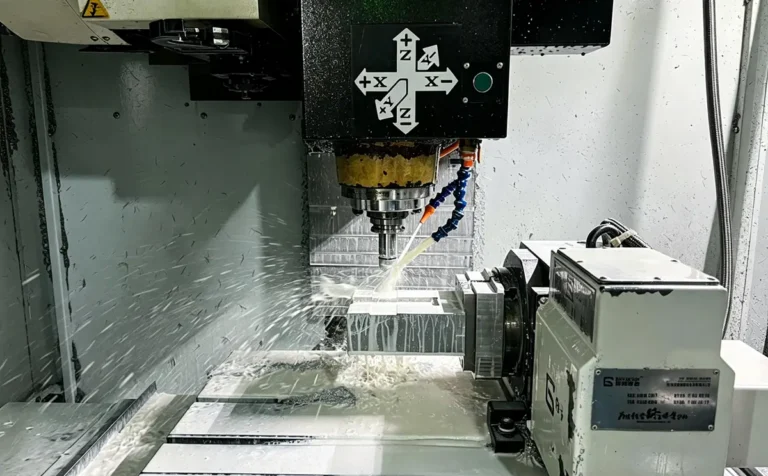
Grade 5 titanium cuts weight, while 316L stainless steel offers higher stiffness and usually lower machining costs. Compare corrosion, tooling, tolerances, and part fit.
End of content
End of content