Ferrous vs Non-Ferrous Metals: Differences, Examples, and Manufacturing Uses
This guide helps engineers choose between ferrous and non-ferrous metals by matching alloy grade to part performance and production needs.

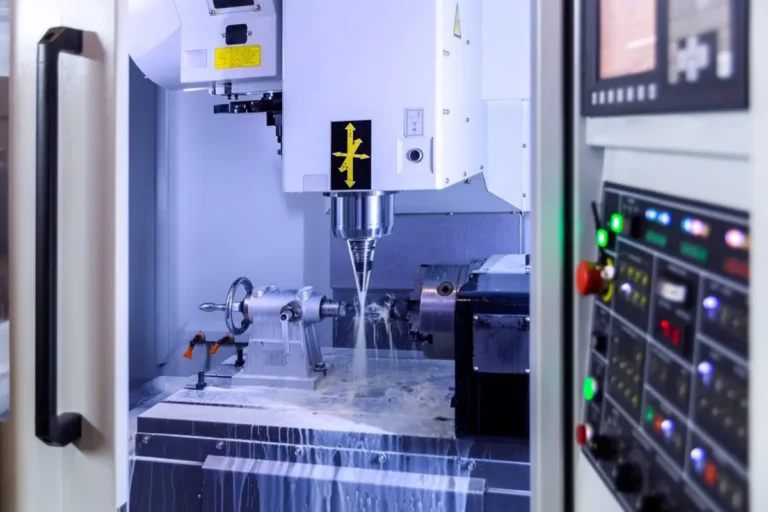
This guide helps engineers choose between ferrous and non-ferrous metals by matching alloy grade to part performance and production needs.

See how end mills, drills, taps, thread mills, and turning inserts affect CNC part design, tool access, inspection, and production risk.

This guide compares cast aluminum and machined aluminum by part shape, production volume, tolerance, finish, and sourcing risk.

Learn how 6061, 7075, 2024, 5052, and 6063 aluminum compare for CNC machining, forming, finishing, and inspection needs.

This guide compares CNC machining and injection molding for plastic parts, showing when each process fits cost, lead time, volume, tolerance, and tooling risk. Use this comparison to choose between machined prototypes, bridge parts, and molded production parts.

A practical buyer guide to urethane casting, covering process steps, resin choices, part quality checks, and when to use it for prototypes or low-volume parts.

STEP and STL files serve different manufacturing needs. This guide explains when to send STEP, when STL is enough, and how the wrong file can slow quotes or weaken DFM review.
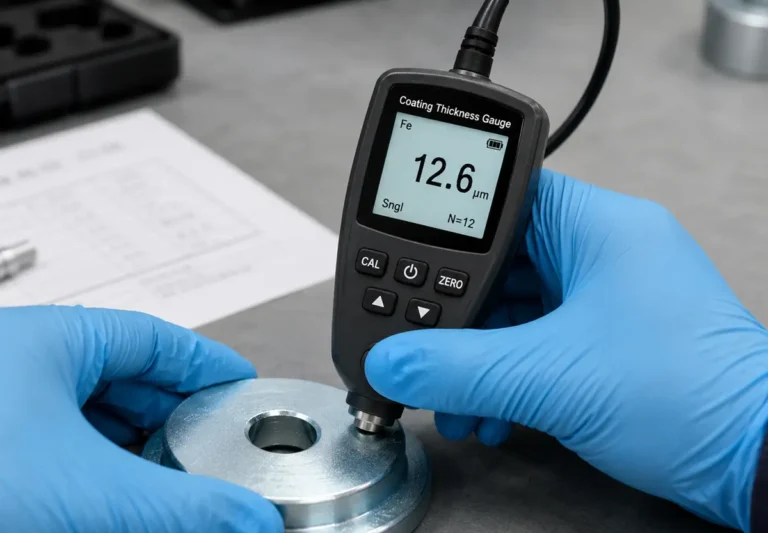
Learn how zinc plating affects CNC steel parts, including coating thickness, thread fit, masking, passivation, and inspection checks before production.
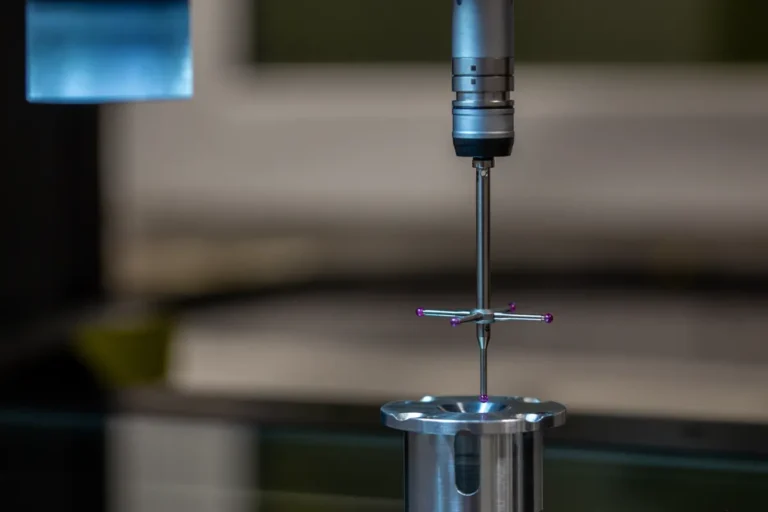
A buyer-focused checklist for reviewing FAI reports, CNC inspection results, traceability records, and production release risks.
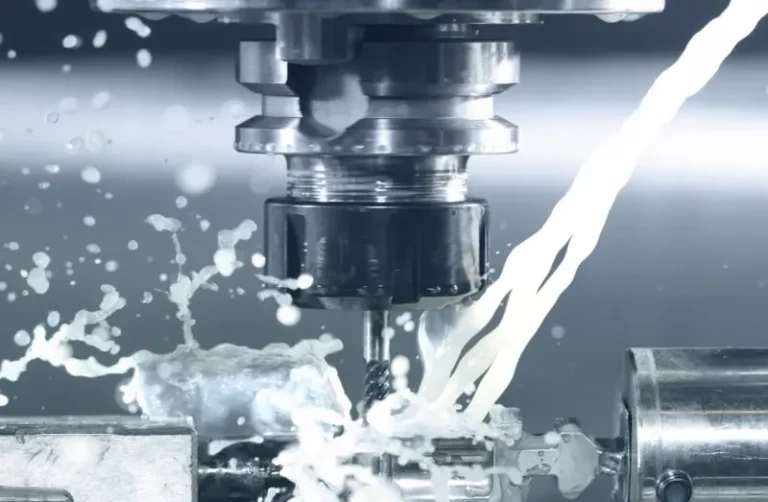
Casting shrinkage can create hidden voids, sink marks, and machining risk. This guide shows the DFM checks that help keep cast parts usable.
End of content
End of content