Low Volume Manufacturing: Choosing a Process for Small Production Runs
Compare CNC machining, sheet metal fabrication, 3D printing, and vacuum casting for low volume manufacturing, with a focus on part requirements and total batch cost.
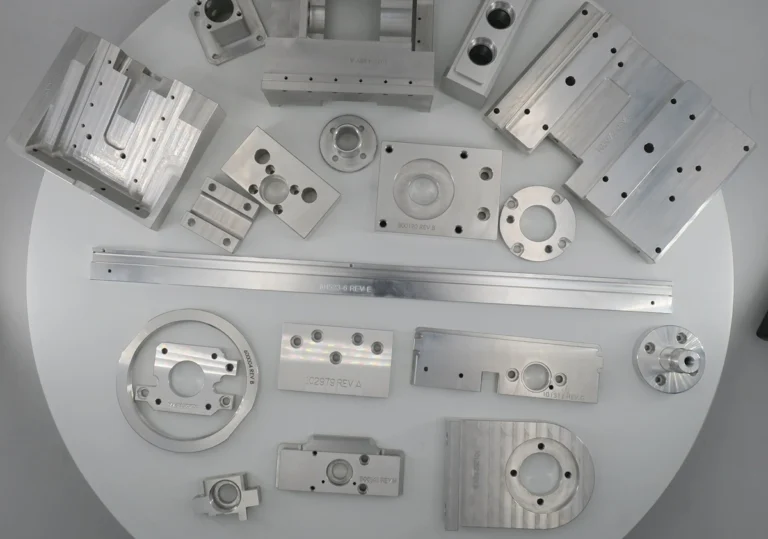
Compare CNC machining, sheet metal fabrication, 3D printing, and vacuum casting for low volume manufacturing, with a focus on part requirements and total batch cost.
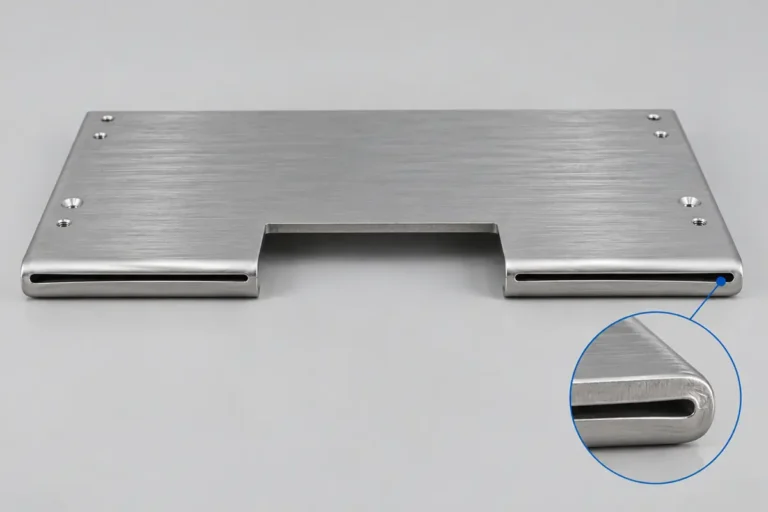
Choose a hem profile for sheet metal panels and enclosures, with guidance on return length, gaps, tooling clearance, and visible-edge finish.
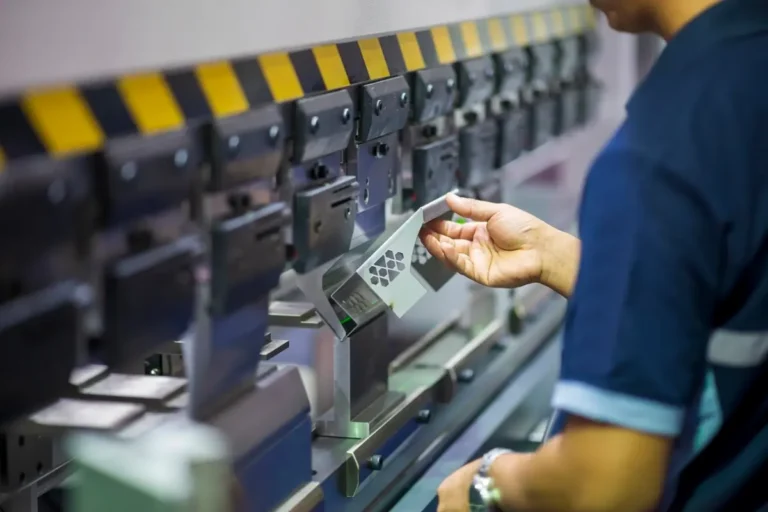
A sheet metal box needs room for both the installed equipment and the path used to remove it. Review shell layouts, bend access, corner seams, and finished lid clearance before releasing the box and lid drawings together.
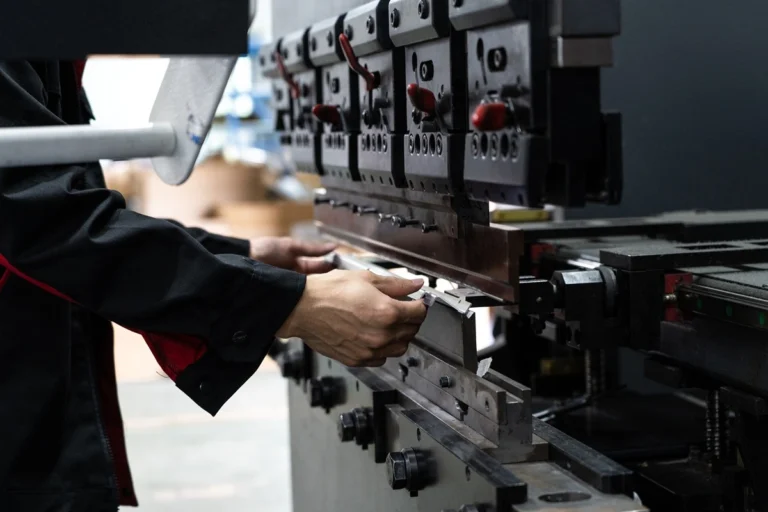
A practical guide to sizing and placing bend reliefs in sheet metal brackets and enclosures. Learn how bend zones affect relief depth and what to check around mounting holes and corner joints.
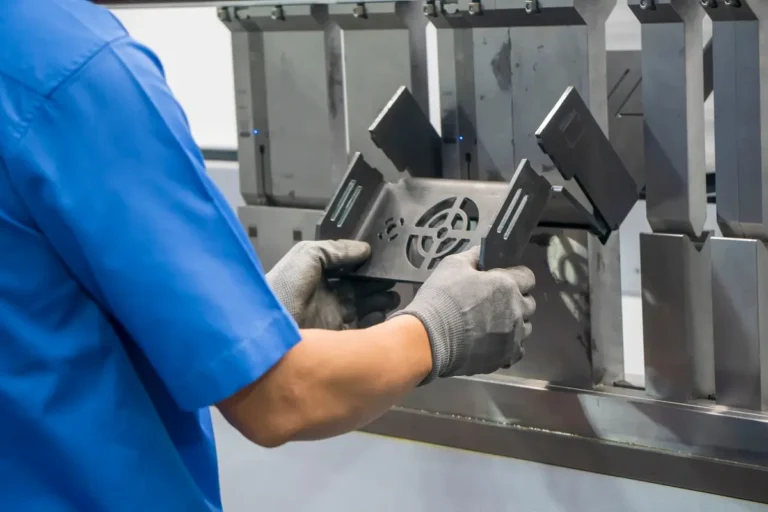
Compare bend radius guidance for aluminum and stainless steel, and see how tooling and radius changes affect part clearance and flat patterns.
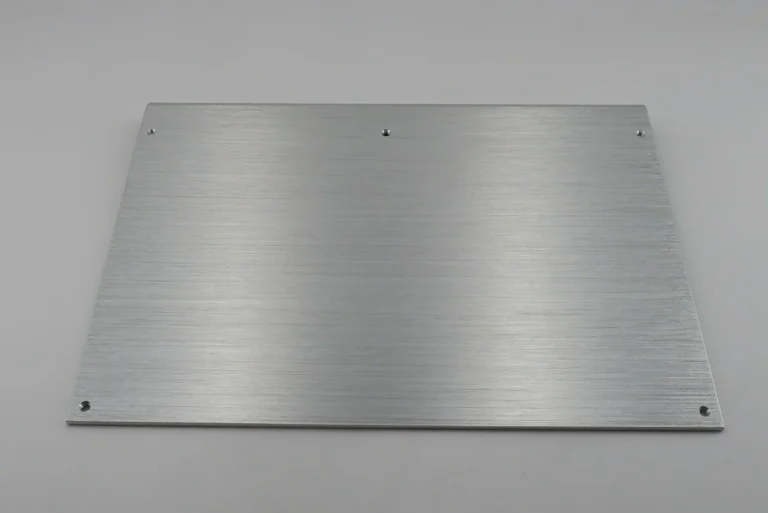
Choose between 3003 and 5052 aluminum by considering the finished part’s forming and service requirements. This guide explains strength versus stiffness, temper-dependent bend limits, and the fabrication details to confirm for panels, brackets, and enclosures.
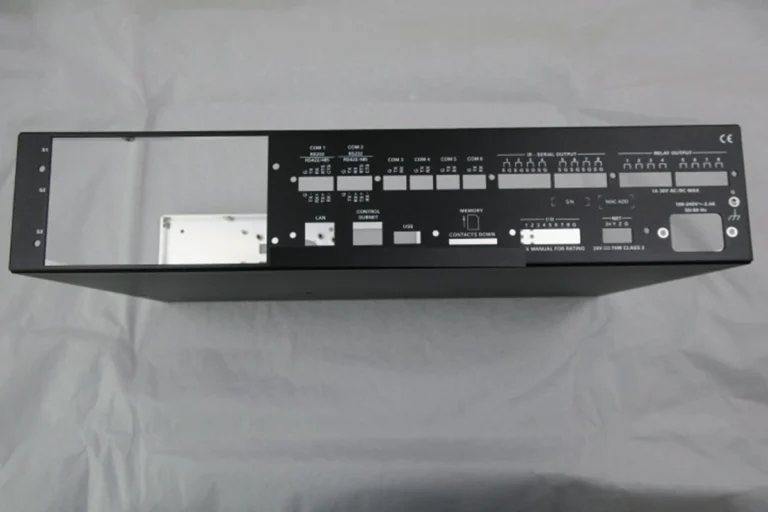
Choose finishes for aluminum, stainless steel, and carbon steel, with practical checks for edge condition, appearance, masking, grounding, and finished dimensions.
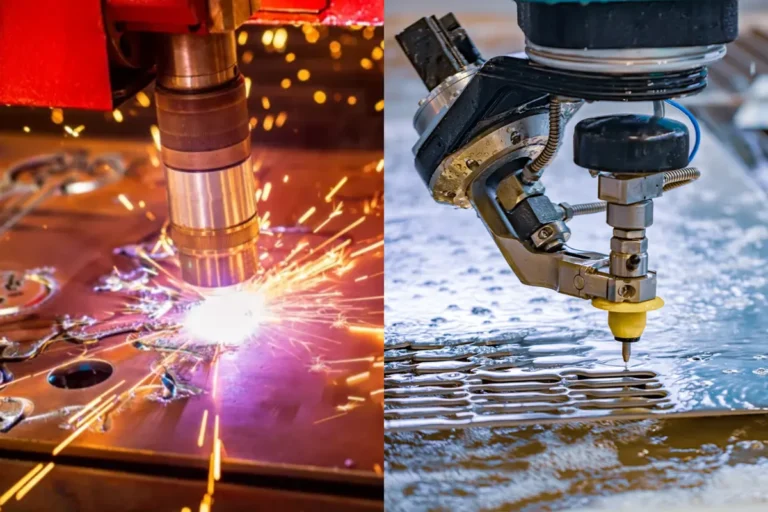
Choose between waterjet and laser cutting for metal parts, accounting for heat limits, edge requirements, and any finishing or machining needed after cutting.
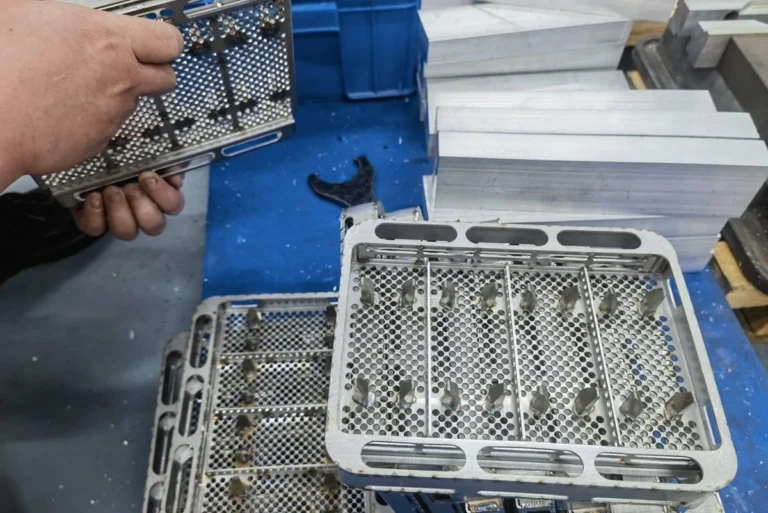
Plan sheet metal assemblies around each joint’s function, service needs, and installation sequence, then confirm the design with the manufacturer.
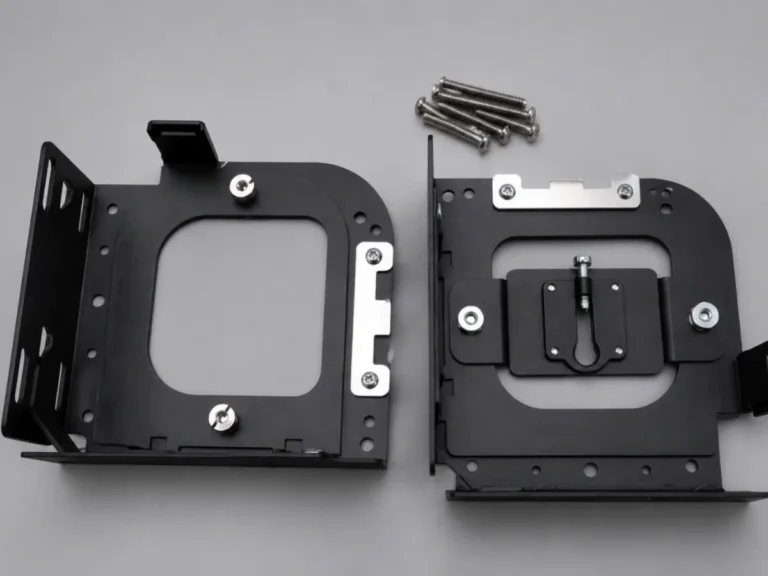
Material use, bend complexity, welded seams, finishing, and order quantity explain why custom enclosure quotes differ.
End of content
End of content