What is Wire EDM? When to Choose It for Your Project

What is Wire EDM? When to Choose It for Your Project

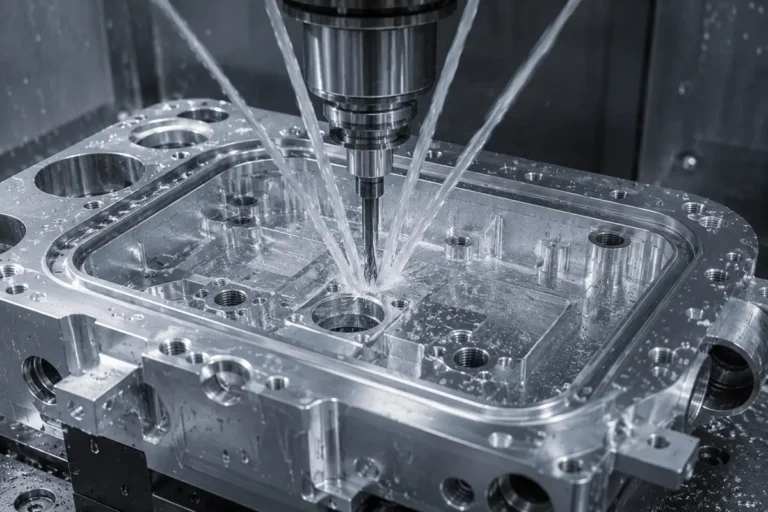
Wire Electrical Discharge Machining (Wire EDM) is a non-contact manufacturing process that uses a thin, electrically charged wire to cut conductive metals. According to Thomasnet, this process routinely holds tolerances of ±0.0002 inches (±0.005 mm) regardless of material hardness. This guide covers how Wire EDM works, the materials it cuts, its main pros and cons,…

MIG vs TIG Welding: How to Choose the Right Method

MIG vs TIG Welding: How to Choose the Right Method

According to the 2024 Bureau of Labor Statistics, over 424,000 welders work across the U.S. MIG and TIG dominate this massive industry. These two electric arc processes use shielding gas to melt and join metals, but their specific techniques, travel speeds, and final weld qualities dictate entirely different use cases. Using the wrong welding method…

Sheet Metal Fabrication Design: A Comprehensive Guide

Sheet Metal Fabrication Design: A Comprehensive Guide

Sheet metal fabrication turns flat sheets into functional components and parts. The process uses laser cutting, shearing, punching, stamping, bending, and welding to achieve precise geometries. Manufacturers and engineers rely on these techniques to obtain high accuracy, structural integrity, and efficiency in large-scale production.

Exploring the Benefits of Precision Machining Services
|

Exploring the Benefits of Precision Machining Services

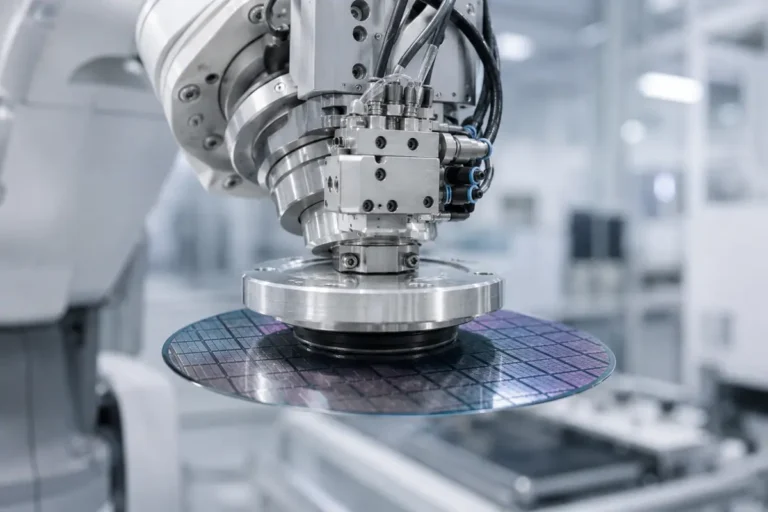
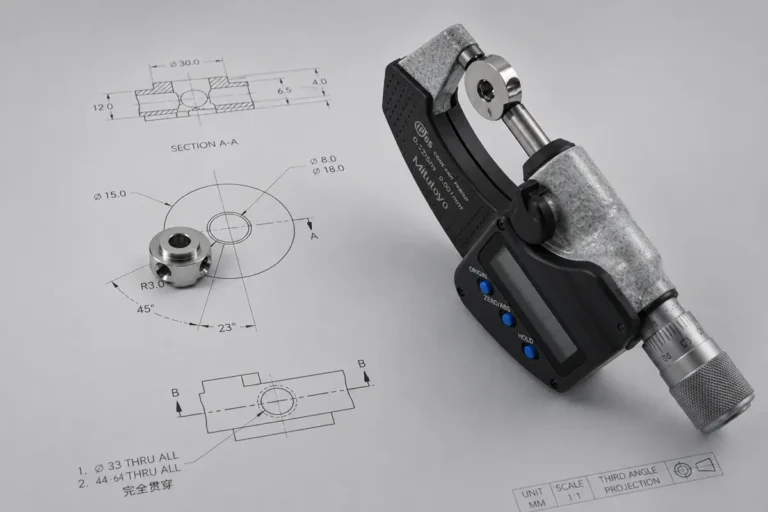
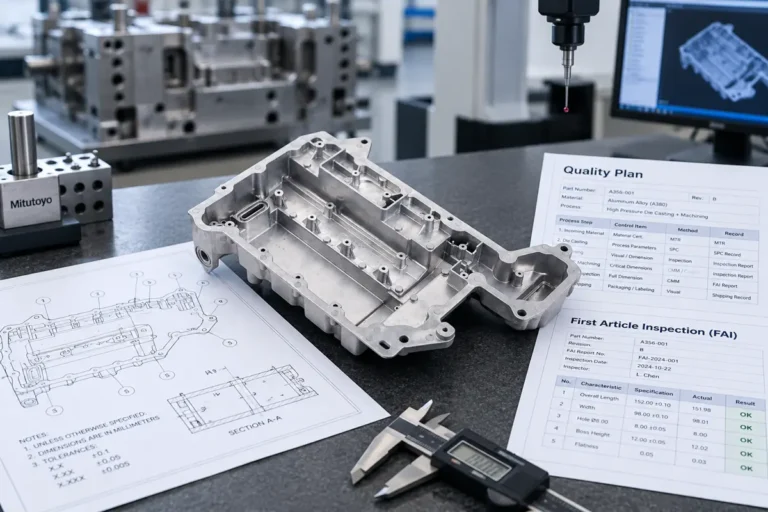
One enduring criterion characterizes modern manufacturing: its accuracy. Industries rely on precision custom components that function flawlessly under extreme conditions, whether they are micro machined parts, micro-connectors, medical precision components, life-saving medical implants, aerospace precision components , or jet engine components. There, the foundation of innovative production is Precision Machining Services.

What Does CNC Stand for In Machining
|

What Does CNC Stand for In Machining

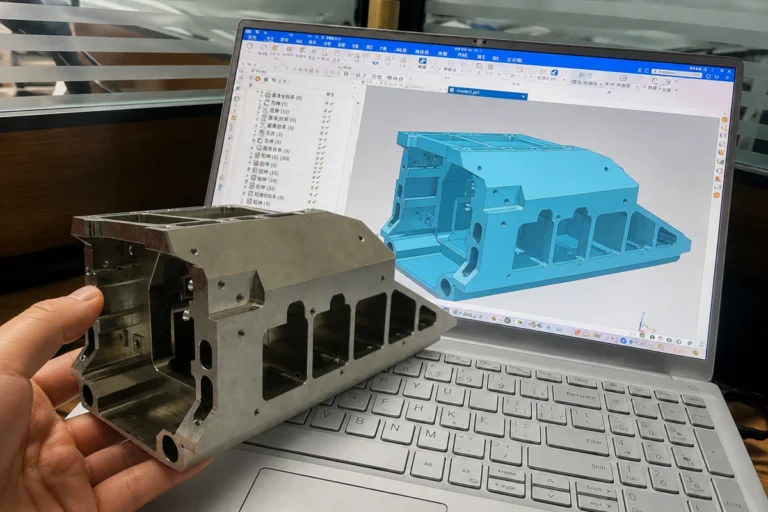
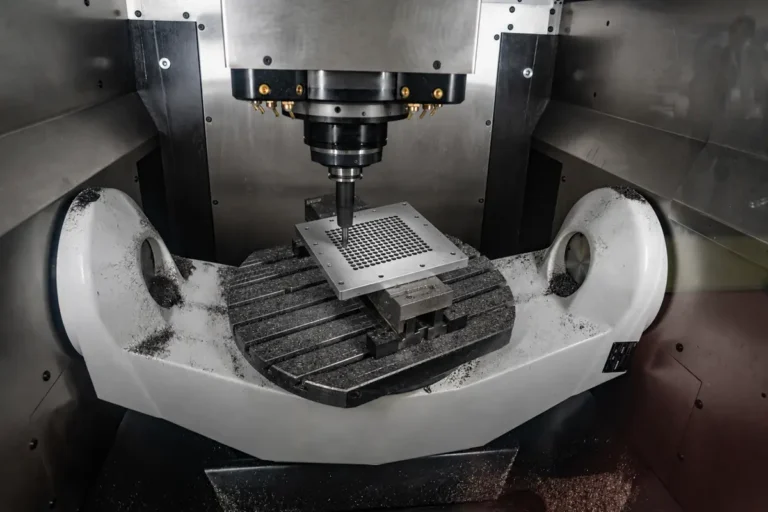
CNC stands for Computer Numerical Control, and it marks a fundamental shift in the way machining is performed. Instead of relying on hand-operated tools, CNC uses coded instructions to guide every step of the process. Programmed commands define movements, spindle speeds, and tool paths, eliminating guesswork and delivering a level of precision that manual setups cannot match.

End of content

End of content