Alloy Steel CNC Machining Services for High Strength Custom Parts

Alloy Steel CNC Machining Services for High Strength Custom Parts

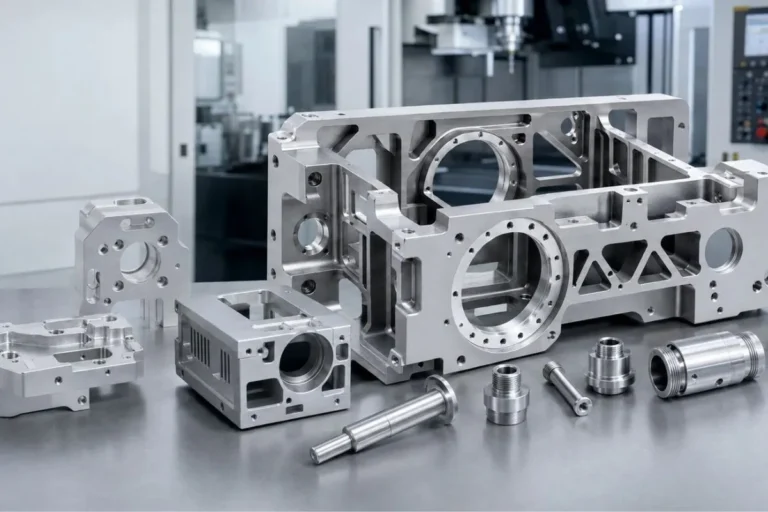
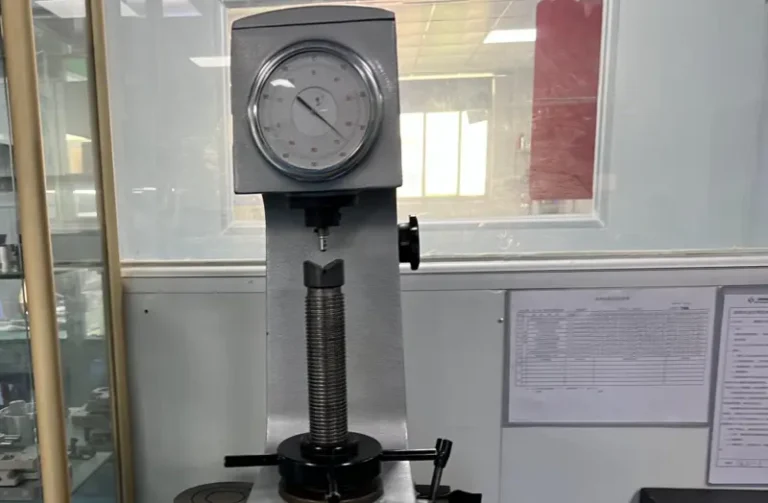
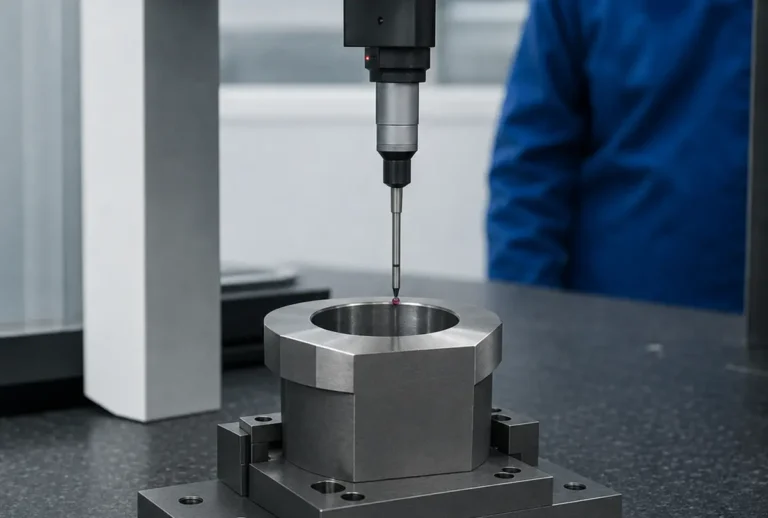
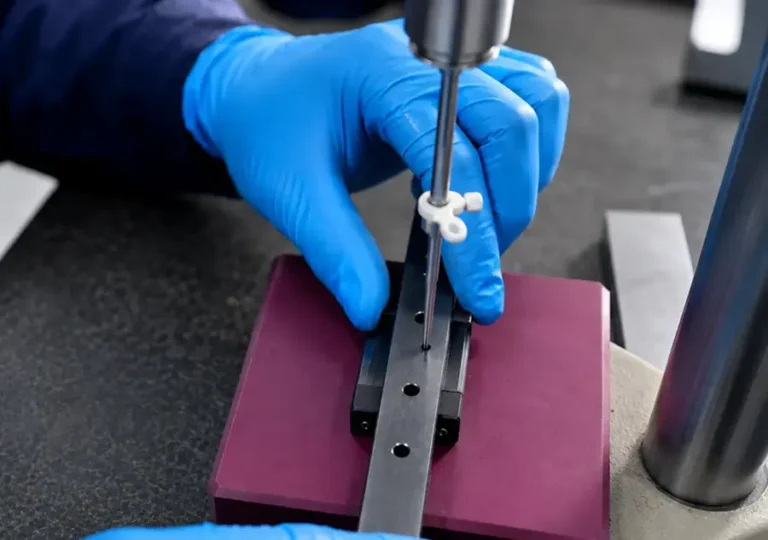
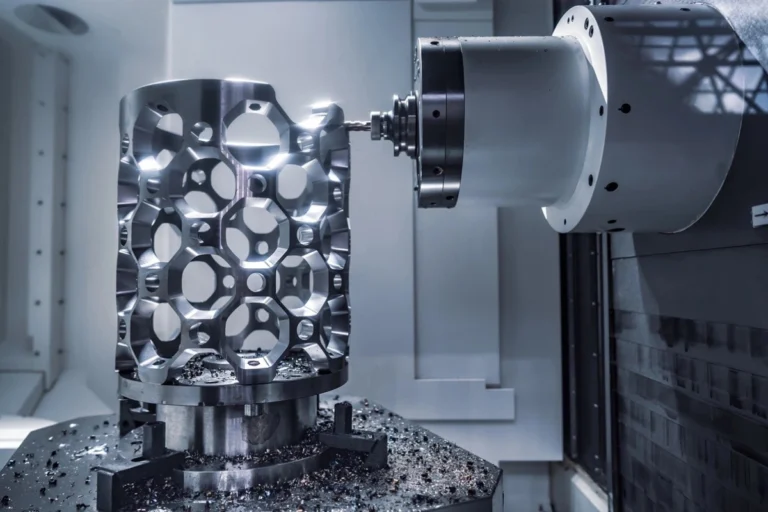
Rollyu Precision provides precision alloy steel CNC machining services for high-strength, wear-resistant, and heat-treated custom parts. We machine 4130, 4140, 4340, 8620, 52100 bearing steel, D2, A2, H13, O1 and other alloy steel materials for aerospace, robotics, automation, semiconductor equipment, motion control systems, energy equipment, medical devices, and industrial machinery. Alloy steel is often selected…

PEEK vs Delrin: Which Material Is Better for CNC Machined Parts

PEEK vs Delrin: Which Material Is Better for CNC Machined Parts

PEEK and Delrin are two popular engineering plastics used in CNC machined components. Although they may appear similar, they serve different operating requirements and design goals. This article compares their properties, machining characteristics, costs, and applications to help you choose the right material.   Understanding the Materials   What Is PEEK PEEK (Polyether Ether Ketone)…

PEEK CNC Machining: Properties, Challenges, and Applications

PEEK CNC Machining: Properties, Challenges, and Applications

PEEK has become one of the most widely specified engineering plastics in industries where conventional materials can no longer meet design requirements. As equipment becomes smaller, lighter, and more complex, engineers are increasingly replacing metal components with high-performance polymers in selected applications. At the same time, manufacturing PEEK components is very different from machining common…

Minimizing Deformation in POM (Delrin) Machining: A Comprehensive Technical Guide

Minimizing Deformation in POM (Delrin) Machining: A Comprehensive Technical Guide

Engineers love Delrin (POM) for its ‘plastic steel’ properties, but machining it to tight tolerances is notoriously difficult due to its tendency to deform. At Rollyu Precision, we don’t just cut plastic; we manage its internal stresses. By implementing a rigorous set of internal controls, we consistently hold tolerances within 0.05mm, ensuring part stability from the first prototype to…

POM (Delrin) Material Properties, Strength, Machining, and Applications

POM (Delrin) Material Properties, Strength, Machining, and Applications

POM, also known as Delrin or Polyoxymethylene, is one of the most commonly used engineering plastics in modern manufacturing. This thermoplastic is widely applied in components and manufacturing products because it combines reliable processing capability with balanced material characteristics. Today, these materials can be found in automotive, electronics, medical, and equipment manufacturing.   What Is…

Delrin Machining Services: Acetal (POM) Properties, Tolerances & Machined Parts

Delrin Machining Services: Acetal (POM) Properties, Tolerances & Machined Parts

In the world of precision manufacturing, Acetal—scientifically known as Polyoxymethylene (POM) and widely recognized as Delrin polyacetal—occupies a unique position. Frequently described as the “bridge between plastics and metals,” polyacetal delrin is a high-performance thermoplastic engineered for high-load mechanical applications where commodity plastics fail. This guide provides a technical deep dive into acetal machining, covering everything from the melting…

Brass CNC Machining: Processes and Applications

Brass CNC Machining: Processes and Applications

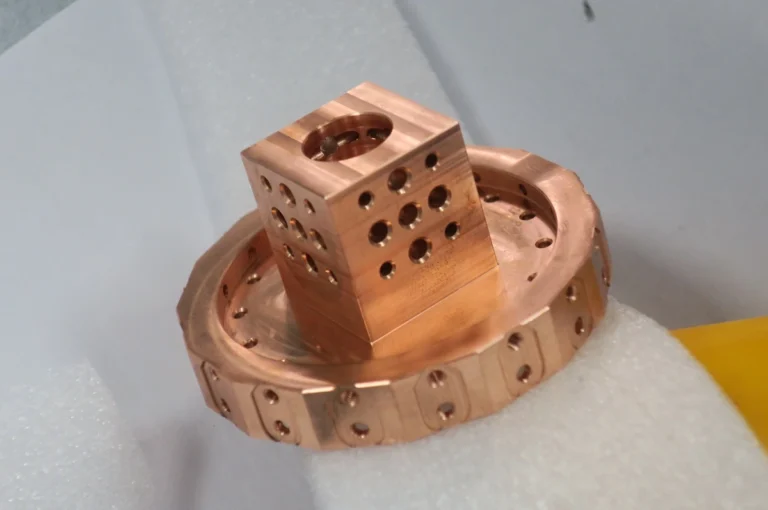
Copper alloys used for CNC production are often selected for their fast cutting speeds, efficient chip control, and consistent machining quality. Among them, brass remains a common choice for fittings, electrical hardware, valves, and decorative industrial components.   What Is Brass   Brass is a copper-zinc alloy used for industrial hardware, fluid system components, electrical…

Tapping Delrin: How to Create Durable Threads in Machining Delrin

Tapping Delrin: How to Create Durable Threads in Machining Delrin

When machining high-performance engineering plastics, Delrin (POM) stands out for its excellent machinability. But a common question our engineers at Rollyu Precision receive is: “Can you tap Delrin, and will the threads hold up?” The short answer is yes, but if your part requires high load-bearing capacity or frequent disassembly, a standard tapped hole might not be enough.  …

Bronze vs Brass Machining: How to Choose the Right Alloy for Your CNC Parts

Bronze vs Brass Machining: How to Choose the Right Alloy for Your CNC Parts

Brass and bronze look remarkably similar, but on the CNC machine, they behave worlds apart. Understanding bronze vs brass machining is crucial for optimal production. At Rollyu Precisio, we machine thousands of these copper alloy parts annually. This guide reveals their key machining difference s to ensure your project’s success.   What is the Difference Between Brass and…

Phosphor Bronze vs Aluminum Bronze

Phosphor Bronze vs Aluminum Bronze

Phosphor bronze and aluminum bronze are both copper-based alloys, but they are designed for different engineering applications. Phosphor bronze is mainly used for conductivity and fatigue resistance, while aluminum bronze is preferred for strength, wear resistance, and corrosion resistance   Quick Comparison: Phosphor Bronze vs Aluminum Bronze   Property Phosphor Bronze Aluminum Bronze Electrical Conductivity…

End of content

End of content