SAE/AISI 1566 is a high-carbon manganese steel selected for components that require a practical balance of hardness, strength, wear resistance, fatigue performance, and toughness. With approximately 0.60–0.71% carbon, the material can achieve high surface hardness after suitable quenching and tempering.
Typical applications include springs, shafts, pins, blades, agricultural equipment parts, wear components, and precision parts used in food and pharmaceutical packaging machinery. However, successful 1566 steel machining requires careful control of the starting material condition, machining sequence, heat treatment, dimensional allowance, grinding, and final inspection.
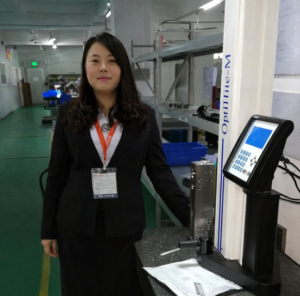
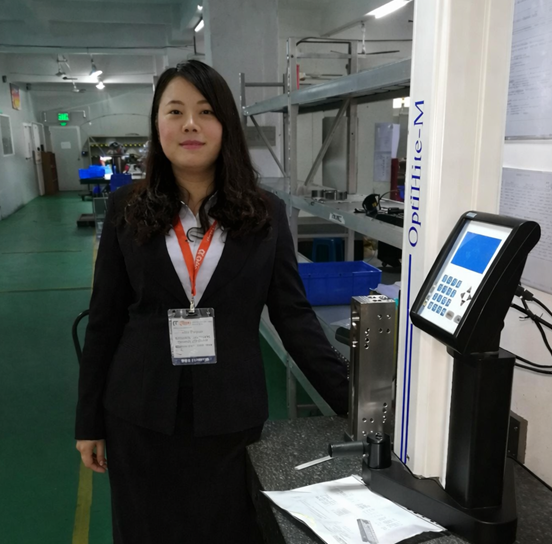
Rollyu Precision supports custom AISI 1566 components from drawing review and process planning through CNC machining, heat-treatment coordination, precision grinding, polishing, dimensional verification, and production delivery.
What Is AISI 1566 Steel?
AISI 1566, also identified as SAE 1566 or UNS G15660, belongs to the 15xx family of carbon steels. Compared with comparable 10xx carbon steels, 15xx grades generally contain additional manganese to improve strength and hardenability.
AISI 1566 contains nominally 0.66% carbon and 0.85–1.15% manganese. Its carbon content allows the steel to develop high hardness and wear resistance, while manganese improves strength and supports the response to heat treatment.
It is not a stainless steel, corrosion-resistant alloy or high-temperature steel. Its performance depends heavily on material condition and heat treatment. The material may be supplied in hot-rolled, annealed, normalized, cold-worked, or quenched-and-tempered conditions.
AISI 1566 Standards and Designations
| Designation | Description |
| SAE/AISI grade | 1566 |
| UNS designation | G15660 |
| Steel family | High-carbon manganese steel |
| Common chemistry reference | SAE J403 |
| Possible ASTM product specifications | ASTM A29/A29M, ASTM A510/A510M, or another applicable product standard |
“AISI 1566” describes the grade, while an ASTM specification normally defines the product form, dimensional requirements, testing, tolerances, and ordering conditions. The material should not simply be specified as “ASTM 1566” without identifying the applicable product specification.
What Forms of AISI 1566 Are Available?
Availability depends on the mill, distributor, dimensions, quantity, delivery condition, and regional supply chain.
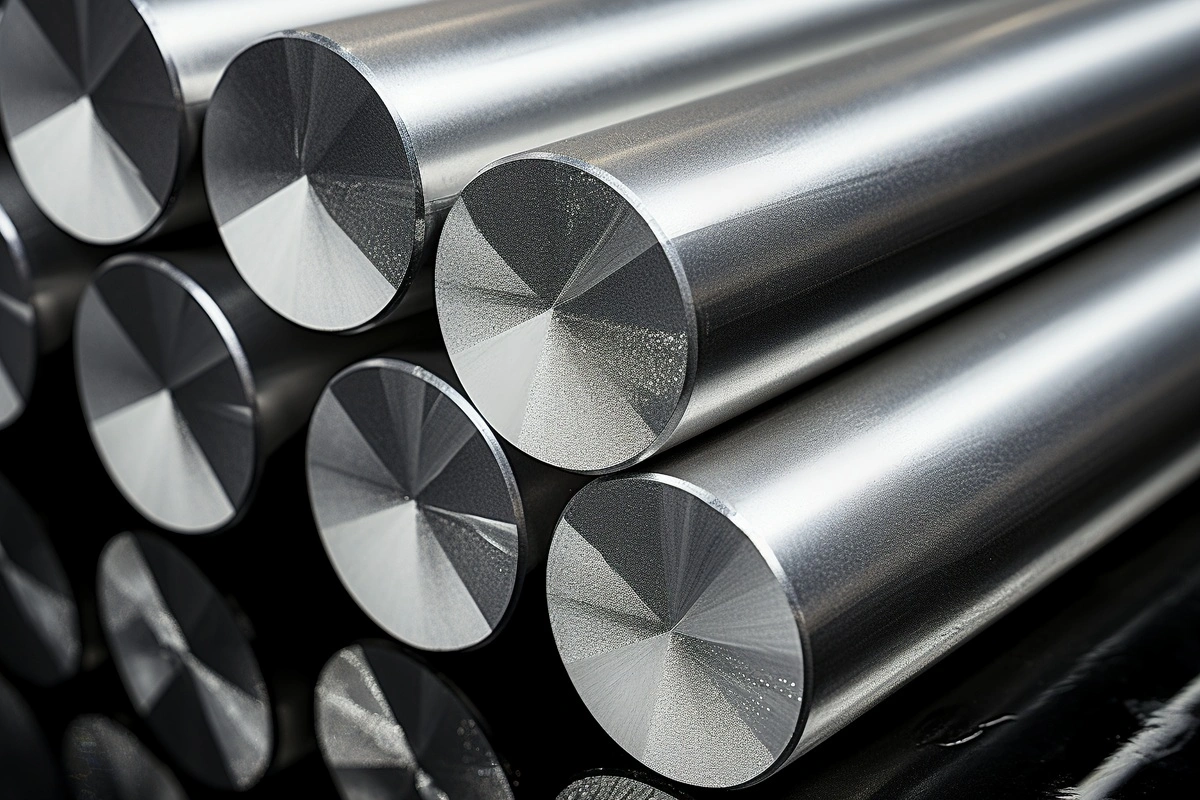
Common raw-material forms
- Round bar
- Flat bar
- Plate
- Sheet and strip
- Wire and rod
- Forged blanks
- Cold-drawn bar
- Customer-specified preforms
For precision parts, the purchase order should define the required grade, product form, material condition, dimensions, heat or lot traceability, and certification requirements.
Custom AISI 1566 parts manufactured by Rollyu
- Folding head shafts
- Carrier slide shafts
- Ejector pin shuttles
- Guide shafts and precision pins
- Wear-resistant machine parts
- Packaging equipment components
- Cutting and shearing parts
- Spring components
- Custom mechanical components
Bolts, valves, flanges, pipe fittings and instrument fittings can only be evaluated as custom components. AISI 1566 is not normally the first material choice for corrosion-sensitive piping systems, valves, or general-purpose flanges.
AISI 1566 Chemical Composition
The following composition is commonly specified for SAE/AISI 1566, UNS G15660.
| Element | Typical specified content |
| Carbon, C | 0.60–0.71% |
| Manganese, Mn | 0.85–1.15% |
| Phosphorus, P | 0.040% maximum* |
| Sulfur, S | 0.050% maximum |
| Iron, Fe | Balance |
*Some references or purchasing specifications may apply a lower phosphorus limit. The applicable standard revision, product specification, and material certificate take priority.
The carbon content provides the potential for high hardness after heat treatment. Manganese contributes to strength and hardenability. Phosphorus and sulfur are limited because excessive levels can reduce toughness and affect manufacturing performance.
AISI 1566 Physical and Thermal Properties
The figures below are representative engineering values rather than guaranteed acceptance criteria.
| Property | Representative value |
| Density | Approximately 7.85 g/cm³ |
| Elastic modulus | Approximately 190–210 GPa |
| Poisson’s ratio | Approximately 0.27–0.30 |
| Thermal conductivity | Approximately 42–47 W/m·K near ambient temperature |
| Specific heat capacity | Approximately 470–500 J/kg·K |
| Melting range | Approximately 1,370–1,490°C |
Physical and thermal values can vary with temperature, composition, material condition, and the reference method used. Designers should use project-approved material data for thermal expansion, fatigue, pressure, or safety-critical calculations.
AISI 1566 Mechanical Properties
AISI 1566 does not have one universal tensile strength, yield strength, or hardness value. Its mechanical properties vary substantially with material form, delivery condition, heat-treatment parameters, section thickness, final microstructure, and testing method.
- Bar or plate dimensions
- Hot-rolled, annealed, or cold-drawn condition
- Austenitizing temperature
- Quenching medium
- Tempering temperature and time
- Section thickness
- Testing direction and method
After appropriate quenching and tempering, hardness levels around 50–60 HRC may be possible for certain parts, treatment cycles, and section sizes. This range must not be treated as a guaranteed result for every AISI 1566 component.
What the drawing should specify
- Required hardness range and test method
- Test position
- Effective hardened depth, if applicable
- Tensile requirements, when necessary
- Permitted distortion
- Required microstructure or decarburization limit
- Material and heat-treatment certificates
AISI 1566 Heat Treatment
Heat treatment determines the final hardness, wear resistance, toughness, fatigue performance, and dimensional stability of AISI 1566 parts.
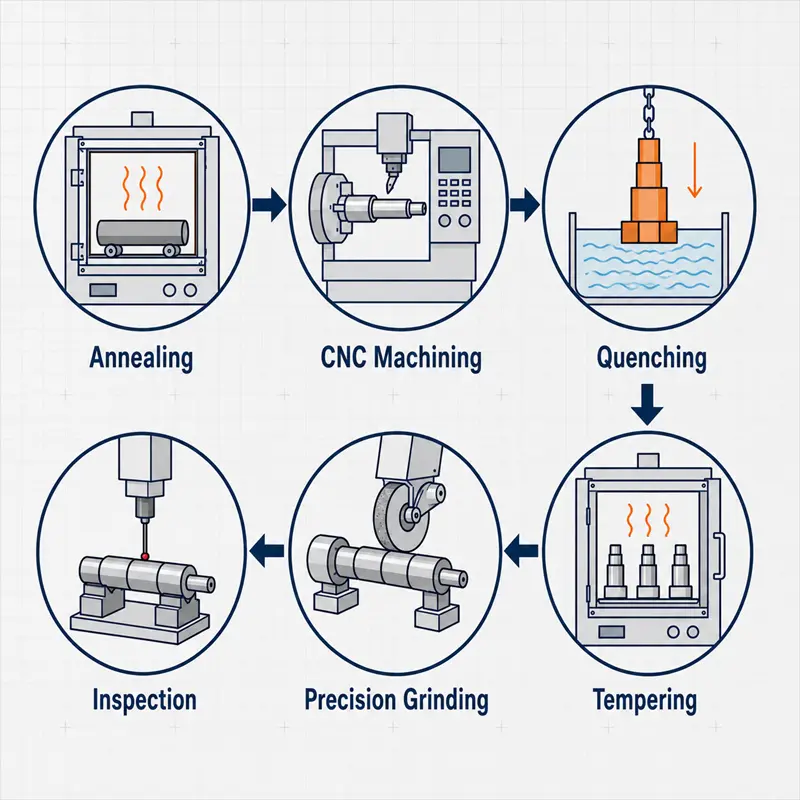
Annealing or spheroidize annealing
Annealing can reduce hardness and improve machinability or formability before machining. For complex CNC parts, machining the material in an annealed or suitably softened condition is generally more practical than attempting heavy machining after hardening. Spheroidize annealing may be considered when improved machinability or subsequent forming is required.
Hardening
AISI 1566 can be austenitized and quenched to create a hard martensitic structure. An engineering starting range around 800–850°C may be considered, but the final temperature, soak time, furnace atmosphere, and quenching medium must be established by a qualified heat-treatment provider.
Oil quenching is often considered when reduced cracking and distortion risk is important. Water or polymer quenching may provide more aggressive cooling but can increase distortion and cracking risk.
Tempering
Tempering is performed after quenching to reduce brittleness and establish the required balance of hardness and toughness. A lower tempering temperature generally retains more hardness, while a higher tempering temperature normally improves toughness at the expense of hardness.
Through hardening and localized hardening
Because AISI 1566 already contains sufficient carbon to form martensite, carburizing is not normally its standard hardening route. Depending on geometry and performance requirements, quenching and tempering, induction hardening, localized hardening, or another controlled-depth process may be considered.
A drawing note such as “CASE HARDEN 0.100 IN. DEEP, 58–60 HRC” should be reviewed carefully. The design team and heat-treatment provider must agree on whether it means effective hardened depth, total hardened depth, induction hardening, or another defined process.
AISI 1566 Machinability
AISI 1566 can be machined successfully, but machinability depends strongly on hardness and starting condition.
Machining in the annealed condition
Machining before hardening is usually the most economical route. CNC turning, milling, drilling, boring, threading, and other operations can be performed with suitable tooling and process control.
- Rigid workholding
- Controlled cutting parameters
- Sharp, wear-resistant tools
- Appropriate cutting fluid
- Stable chip evacuation
- Controlled machining temperature
- Sufficient stock for post-heat-treatment grinding
Carbide tooling is generally suitable for production machining, while coated carbide grades may improve tool life. Tool selection should be based on actual hardness, operation, machine rigidity, and required surface finish rather than one universal recommendation.
Machining after hardening
Once AISI 1566 reaches high hardness, conventional machining becomes significantly more difficult. Final dimensions and surfaces may require CNC grinding, cylindrical or centerless grinding, hard turning, wire EDM, surface grinding, lapping, or polishing.
Controlling distortion
Heat-treatment distortion is a major risk for long shafts, slender pins, thin walls, deep grooves, and parts with uneven cross-sections.
- Balanced stock removal
- Stress relief where appropriate
- Uniform wall thickness and generous internal radii
- Grinding allowance
- Center-hole protection
- Straightness correction strategy
- Inspection before and after heat treatment
Ground and Polished AISI 1566 Components
Grinding and polishing are commonly used when AISI 1566 parts require controlled diameter, straightness, roundness, surface roughness, or low-friction movement.
- Packaging machine shafts
- Sliding shafts
- Guide pins
- Ejector components
- Bearing contact surfaces
- Wear-resistant locating features
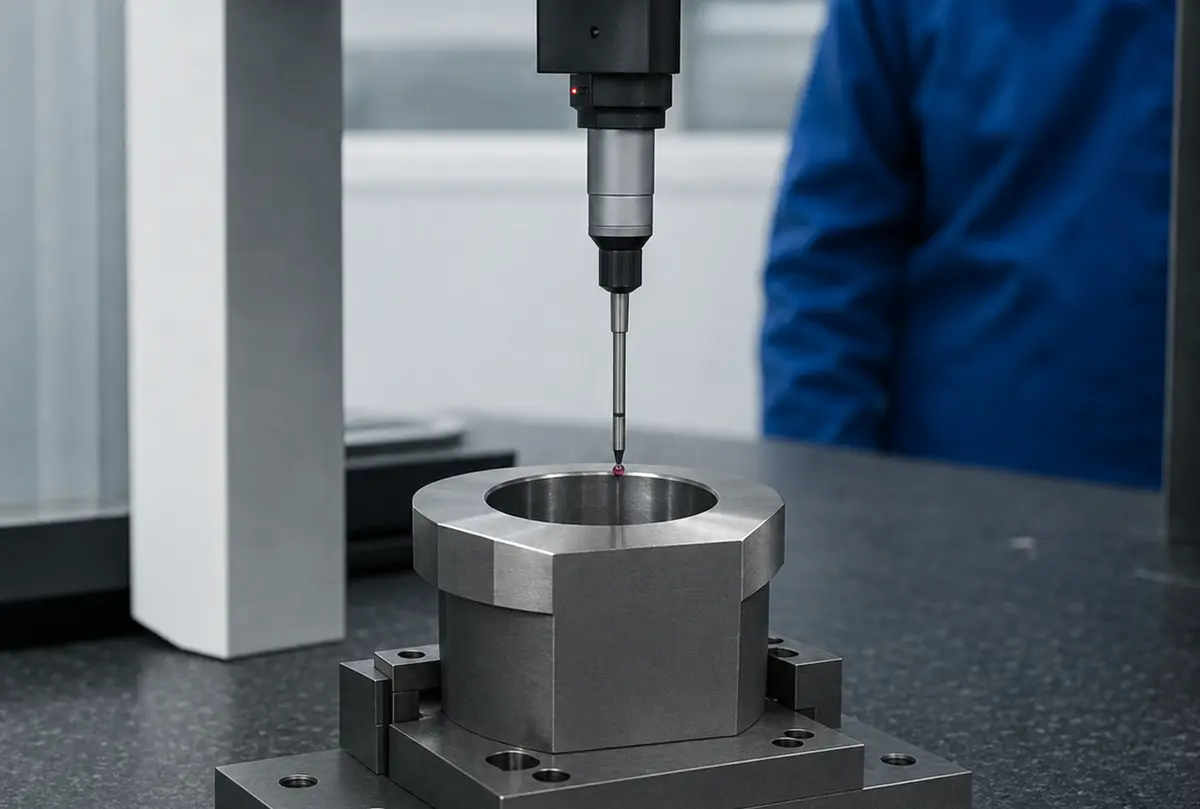
The final inspection plan may include diameter, roundness, cylindricity, straightness, surface roughness, hardness, and visual surface inspection.
AISI 1566 Corrosion Resistance
AISI 1566 has limited inherent corrosion resistance. Its high carbon content does not make it corrosion resistant. Unprotected surfaces can rust when exposed to humidity, water, cleaning chemicals, salt, or condensation.
Possible corrosion-protection methods
- Rust-preventive oil
- Black oxide with oil or sealant
- Phosphate coating
- Zinc or nickel plating when technically suitable
- Paint or another protective coating
- Controlled packaging and dry storage
- Regular cleaning and maintenance
For food and pharmaceutical packaging machinery, material selection must consider cleaning chemicals, washdown conditions, product-contact requirements, coating durability, and contamination risk. Stainless steel may be more suitable where corrosion resistance and cleanability are primary requirements.
Is AISI 1566 Heat Resistant?
AISI 1566 should not be classified as a heat-resistant steel. Although it tolerates elevated temperatures during manufacturing and heat treatment, prolonged high-temperature service can cause tempering and hardness loss, reduced strength, oxidation, dimensional change, and reduced wear performance.
The maximum service temperature cannot be defined by a single generic value. It depends on prior heat treatment, required retained hardness, exposure time, loading, atmosphere, and safety factor. A heat-resistant alloy or suitable tool steel may be a better choice for sustained elevated-temperature service.
AISI 1566 Welding
AISI 1566 is difficult to weld because its relatively high carbon content increases the risk of a hard, brittle heat-affected zone and hydrogen-assisted cracking.
Potential welding risks
- Hydrogen cracking
- Heat-affected-zone cracking
- Loss of local mechanical properties
- Residual stress
- Distortion
- Inconsistent hardness
When welding cannot be avoided
- Complete a formal weldability review
- Use preheat and low-hydrogen consumables as required
- Control heat input and interpass temperature
- Apply slow, controlled cooling
- Consider post-weld heat treatment
- Perform final hardness and crack inspection
Critical components should be welded to a qualified procedure. Redesigning the part as a one-piece machined component or selecting a more weldable steel may be safer and more economical.
Typical AISI 1566 Applications
AISI 1566 is used where strength, hardness, wear resistance, elasticity, or fatigue resistance is more important than corrosion resistance or easy welding.
Industrial application areas
- Industrial and packaging machinery
- Agricultural equipment
- Automotive and heavy vehicles
- Railway components
- Cutting and hand tools
- General manufacturing equipment
Typical components
- Springs
- Shafts and pins
- Wear plates
- Blades and saw components
- Cutting and shearing tools
- Axles
- High-strength machine components
- Agricultural machinery parts
The design should account for corrosion exposure, weldability, impact requirements, section thickness, heat-treatment response, and inspection requirements.
AISI 1566 for Packaging Equipment Parts
AISI 1566 can be suitable for wear-resistant moving parts in food, pharmaceutical, and general packaging equipment when the component is not exposed to unsuitable corrosion or hygiene conditions.
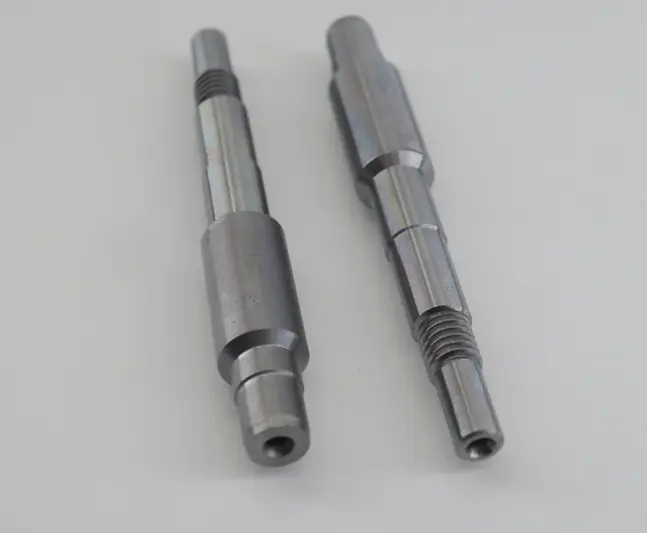
Example packaging-machine components
- Folding head shafts
- Carrier slide shafts
- Ejector pin shuttles
- Guide shafts and locating pins
- Cutting or shearing components
- Wear-resistant sliding parts
- Spring-loaded mechanisms
Example manufacturing route
- Material and certificate review
- Saw cutting or blank preparation
- CNC turning and milling
- Drilling, threading, and feature machining
- Heat treatment
- Straightening or stabilization when permitted
- Precision grinding
- Polishing
- Surface protection
- Hardness and dimensional inspection
Rollyu reviews surface roughness, lubricant compatibility, cleanability, coating requirements, and contact conditions before production.
International Grade Comparison
AISI 1566 is sometimes compared with 65Mn, C67, 66Mn4, SUP6, and other high-carbon or spring steels. These grades may share certain composition or performance characteristics, but they are not automatically interchangeable.
| Region | Possible comparable grade | Important note |
| United States | SAE/AISI 1566, UNS G15660 | Reference grade |
| China | 65Mn | Similar application area; chemistry must be compared |
| Europe/Germany | C67 or 66Mn4 | Possible comparison only |
| Japan | SUP6 | Spring-steel comparison; not a direct substitute |
Checks required before substitution
- Chemical composition
- Hardenability and mechanical properties
- Product form and condition
- Heat-treatment response
- Dimensional standard
- Surface and certification requirements
- Customer approval
Why Choose Rollyu for 1566 Steel Machining?
Rollyu Precision provides engineering-led manufacturing support for custom high-carbon steel parts from prototype through repeat production.
- Drawing and tolerance review
- Material sourcing coordination
- CNC turning and milling
- Heat-treatment planning
- Grinding and polishing
- Surface-protection coordination
- Hardness verification
- Dimensional inspection and CMM reports
- Material and treatment certificates
- Protective packaging
For parts requiring hardening and finish grinding, our team reviews machining allowance, distortion risk, inspection stages, surface roughness, and final functional requirements before production begins.
Frequently Asked Questions
Is AISI 1566 the same as ASTM 1566?
Not exactly. AISI or SAE 1566 is the steel grade designation. ASTM A29/A29M and other ASTM documents are product specifications that may include 1566 as an ordered grade. State the applicable ASTM product specification separately.
Is AISI 1566 an alloy steel?
AISI 1566 is generally classified as a high-carbon manganese steel within the SAE carbon-steel designation system. It should not be presented as a conventional chromium-, nickel-, or molybdenum-alloy steel.
What is the hardness of AISI 1566?
Hardness depends on material condition and heat treatment. Certain quenched-and-tempered parts may reach approximately 50–60 HRC, but the achievable result depends on section size, quenching conditions, tempering cycle, and test location.
Can AISI 1566 be CNC machined?
Yes. It is most efficiently machined in an annealed or softened condition. After hardening, grinding, hard turning, wire EDM, or other finishing processes may be required.
Can AISI 1566 be case hardened?
AISI 1566 already contains relatively high carbon and is more commonly quenched and tempered or induction hardened. Carburizing is generally not its normal route. Any case-depth requirement should be reviewed with the drawing owner and heat-treatment provider.
Is AISI 1566 corrosion resistant?
No. AISI 1566 has limited corrosion resistance and can rust in humid or wet environments. Protective treatment, controlled packaging, or a more corrosion-resistant material may be necessary.
Is AISI 1566 suitable for high-temperature service?
It is not considered a heat-resistant steel. Elevated-temperature exposure can reduce hardness and strength. Evaluate temperature, exposure duration, load, atmosphere, and required retained properties.
Can AISI 1566 be welded?
It can be welded only under a properly engineered procedure, but its high carbon content creates a significant cracking risk. Preheating, low-hydrogen consumables, controlled cooling, and post-weld treatment may be necessary.
Is 65Mn equivalent to AISI 1566?
65Mn is sometimes considered comparable, but it is not an automatic one-to-one substitute. Chemistry, properties, heat treatment, product condition, certification, and customer requirements must be compared.
What information is needed for an AISI 1566 machining quotation?
Provide 2D drawings and 3D CAD files, material standard and condition, target hardness, heat treatment, surface finish, critical tolerances, inspection requirements, order quantity, and operating conditions.
Request a Quote for AISI 1566 Parts
Need support with 1566 steel machining, heat treatment, precision grinding, or custom packaging equipment components?
Send Rollyu Precision your drawings, CAD files, target hardness, surface requirements, and production quantity. Our engineering team will review the material condition, machining sequence, heat-treatment risks, grinding allowance, and inspection plan before providing a clear quotation.
Technical Reference Notes
The composition and grade designation are based on SAE J403 / UNS G15660 references. General heat-treatment and material-condition guidance was cross-checked against ASM International’s AISI 1566 material record and carbon-steel heat-treatment guidance. Values in this article are representative and must not replace the current material specification, mill certificate, approved heat-treatment procedure, or engineering drawing.
- SAE J403 — Chemical Compositions of SAE Carbon Steels.
- ASM International, Alloy Digest: AISI 1566—High-Carbon Steel.
- ASTM A29/A29M — General Requirements for Steel Bars, Carbon and Alloy, Hot-Wrought.