8620 alloy steel is widely used for gears, shafts, bushings, and other wear-resistant components. Its combination of a tough core and a durable surface makes it a popular choice for power transmission and mechanical systems. This article explores the material properties, machining characteristics, heat-treatment considerations, and common applications.
What Is 8620 Steel
This low-carbon alloy steel is valued for its balance of toughness, strength, and manufacturing versatility. It is commonly selected for components that require a durable wear surface while maintaining a strong and impact-resistant core. Because it responds well to heat treatment and remains practical to machine in its supplied condition, the material is widely used in precision mechanical and power transmission components.
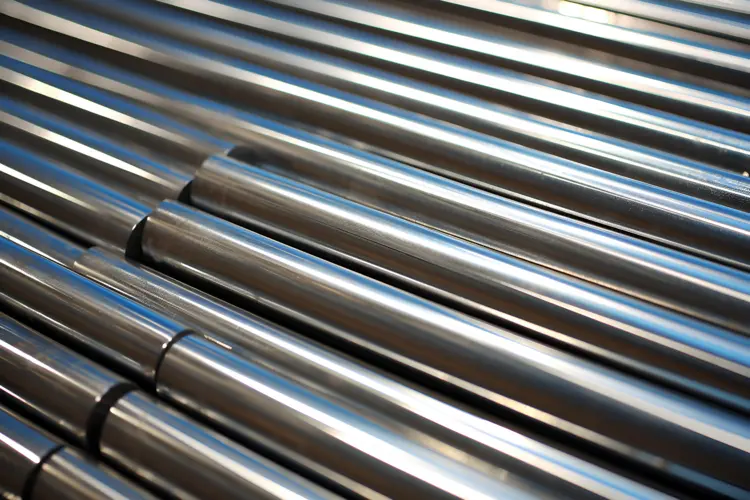
Chemical Composition
This material belongs to the nickel-chromium-molybdenum alloy steel family. Its properties are influenced by the addition of nickel, chromium, and molybdenum to a low-carbon steel base. Nickel contributes to toughness, chromium improves hardenability and wear resistance, and molybdenum enhances strength and mechanical stability. As a low-carbon alloy steel, it offers a useful combination of durability and manufacturing flexibility, making it suitable for components that must withstand repeated loading and long service life.
Why 8620 Is a Case-Hardening Steel
One of the defining characteristics of this alloy is its suitability for case hardening. Its relatively low carbon content allows the core to remain tough, while the outer surface can be hardened to improve resistance to wear and contact stress. This ability to develop different properties between the surface and the core is why case hardening is widely used for mechanical power transmission components and other applications where durability is important.
Common Forms and Availability
The material is readily available in several stock forms to support different manufacturing requirements. Round bar is commonly used for shafts, pins, gears, and other turned components. Plate stock is suitable for machined structural parts and mounting components, while tube is used for applications requiring a combination of strength and reduced weight. These forms make the alloy practical for both prototype and production machining projects.
Why Carburized 8620 Steel Is So Widely Used
The popularity of this alloy comes from its ability to combine surface durability with internal toughness. After heat treatment, the material develops a hardened outer layer while retaining a stronger and more ductile core. This combination allows components to resist wear, absorb impact loads, and maintain reliable performance under repeated mechanical stress. As a result, carburized parts are widely used in applications where both durability and toughness are required.
Hard Surface for Wear Resistance
One of the primary advantages of a carburized surface is its excellent hardness. A hardened exterior helps protect components from friction, abrasion, and contact wear during operation. This characteristic is particularly valuable in assemblies where metal surfaces repeatedly engage with one another under load. Compared with untreated materials, a hardened surface can significantly improve wear resistance and reduce the rate of surface deterioration over time.
Tough Core for Impact Loads
While the outer surface becomes harder, the core remains relatively tough and resistant to cracking. This balance is important because many mechanical components experience both contact stress and sudden loading during service. A material that is hard throughout its entire cross-section may become more susceptible to brittle failure. By maintaining a tougher core, the alloy can better absorb shock loads and withstand demanding operating conditions without sacrificing structural integrity.
Long Service Life in Moving Components
Mechanical systems often contain components that operate continuously under friction, load, and repeated motion. In these environments, material durability directly affects maintenance requirements and overall service life. The combination of surface hardness and core toughness allows the material to maintain performance over extended operating periods. This balance helps reduce wear-related damage and supports reliable operation in demanding industrial and power transmission applications.
8620 Steel Machinability
This alloy is generally regarded as a practical material for CNC machining. In its supplied condition, it can be processed efficiently using common turning, milling, drilling, and threading operations. While it does not cut as easily as aluminum or free-machining steels, it offers a good balance between machining efficiency and mechanical performance. This combination makes it a popular choice for precision components that require both manufacturability and durability.
Is 8620 Steel Easy to Machine
This material is often considered easier to machine than many high-strength alloy steels. Cutting forces are generally manageable, and stable machining conditions can be achieved using standard carbide tooling. Manufacturers can produce accurate features and consistent surface finishes without the excessive tool wear often associated with harder engineering materials. As a result, it remains a common choice for machined mechanical components.
Factors Affecting Machinability
Several factors influence machinability. Material condition has a significant impact on cutting performance, as harder conditions generally increase cutting forces and tool wear. Cutting stability also affects machining results, particularly when producing tight-tolerance features or complex geometries. Tool selection plays an important role as well, since tool geometry and coating can influence chip control, surface finish, and overall process consistency.
Recommended Machining Conditions
Consistent machining results depend on balanced cutting parameters and effective chip evacuation. Appropriate cutting speeds, feed rates, and tool engagement help maintain dimensional accuracy while supporting stable production. When combined with suitable carbide tooling, these practices allow manufacturers to machine the material efficiently across a wide range of component designs.
Heat Treatment and Carburizing Process
One of the defining characteristics of this alloy is its suitability for carburizing and heat treatment. Unlike steels that are hardened throughout their entire cross-section, it is commonly processed to develop a hardened outer layer while retaining a tougher core. This combination provides a balance between surface durability and structural strength, making heat treatment an important stage in the production of many components.
What Is Carburizing
Carburizing is a heat treatment process that increases the carbon content near the surface of a steel component. During the carburizing process, carbon diffuses into the outer layer at elevated temperatures before the part is hardened. The result is a hard wear-resistant surface supported by a tougher interior. This combination allows components to withstand repeated contact stress while maintaining good overall mechanical performance.
Machining Before Heat Treatment
Most material removal is completed before heat treatment, when the material remains easier to process. At this stage, manufacturers typically create the primary geometry and prepare the part for subsequent processing. Leaving a small machining allowance before heat treatment also provides flexibility for dimensional correction later in the manufacturing cycle.
Finish Machining Critical Features
After heat treatment, selected features may be machined to their final dimensions. Precision bores, bearing seats, sealing surfaces, and other critical interfaces often require additional finishing to achieve tighter tolerances. This staged approach helps improve dimensional consistency and ensures important functional features meet specification requirements.
CNC Machining Operations for 8620 Steel
These components are typically produced using a combination of turning, milling, drilling, and threading operations. The manufacturing approach varies depending on part geometry, tolerance requirements, and production objectives. Because many parts contain both rotational and machined features, multiple CNC processes are often used to create the final part.
Turning and Milling
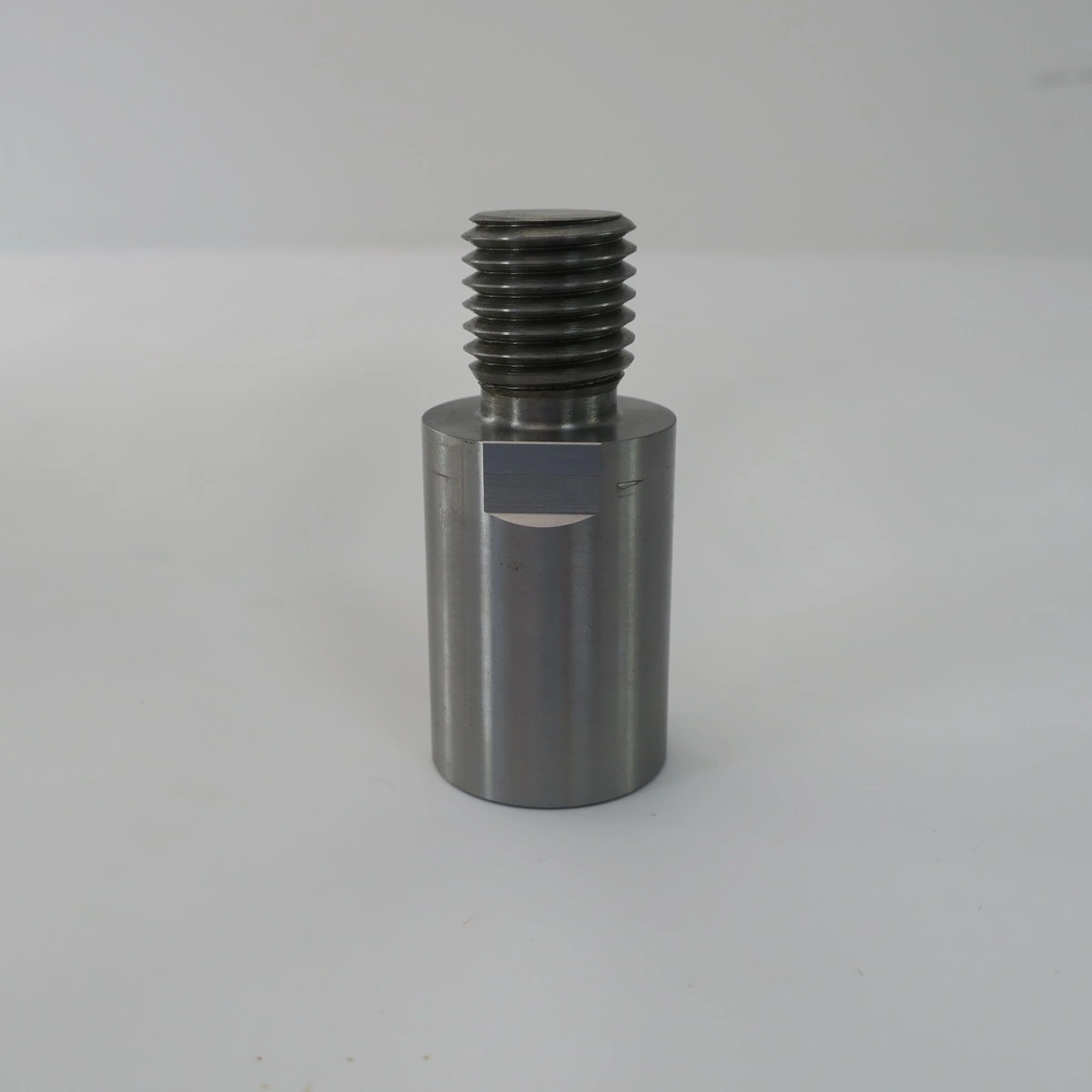
Turning and milling form the foundation of most projects involving this alloy. Turning is commonly used to generate diameters, bearing surfaces, grooves, and other rotational features, while milling produces flats, slots, pockets, and precision contours. Together, these operations allow manufacturers to create components with both simple and complex geometries while maintaining consistent dimensional control.
Drilling and Threading
Drilling and threading are frequently used to create assembly and fastening features. Holes may serve as mounting points, locating features, or passages for mechanical systems, while threaded features enable secure component installation. Depending on the design requirements, threads can be produced through tapping, thread milling, or turning operations.
Maintaining Dimensional Accuracy
Achieving dimensional accuracy requires stable workholding, appropriate tooling, and controlled machining parameters. Careful process planning helps maintain feature consistency and supports the tolerance requirements commonly associated with precision-machined components made from this material.
Common Applications of Machined 8620 Parts
Machined components made from this alloy are widely used in power transmission systems, industrial equipment, and automotive assemblies. The material is often selected for parts that operate under repeated motion, contact loading, or continuous mechanical stress.
Gears and Sprockets
Gears and sprockets manufactured from this alloy are among its most common applications. These components transfer motion and power through repeated surface contact, making durability an important requirement. Common examples include drive gears, timing gears, chain sprockets, and other transmission-related components used in industrial and automotive systems.
Shafts and Camshafts
Shafts and camshafts made from this material are frequently used to transmit rotational motion and mechanical force. These components are commonly found in engines, gearboxes, and power transmission equipment where dimensional stability and long-term reliability are required. Precision machining is often necessary to maintain proper fit and alignment within assembled systems.
Bushings and Pins
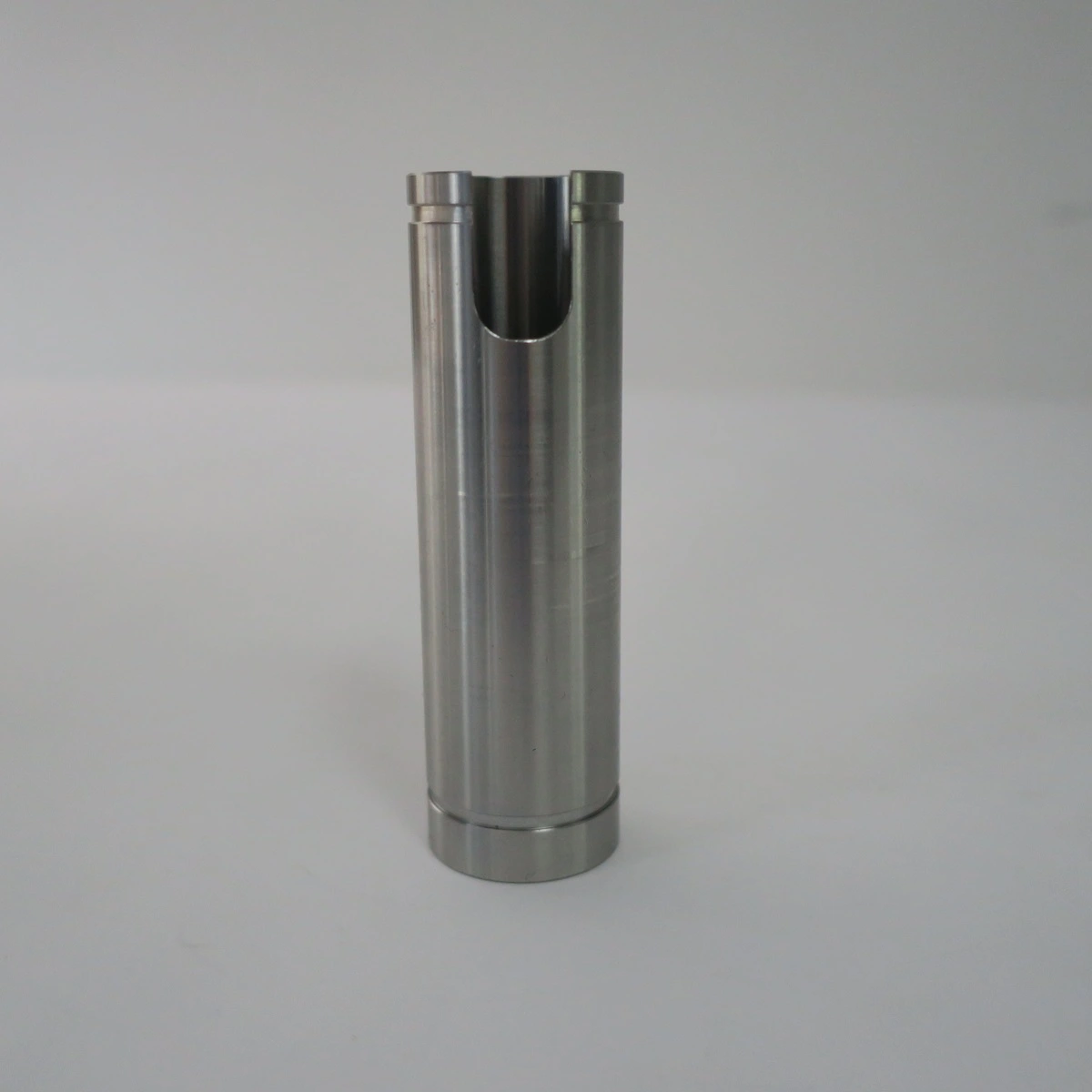
Bushings and pins produced from this alloy are widely used as locating, guiding, and pivoting elements. They are commonly found in mechanical linkages, industrial equipment, and moving assemblies where accurate positioning and repeated movement are required.
Automotive Drivetrain Components
Automotive drivetrain systems contain numerous components manufactured from this material. Typical examples include transmission gears, differential components, drive sleeves, and related power transfer parts. These applications require materials capable of supporting continuous operation in demanding mechanical environments.
Challenges of Machining 8620 Steel
Although the material is considered relatively machinable, several factors can influence manufacturing accuracy and consistency. Tool wear, dimensional movement after heat treatment, and the need to preserve hardened surface layers all require careful consideration during production.
Tool Wear
Tool wear can become more noticeable during long machining cycles or when processing components with demanding tolerance requirements. As cutting edges gradually wear, surface finish quality and dimensional accuracy may become less consistent. Regular tool monitoring helps maintain predictable machining results throughout production.
Distortion After Heat Treatment
Heat treatment can introduce dimensional changes as internal stresses are redistributed within the material. Components with thin walls, long lengths, or complex geometries are often more susceptible to movement. Even small dimensional changes may affect the fit and function of precision features, making distortion an important consideration during process planning.
Maintaining Case Depth Requirements
Maintaining the required case depth is one of the most important manufacturing considerations for many components. Removing excessive material after heat treatment may reduce the hardened surface layer and affect the intended performance of the part. For this reason, machining allowances must be carefully controlled to ensure both dimensional requirements and hardened surface specifications are achieved.
F A Q
What Is 8620 Steel Used For
This alloy is commonly used for gears, shafts, sprockets, bushings, pins, and other power transmission components that require durability and long service life.
Is 8620 Steel Easy to Machine
Yes. The material offers moderate to good machinability and can be efficiently machined using standard CNC turning, milling, drilling, and threading operations.
Can 8620 Steel Be Carburized
Yes. This alloy is specifically designed for carburizing and is widely used in applications that require a hardened surface and a tougher core.
What Is the Machinability of 8620 Steel
The material is generally considered to have good machinability among alloy steels, providing a practical balance between machining efficiency and mechanical performance.
Why Is 8620 Used for Gears
This alloy is widely used for gears because it combines a hard wear-resistant surface with a tough core, helping gears withstand repeated contact and loading.
Can Carburized 8620 Steel Be Machined
Yes, but machining becomes more difficult after carburizing due to the hardened surface layer. Most machining is therefore completed before heat treatment.
Is 8620 Steel Strong
Yes. While it is primarily valued for case hardening, it also provides a good balance of strength, toughness, and durability for demanding mechanical applications.
Conclusion
This alloy is widely used for components that require a balance of machinability, durability, and wear resistance. When properly machined and heat treated, it provides reliable performance in gears, shafts, bushings, and other power transmission applications. At Rollyu, it remains a common material choice for precision-machined industrial components where consistent quality and dimensional accuracy are critical.