Choose 3003 aluminum when the most demanding forming feature drives the design and moderate strength is enough. Choose 5052 aluminum when the part needs more strength or will see saltwater or coastal service. Either way, confirm the temper, sheet thickness, joining method, and finish before you specify the alloy.
| What the part needs | Start with | Confirm before release |
|---|---|---|
| Tight bends, drawing, or spinning | 3003 | Temper, thickness, inside radius, and tooling |
| Resistance to permanent deformation under load | 5052-H32 | Load case and formed geometry |
| Less deflection in a flexible panel | Either alloy | Thickness, formed geometry, and support spacing |
| Saltwater or coastal service | 5052 | Complete assembly and protection requirements |
| Visible anodized faces | Either alloy | Finish sample made from the ordered alloy and temper |
What Is the Difference Between 3003 and 5052 Aluminum?
3003 is alloyed mainly with manganese and suits forming; 5052 is alloyed mainly with magnesium and is stronger in common sheet tempers. Both are non-heat-treatable alloys that gain strength through cold working, so heat treatment does not harden them the way it hardens 6061.
Atlas Steels reports these values for flat-rolled 3003-H14 and 5052-H32; strength figures are specified ranges or minimums, and elastic modulus values are typical. Temper, the condition left by the sheet’s processing history, limits the comparison: H14 and H32 are specific conditions, so these figures do not settle a choice involving annealed O-temper sheet or a harder H temper.
| Comparison point | 3003-H14 | 5052-H32 |
|---|---|---|
| Primary alloying element | Manganese | Magnesium |
| Material condition | Strain hardened | Strain hardened and stabilized |
| Tensile strength | 140-180 MPa (about 20-26 ksi) | 215-265 MPa (about 31-38 ksi) |
| Minimum 0.2% proof (yield) strength | 115 MPa (about 17 ksi) | 160 MPa (about 23 ksi) |
| Typical elastic modulus | 69 GPa | 70 GPa |
Two rows matter most for alloy selection. The higher minimum proof strength of 5052-H32 is the reason to choose it when a part must resist permanent deformation, while the near-identical elastic modulus means switching to 5052 at the same thickness and geometry adds little stiffness. Neither row rates the part itself, because load capacity still depends on the design. Specify alloy and temper together, such as 5052-H32, rather than the alloy number alone.
How Do Bending and Part Strength Affect the Choice?
Both alloys suit formed sheet parts, so base the choice on the most demanding feature and the finished performance the part needs. Then check the exact sheet condition against the fabrication setup.
Tight Bends and Formed Features
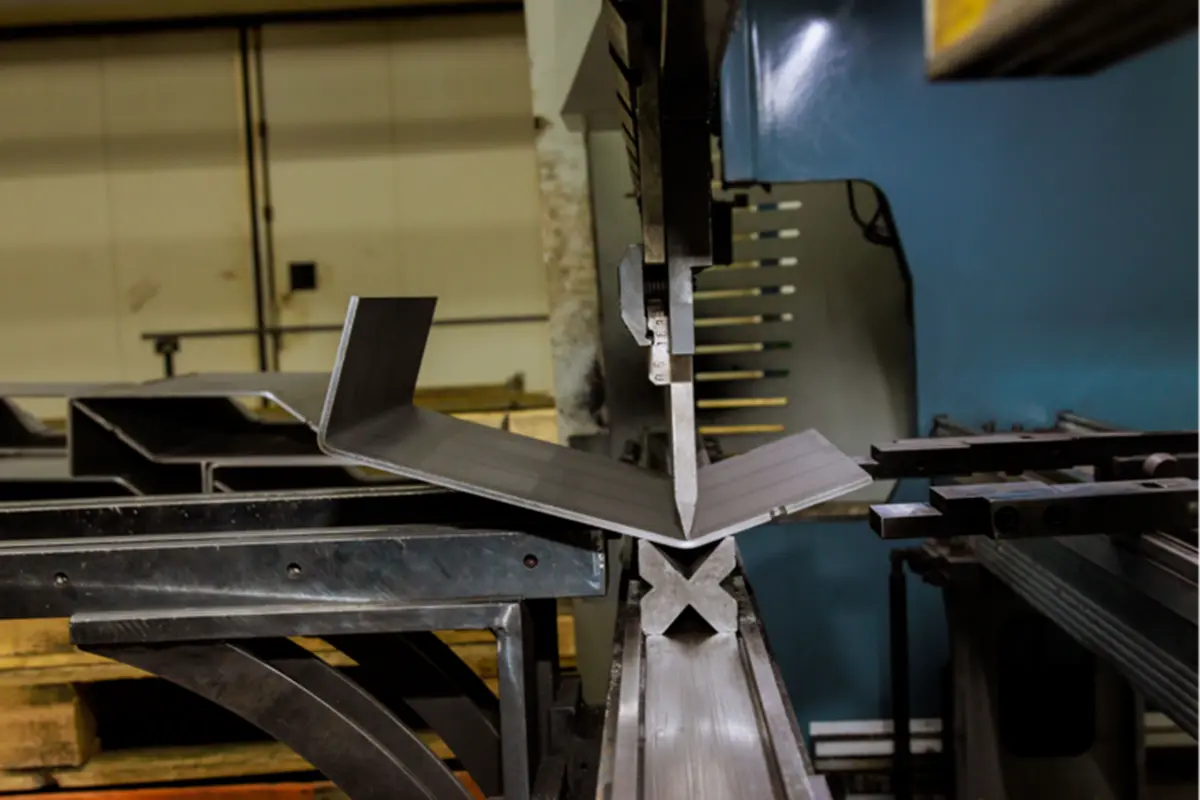
Start with 3003 when drawing, spinning, or extensive shaping drives the design; Hydro lists forming and sheet metal work among its uses. Atlas’s bend tables put numbers on the gap: at 1.6 mm (about 0.063 in), Atlas recommends a minimum inside radius of 0t for 3003-H14 and 1t for 5052-H32, where t is sheet thickness, for bends at 90 degrees to the rolling direction. A 0t entry does not promise that a production part can hold a perfectly sharp corner.
On a press brake, the tightest workable bend depends on material and tooling together. The Aluminum Association names alloy, temper, thickness, bend orientation, and bend angle as factors in avoiding cracks, and Atlas notes that its recommendations depend on equipment and tooling. For a tightly folded cover, confirm the inside radius before you switch alloys, and carry the required formed dimensions into the sheet metal bending review so the supplier checks the proposed material and tooling together.
Loaded Brackets and Flexible Panels
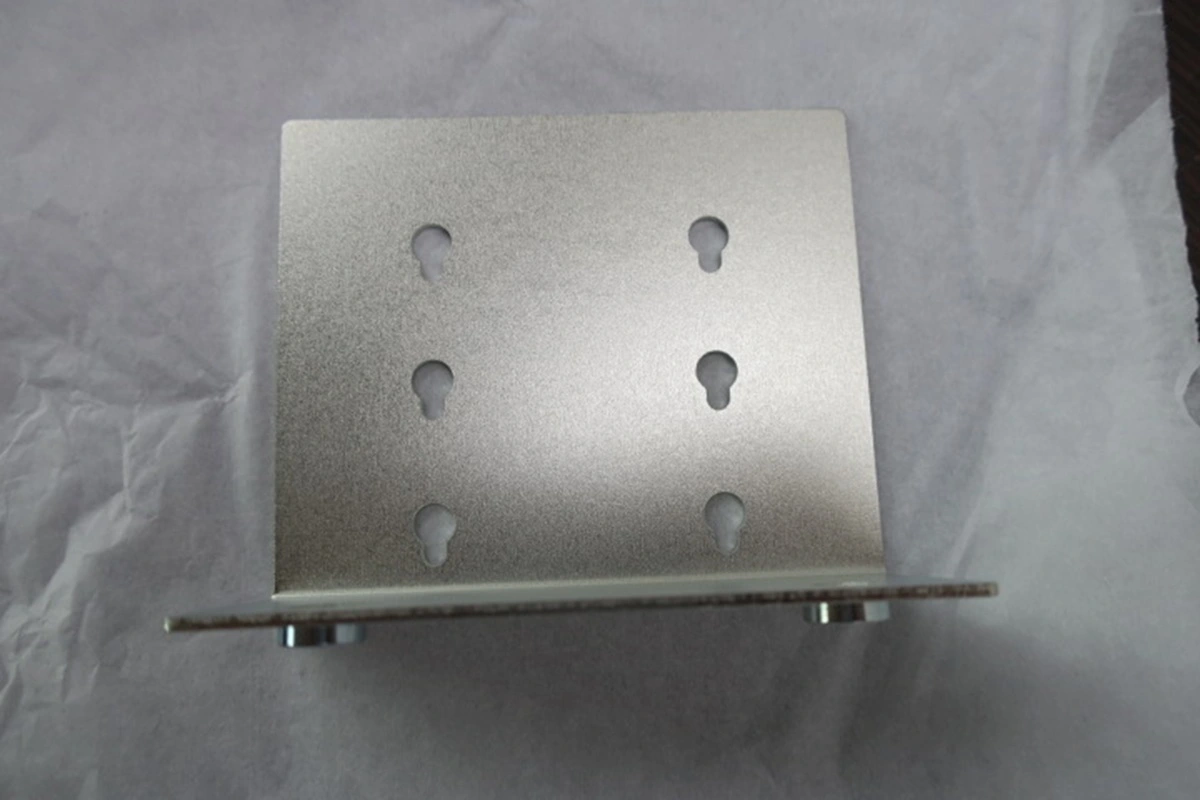
Choose 5052-H32 when a bracket’s resistance to permanent deformation decides the alloy. A panel that flexes too much is a stiffness problem, and 3003 and 5052 have nearly the same elastic modulus, so moving a flat cover from 3003 to 5052 at the same thickness improves its resistance to permanent bending but does little for elastic deflection. If the cover must move less under load, review thickness, formed geometry, and support spacing instead; thinning the sheet because the new alloy is stronger works against that stiffness goal. The design engineer needs the load case and allowable movement before approving the change.
How Do Exposure, Welding, and Finish Affect the Choice?
Service exposure, joining, and appearance can decide the alloy even when both meet the forming requirement. Define what the part will face in service and how it must look after fabrication.
Outdoor and Marine Exposure
Outdoor use alone does not call for 5052. Alloy 3003 has documented outdoor uses, including awnings and siding, so for a weather-exposed cover, compare the service environment and finish alongside the strength requirement. Saltwater and coastal service point toward 5052, which has a documented fit for marine applications, including the small craft Atlas lists; treat it as the starting candidate, then review the complete assembly and its protection requirements. In both cases, include the service exposure and required finish in the part specification.
Welded Joint Performance
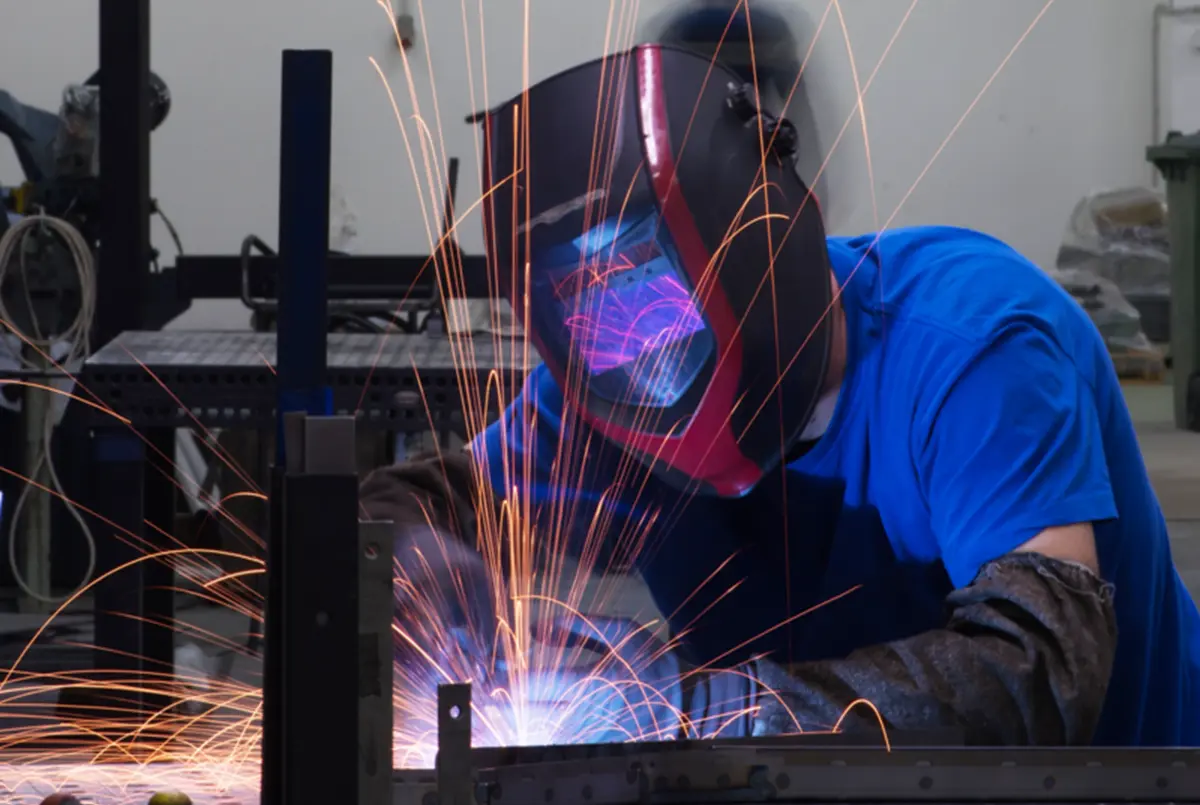
Both alloys are weldable, but welding strain-hardened sheet lowers strength in the heat-affected zone (HAZ), the metal next to the weld. The base-sheet values in the comparison table therefore do not describe a finished welded joint. When a welded bracket or enclosure carries load, include the joint location and finished-part requirements in the fabrication review.
Anodized Surface Appearance
Neither alloy assures uniform anodized color, and SAF’s guidance flags a different risk for each.
| Alloy | Anodizing caution in SAF guidance |
|---|---|
| 3003 | Can be hard to match from sheet to sheet |
| 5052 | Can show streaking or yellowing |
For a visible cover or panel, agree on the required appearance with the finisher and approve a representative sample made from the ordered alloy and temper, since a sample from a different alloy does not show how the ordered material will look. Settle the sheet metal finishing details as one package: alloy and temper, preparation, visible faces, and acceptable color range.
What Changes the Finished Part Cost?
Compare finished-part quotes built on identical requirements, because the material price gap between 3003 and 5052 is only one input; blank layout, bends, welded seams, finish, quantity, and inspection scope also move a custom sheet metal quote. If 3003 meets the strength, exposure, and appearance requirements, price that route before specifying 5052. If the part needs 5052’s strength, keep that requirement and discuss geometry or fabrication changes instead, judging each change by its finished-part cost and whether the part still performs its function.
For an enclosure, hold the drawing revision, alloy and temper, thickness, finish, hardware, and quantity constant across quotes, and ask for prototype or setup charges separately from recurring unit prices. A consistent sheet metal fabrication cost comparison shows sourcing teams which price gaps come from different requirements.
From Alloy Selection to Sheet Metal Production
Rollyu Precision makes custom aluminum sheet metal parts using laser cutting, press-brake bending, deburring, finishing, and TIG, MIG, and spot welding. Its listed aluminum grades include 3003 and 5052, and its engineering and design for manufacturability (DFM) review ties the proposed alloy to the operations a panel, bracket, or enclosure needs.
DFM Review Before Cutting
Bring the formed model and critical dimensions to the review while the alloy is still open. A tight corner, a short flange, or a hole close to a bend needs attention alongside the proposed sheet condition. Mark which dimensions control mating fit and which bend details the manufacturing team may propose changing. For a cover with turned edges, the review checks whether the candidate alloy, radius, and bend sequence can produce the required shape.
Fabrication and Inspection
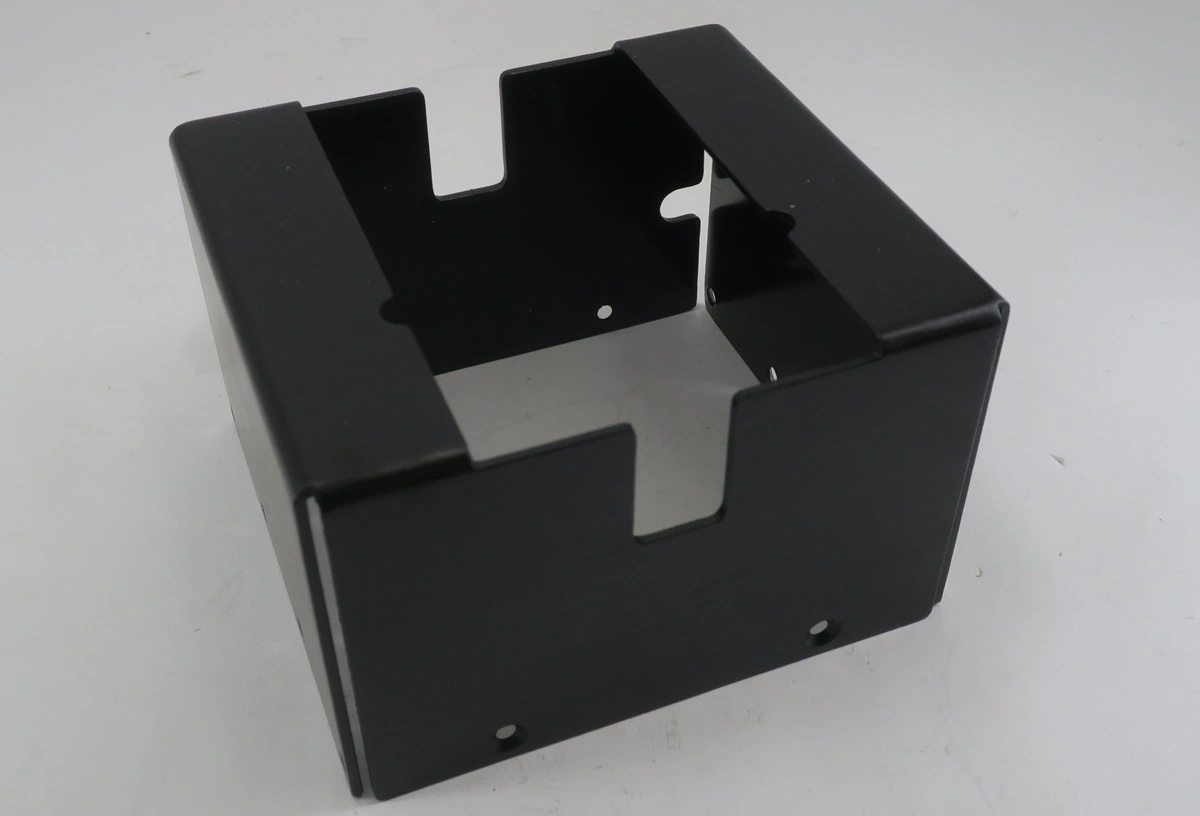
The production route can add welded joints, deburring, surface finishing, and assembly support as the part requires. One example is Rollyu’s black powder-coated aluminum enclosure, made from 5052-H32 sheet through laser cutting, press-brake forming, welding and hardware installation, cleaning and degreasing, and a light-textured black powder coat.
Inspection in Rollyu’s sheet metal workflow covers material inspection, digital caliper measurement, and coordinate measuring machine (CMM) testing, which support checks on the supplied sheet and on the dimensions that matter after forming. For a mounting bracket, identify the formed faces and hole positions that govern fit; for an enclosure, identify the finished envelope, mating interfaces, and visible surfaces. Agree on the inspection and documentation scope for those features, since an alloy datasheet cannot replace measurements of the fabricated part.
Quote Inputs for a Defined Part
For a sheet metal fabrication quote, send:
- The formed 3D model and dimensioned drawing, plus the flat pattern if available
- Alloy and temper, nominal thickness, and any material specification
- Critical formed dimensions, joint details, finish, and cosmetic requirements
- Prototype and production quantities, target timing, and required inspection records
If the alloy is still open, add the required forming features, load conditions, and service exposure. Then ask Rollyu Precision to review the 3003 and 5052 routes against the same part definition so the quote supports a manufacturing decision.
Frequently Asked Questions
How Can I Identify Unmarked 3003 or 5052 Sheet?
Check a material certificate tied to the sheet’s batch, or arrange alloy identification testing. Chemical analysis can tell the two compositions apart, but it does not establish temper on its own. If the sheet has no traceable records, confirm both its identity and its condition before using it on a specified part.
Can 3003 and 5052 Be Welded Together?
Yes. Lincoln Electric’s filler-alloy chart covers dissimilar aluminum combinations, including 3003 to 5052. Choose the filler for the actual base-metal pair and the joint properties you need, including corrosion resistance and anodized color where they matter, and confirm the required weld properties for the mixed-alloy assembly with the joining supplier.
Can 3003 Sheet Metal Parts Be Brazed Instead of Welded?
Yes, 3003 is suitable for brazing, and Harris’s aluminum brazing-flux documentation names it among suitable base materials. The joining supplier still needs to confirm a compatible filler, flux, and process for the assembly, and brazing availability should be confirmed with the manufacturer before the design depends on it.