6061 vs 6063 Aluminum for CNC Machining

6061 vs 6063 Aluminum for CNC Machining

6061 and 6063 are both heat-treatable 6xxx-series aluminum alloys, but they are not interchangeable. For most machined parts, 6061 is the stronger and more broadly available starting point. For extruded profiles, visible surfaces, and parts where corrosion resistance and anodized appearance matter more than maximum load capacity, 6063 can be the better fit. The right…

Stainless Steel CNC Machining Services and Material Selection

Stainless Steel CNC Machining Services and Material Selection

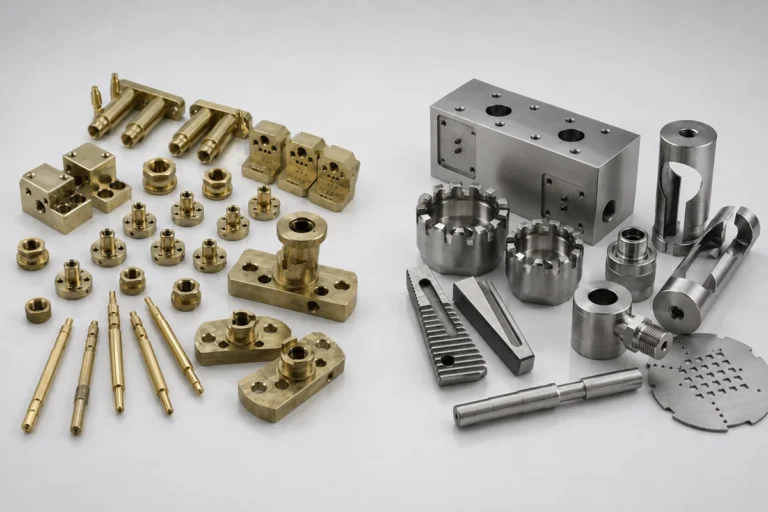
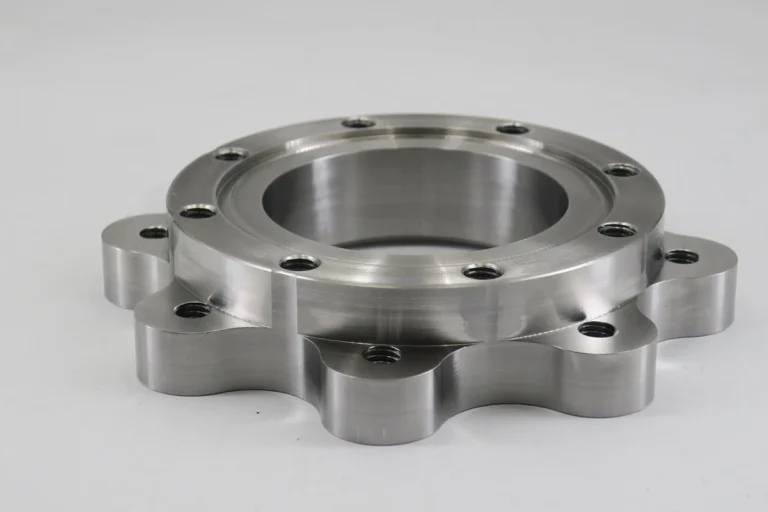
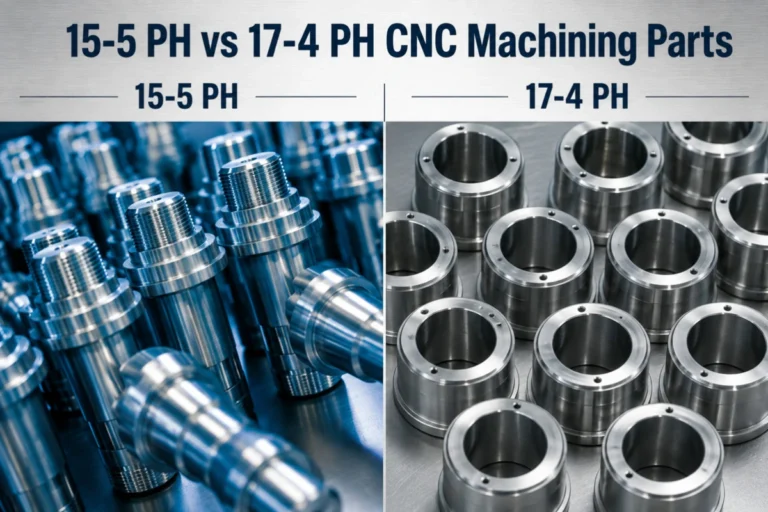
Rollyu Precision provides custom stainless steel CNC machining services for complex parts that need corrosion resistance, strength, repeatable dimensions and dependable surface quality. We machine 303, 304, 316L, 416, 420, 440C, 17-4PH and 15-5PH stainless steel for prototypes and production components used in dental equipment, medical devices, photonics, food machinery, vacuum motion systems and motion…

MIC 6 Aluminum vs 6061: Which Is Better for CNC Machining?

MIC 6 Aluminum vs 6061: Which Is Better for CNC Machining?

Choosing between MIC 6 aluminum and 6061 aluminum is not simply a question of which material is “better.” The correct choice depends on what the finished component must do. MIC 6 is a precision-machined cast aluminum tooling plate engineered for flatness, low residual stress, and dimensional stability. It is commonly selected for fixture plates, vacuum…

MIC6 Aluminum Machining: A Guide to Cast Tooling Plate for Precision Parts

MIC6 Aluminum Machining: A Guide to Cast Tooling Plate for Precision Parts

When a large aluminum plate must stay flat after pockets, vacuum channels and mounting patterns are machined, material stability often matters more than headline strength. That is where MIC6 aluminum and other cast tooling plates earn their place. MIC6 is a proprietary precision cast aluminum tooling plate engineered for low residual stress, close thickness tolerance…

Brass vs Aluminum: Which Material Is Better for CNC Machined Parts?

Brass vs Aluminum: Which Material Is Better for CNC Machined Parts?

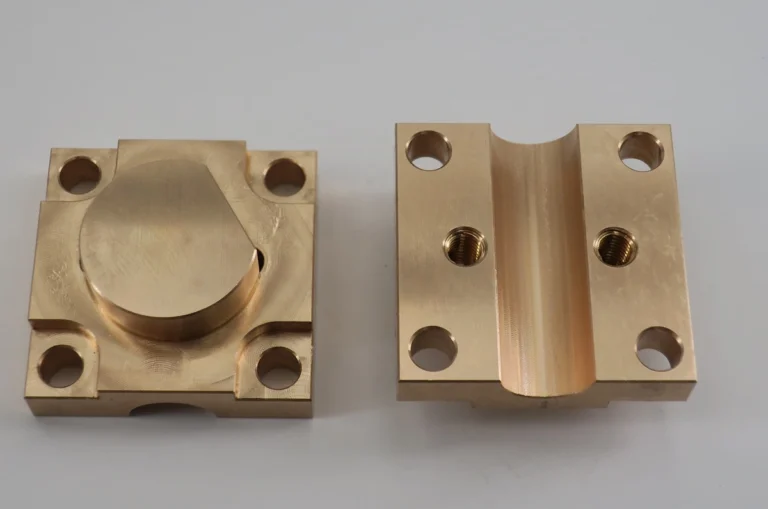
Brass and aluminum are both widely used for CNC machined components, but they solve very different engineering problems. Aluminum is usually selected when low weight, a high strength-to-weight ratio, fast machining and flexible surface finishing are priorities. Brass is often preferred when a component requires excellent machinability, clean threads, dimensional stability, electrical performance, low friction…

2024 vs 6061 Aluminum for CNC Machining

2024 vs 6061 Aluminum for CNC Machining

2024 and 6061 are both heat-treatable wrought aluminum alloys, but they solve different engineering problems. 2024 is selected when high strength-to-weight ratio and fatigue performance are central to the design. 6061 is selected when a project needs balanced strength, corrosion resistance, weldability, broad stock availability, predictable finishing, and a lower-risk manufacturing route. For CNC machined…

Machining 7075 Aluminum: A Practical CNC Guide for High-Strength Precision Parts

Machining 7075 Aluminum: A Practical CNC Guide for High-Strength Precision Parts

Machining 7075 aluminum is a practical route to producing lightweight parts that must carry high structural loads without the mass of steel. The alloy is widely specified for satellite brackets, robotic joints, motion-control components, aerospace structures, high-load fixtures and other parts where strength-to-weight ratio matters. However, a successful 7075 part depends on more than selecting…

Machining 6061 Aluminum: A Practical Guide to 6061-T6 Precision Parts

Machining 6061 Aluminum: A Practical Guide to 6061-T6 Precision Parts

Machining 6061 aluminum is often the starting point for engineers who need lightweight, corrosion-resistant, and cost-effective CNC parts. The alloy offers a practical balance of strength, machinability, availability, weldability, and anodizing response. It is widely used for optical mounts, motion-stage housings, robotic frames, medical-equipment housings, fixtures, brackets, and structural components. However, choosing 6061 does not…

Aluminum CNC Machining for Medical, Aerospace, Quantum Photonics, and Robotics Parts

Aluminum CNC Machining for Medical, Aerospace, Quantum Photonics, and Robotics Parts

Aluminum CNC machining is widely used when engineers need lightweight, corrosion-resistant, dimensionally accurate components without the tooling investment required for casting. The process supports prototypes, low-volume builds, and repeat production while allowing critical holes, bearing seats, optical interfaces, sealing surfaces, threads, and complex three-dimensional features to be produced directly from CAD data. For medical equipment,…

Copper CNC Machining: Grades, Processes, and Best Practices

Copper CNC Machining: Grades, Processes, and Best Practices

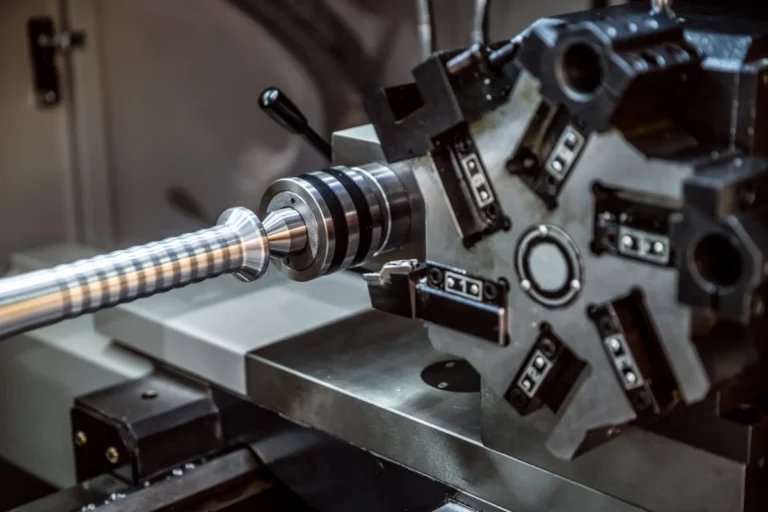
Copper’s excellent electrical and thermal conductivity, corrosion resistance, and ductility make it valuable in electronics, automotive systems, and medical devices. However, its tendency to deform, produce long chips, and adhere to cutting tools can affect accuracy and surface finish. This guide explains how copper CNC machining uses suitable tooling, cutting parameters, cooling, and process control…

End of content

End of content