
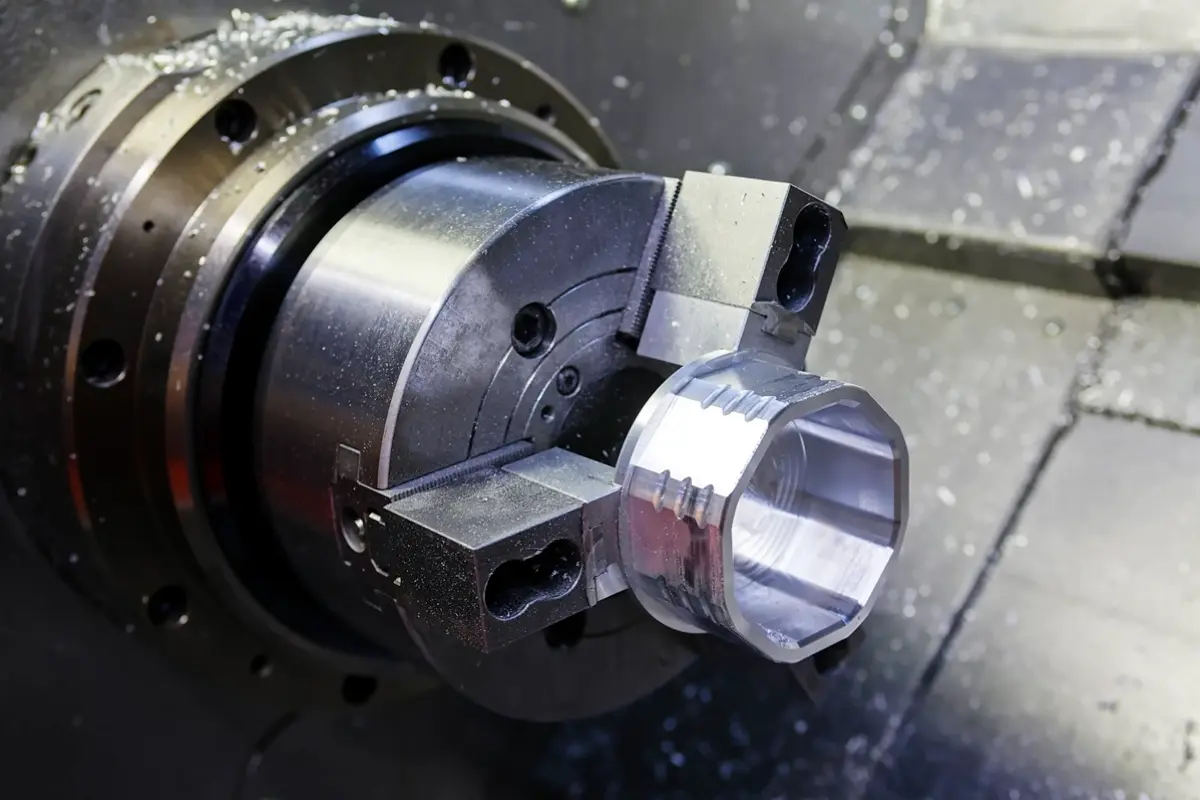

The right aluminum type matches the part load, machining risk, finish, and inspection plan before the RFQ leaves purchasing. The Aluminum Association says magnesium, silicon, zinc, and other alloying elements change aluminum strength, density, workability, electrical conductivity, and corrosion resistance.
For CNC buyers, the grade decision should prevent burr cleanup, tolerance drift, weak corrosion protection, anodizing mismatch, and cast aluminum porosity before a supplier cuts metal.
How Are Aluminum Alloys Classified for Manufacturing?
Manufacturers classify aluminum alloys by product form, alloy series, and strengthening method. For custom parts, the useful split is wrought versus cast, then heat-treatable versus non-heat-treatable.
Wrought Aluminum Alloys
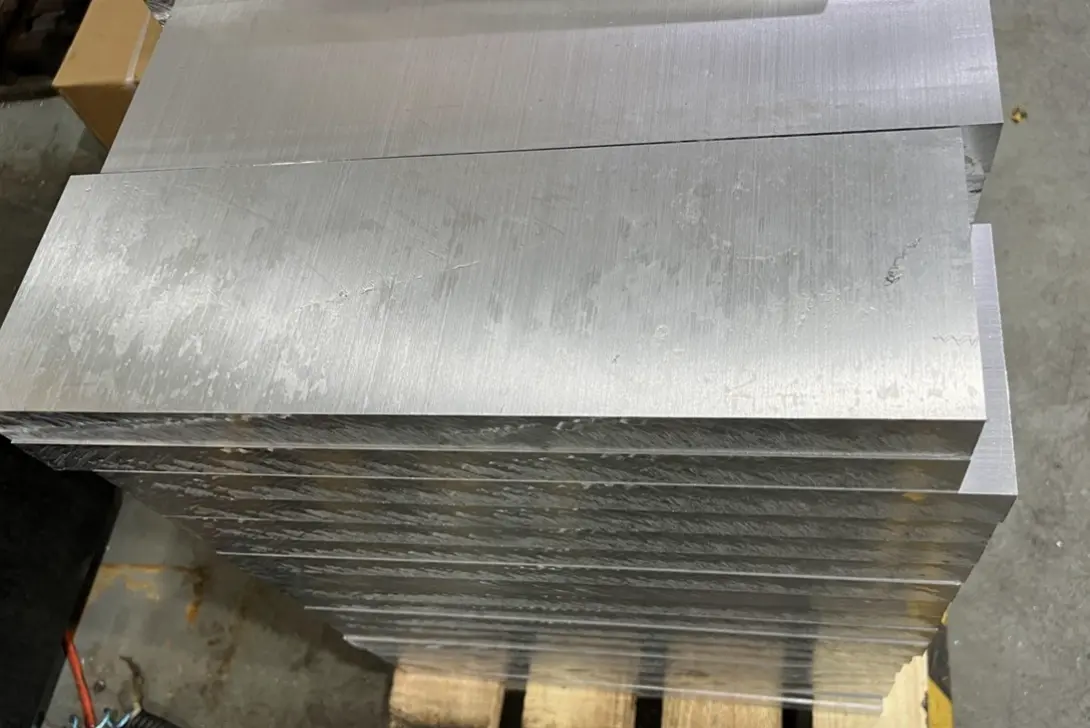
Mills roll, extrude, draw, or forge wrought aluminum alloys before machining. Wrought stock is common for CNC machined aluminum parts because plate, bar, tube, and extrusion give the supplier a known material form, grain direction, and starting thickness.
The Aluminum Association manages international registration records for wrought aluminum alloy designations. In shop terms, 6061 plate, 7075 plate, 2024 plate, 5052 sheet, and 6063 extrusion usually start as mill products before CNC machining, bending, or finishing.
Cast Aluminum Alloys
Foundries pour or inject cast aluminum alloys into a mold before final machining. Castings fit housings, covers, frames, and complex cavities where cutting the full shape from billet would waste material and machine time.
Cast aluminum changes the risk profile. Shrinkage, trapped gas, and tool access can affect machined faces, threaded holes, sealing lands, and cosmetic surfaces.
Heat-Treatable Aluminum Alloys
Heat-treatable aluminum alloys gain strength through solution heat treatment, quenching, and aging. The Aluminum Association describes 2xxx, 6xxx, and 7xxx series alloys as heat-treatable groups, with 6061 and 7075 among common manufacturing choices.
A heat-treatable label does not make every temper stable for machining. 6061-T6, 7075-T6, and 2024-T3 behave differently under cutting load, clamping force, and finishing, so the drawing should name both alloy and temper.
Non-Heat-Treatable Aluminum Alloys
Non-heat-treatable aluminum alloys gain strength mainly through cold work. The 5xxx series, including 5052, fits formed parts because the material can bend and resist corrosion without depending on T6 aging.
The machining risk appears in thick features. For CNC parts with high-strength bosses, deep pockets, or tight bearing fits, 6061 or 7075 usually gives stronger machined features than 5052.
Which Aluminum Grades Are Common for Custom Parts?
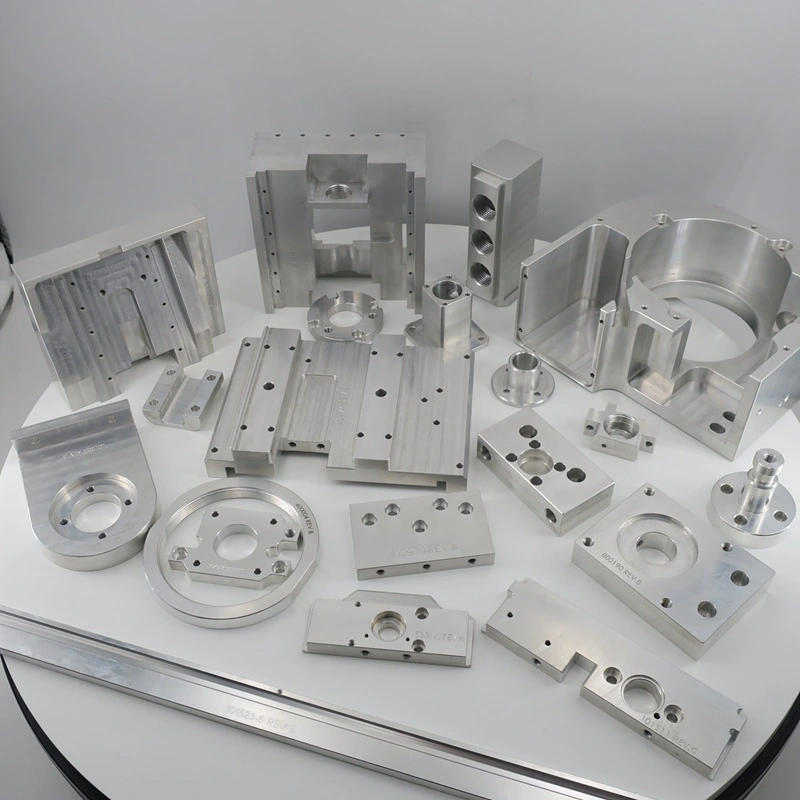
Most custom parts start with 6061, then move to 7075, 2024, 5052, 6063, or cast aluminum when the part requirement pushes in that direction. The grade choice should follow load, stock form, finish, and inspection risk rather than unit price alone.
| Aluminum Type | Classification | Common Form | Typical Fit | Watch Point |
|---|---|---|---|---|
| 6061 | 6xxx, heat-treatable | Plate, bar, extrusion | General CNC machined brackets, plates, housings, fixtures | Lower strength than 7075, so loaded parts need stress review |
| 7075 | 7xxx, heat-treatable | Plate, bar | High-strength brackets, aerospace hardware, robotics arms | Higher cost, lower corrosion resistance, and more stress-control needs |
| 2024 | 2xxx, heat-treatable | Plate, sheet, bar | Fatigue-loaded parts and aircraft-style components | Corrosion protection and material certification matter |
| 5052 | 5xxx, non-heat-treatable | Sheet, plate | Formed panels, covers, brackets, enclosures | Weak fit for thick, heavily milled CNC geometry |
| 6063 | 6xxx, heat-treatable | Extrusion | Rails, frames, profiles, visible aluminum shapes | Lower strength than 6061 in comparable tempers |
| Cast aluminum | Cast alloy family | Casting | Housings, covers, complex cavities, near-net shapes | Porosity, shrinkage, and secondary CNC machining allowance |
6061 Aluminum for General CNC Machining
6061 is often the starting CNC aluminum grade when the part needs balanced strength, clean machining, corrosion resistance, and broad sourcing. 6061-T6 works for brackets, plates, housings, fixtures, heat sink bases, and prototypes that need a stable quote path.
When a bracket sits near the strength limit of 6061-T6, the Aluminum 6061 vs 7075 decision should happen before quoting. Material price, tool load, thread strength, and finishing response can change together.
7075 Aluminum for High-Strength Parts
7075 fits loaded brackets, aerospace hardware, robotics parts, and lightweight structural parts. 7075-T6 has much higher strength than 6061-T6, but corrosion protection, cost, and residual stress need closer review.
Choose 7075 when strength-to-weight ratio drives the drawing. Avoid choosing 7075 only to look safer, since higher-strength stock can raise machining cost and create more risk on thin walls or cosmetic finishes.
2024 Aluminum for Fatigue-Loaded Parts
2024 fits fatigue-loaded aluminum parts where cyclic stress matters more than corrosion appearance. The copper-rich 2xxx series can deliver strong fatigue performance, which explains 2024 use in aircraft structures and loaded mechanical parts.
The buyer risk is corrosion protection. 2024 often needs cladding, coating, painting, or controlled service conditions, and the RFQ should name the temper, finish, and material certification requirements.
5052 Aluminum for Formed and Corrosion-Resistant Parts
5052 fits formed, welded, and corrosion-resistant sheet metal parts. 5052 is common for panels, covers, brackets, marine-facing parts, and enclosures where bending quality matters more than machined boss strength.
For CNC-heavy parts, 5052 can smear at the cutter and lose shape around deep pockets. Use 5052 when forming and corrosion drive the design, and move to 6061 or another machining grade when milled geometry drives the design.
6063 Aluminum for Extruded Profiles
6063 fits extruded profiles, frames, rails, and visible aluminum shapes. The 6xxx chemistry gives good extrusion behavior and a clean finishing path, which makes 6063 useful for profile-based assemblies.
6063 usually has lower strength than 6061 in comparable tempers. Use 6063 when the extrusion shape matters, then machine holes, slots, pockets, and mating faces after extrusion if the assembly needs tighter local control.
How Do Aluminum Types Affect Manufacturing Risk?
Aluminum type affects cutting behavior, flatness, corrosion protection, and cosmetic finish. The wrong grade can pass a low quote and still create burr cleanup, warped thin walls, color mismatch, or post-machining scrap.
Machinability and Burr Control
Machinability controls chip formation, tool loading, burr size, and edge quality. 6061 and 7075 usually cut predictably, while soft tempers and gummy grades can smear around drilled holes, milled slots, and tapped threads.
The drawing should specify burr control when edges affect assembly, sealing, handling, or cosmetics. A basic “deburr” note can be too vague for precision parts. Call out break-edge limits, cosmetic faces, and thread-entry expectations when burrs can stop assembly.
Strength and Tolerance Stability
Strength does not guarantee tolerance stability. High-strength plate can move when pocketing removes stress, and thin aluminum walls can spring after clamps release.
For custom CNC machining parts, review stock thickness, temper, stress-relieved material availability, roughing strategy, and inspection timing. CMM inspection helps catch movement on datums, bores, and mating faces before parts reach assembly.
Corrosion Resistance and Surface Finish
Corrosion resistance and surface finish response vary by alloy series. 5052, 6061, and 6063 usually carry lower corrosion risk than 2024 or 7075, especially when a part needs outdoor service, hand contact, or cosmetic anodizing.
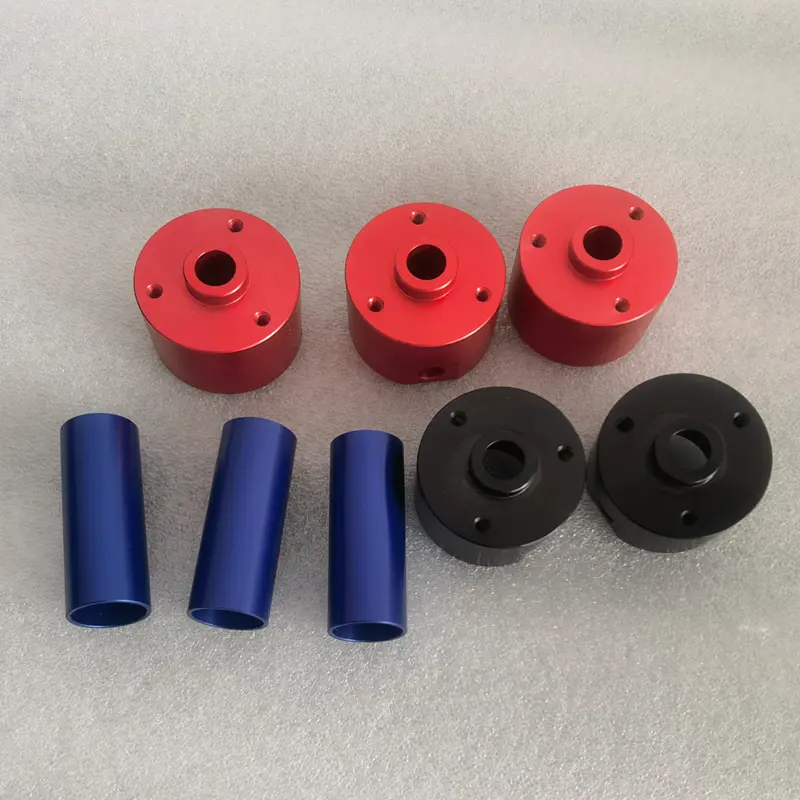
Anodizing can add corrosion resistance and color, but anodized aluminum color can vary by alloy, temper, surface prep, and batch. For cosmetic parts, buyers should define the visible face, target finish, color range, and acceptable variation before production.
Cast Aluminum Porosity and CNC Finishing
Cast aluminum porosity can appear when CNC machining cuts into trapped gas or shrinkage voids. This risk matters on sealing faces, threaded bosses, thin walls, bearing seats, and cosmetic surfaces.
For housings and covers, cast aluminum decisions should account for wall thickness, draft, tool access, machining allowance, and inspection method. Critical features often need secondary CNC machining because casting alone may not hold the required surface finish or local tolerance.
How Should Buyers Choose the Right Aluminum Type?
Buyers should choose aluminum by part function, manufacturing route, and acceptance criteria. A drawing that names only “aluminum” leaves room for supplier substitution, and that gap can show up as weak threads, warped pockets, color mismatch, or incoming inspection rejection.
Matching Aluminum Grade to Load and Weight
Start with the load path, then pick the grade that supports the load without forcing unnecessary machining risk.
- 6061: Use for general brackets, housings, fixtures, and prototypes when balanced machining and corrosion resistance matter.
- 7075: Use when high strength and low weight matter more than corrosion resistance, weldability, or cosmetic anodizing consistency.
- 2024: Use when fatigue load drives the design and corrosion protection is already planned.
- 5052: Use for formed sheet parts where bending, welding, and corrosion resistance matter more than milled strength.
- 6063: Use for extruded profiles, visible frames, rails, and long shapes that need a clean finish path.
Matching Aluminum Grade to CNC, Sheet Metal, or Die Casting
Match the aluminum grade to the process that shapes the part before final inspection. Wrought plate, bar, and extrusion usually give better control than cast stock for datums, threads, and close-fit features.
Sheet metal designs should start with formable sheet grades such as 5052 when bend radius, flatness, and corrosion exposure drive the part. Die cast aluminum designs should start with casting alloy, wall thickness, draft, and secondary-machining needs rather than a billet grade copied from a CNC drawing.
Specifying Finish, Tolerance, and Inspection Requirements
Specify grade, temper, stock form, finish, tolerance, and inspection method before comparing suppliers. Those details help prevent “equivalent material” swaps that look harmless in a quote but fail during machining, finishing, or assembly.
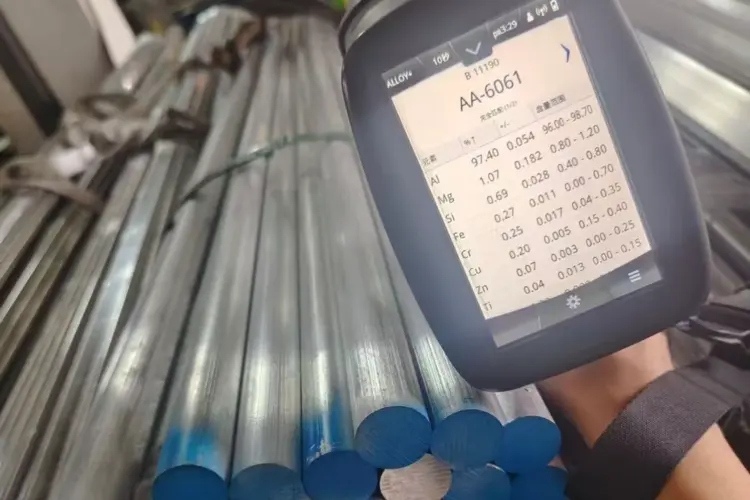
Include these RFQ details:
- Alloy and temper: 6061-T6, 7075-T6, 2024-T3, 5052-H32, or an approved equivalent.
- Stock form: Plate, bar, sheet, extrusion, billet, or casting.
- Finish requirement: Anodizing, powder coating, plating, painting, bead blasting, or bare aluminum.
- Critical dimensions: Datums, bores, threads, flatness, sealing faces, and cosmetic faces.
- Inspection package: CMM report, FAI, Certificate of Conformance, Material Test Report, and lot traceability when needed.
Rollyu Precision can review alloy, DFM risk, finishing, and inspection needs before production. For high-precision or regulated parts, Rollyu Precision supports ISO 9001:2015 and ISO 13485:2016 workflows, CMM inspection, FAI, dimensional reports, Material Test Reports, and lot-level traceability.
FAQs
Does Aluminum Temper Matter as Much as the Alloy Grade?
Yes. Aluminum temper can change strength, ductility, and machining stability. A 6061-O part will not behave like 6061-T6 under clamping, cutting, or assembly load, so drawings should name both alloy and temper when performance matters.
Can Buyers Use Unknown or Recycled Aluminum for CNC Machined Parts?
Unknown aluminum is risky for precision CNC parts. Without chemistry and temper records, the supplier cannot predict cutting behavior, heat treatment response, anodizing color, or final strength with enough confidence for critical parts.
Should Buyers Choose Billet, Plate, Extrusion, or Casting for Aluminum Parts?
Choose material form by geometry before comparing price. Plate or bar fits most machined brackets, extrusion fits long profile-based parts, sheet fits formed panels, and casting fits complex housings that would waste too much billet during roughing.
Can Aluminum Grade Affect Anodized Color and Cosmetic Consistency?
Yes. Aluminum grade can change anodized color and cosmetic consistency. 6063 often gives a cleaner cosmetic anodized surface than some machining grades, while 7075 and 2024 may show darker or less consistent tones depending on temper, surface prep, and batch control.
What Aluminum Grades Should Buyers Avoid for Tight-Tolerance CNC Parts?
Avoid unspecified, soft, highly stressed, or recycled stock for tight-tolerance CNC work. Tight bores, flat sealing faces, thin walls, and matched assemblies need known alloy, known temper, stable stock, and inspection records.