ACME Thread Milling: When to Use It for Precision CNC Parts
ACME thread milling cuts internal 29° profiles when rigid tapping fails. This CNC process dictates exact pitch diameters for low-backlash motion and prevents tool breakage in hard alloys.

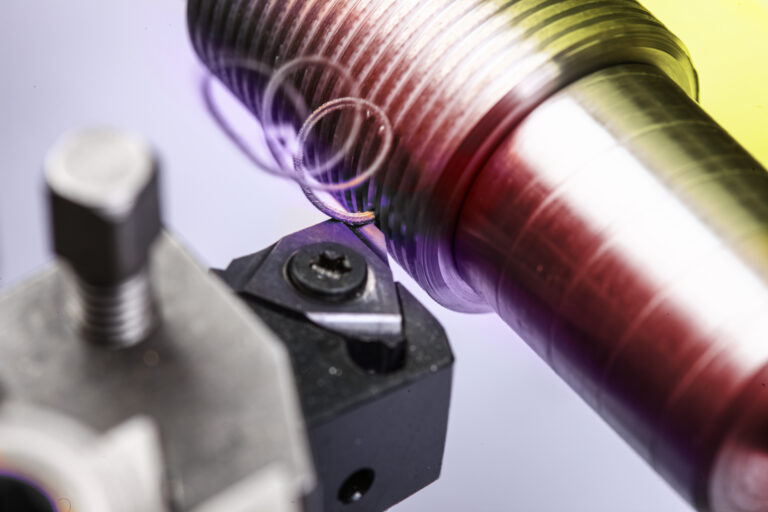
ACME thread milling cuts internal 29° profiles when rigid tapping fails. This CNC process dictates exact pitch diameters for low-backlash motion and prevents tool breakage in hard alloys.

Single point thread milling is a better choice when tapping raises scrap risk in tough materials, blind holes, or precision thread fits. The helical toolpath gives shops more control over chip evacuation, cutting load, and pitch diameter.
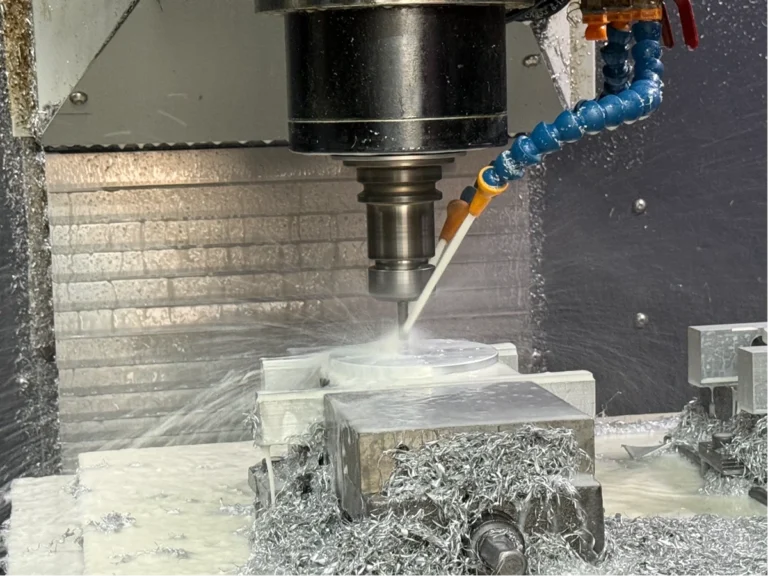
Thread milling uses a CNC helical toolpath to cut accurate internal and external threads with better fit control than tapping. It is especially useful for high-value parts, blind holes, hard materials, and custom CNC machining jobs where scrap risk and thread quality matter.
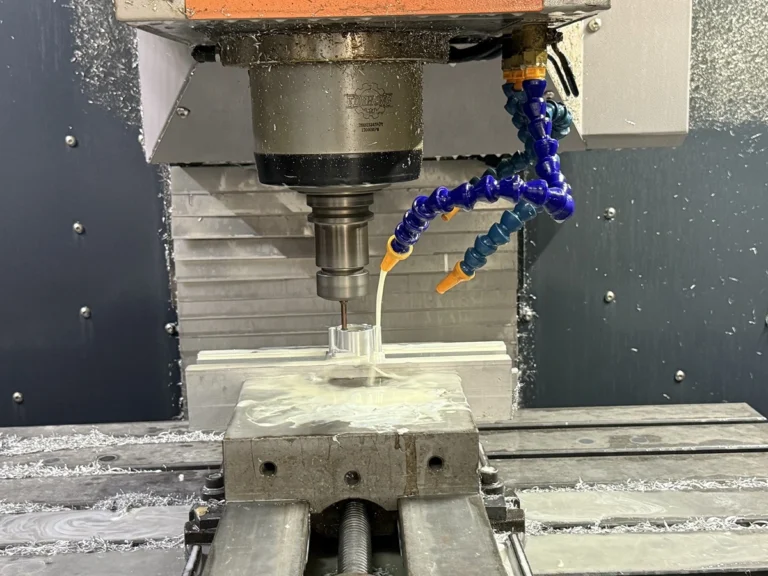
Thread milling is better for tough materials, blind holes, and high-value CNC parts, while tapping is faster for standard high-volume threads.
Cast aluminum is aluminum shaped by melting the metal and pouring it into a mold. According to the European Aluminium Association, castings now make up over half the aluminum content in modern vehicles. Low weight, corrosion resistance, and the ability to form complex shapes also make cast aluminum widely used in medical, industrial, and electronics…
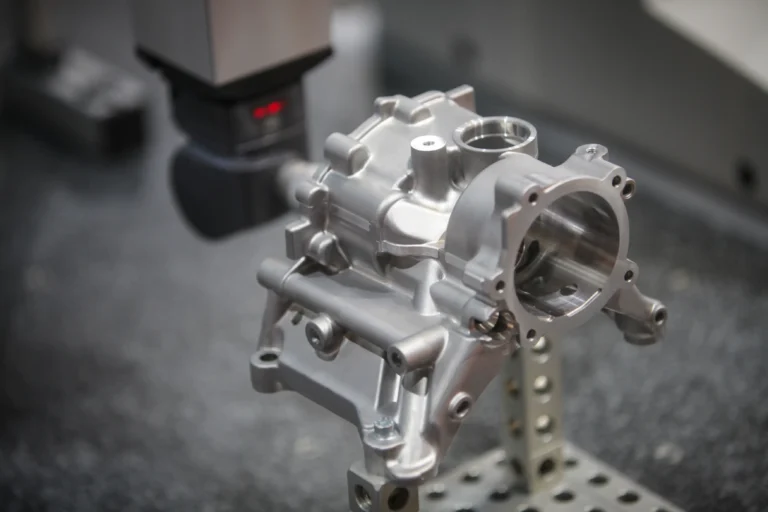
Use this guide to decide whether die casting fits a stable production part, where CNC finishing is still needed, and what to check before choosing a supplier.
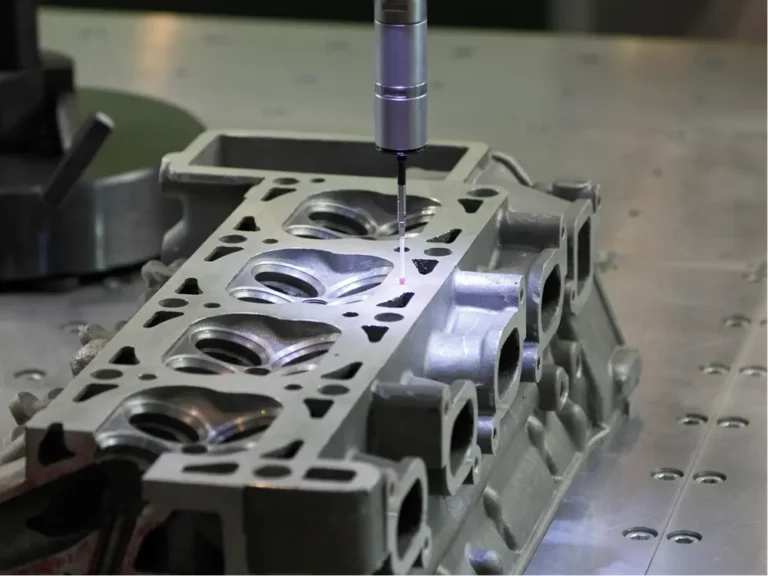
Casting forms metal parts by pouring molten material into a mold and letting it cool into shape. It works well for complex cavities, thin walls, and large parts that would waste too much material if machined from billet. This guide explains the main casting methods, common casting materials, cost drivers, and when CNC machining or…
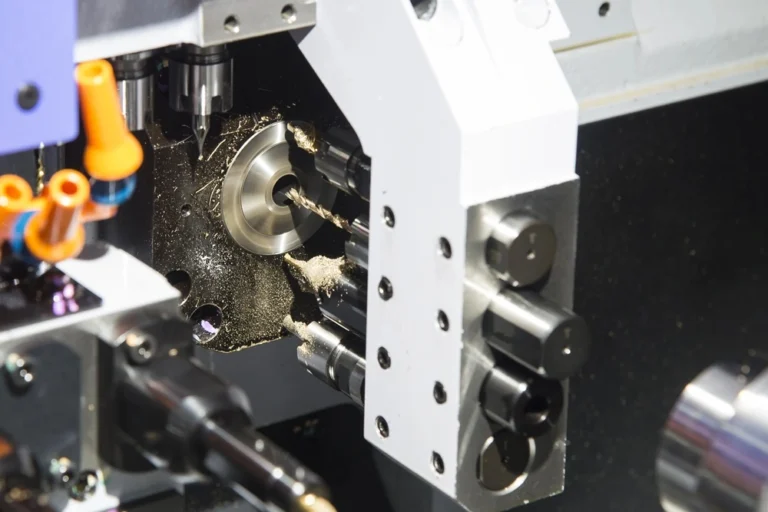
Learn how to choose reliable Swiss machining services by checking machine capability, tolerance control, inspection records, material experience, and batch stability.
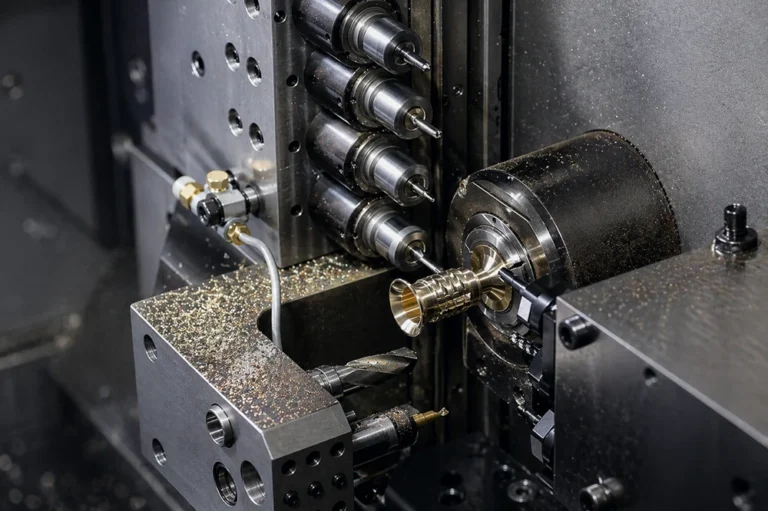
Tightening a tolerance from ±0.005 to ±0.001 inches often doubles your unit price. Industry data from Manufacturing Engineering confirms this cost spike. Every extra decimal point forces slower feed rates and frequent tool swaps, eating into production time and multiplying scrap. Your Swiss machining quote scales directly with feature difficulty. To stop paying for unnecessary…
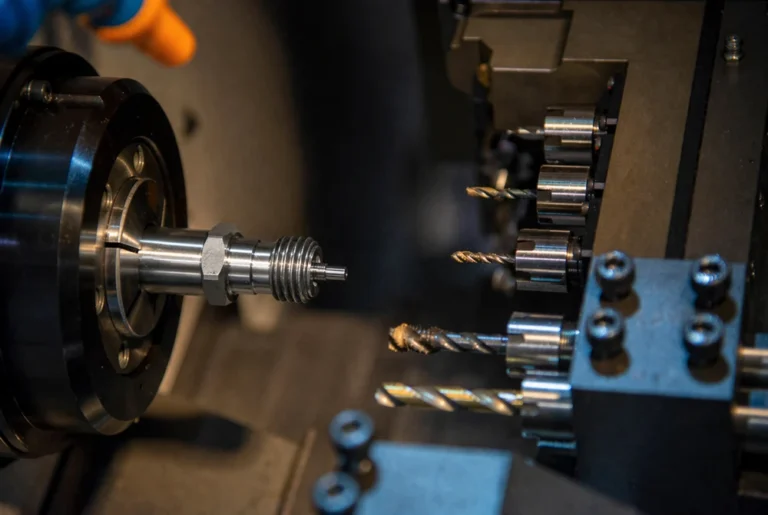
CNC Swiss machining prevents part deflection by stabilizing material exactly at the cut. This localized support holds ±0.005mm tolerances to bypass secondary grinding.
End of content
End of content