Chem Film for CNC Machined Aluminum Parts: An Engineering and RFQ Guide

Chem Film for CNC Machined Aluminum Parts: An Engineering and RFQ Guide

Mechanical engineers rarely struggle with the definition of Chem Film. The costly uncertainty is whether the finished component will still assemble, ground, accept paint, resist corrosion, remain clean enough for the application, and arrive with documentation that matches the drawing. Those questions become difficult when the print says only “clear Chem Film,” when a legacy…

Hard Anodizing (Type III) for CNC Aluminum Parts: Protecting Fit, Wear and Function

Hard Anodizing (Type III) for CNC Aluminum Parts: Protecting Fit, Wear and Function

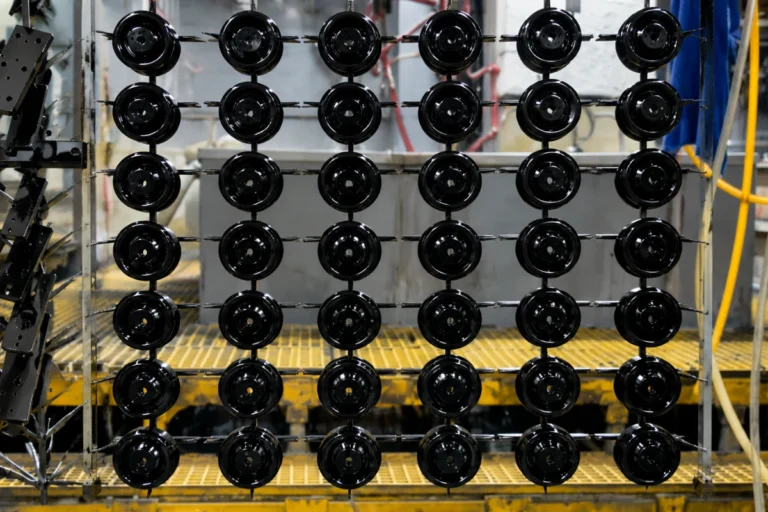
Quick Answer: What Mechanical Engineers Need to Know Hard anodizing – also called hardcoat anodizing or Type III anodizing – is useful when an aluminum component needs a more wear-oriented oxide surface than standard Type II anodizing. The engineering value is real, but so is the design risk. Hardcoat changes the surface itself, can change…

Anodized Aluminum Colors: Options, Limits, Color Matching & Real-World CNC Results

Anodized Aluminum Colors: Options, Limits, Color Matching & Real-World CNC Results

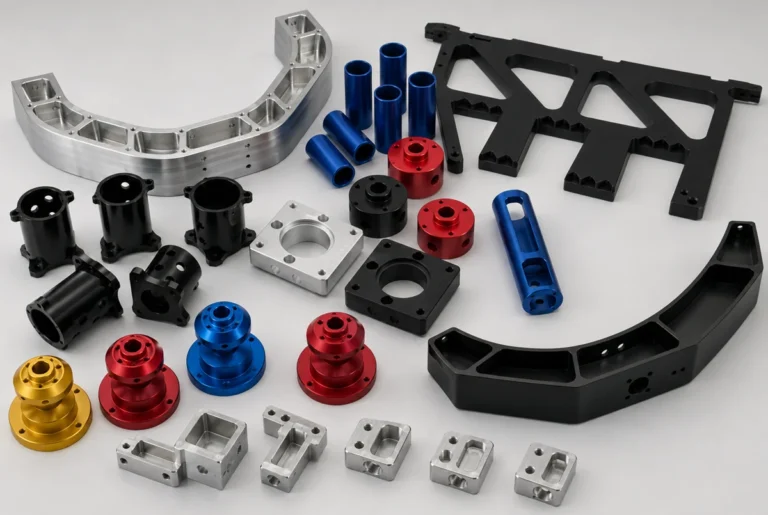
Quick Answer: What Colors Can Aluminum Be Anodized? For standard Type II sulfuric anodizing, aluminum can commonly be finished in clear/natural, black, red, blue, green, gold, bronze, champagne, gray and purple, plus processor-dependent custom shades. Type III hardcoat is selected mainly for functional performance and normally has a darker natural appearance; black is common, while…

Black Anodized Aluminum for Precision CNC Parts: Design, Tolerances & Finish Selection

Black Anodized Aluminum for Precision CNC Parts: Design, Tolerances & Finish Selection

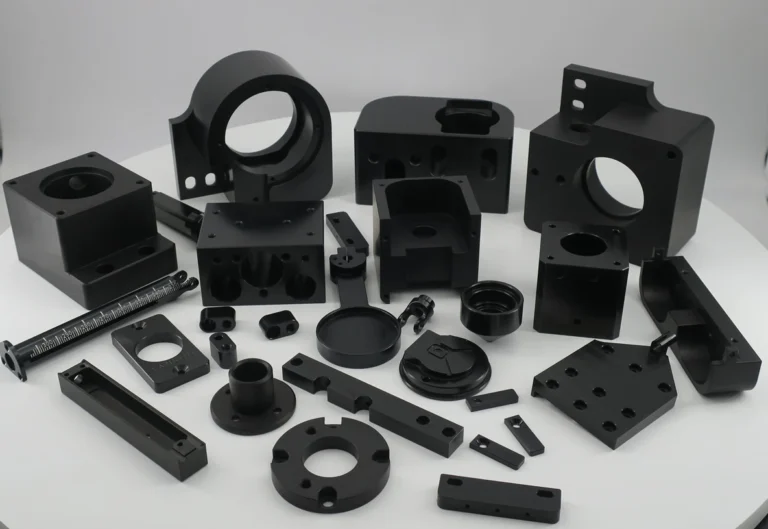
Quick Answer: What Should Engineers Know About Black Anodized Aluminum? Black anodized aluminum is aluminum that has been electrochemically converted to form an anodic oxide layer and then given a black appearance, commonly through a qualified dye or coloring step followed by sealing when required. For precision CNC parts, the finish can combine corrosion protection,…

Aluminum Surface Treatment for CNC Machined Parts: How to Prevent Repeat Finish Problems

Aluminum Surface Treatment for CNC Machined Parts: How to Prevent Repeat Finish Problems

A CNC aluminum part can pass machining inspection and still become unacceptable after finishing. A hard-anodized bore can return undersize; threads can bind because coating reached an unmasked area; black anodized lots can differ visually; clear finishes can reveal alloy or machining variation; and powder coating can build around holes or mating interfaces. These problems…

CNC Machined Parts Packaging: How to Prevent Rust, Scratches and Shipping Damage

CNC Machined Parts Packaging: How to Prevent Rust, Scratches and Shipping Damage

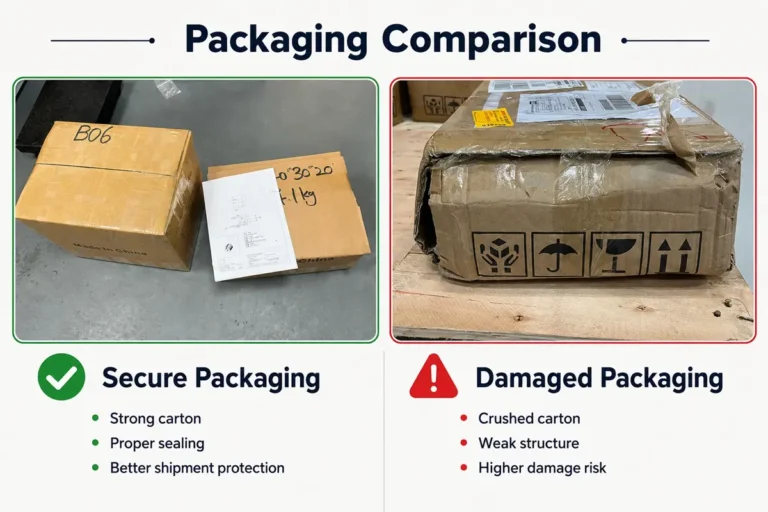
Quick Answer If precision machined parts pass inspection but arrive rusty, scratched, dented, bent, contaminated or mixed, the packaging process has failed to preserve the inspected condition. Effective CNC machined parts packaging starts with cleaning and drying, then matches corrosion protection, surface separation, thread/feature protection, cushioning, restraint and the outer package to the material, finish,…

Why Do Fasteners Need Rust Preventive Oil After Surface Treatment?

Why Do Fasteners Need Rust Preventive Oil After Surface Treatment?

Quick answer:  Fastener surface treatment does not always provide complete protection during storage, handling and international shipping. A compatible rust preventive oil can add a temporary hydrophobic barrier that limits contact between the metal surface and moisture, oxygen and contaminants. It is especially useful for bare or heat-treated steel, black-oxide and phosphate-finished fasteners, and other…

How to Prevent Rust on Machined Metal Parts: Surface Treatments, Cleaning, and Packaging

How to Prevent Rust on Machined Metal Parts: Surface Treatments, Cleaning, and Packaging

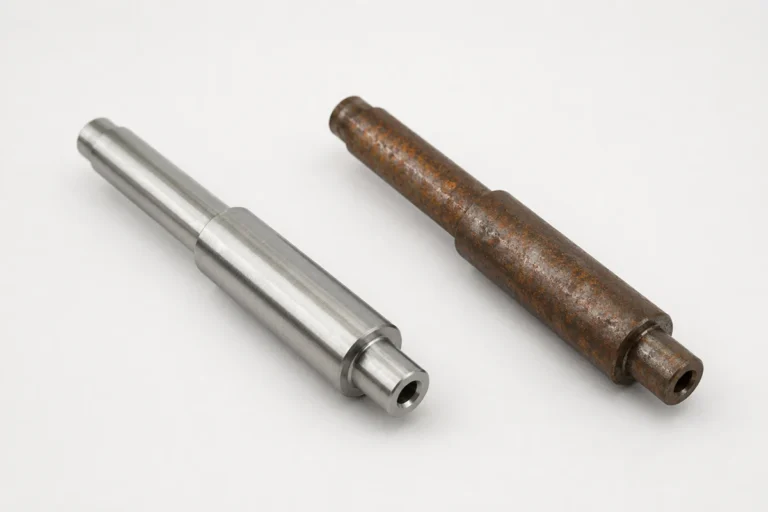
A precision-machined component can meet every dimensional requirement and still arrive unusable if corrosion starts between final inspection and receiving. For mechanical engineers and technical buyers of shafts, housings, manifolds, brackets, tooling components, medical hardware, motion-control parts, semiconductor hardware, and other precision components, “rust prevention” is not just a cosmetic issue. Corrosion can change fits,…

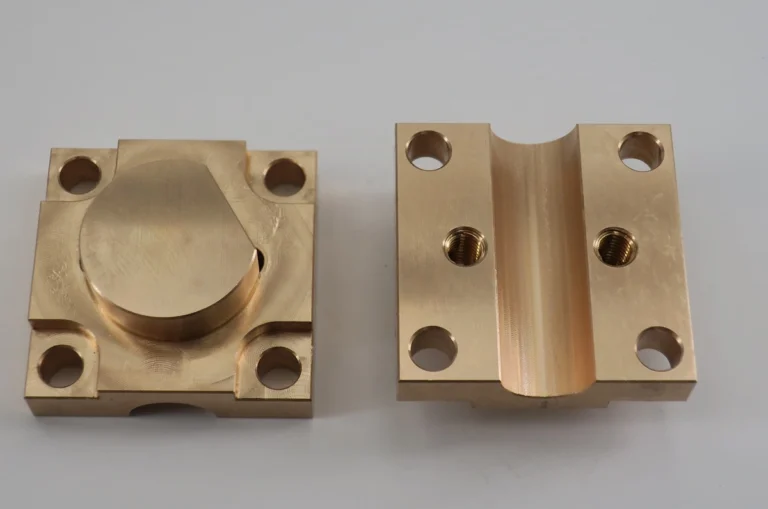
How to Handle Surface Oxidation of Brass, Bronze and Copper Parts

How to Handle Surface Oxidation of Brass, Bronze and Copper Parts

Short answer: Do not select a cleaning method from color alone. First identify the alloy, oxidation severity and functional surfaces. Light tarnish may need controlled cleaning; active corrosion or pitting requires engineering review. After treatment, protect the surface with an application-compatible finish and dry packaging. For UHV, optical and semiconductor applications, cleanliness, outgassing and residue…

End of content

End of content