What's happening in the CNC industry and Rollyu? What trends and innovations shouldn’t be missed? Learn more and check out rollyu's news.
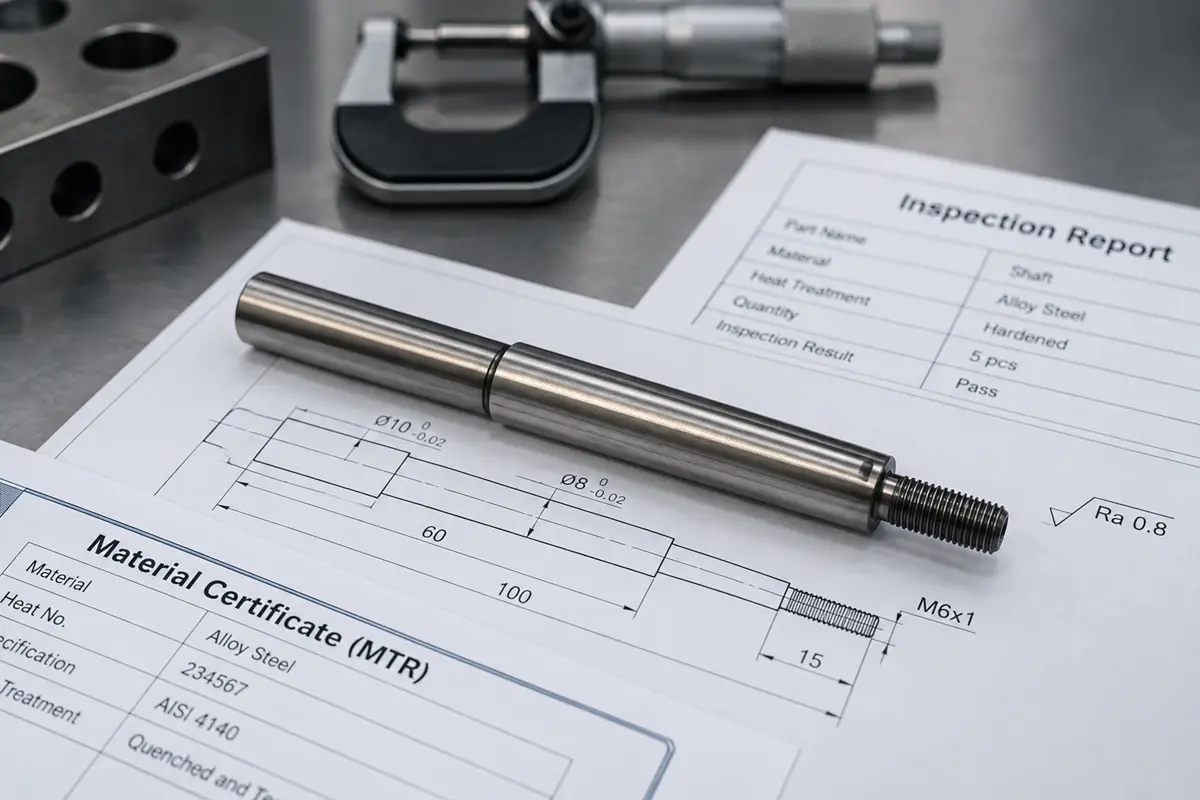
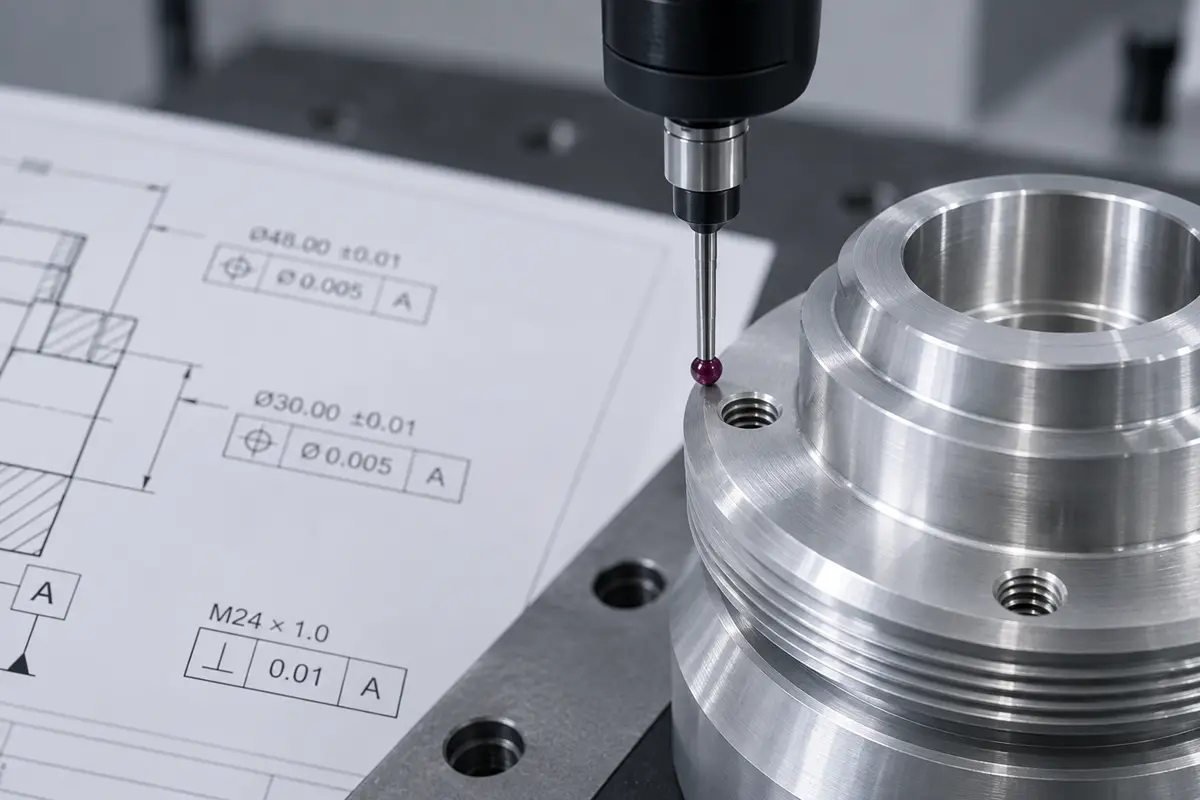
This guide covers feature assignment, distortion allowances, datum control, post-heat-treatment finishing, and inspection for heat-treated parts.
Check machining, heat treatment, finishing, FAI, CMM inspection, and lot traceability before approving a soft-machining supplier.
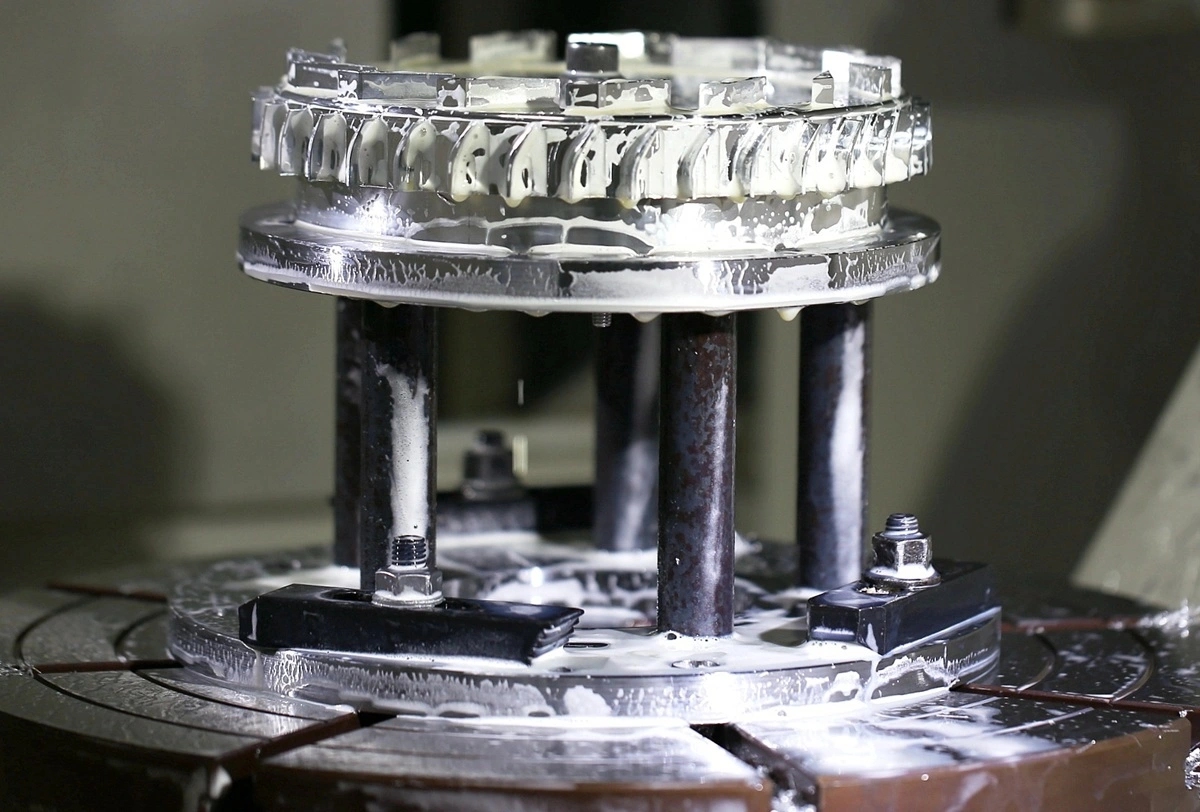
A jig guides the cutting tool, while a fixture controls the workpiece. This guide helps engineering and sourcing teams choose a CNC workholding strategy and prepare a clear fixture RFQ.
A CNC prototype can confirm design and function, but production requires a controlled part definition, repeatable machining route, and inspection plan. This guide explains how to prepare a pilot run, control revisions and process changes, compare prototype and production costs, and assemble an RFQ for custom parts.
Surface roughness affects sealing, sliding contact, appearance, and inspection cost. Learn how to specify Ra or Rz and verify CNC part surfaces.
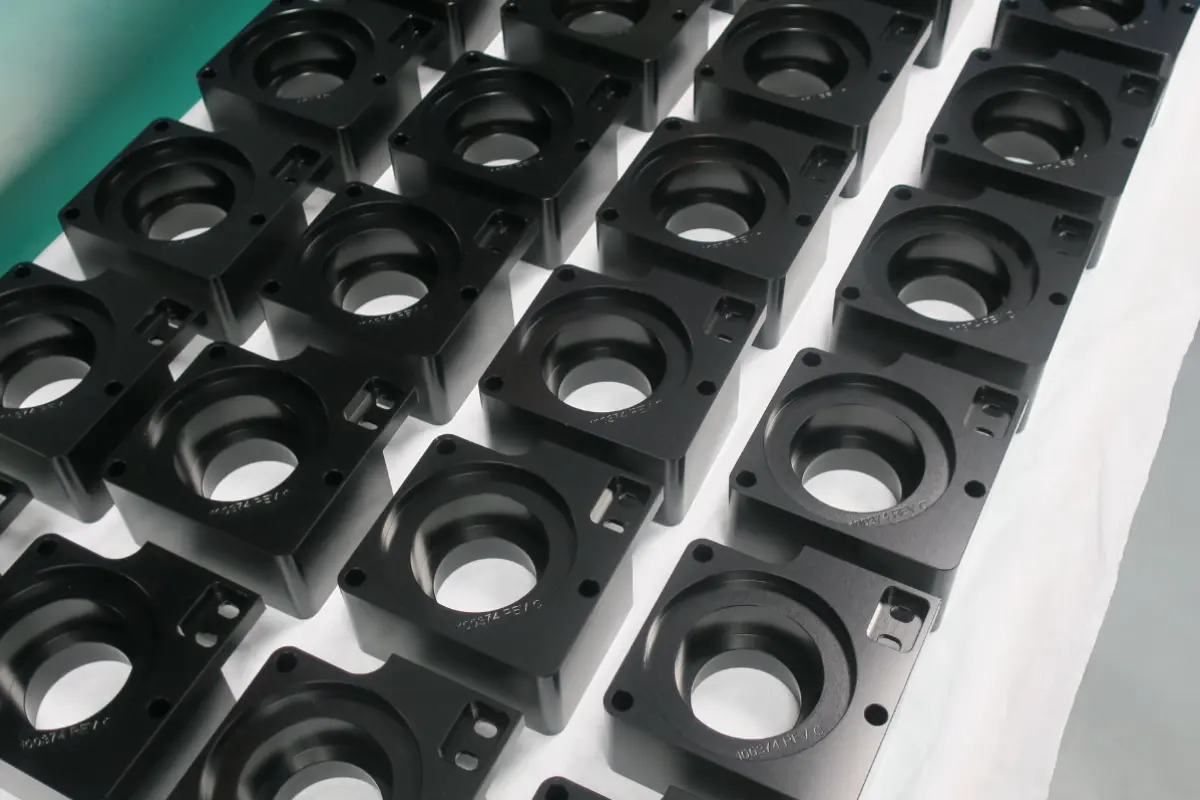
See how machining routes, setup work, geometry, quality requirements, and batch size shape a custom CNC quote, then prepare a clearer RFQ and compare supplier bids on the same scope.
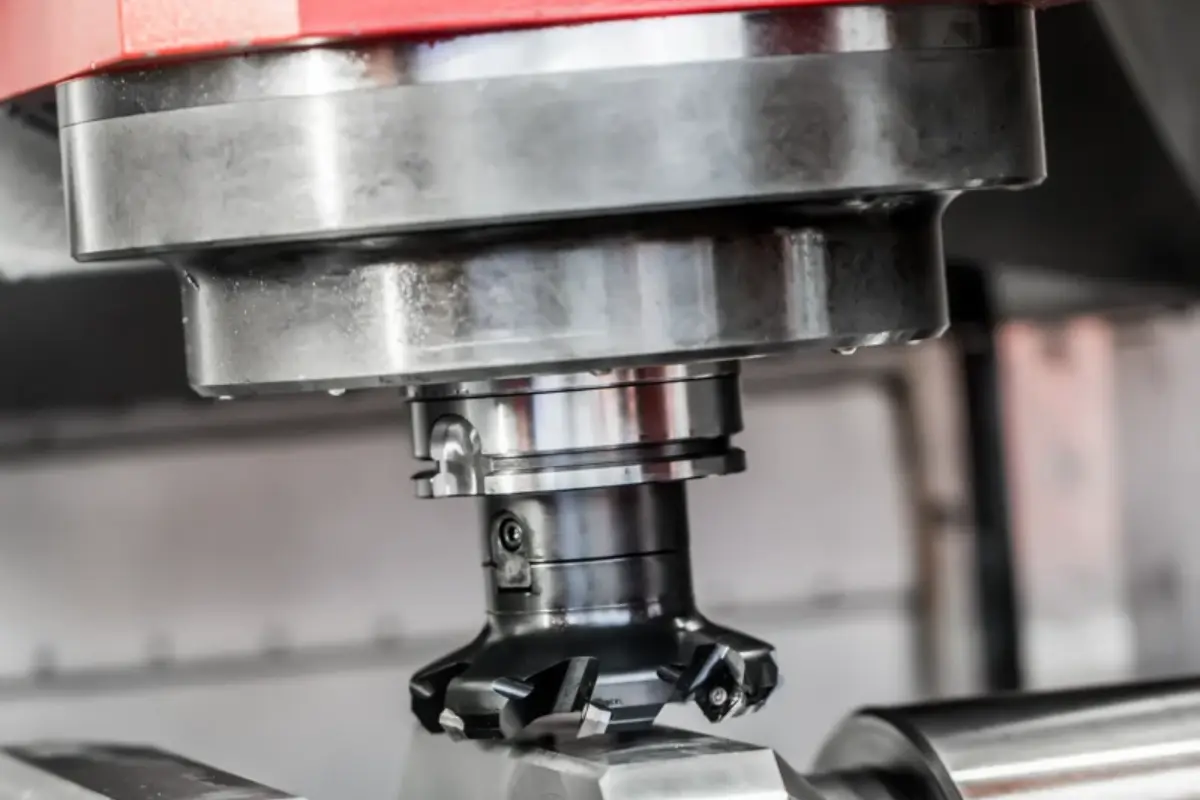
See how climb and conventional milling affect chip formation, cutting forces, surface finish, and setup decisions for CNC parts.
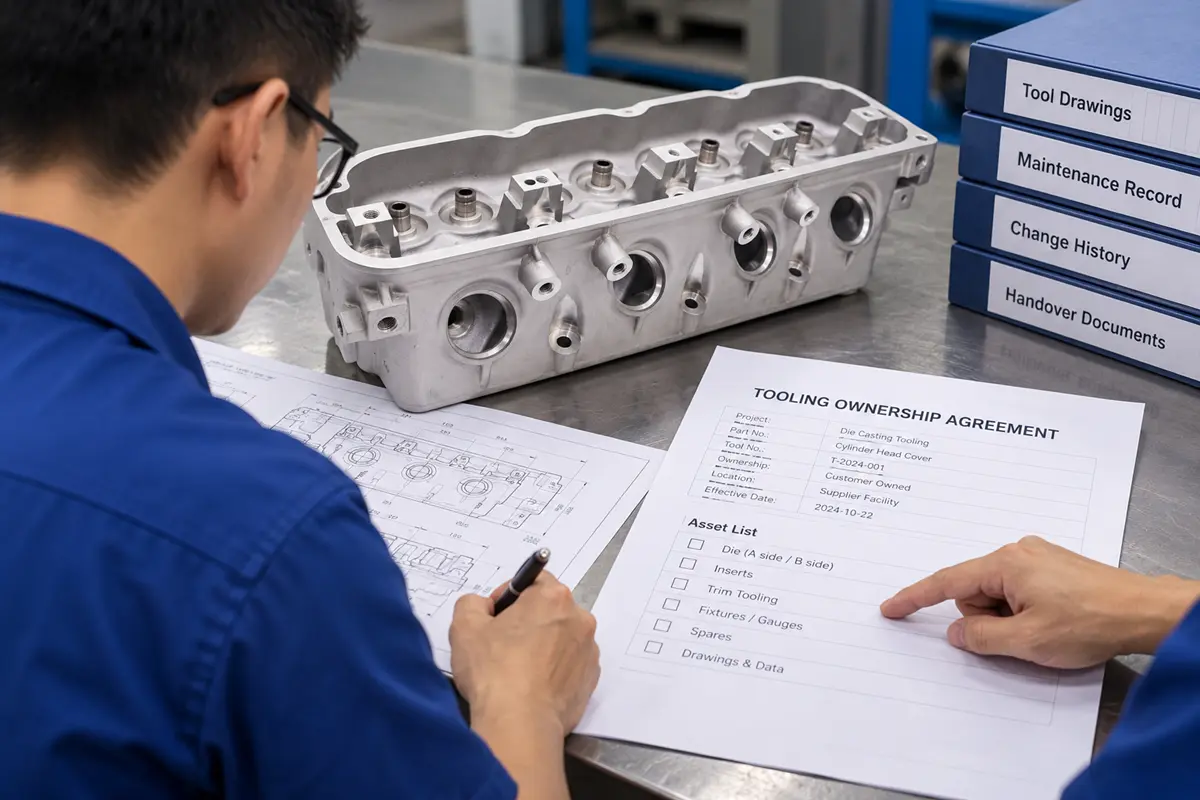
Use this buyer guide to define die cast tooling ownership, custody, maintenance, changes, and release terms before ordering.
A single tooling total can hide differences in die configuration, included work, trial scope, and exclusions. Use this guide to prepare a controlled product package and compare supplier quotes before ordering.
Review how part geometry, fill, cooling, ejection, machining, and cavity configuration shape die cast tooling before toolmakers cut the steel. This guide shows buyers what to confirm with a die-casting partner.
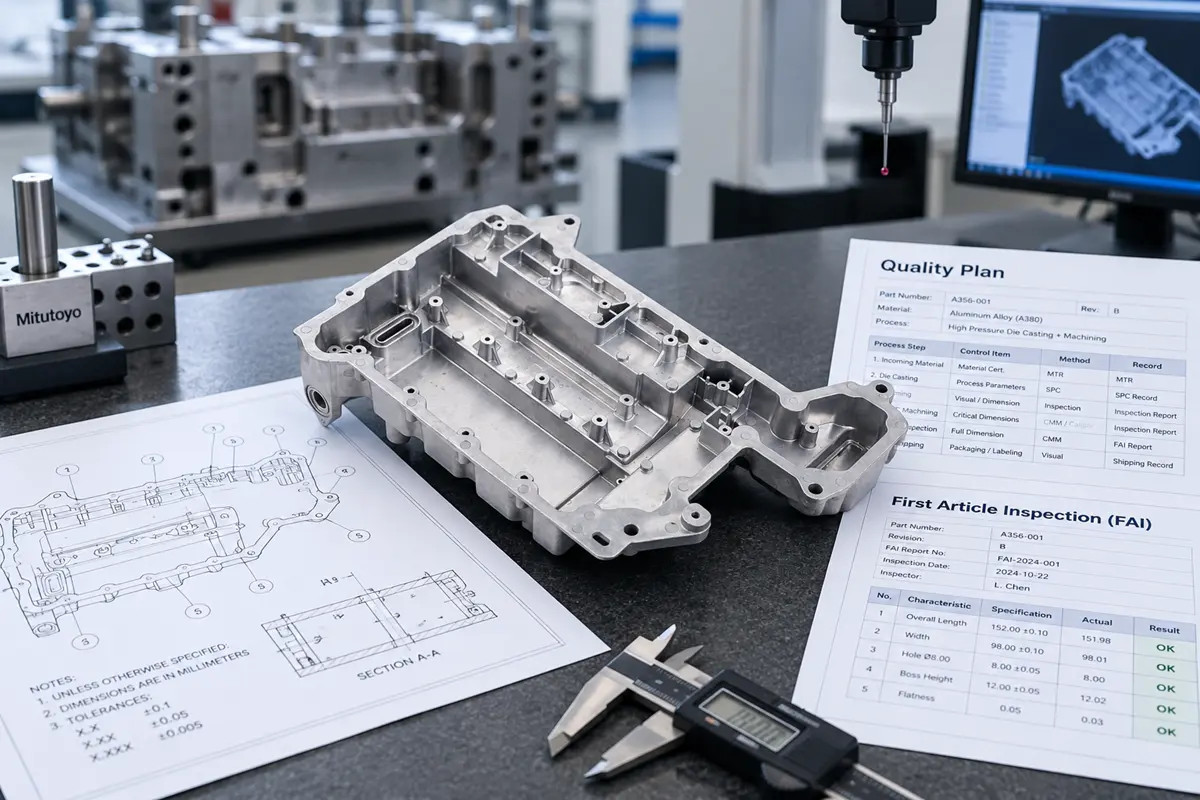
An OEM high pressure die casting quality plan connects the released part definition to tooling, process controls, post-machining, inspection evidence, and approval decisions. This guide explains how to manage critical features, first articles, change control, functional testing, and RFQ scope before production release.
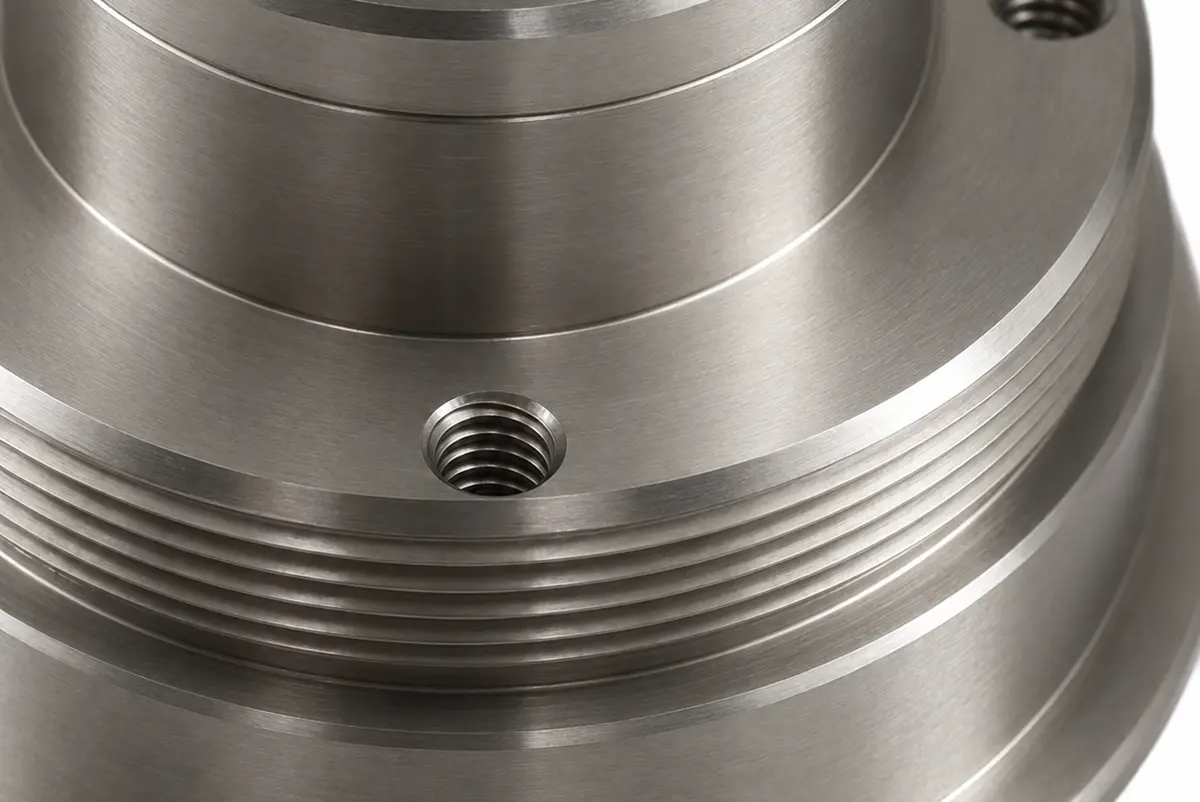
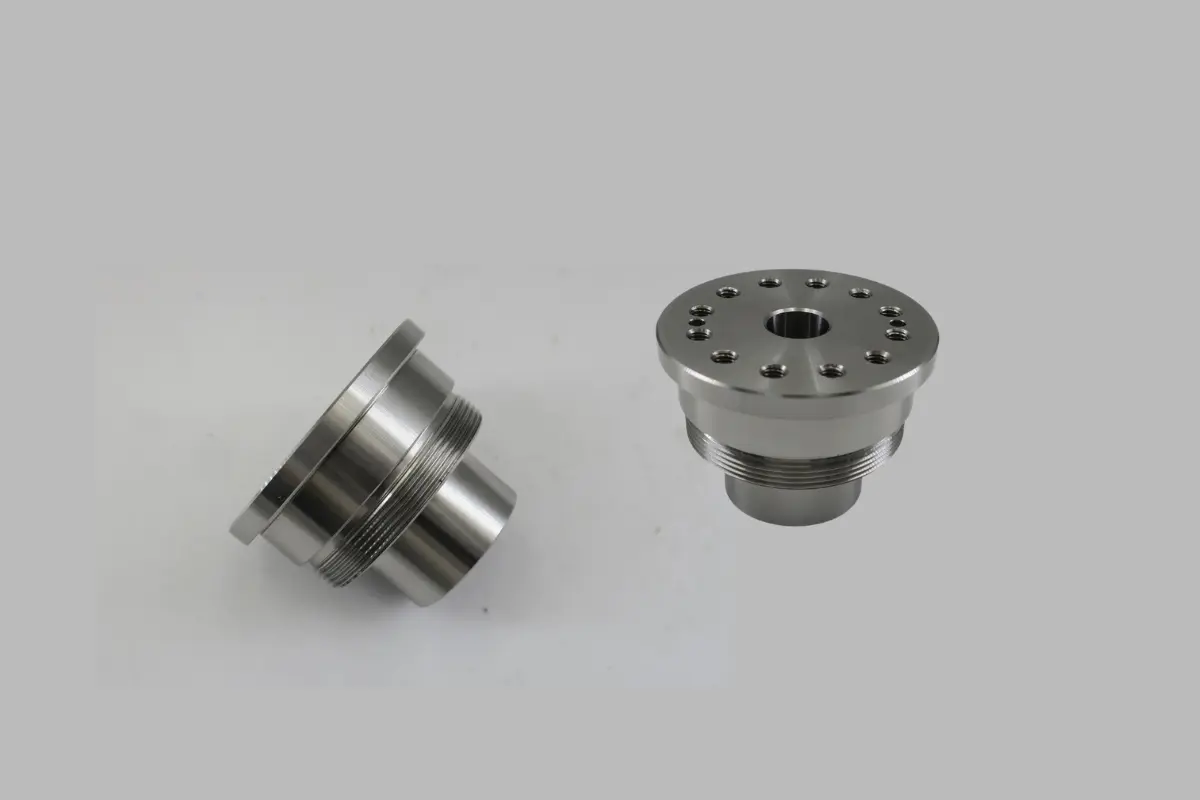
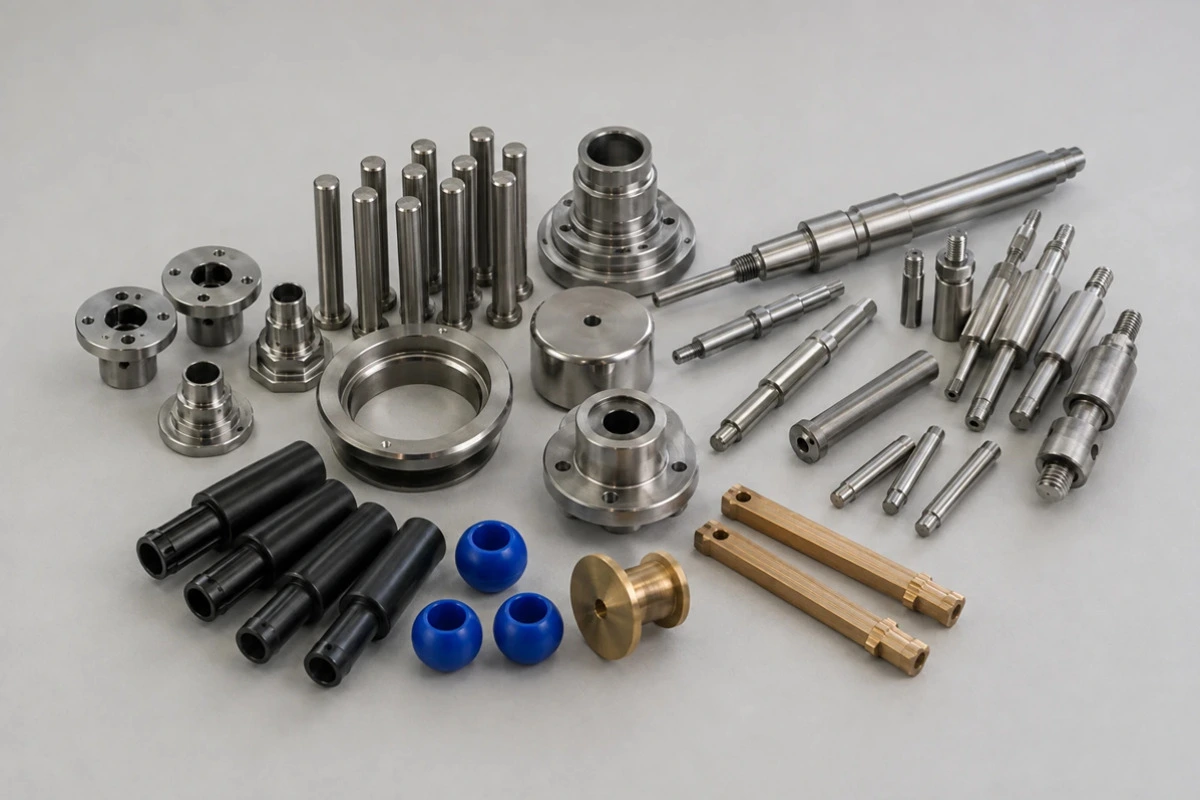
Quick Answer CNC turned parts are axisymmetric components produced by rotating bar, tube, or a preform against cutting tools. The process is ideal for shafts, pins, sleeves, bushings, threaded adapters, valve components, sensor housings, optical barrels, and other parts whose critical features share a centerline. For mechanical engineers, however, diameter