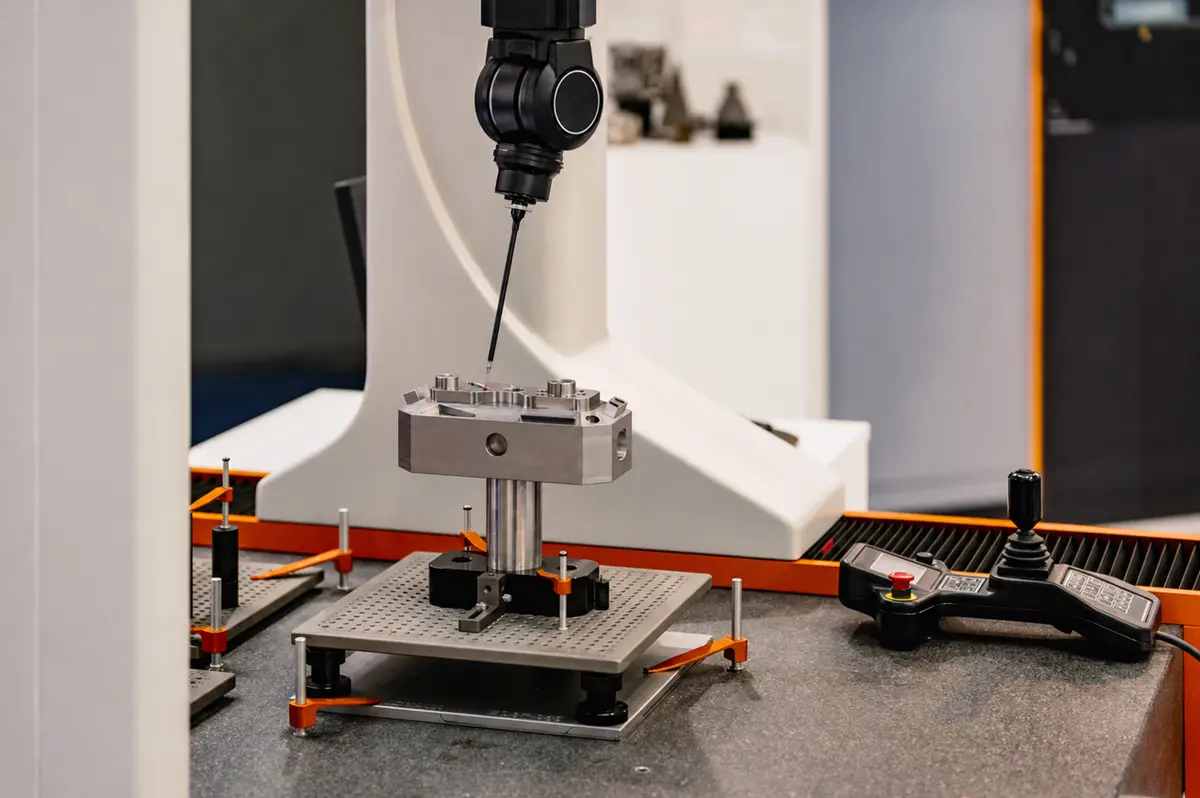

4130 steel combines strength, weldability, and machinability, making it a common material for aerospace, motorsports, and industrial components. This guide covers CNC machining processes, tooling, challenges, and best practices for machining 4130 steel.
What Is 4130 Steel
4130 steel is a low-alloy chromium-molybdenum steel known for its combination of strength, toughness, and manufacturing versatility. It belongs to the chromoly steel family and is commonly selected for applications that require reliable mechanical performance without the cost of higher-alloy materials. Its ability to support machining, welding, and heat treatment makes it suitable for structural parts, welded assemblies, and precision machined components.
Chemical Composition and Alloying Elements
4130 steel belongs to the chromium-molybdenum alloy steel family. Chromium contributes to strength, hardenability, and wear resistance, while molybdenum improves toughness and mechanical stability. Together, these alloying elements provide a practical balance of performance, weldability, and manufacturing flexibility.
Why 4130 Is Called Chromoly Steel
The term chromoly steel is derived from the two primary alloying elements in 4130 steel: chromium and molybdenum. For this reason, the material is also known as chromium molybdenum steel. The name is widely recognized in aerospace, motorsports, and performance engineering, where lightweight structures often require a combination of strength, durability, and weldability.
Common Stock Forms
Manufacturers typically purchase 4130 steel in several standard stock forms depending on the intended machining process and final part geometry.
Round Bar
Round bar is commonly used for shafts, pins, bushings, spacers, and other turned components produced on CNC lathes.
Plate
Plate stock is suitable for brackets, mounting components, tooling, and structural parts that require milling operations on multiple surfaces.
Tube
4130 tubing is widely used for lightweight welded assemblies, frames, support structures, and fabricated components where strength and reduced weight are equally important.
CNC Machining Processes for 4130 Steel
4130 steel CNC machining commonly includes turning, milling, drilling, and threading operations. These processes allow manufacturers to produce precision components ranging from simple rotational parts to complex structural assemblies.
4130 Steel Turning
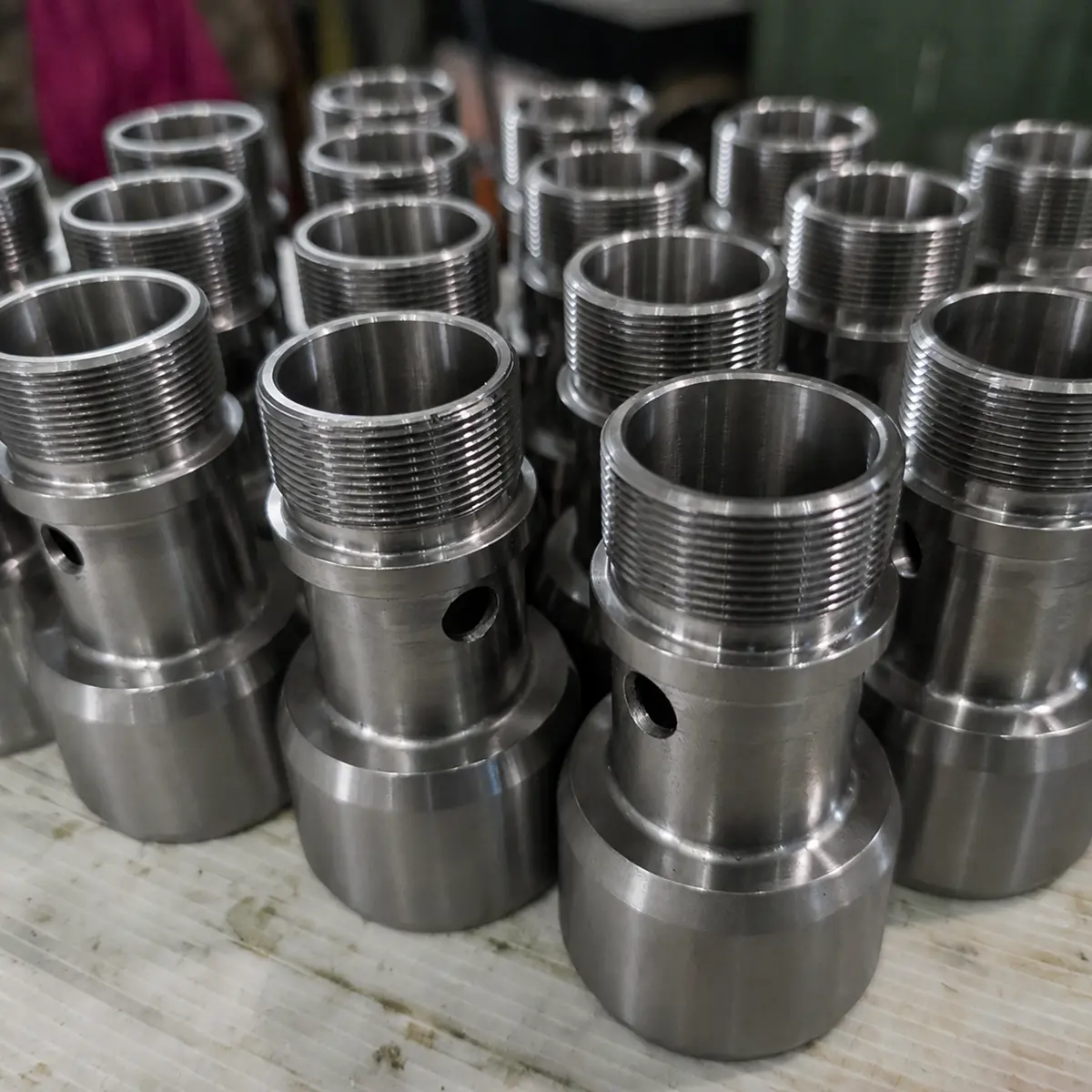
4130 steel turning is used to produce shafts, pins, bushings, sleeves, and other cylindrical components. CNC lathes can efficiently machine diameters, shoulders, grooves, tapers, and bearing surfaces while maintaining consistent dimensional accuracy.
4130 Steel Milling
4130 steel milling is used to create flat surfaces, pockets, slots, contours, and other non-rotational features. It is commonly applied to brackets, structural components, and custom machined parts that require multiple machined faces or complex geometries.
4130 Steel Drilling
4130 steel drilling creates holes used for assembly, fastening, alignment, and fluid transfer. Additional operations such as reaming, counterboring, or countersinking may be performed when tighter tolerances or specific functional requirements are needed.
4130 Steel Threading
4130 steel threading produces internal or external threads for mechanical assembly. Common methods include tapping, thread milling, and single-point threading, depending on thread size and application requirements.
4130 Steel Machinability
The machinability of 4130 steel affects cutting efficiency, tool life, surface finish, and production cost. Although stronger than many carbon steels, 4130 remains suitable for a wide range of CNC machining operations when proper tooling and machining parameters are used.
Is 4130 Steel Easy to Machine
4130 steel is generally considered to have moderate machinability. It does not machine as easily as aluminum, brass, or free-machining steels, but it is easier to process than many higher-strength alloy steels, particularly in its annealed or normalized condition.
What Is the Machinability of 4130 Steel
4130 steel is commonly selected when a project requires a balance between mechanical performance and manufacturing efficiency. While cutting forces are higher than those of softer materials, the material remains practical for turning, milling, drilling, and threading operations.
Factors Affecting Machinability
Several factors can influence machining performance and should be considered during process planning.
Hardness
Higher material hardness generally increases cutting forces and machining difficulty.
Heat Treatment
Annealed or normalized material is typically easier to machine than hardened and tempered material.
Tool Selection
Tool geometry, coating, and cutting material all affect cutting performance, surface finish, and tool life.
Challenges of Machining 4130 Steel
Although 4130 offers good overall machinability, manufacturers must still address several factors that can affect productivity, dimensional accuracy, and part quality. These 4130 steel machining challenges become more significant when producing tight-tolerance or heat-treated components.
Tool Wear
The strength and alloy content of 4130 can generate higher cutting loads than aluminum or low-carbon steels. As tools wear, surface finish, dimensional accuracy, and machining consistency may gradually decline.
Heat Generation
Cutting pressure and friction generate heat during machining. Excessive heat can reduce tool life and affect surface quality, particularly during long machining cycles or heavy material removal operations.
Chip Control
4130 steel may produce long, continuous chips under certain cutting conditions. Poor chip evacuation can lead to chip recutting, surface damage, and reduced machining efficiency, especially in deep pockets and narrow features.
Distortion After Heat Treatment
Heat treatment can cause dimensional movement due to the release of residual stresses within the material. Thin walls, long sections, and uneven geometries are generally more susceptible to distortion and may require finish machining afterward.
Best Tooling for Machining 4130 Steel
Selecting the best tooling for machining 4130 steel helps improve machining efficiency, tool life, and part quality. Because 4130 combines moderate machinability with relatively high strength, tooling must maintain stable cutting performance under continuous cutting loads.
Carbide End Mills
Carbide end mills are commonly used for slotting, pocketing, contouring, and other milling operations. Their wear resistance and rigidity help maintain feature accuracy while supporting higher cutting speeds than high-speed steel tools.
Indexable Inserts
Indexable inserts are widely used for rough turning and high material removal applications. They reduce tooling costs and downtime while providing flexibility through different insert geometries for chip control and surface finish requirements.
Coated Cutting Tools
Coated tools such as TiAlN and AlTiN-coated carbide cutters are frequently used for machining 4130 steel. These coatings improve wear resistance, reduce friction, and help extend tool life during production.
Recommended Cutting Strategies
Effective chip evacuation, stable tool engagement, and balanced material removal all contribute to consistent machining performance. For heat-treated components, leaving a small amount of material for finish machining can help compensate for potential dimensional movement and improve final accuracy.
Heat Treatment and Machining Sequence
Many 4130 components undergo heat treatment during manufacturing. To balance machining efficiency and dimensional accuracy, machining operations are typically divided into stages before and after heat treatment.
Machining Before Heat Treatment
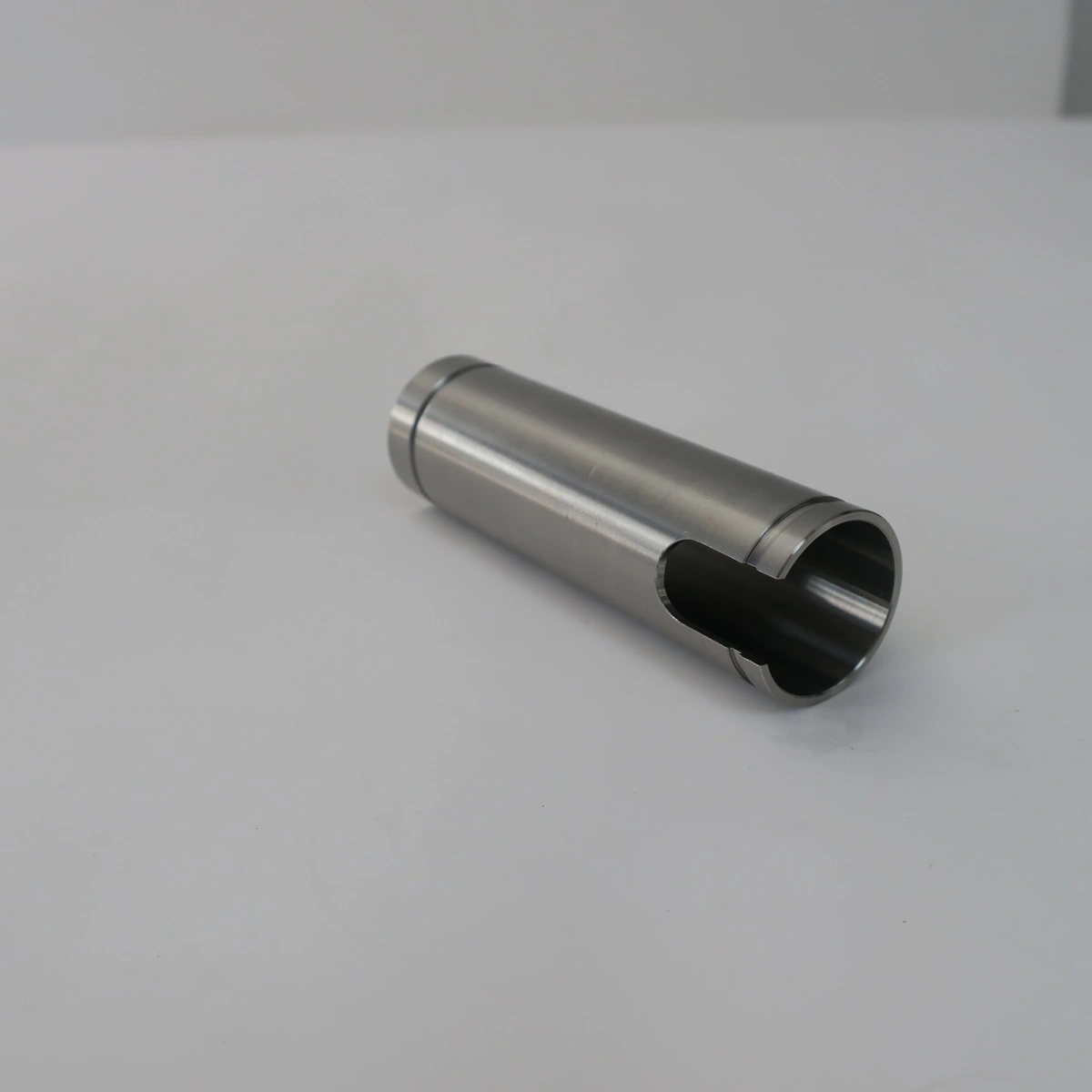
Most material removal is performed before heat treatment while the material remains easier to machine. Rough turning, milling, drilling, and other stock-removal operations are commonly completed at this stage to improve efficiency and reduce tooling costs.
Machining After Heat Treatment
After hardening and tempering, 4130 steel generally requires more conservative machining parameters. Finish turning, milling, reaming, and precision boring are often performed to refine dimensions and achieve final specifications.
Finish Machining Critical Features
Critical features such as precision bores, bearing seats, and sealing surfaces are frequently finish machined after heat treatment. This approach helps compensate for dimensional movement and ensures final tolerances are achieved.
Common Applications of Machined 4130 Parts
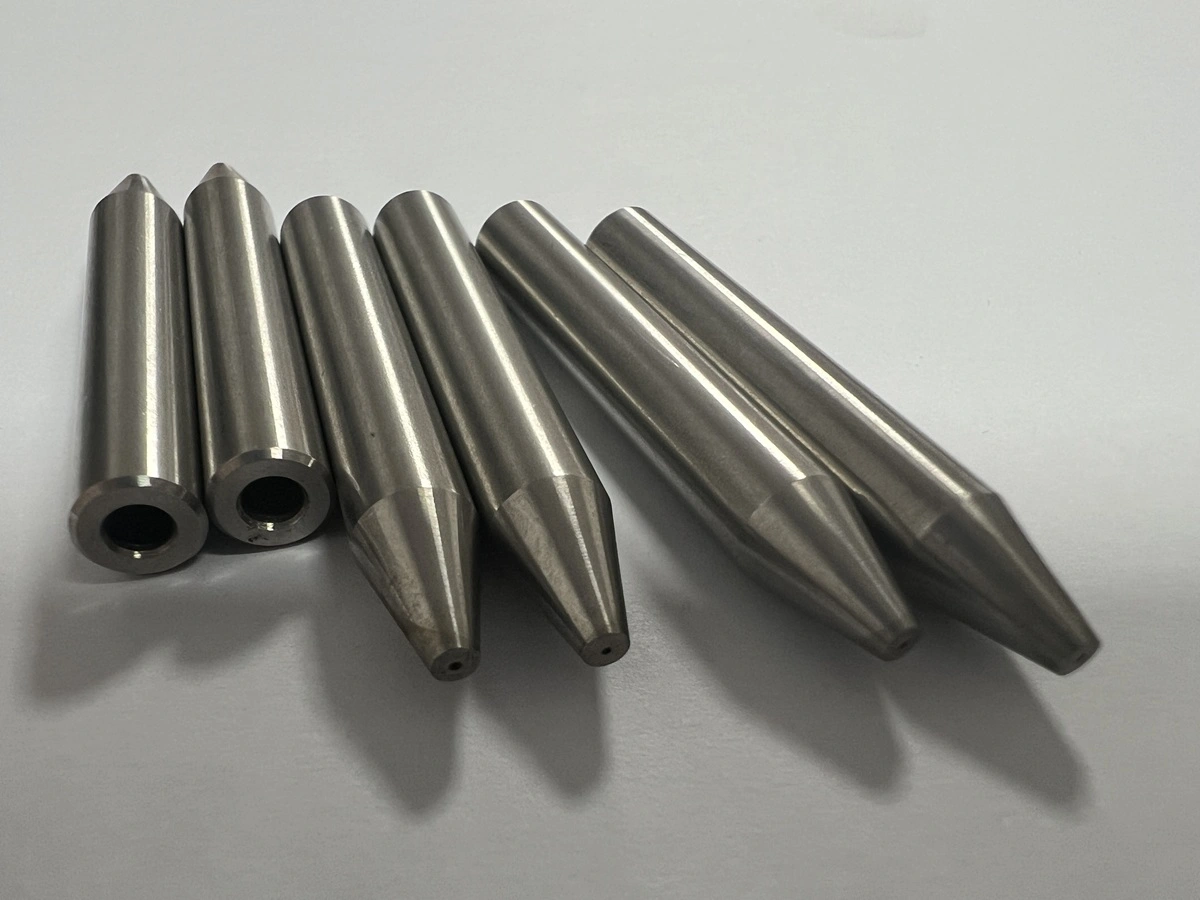
Machined 4130 components are used across aerospace, motorsports, structural systems, and industrial equipment where strength, weldability, and weight reduction are important considerations.
Aerospace Components
4130 steel for aerospace parts is commonly used for control system components, mounting brackets, structural fittings, and support assemblies that require reliable mechanical performance and dimensional accuracy.
Race Car Components
4130 steel for race car components is frequently used for roll cages, suspension mounts, chassis reinforcements, steering assemblies, and other structural parts where strength and reduced weight are both important.
Structural Components
4130 steel is widely used in truss structures, equipment supports, transportation frameworks, and welded assemblies that must withstand repeated loading and vibration.
Industrial Equipment
Common industrial applications include hydraulic assemblies, power transmission components, machine frames, actuation systems, and other industrial steel components that require durability and long service life.
Design Tips for Machining 4130 Steel
Part design can significantly affect machining efficiency, dimensional accuracy, and production cost. When machining 4130 steel, several design considerations can help simplify manufacturing and improve part quality.
Avoid Deep Narrow Features
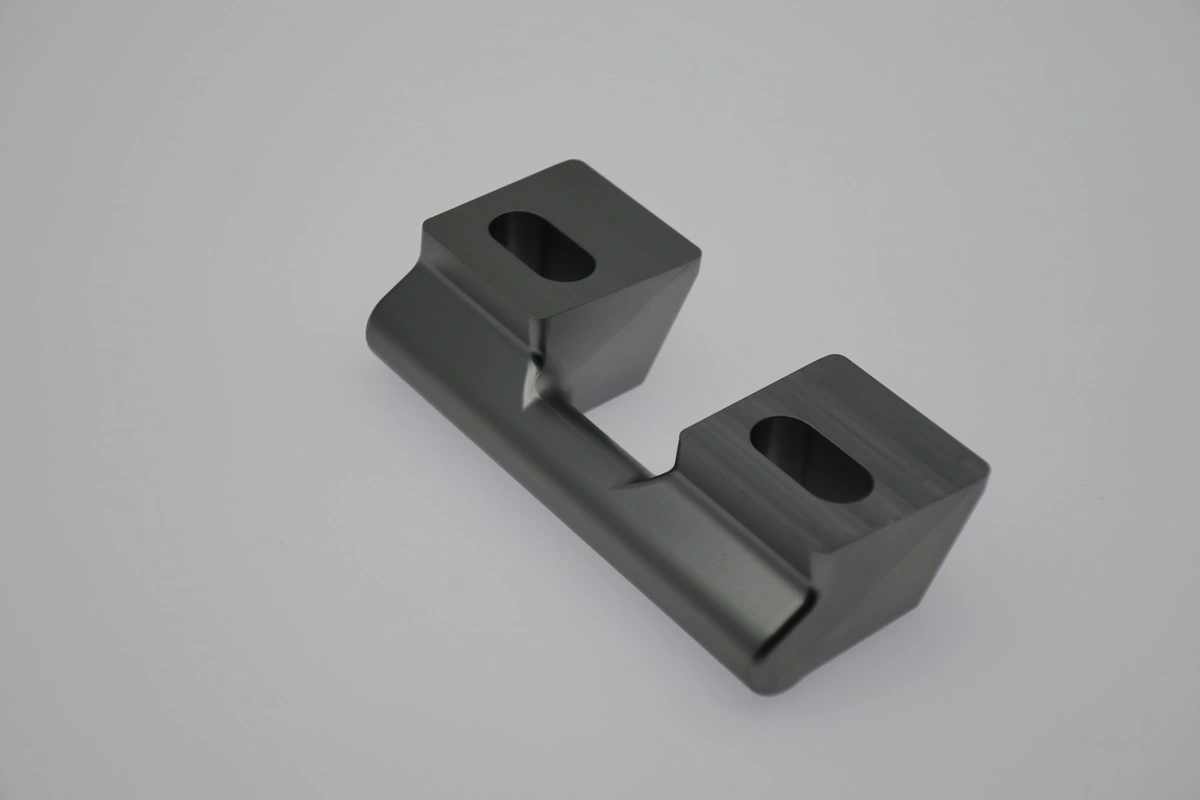
Deep narrow pockets, slots, and cavities can increase tool deflection, vibration, and machining difficulty. Whenever possible, use wider and more accessible geometries to improve machining stability and dimensional control.
Allow Tool Access
Adequate tool access helps reduce setup complexity and machining time. Features such as deep recesses and confined internal corners should be designed to allow cutting tools to reach critical areas efficiently.
Leave Stock for Finishing
Leaving a small amount of material for finishing helps achieve better control of critical dimensions and functional surfaces. This approach is particularly useful for parts with tight tolerances or precision mating features.
Consider Heat-Treatment Distortion
Thin walls, long unsupported sections, and uneven cross-sections may increase the risk of dimensional movement after heat treatment. Allowing additional machining stock on critical features can help compensate for potential distortion.
Why Choose Rollyu for 4130 Steel Machining
Rollyu provides CNC milling and CNC turning services for custom 4130 steel parts. From prototypes to production runs, we support tight-tolerance machining for structural, industrial, and precision-engineered components.
F A Q
Is 4130 Steel Easy to Machine
Yes. 4130 steel is generally considered easier to machine than many high-strength alloy steels, particularly in its annealed or normalized condition. It offers a practical balance between machining efficiency and mechanical performance.
Can 4130 Steel Be CNC Machined
Yes. 4130 steel can be CNC machined using turning, milling, drilling, and threading operations. It is commonly used for precision components that require both strength and dimensional accuracy.
What Is the Machinability of 4130 Steel
4130 steel is typically regarded as having moderate machinability. Factors such as material hardness, heat-treatment condition, tooling selection, and cutting parameters can all influence machining performance.
What Tooling Is Best for Machining 4130 Steel
Carbide cutting tools are commonly used for machining 4130 steel due to their wear resistance and cutting stability. Coated carbide end mills and indexable inserts are frequently selected for both milling and turning operations.
Is 4130 Harder to Machine Than 4140
Generally, 4130 is considered slightly easier to machine than 4140 due to differences in composition and typical hardness levels. The best material choice depends on the performance requirements of the application.
Can 4130 Be Machined After Heat Treatment
Yes. 4130 can be machined after heat treatment, although lower cutting speeds and more conservative machining parameters are often required. Critical features are frequently finish machined after heat treatment to achieve final tolerances.
What Is 4130 Steel Commonly Used For
4130 steel is commonly used for aerospace structures, motorsports components, support frames, industrial machinery parts, and welded assemblies where strength and reliability are important.
Conclusion
4130 steel is a practical choice for CNC-machined parts that require good weldability, strength, and manufacturing flexibility.
For applications that demand higher strength and wear resistance, 4140 steel may be a better alternative. Explore our 4140 Alloy Steel Machined Parts services to learn more.