What's happening in the CNC industry and Rollyu? What trends and innovations shouldn’t be missed? Learn more and check out rollyu's news.
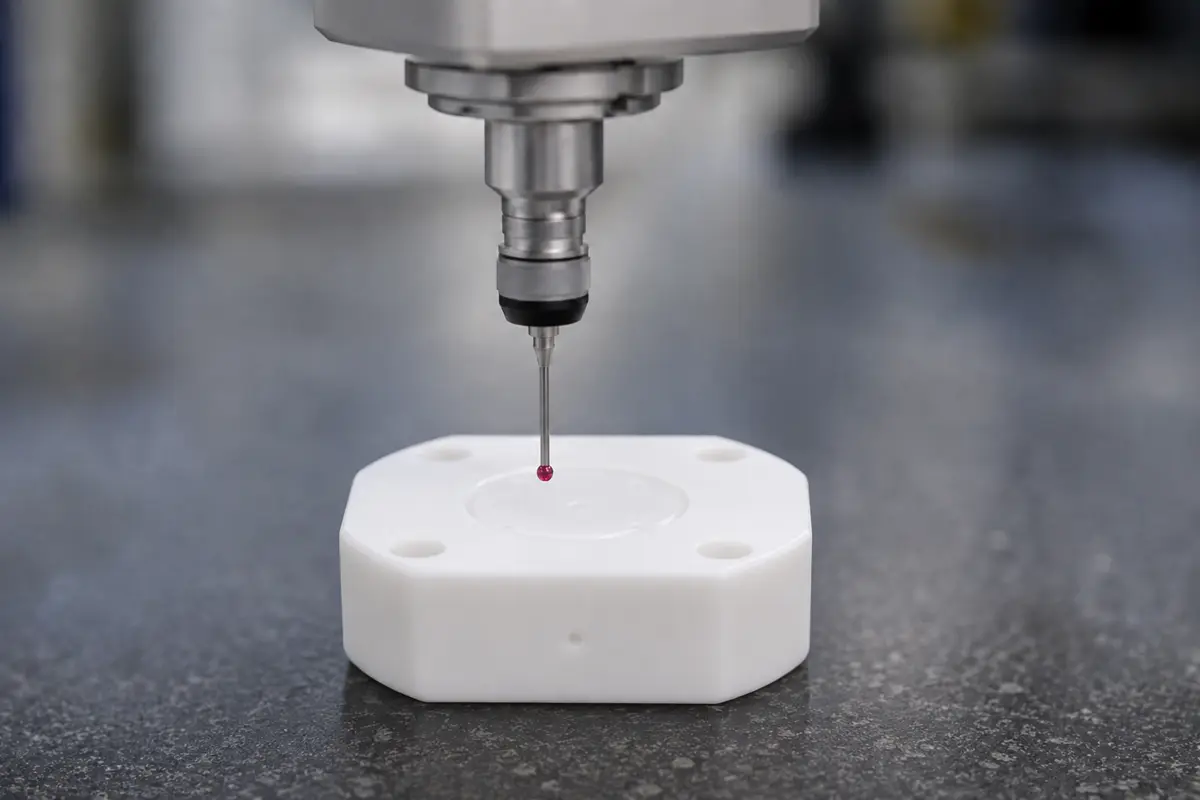
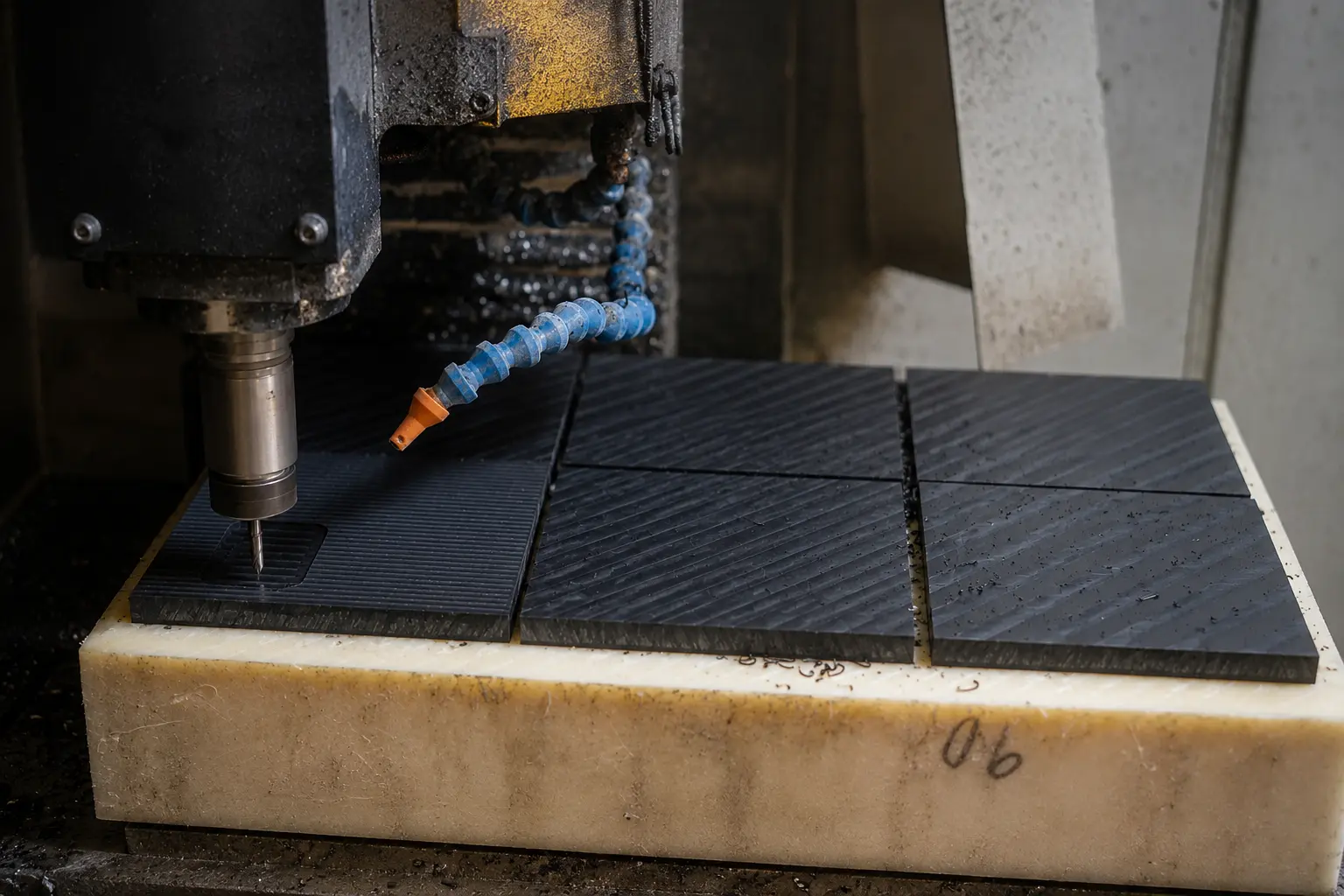
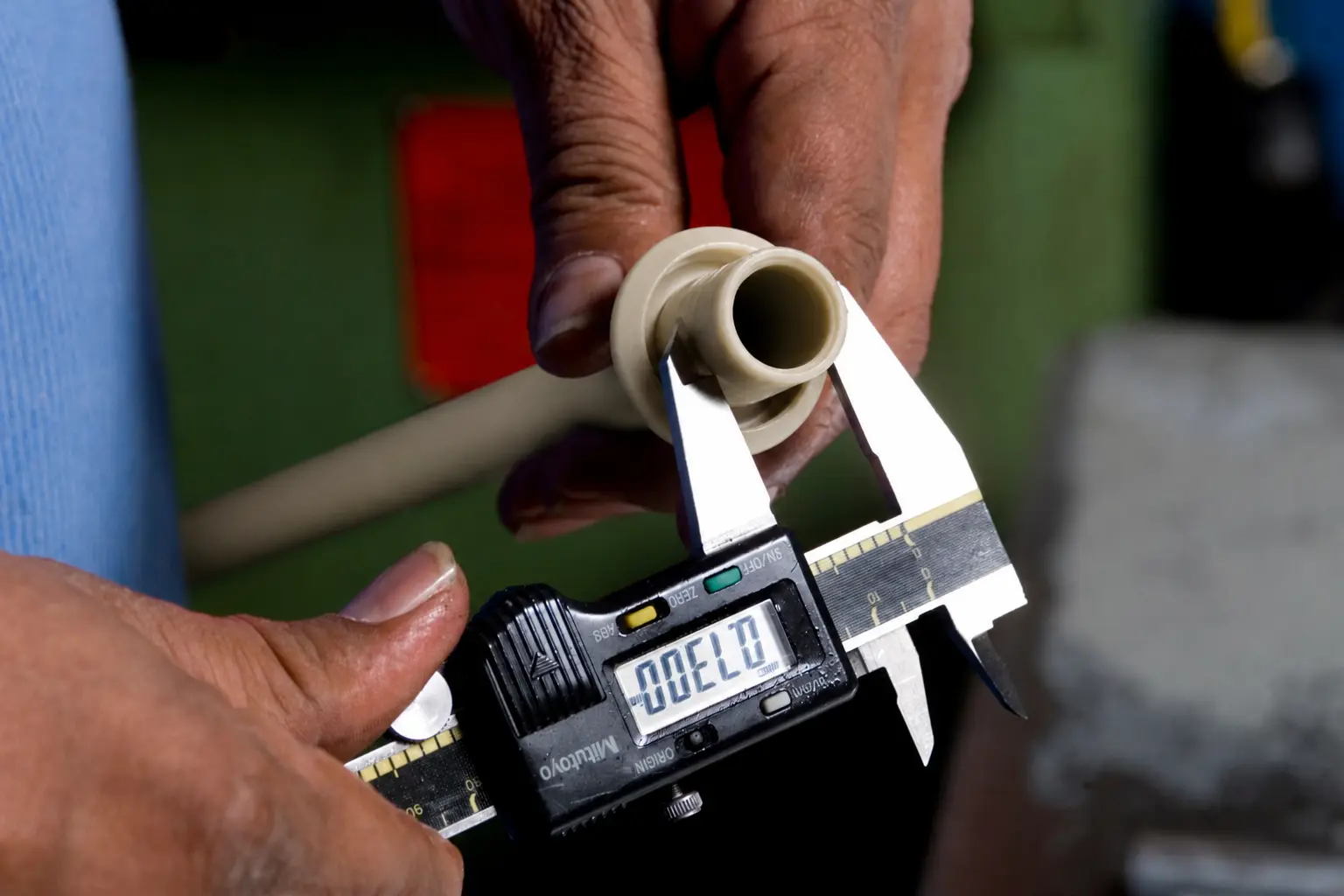
PTFE is valued for low friction, chemical resistance, and insulation, but its softness makes precision machining difficult. This article explains how tooling, support, temperature control, and realistic tolerances help produce stable PTFE CNC parts.
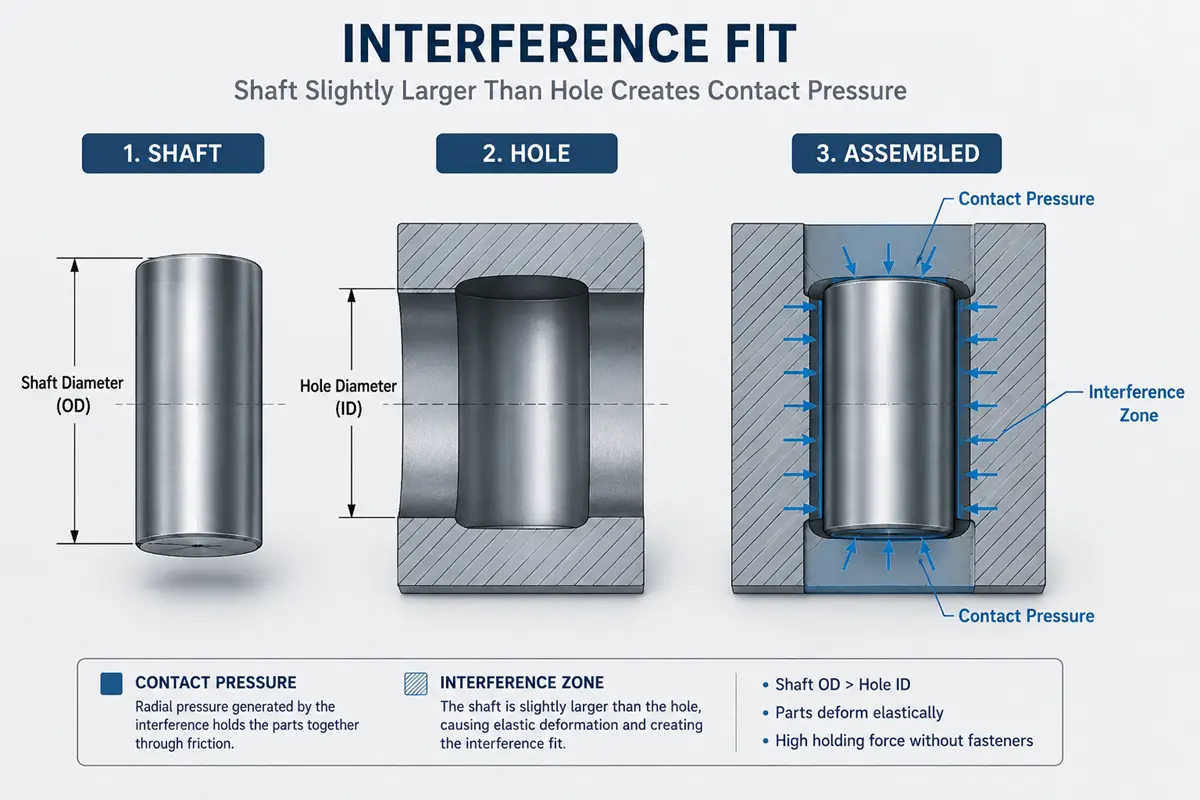
A practical guide to interference fit types, tolerances, and design rules that keep a pressed joint from spinning loose or cracking.
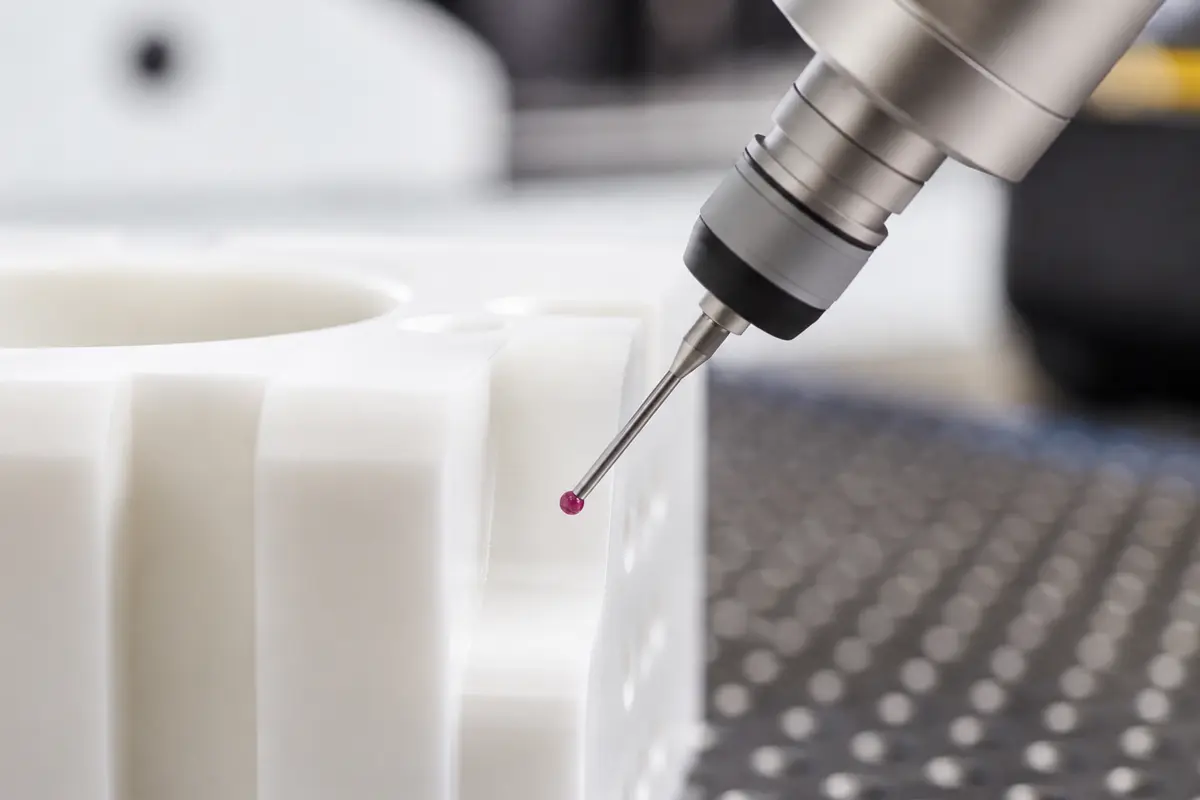
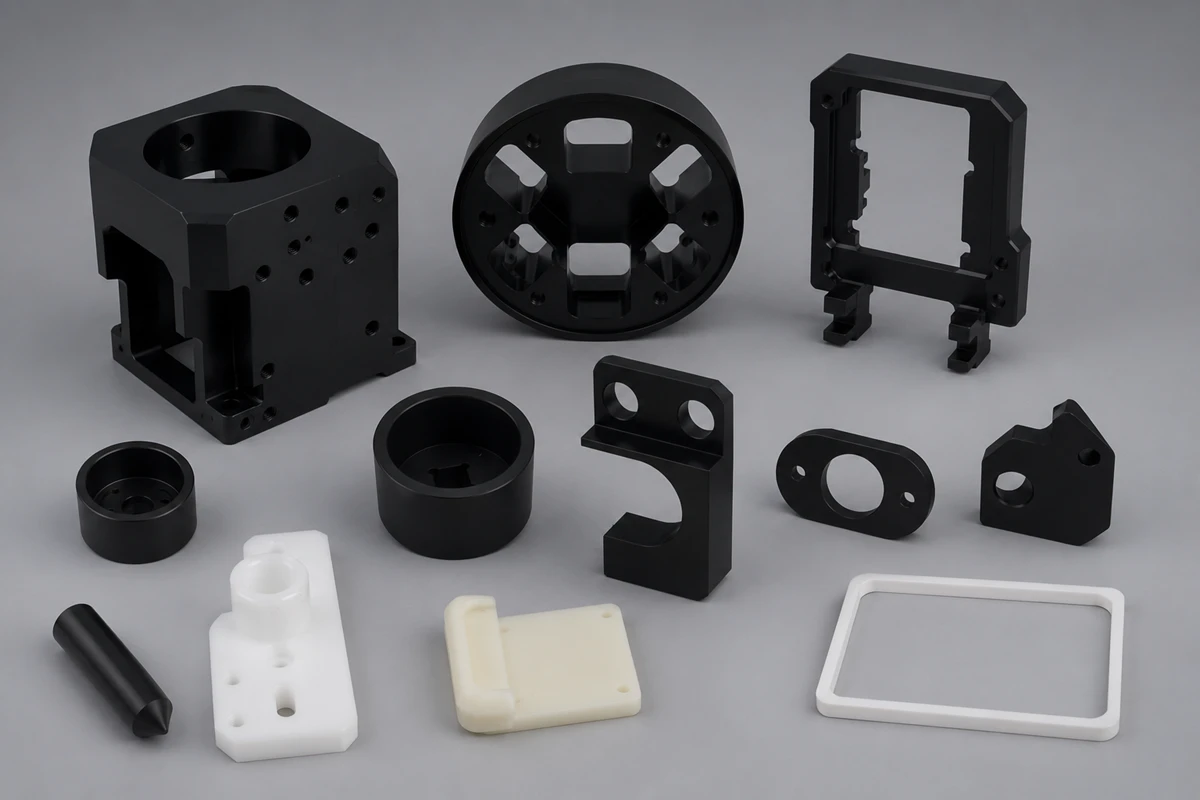
Plastic machining enables the production of complex, high-precision components from a wide range of engineering plastics. At Rollyu Precision, materials such as PEEK, Delrin, Nylon, and PTFE are commonly machined for applications requiring tight tolerances and reliable dimensional stability. Material selection, machining strategy, and process control all play a key
When engineers design components subjected to heavy loads, repeated impact, or demanding operating conditions, material selection becomes critical. Among the many engineering steels available today, AISI 4140 alloy steel remains one of the most trusted choices. Its unique combination of strength, toughness, wear resistance, heat treatability, and reasonable machinability makes
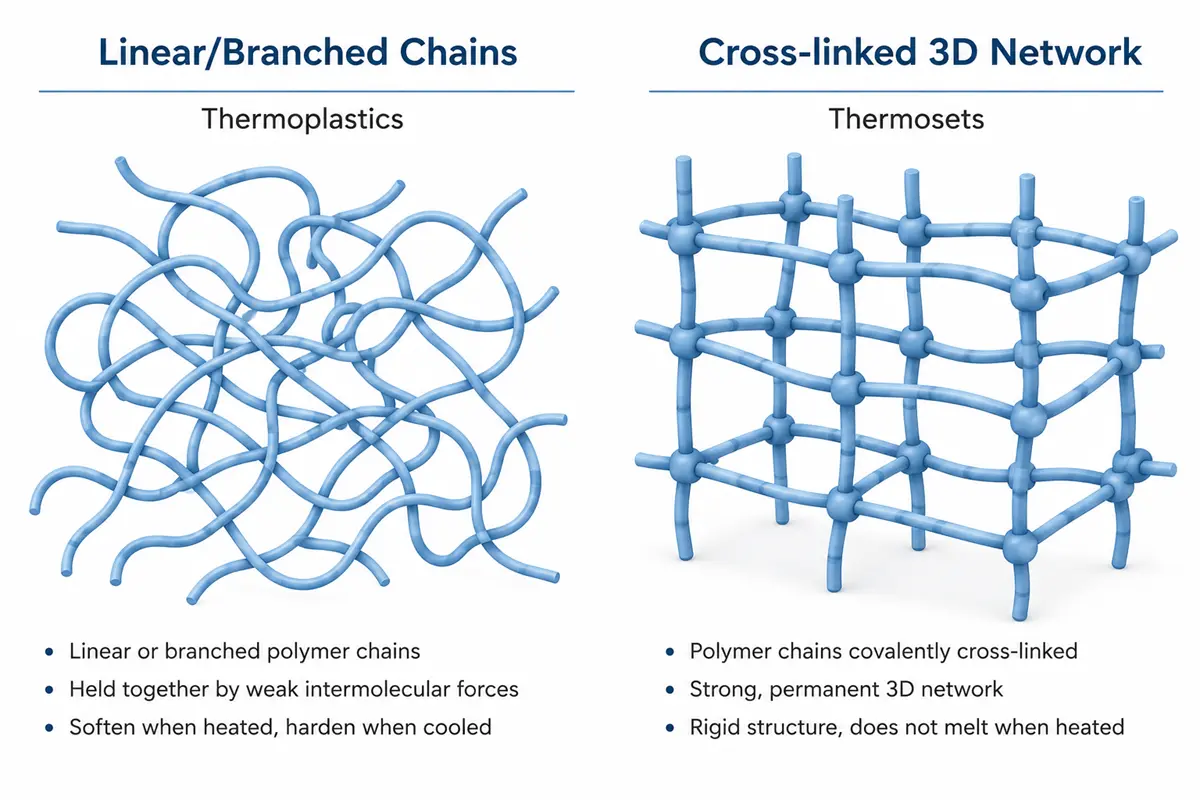
Thermosets and thermoplastics differ mainly in how they respond to heat. This guide compares their structure, strength, recyclability, machinability, and best-use cases for medical, semiconductor, photonics, and robotics parts.
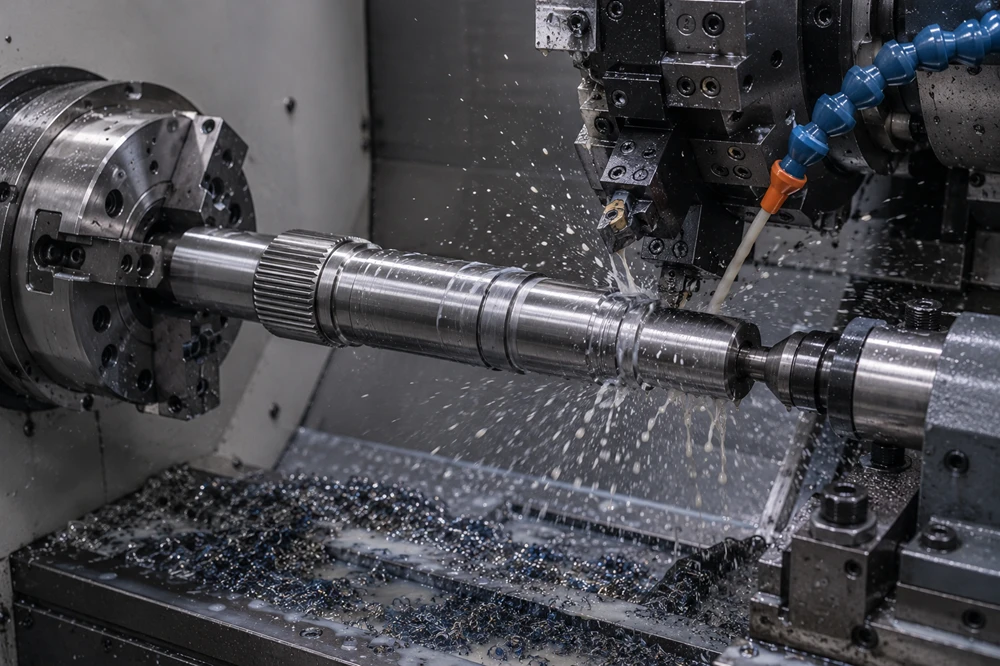
Rollyu Precision provides precision alloy steel CNC machining services for high-strength, wear-resistant, and heat-treated custom parts. We machine 4130, 4140, 4340, 8620, 52100 bearing steel, D2, A2, H13, O1 and other alloy steel materials for aerospace, robotics, automation, semiconductor equipment, motion control systems, energy equipment, medical devices, and industrial machinery.
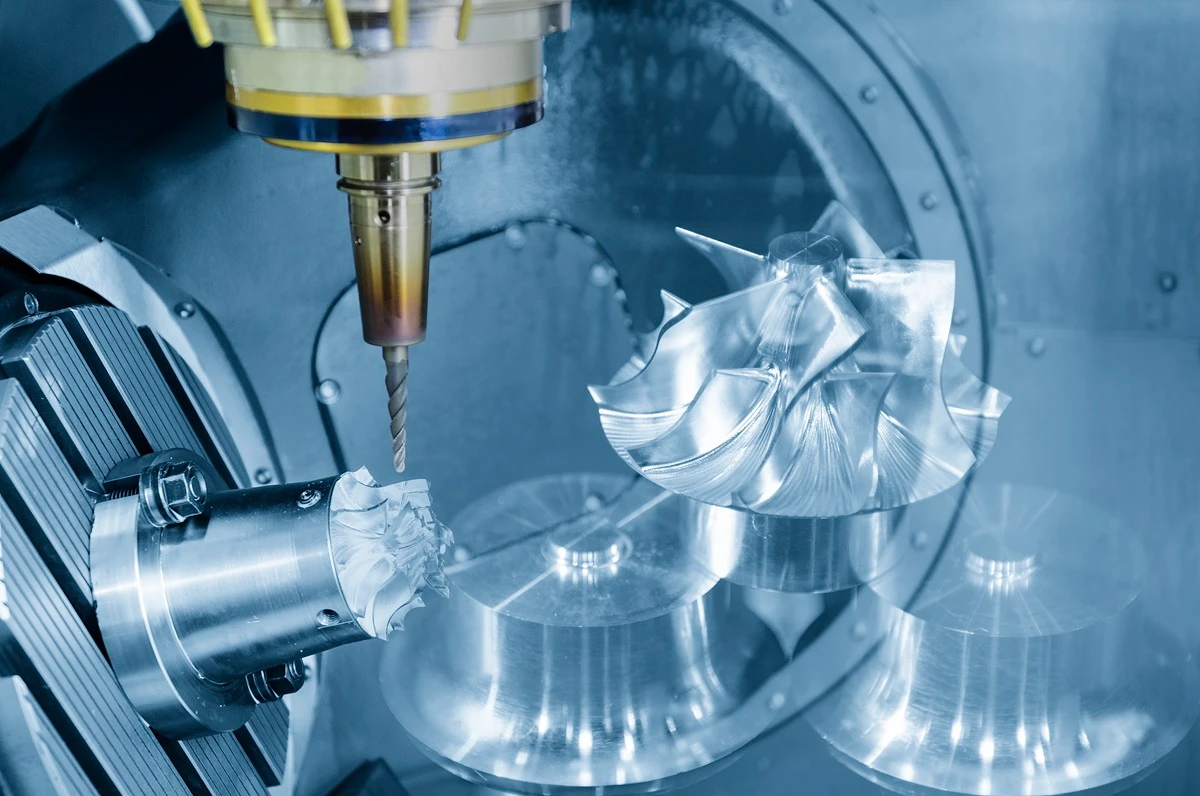
5-axis CNC machining helps consolidate setups for complex geometries, minimizing alignment errors. This complete guide explores its core mechanics, advantages over 3-axis systems, and expert DFM tips to optimize production.
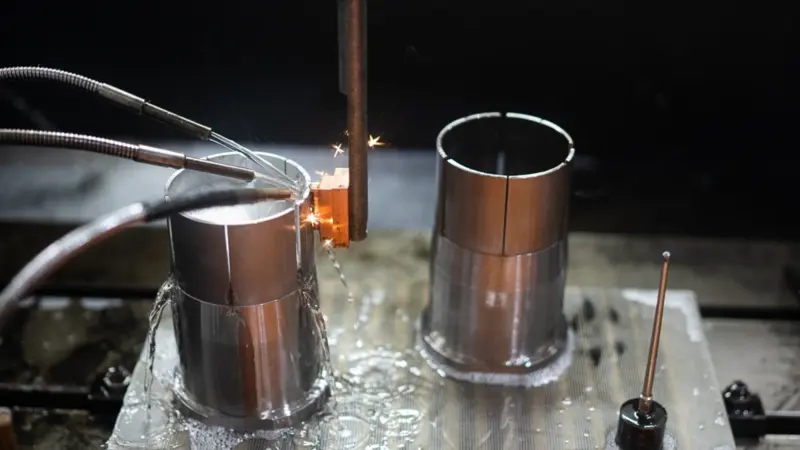
Sinker EDM overcomes traditional machining limits by using thermal erosion to cut tough metals with extreme precision. Read our comprehensive guide to understand the sinker EDM process, compare it with wire EDM, and explore its essential applications in aerospace, medical, and robotics manufacturing.
PEEK and Delrin are two popular engineering plastics used in CNC machined components. Although they may appear similar, they serve different operating requirements and design goals. This article compares their properties, machining characteristics, costs, and applications to help you choose the right material. Understanding the Materials What Is
PEEK has become one of the most widely specified engineering plastics in industries where conventional materials can no longer meet design requirements. As equipment becomes smaller, lighter, and more complex, engineers are increasingly replacing metal components with high-performance polymers in selected applications. At the same time, manufacturing PEEK components is
ACME thread milling cuts internal 29° profiles when rigid tapping fails. This CNC process dictates exact pitch diameters for low-backlash motion and prevents tool breakage in hard alloys.
Engineers love Delrin (POM) for its ‘plastic steel’ properties, but machining it to tight tolerances is notoriously difficult due to its tendency to deform. At Rollyu Precision, we don’t just cut plastic; we manage its internal stresses. By implementing a rigorous set of internal controls, we consistently hold tolerances within