Quick answer: what does stainless steel passivation do?
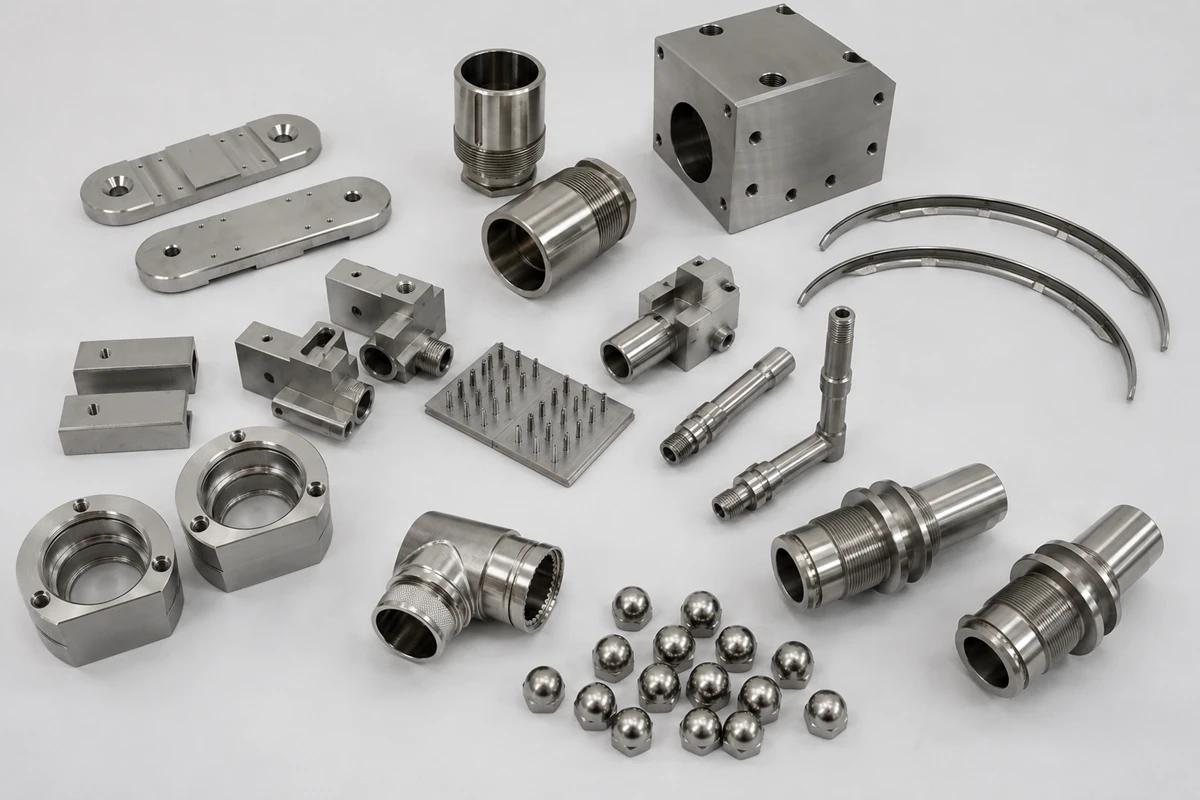
Passivation of stainless steel machined parts is a controlled surface treatment that removes contaminant iron and supports the alloy’s naturally protective, chromium-rich passive surface. It is not a deposited coating or a substitute for proper alloy selection. For equipment components, specify the material condition, governing standard, treatment requirements, verification method and final cleanliness together. Passivation alone does not establish sterility, biocompatibility or semiconductor process compatibility.
A bracket can meet its dimensional drawing and still arrive with staining around a blind hole. A dental equipment holder can look clean yet retain processing residue. A semiconductor fixture can pass a general passivation test while failing the equipment builder’s particle specification.
For mechanical engineers, the useful question is therefore not simply whether a part is passivated. It is whether machining, surface preparation, treatment, rinsing, inspection and packaging form a controlled route for that particular component.
Why can stainless steel rust after machining?
Stainless steel resists corrosion through a thin passive surface that forms in suitable environments. Cutting a fresh surface does not permanently eliminate this ability. However, contamination introduced by shared tools, fixtures, abrasives or handling can compromise surface performance. Oils and machining residues can also interfere with subsequent treatment.
Visible rust is not proof that the alloy itself is defective, but neither is it proof that contamination is the only problem. Incorrect material, aggressive cleaning chemistry, crevices, retained moisture and unfavorable metallurgical condition can also contribute. Treat the location and timing of staining as evidence to investigate, not as an automatic instruction to repeat passivation.
When is passivation required after machining?
The drawing, purchase specification and service environment determine the requirement. Stainless steel passivation after machining is often considered for components exposed to moisture, cleaning chemicals or contamination-sensitive operation. It is not automatically mandatory for every stainless steel part.
For a dry internal support, the approved cleaning route may be sufficient. For a repeatedly cleaned equipment bracket, the designer should review the alloy, geometry and cleaning exposure before defining the finish. When a customer specification already requires passivation, do not omit it because the part looks bright.
Passivation, pickling and electropolishing: choose by the problem
These processes are related, but they are not interchangeable instructions.
| Process | Main purpose | Drawing consequence |
| Cleaning / degreasing | Remove oils and removable process residues | Define required cleanliness and access |
| Chemical passivation | Remove contaminant iron; support a passive surface | Specify treatment and verification |
| Pickling / descaling | Remove oxide scale and affected surface material | Review finish and dimensional effects |
| Electropolishing | Intentionally remove surface metal electrochemically | Account for geometry and material removal |
Passivation is not intended to remove heavy weld scale, erase scratches or smooth machining marks. Where heat tint or scale is present, assess an appropriate removal process first. Do not automatically add pickling to every machined part: the surface condition and specified outcome should justify it.
Electropolishing may be considered where surface smoothing or a particular finish is required. It can also produce a passive surface, but whether another treatment is needed depends on the governing specification and qualified route. Neither an electropolished appearance nor a passivation certificate independently proves a component is suitable for a sensitive process.
Does passivation change dimensions or surface roughness?
Proper chemical passivation is intended to have minimal effect on the base metal, unlike a deposited coating or intentional material-removal finish. That is not a guarantee of zero dimensional or appearance change. Unsuitable chemistry, contamination or excessive exposure can cause attack.
Identify critical bores, thin walls, sealing lands and precision threads before processing. Agree whether dimensions and roughness must be verified in the finished condition. Passivation does not replace a separate surface-roughness requirement.
Review the finish before releasing the drawing. Send Rollyu Precision the mating geometry, critical dimensions and required surface condition so machining and finishing requirements can be discussed together. Contact Rollyu.
Citric acid vs nitric acid passivation
Both citric and nitric treatments are recognized within ASTM A967/A967M. The right choice depends on the specified edition, alloy, condition, surface preparation and acceptance requirements. Neither chemistry is universally superior.
Citric acid passivation
Citric acid treatments use iron-complexing chemistry and can be appropriate for many stainless steel applications. However, a citric process is not automatically harmless, waste-free or suitable for every grade. Formulation, bath maintenance, rinsing and validation remain important. Do not substitute household citric acid instructions for an approved industrial procedure.
Nitric acid passivation
Nitric treatments have established industrial use and may be required by an existing drawing or qualified process. They require appropriate chemical-handling controls. Some legacy formulations include dichromate, introducing additional substance-control considerations. A supplier should identify the actual approved route rather than treating the word “nitric” as a complete specification.
Avoid publishing a universal concentration, temperature or immersion-time recipe. These parameters belong in a controlled procedure matched to the material and contractual requirements. Changing chemistry on a repeat order requires the applicable approval process, even if another route appears cheaper or easier.
Match the process to the stainless steel grade
Steel grade alone is not enough: heat treatment, machining history and surface condition also matter. Free-machining alloys deserve particular attention because inclusions can affect treatment and rinsing behavior. Carpenter Technology describes grade-dependent procedures and cautions against trapped acid and inappropriate processing conditions.
| Grade / family | Useful design consideration | Passivation review focus |
| 304 / 304L | General equipment structures | Contamination, cleaning exposure and finish |
| 316 / 316L | Consider where corrosion demands justify selection | Actual environment; no immunity to corrosion |
| 303 / 416 | Machinability can drive selection | Inclusion-related attack and rinsing |
| 17-4 PH / 15-5 PH | Strength and material condition matter | Approved route for specified heat treatment |
| 420 / 440C | Hardness and wear may dominate | Surface condition and grade-suitable testing |
This table is a review guide, not a material-selection approval. Do not choose a free-machining grade for a demanding exposure on the assumption that passivation will compensate. Similarly, passivation cannot reverse metallurgical damage or restore material already lost to pitting.
Applications: decide by exposure, geometry and evidence
These design situations help mechanical and purchasing engineers define an RFQ. The supplied component photos and drawing requirements are examples, not proof of completed qualification or customer relationships.
Photonics: optical mounts and sensor supports
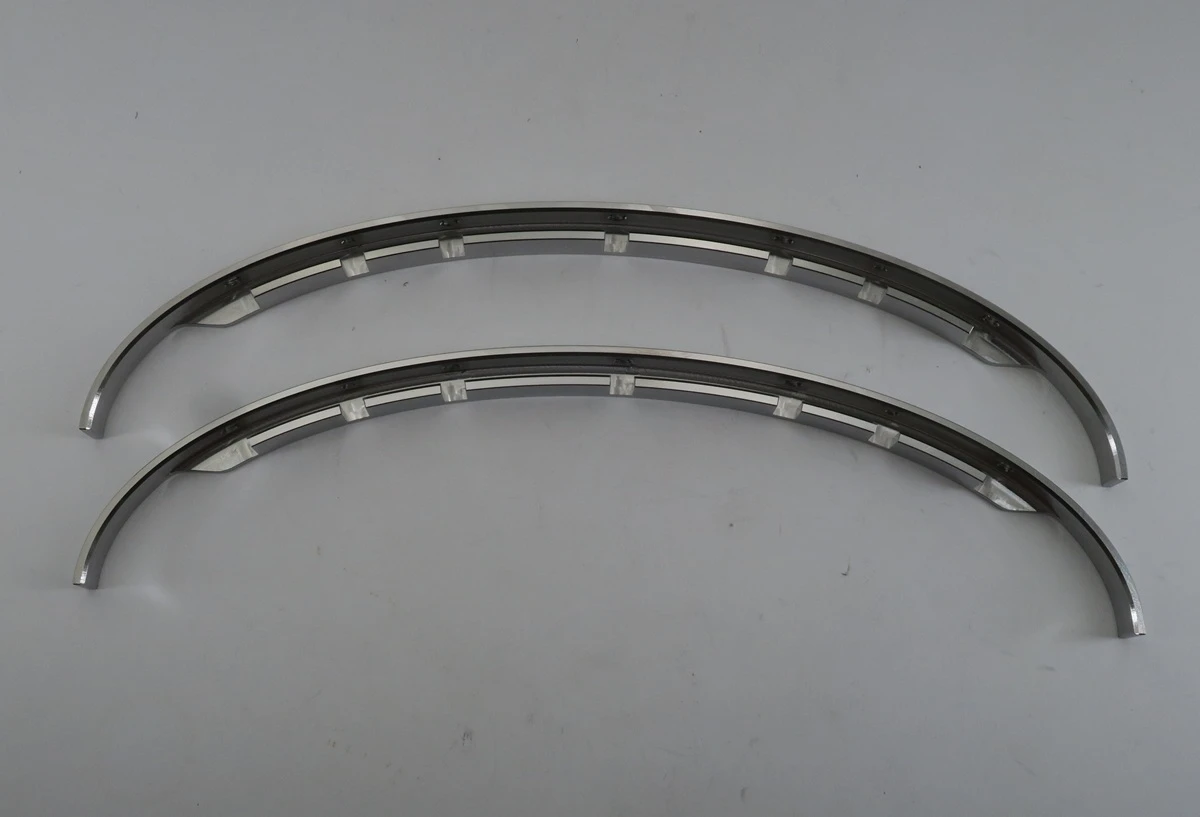
Application: Optical holders, detector supports and stainless steel curved brackets near sensitive optical paths.
Issues: Residue or particles can contaminate neighboring optics during assembly and handling.
Design risk: Passivation does not specify optical cleanliness, stray-light performance, flatness or magnetic behavior. A bright machined finish may also be unsuitable near a light path.
Selection judgment: Identify optical-facing surfaces, cleanliness limits and alignment datums. Specify any nonreflective finish separately and review its compatibility. A supplied 304 curved-bracket requirement calls for ASTM A967 passivation; it does not establish optical qualification. Discuss these boundaries for photonics and quantum equipment.
Quantum: vacuum-adjacent hardware and precision fixtures
Application: Supports, sensor mounts and fixtures inside or outside a vacuum enclosure.
Issues: Residual organics, trapped liquid and gas release may conflict with the system’s contamination budget.
Design risk: Passivation does not certify ultra-high-vacuum suitability, low magnetic permeability, cryogenic stability or space qualification. An external bracket and an in-vacuum component need different evidence.
Selection judgment: State operating pressure, temperature, allowed materials, cleaning, bakeout and packaging requirements. Review trapped volumes and any permitted venting. NASA’s outgassing database supports material screening using defined test conditions; it is not blanket approval of a finished assembly. Space flight hardware needs the project’s own qualification plan.
Motion control: bearing housings and carriage adaptors
Application: Stainless steel bearing housings, carriage adaptors and locating interfaces.
Issues: A part can satisfy a finish note yet fail its bearing fit or datum relationship after final processing.
Design risk: Free-machining 303 requires an appropriate treatment route; passivation cannot correct bore geometry or compensate for an unsuitable alloy.
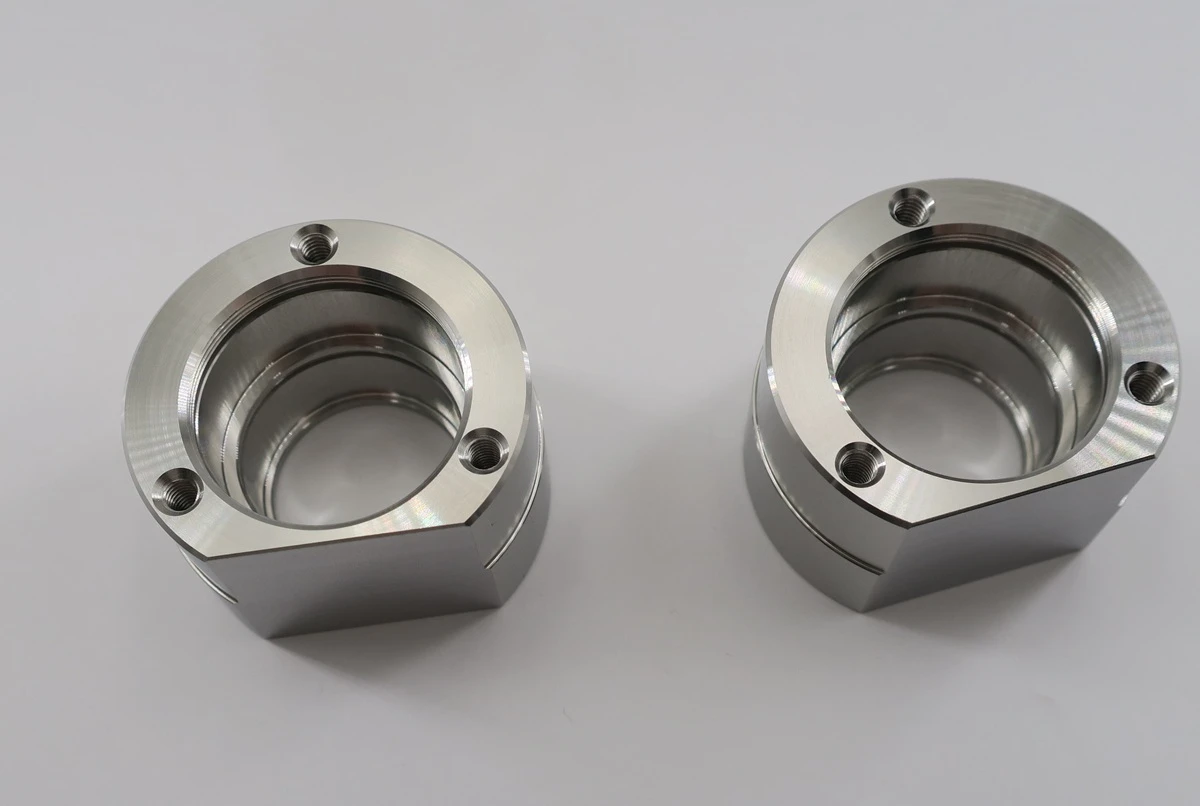
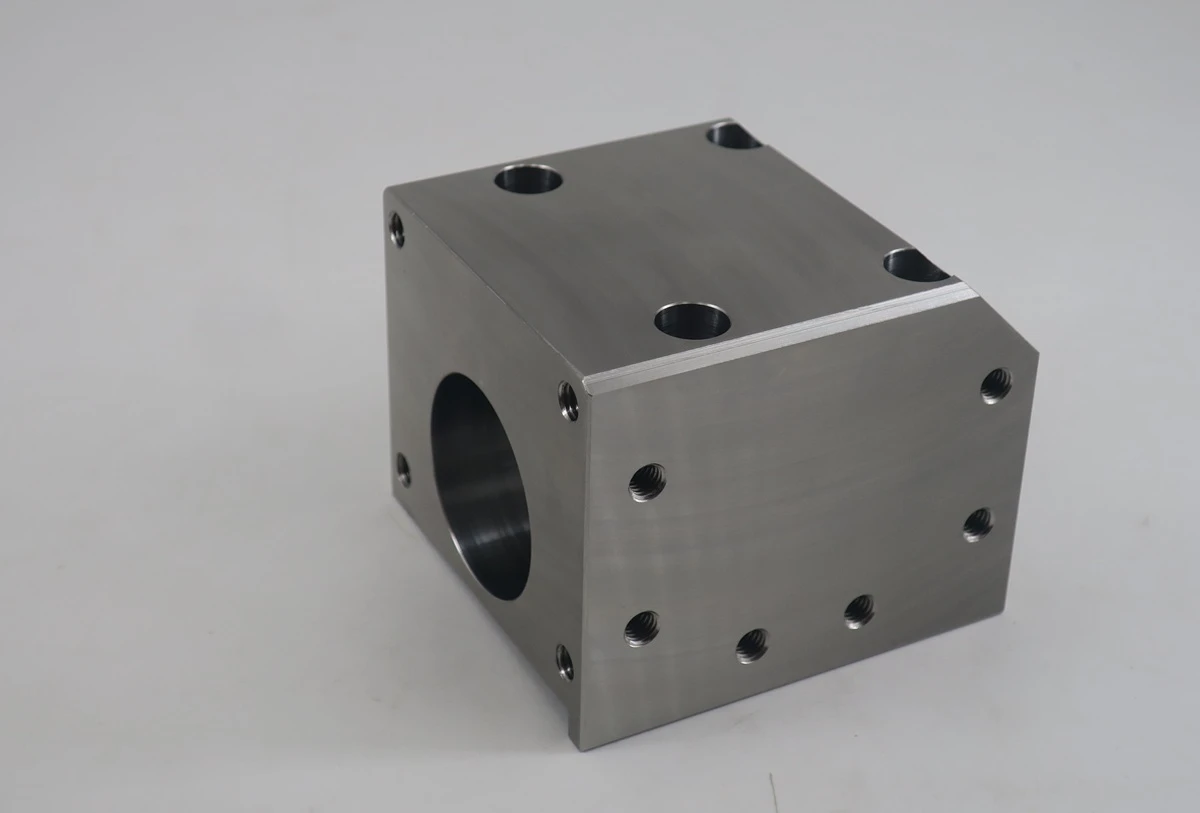
Selection judgment: Identify finished-condition bores, threads and datum inspections. One supplied AISI 303 bearing-housing drawing specifies citric acid passivation to AMS 2700, Method 2. A separate X8CrNiS18-9 (303) carriage-adaptor drawing calls for ASTM A967 passivation. These are drawing requirements, not interchangeable process approvals. Resolve the contractual revision, verification and documentation for each part.
Robotics: brackets, end-effectors and sensor interfaces
Application: Machined angle brackets, curved supports and sensor mounting interfaces exposed to handling or washdown.
Issues: Crevices and recessed fasteners can retain moisture; repeated handling can reintroduce contamination.
Design risk: A robot‘s dry internal mounting plate does not need the same finish package as a chemically cleaned end-effector. Passivation alone does not establish washdown durability or food-contact suitability.
Selection judgment: Define exposure and cleaning agents before selecting grade and finish. Review dissimilar-metal joints and seals separately. Specify accessible drainage and approved assembly sequencing without compromising stiffness or alignment.
Medical devices: structural hardware and small passages
Application: Equipment brackets, holders and fluid-handling components where the medical device design permits their use.
Issues: Blind passages and small holes complicate deburring, cleaning and inspection.
Design risk: Stainless steel passivation is not sterilization or evidence of biocompatibility. Patient-contact suitability and reusable-device reprocessing require separate evaluation and validation.
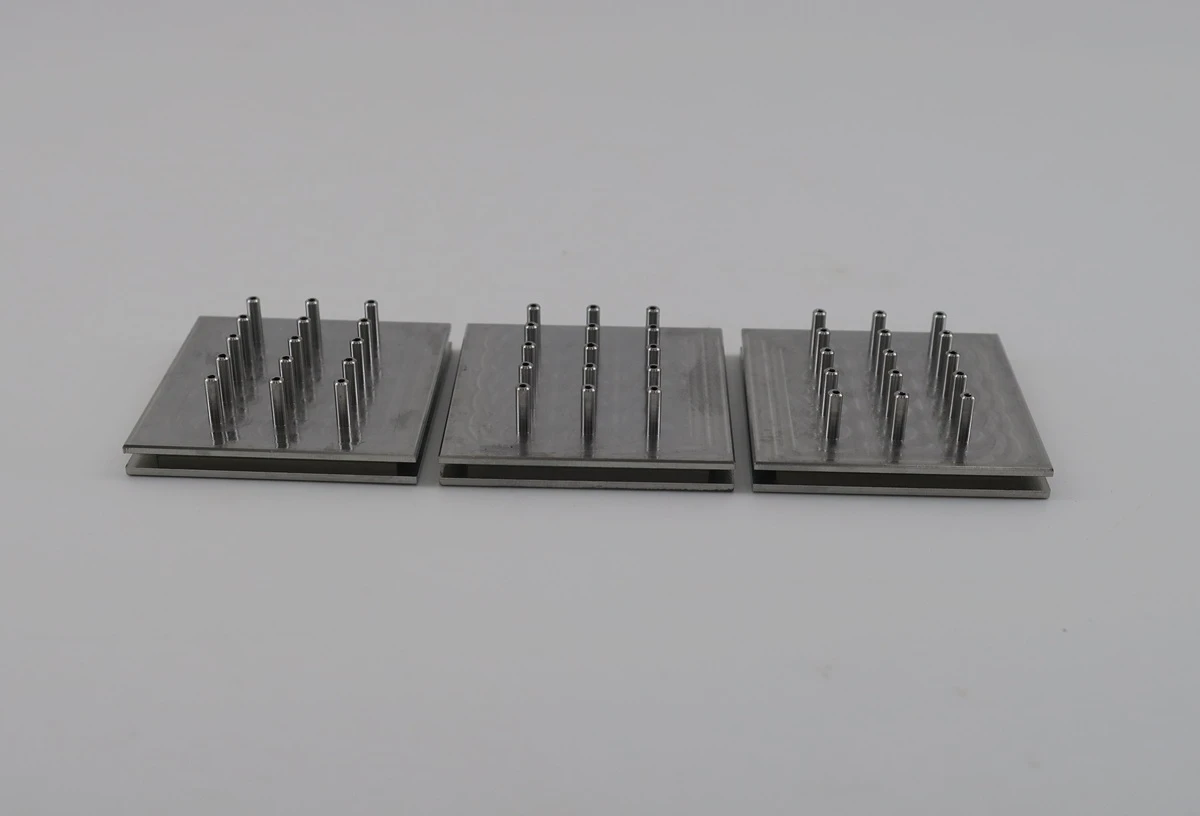
Selection judgment: Distinguish structural, fluid-path and patient-contact locations. Specify burr limits, residue acceptance and inspection access. A supplied 304 stainless steel 3×5 nozzle-array drawing calls for deburring and passivation in cell-processing equipment. It illustrates a small-feature manufacturing concern; it is not evidence that the nozzle is approved for medical or patient-contact use.
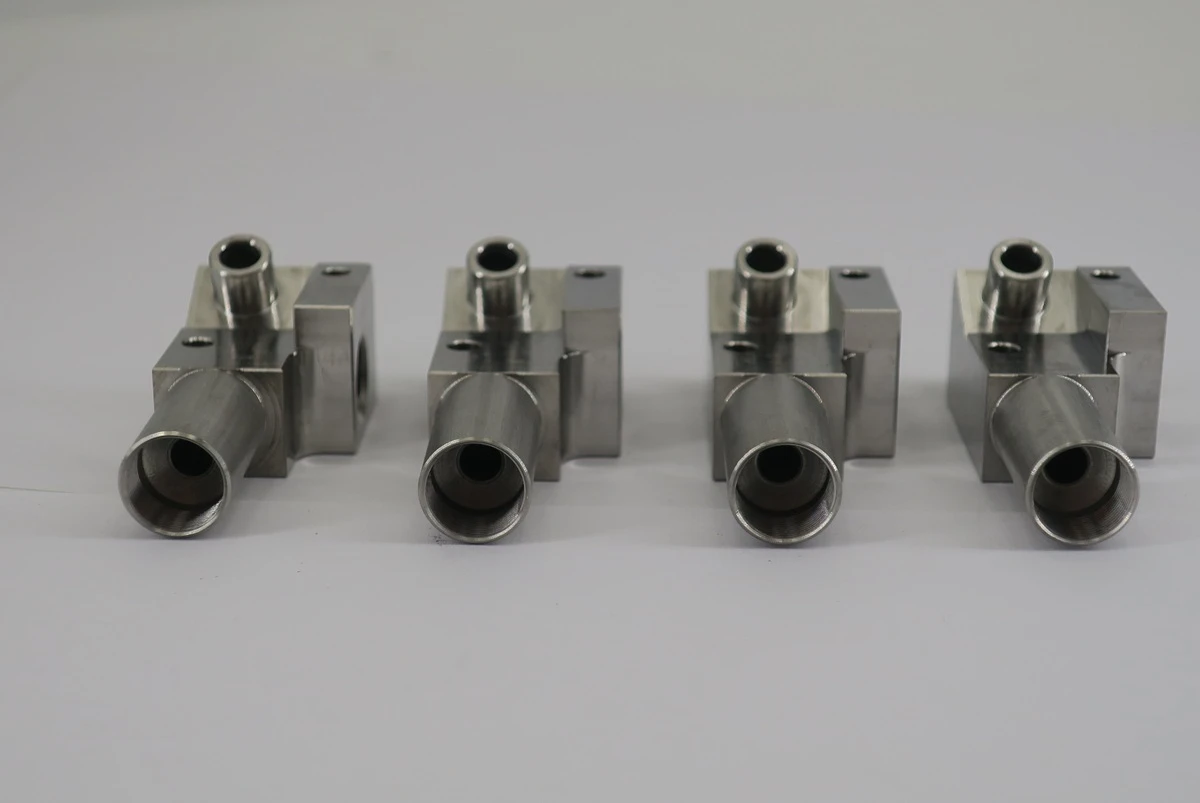
Dental equipment: spray bodies and threaded fluid connections
Application: Stainless steel spray bodies, guide sleeves and equipment-mounted fluid connections for dental equipment.
Issues: Intersecting bores and threads can retain chips or processing liquid.
Design risk: A generic “300-series stainless steel” description does not establish an exact grade. Confirm the released material specification rather than identifying alloy or treatment from appearance. Passivation also does not establish resistance to a particular sterilization cycle.
Selection judgment: Confirm the released material grade, wetted surfaces, cleaning exposure and critical fits before quotation. Define the cleaning and passivation sequence before adding seals or other sensitive components. The spray-body example below demonstrates geometry to review, not validated dental suitability.
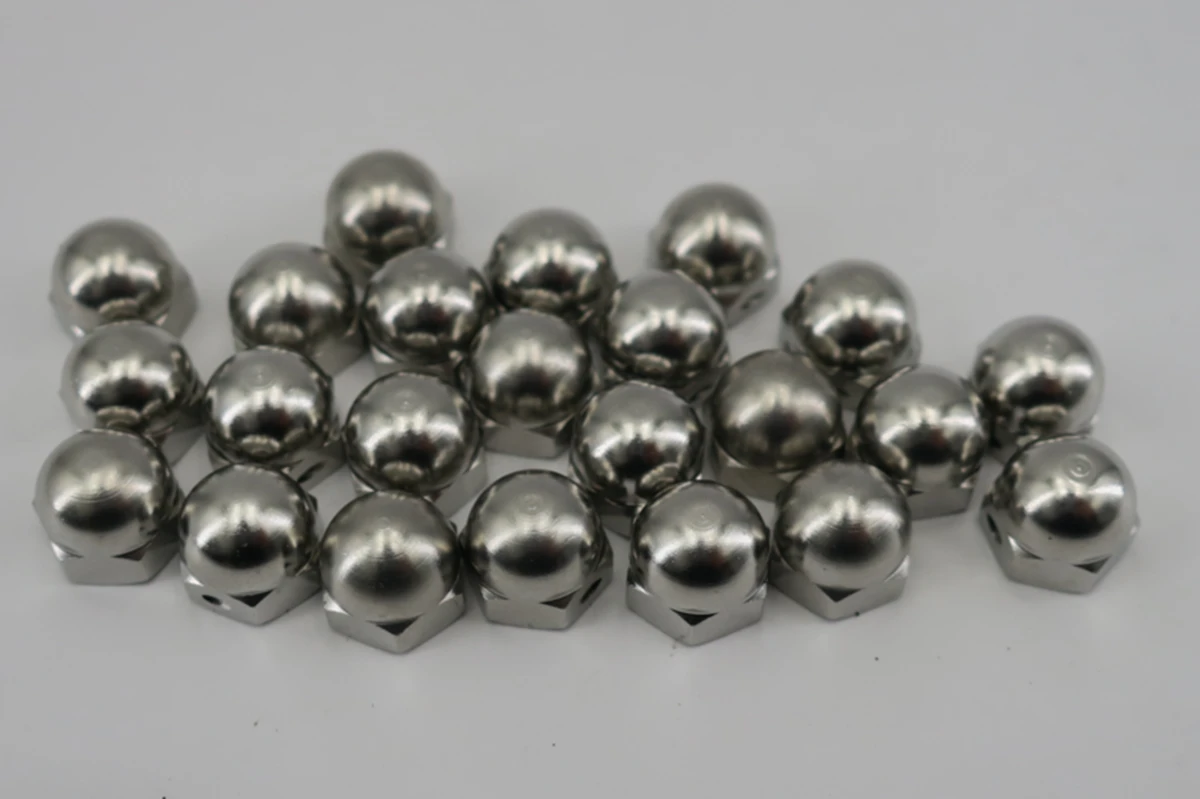
Force Measurement: SUS 304 Acorn Nuts with Passivation per ASTM A380
Application: Custom drilled SUS 304 acorn nuts for force-measurement equipment assemblies. The #10-32 threaded design provides a capped fastening interface, with additional drilled features specified by the component drawing.
Issues: Small drilled holes and internal threads require careful burr removal and cleaning. Residual chips, machining oils, or embedded iron contamination can compromise assembly cleanliness and surface condition.
Design risk: The capped geometry requires sufficient clearance to prevent the mating stud from bottoming out before the joint is secured. Drilled features also require inspection for burrs and interference with thread engagement. Passivation does not correct machining defects or establish load capacity, tightening torque, or measurement accuracy.
Selection judgment: Consider SUS 304 with passivation when the assembly requires stainless steel fasteners with controlled surface cleanliness. Agree on the applicable ASTM A380 edition, treatment procedure, verification method, and acceptance criteria before production. For this part, prioritize drilled-feature inspection, thread gauging, thorough rinsing and drying, and documented material and finishing requirements.
Have a drawing with unresolved finish or cleanliness requirements? Send the drawing revision, STEP model, material and operating environment to Rollyu Precision. Identify any vacuum, optical, medical or cleaning constraints so the quotation can state what is included and what needs separate qualification. Request a drawing and process-scope review.
How to specify passivation on a machined-part drawing
ASTM A967 vs ASTM A380
ASTM A967/A967M addresses passivation treatments and verification of stainless steel parts. ASTM A380/A380M provides broader practices for surface preparation, cleaning, descaling, pickling and passivation. They serve related purposes, but citing one is not automatically equivalent to citing the other.
At the August 2026 editorial check, ASTM lists A967/A967M-25 and A380/A380M-25 as active editions. The supplied reference PDFs include 2017 material. Follow the edition invoked by the contract; do not silently update a legacy drawing or transfer treatment labels between specifications. Obtain the controlled standard needed for production.
AMS 2700 and legacy drawing notes
Where a drawing invokes AMS 2700, use its specified revision and method rather than replacing it with an ASTM note. A RoHS requirement on the same drawing is a separate substance-compliance obligation; neither the alloy name nor passivation proves compliance. Resolve ambiguous or outdated notes before issuing a purchase order.
A drawing-note framework that avoids assumptions
The following is an editable framework, not a released manufacturing instruction:
“Passivate stainless steel components in accordance with ASTM A967/A967M-[contract edition]. Use [approved treatment or agreed supplier selection]. Verify using [approved practice], with [sampling/frequency] and [acceptance criteria]. Provide [required records]. Final cleanliness, surface finish, dimensions and packaging shall meet [referenced specifications].”
Resolve every bracketed item before release. Identify the alloy and condition elsewhere on the drawing. If the supplier is permitted to choose the treatment or test, document that responsibility and any approval requirements.
Do not use “passivated,” “medical grade” or “semiconductor clean” as substitutes for measurable requirements. A quoted standard number also does not define every application-specific cleanliness limit.
DFM checks before the parts reach the finishing process
Blind holes, threads and trapped liquid
Ask how each cavity will be wetted, rinsed, drained and dried. Deep blind holes, narrow cross-passages and close interfaces can complicate access. Rack orientation and part spacing should support the qualified process. Do not change functional geometry merely for processing convenience without engineering approval.
Burrs, welds and mixed materials
Define edge requirements before treatment; passivation is not a deburring operation. Identify weld scale or heat tint that needs separate assessment. Plan the route around inserts, brazed joints, dissimilar metals and nonmetallic components that might be damaged or retain solution.
Sequence and post-treatment handling
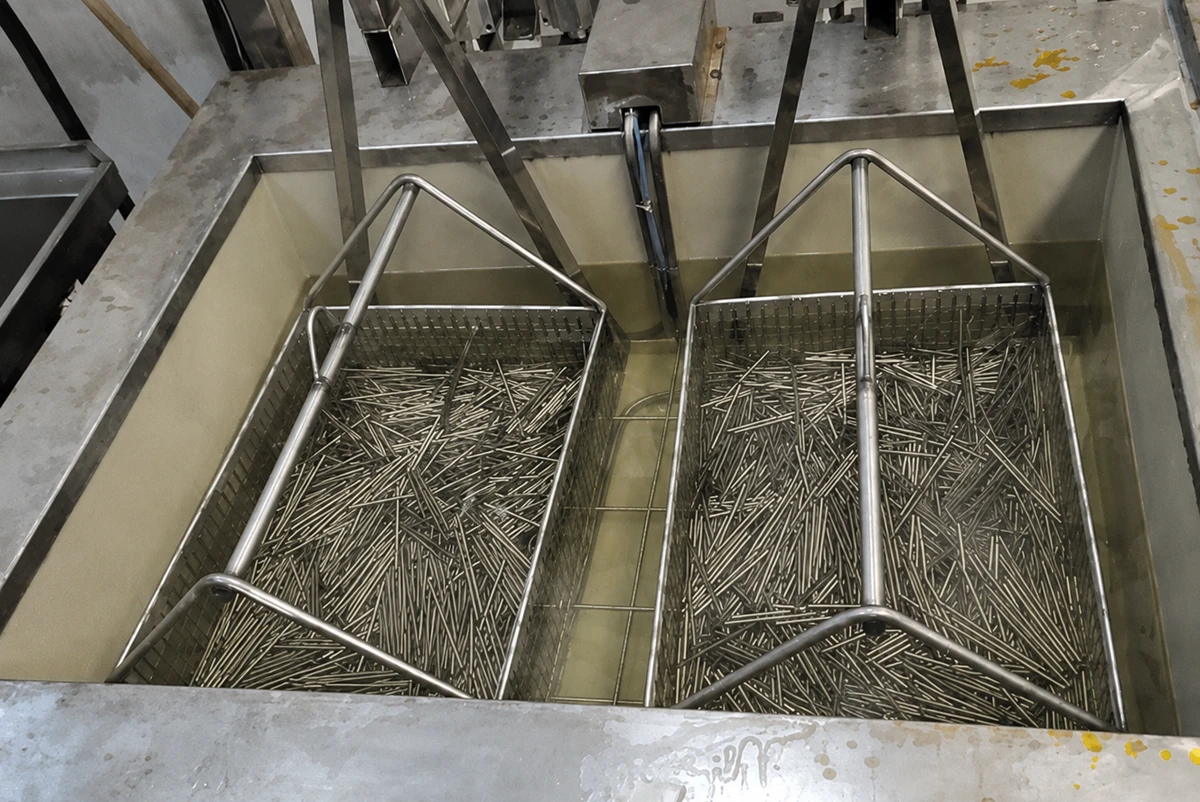
A typical planning sequence is final metalworking, suitable cleaning and surface preparation, approved passivation, thorough rinsing, drying, verification and protected handling. The actual sequence can include additional steps and must follow the qualified procedure. Inspection after treatment also needs contamination control.
If machining or rework occurs later, assess whether affected surfaces need renewed treatment. Do not assume every part requires a fixed 24- or 48-hour waiting period: any hold time must come from the applicable procedure and acceptance plan.
How to verify passivated stainless steel parts
Select the test for the alloy and requirement
Verification can include appropriate water-immersion, humidity, salt-spray or chemical indication methods. These are not interchangeable levels of a universal test hierarchy. The supplied A967/A967M-17 text explicitly cautions that not every method suits every stainless steel grade.
For example, that edition does not recommend the copper sulfate method for martensitic 400-series stainless steels because misleading positive indications can occur. A copper sulfate test should therefore not become a default instruction for every order. Confirm the method against the contract edition and material.
Visual cleanliness is useful but does not independently prove passivation effectiveness. Likewise, a water-break observation is not equivalent to the specified water-immersion verification test. Passing a selected test does not predict universal service life or replace application testing.
Request records that can be traced to the shipment
Agree on the required documentation before placing the order: part number and revision, material identification, treatment reference, processing lot, verification method, sampling, results and acceptance disposition. Specify whether a certificate of conformance, detailed test report or retained process records are needed.
Inspection should address unacceptable treatment-related attack as well as the drawing’s final-condition requirements. For a failed result, investigate preparation, bath control, rinsing, material and handling before deciding on reprocessing. Repeated treatment without understanding the cause can create further risk.
What affects passivation cost and delivery time?
The chemical exposure is only one part of the work. Batch size, geometry, preparation, racking, rinse access, verification, documentation and packaging can all affect the quotation. A small batch with difficult blind holes and special records can require more coordination than a larger batch of simple open brackets.
Avoid estimating passivation as a fixed percentage of machining cost. Compare quotations against the same treatment, inspection and delivery scope. Include any approved processor requirement and whether customer approval is needed before the first production lot.
Discuss stainless steel machining and passivation with Rollyu
Rollyu Precision offers stainless steel CNC machining for custom equipment components. Discuss passivation as part of the drawing-defined supply scope rather than assuming one standard finish package fits every application.
For a useful RFQ, provide the 2D drawing and 3D model, revision, alloy and condition, quantity, critical features, finish specification, operating environment and documentation requirements. Include cleanliness, packaging and approved-processor requirements where applicable.
The review should establish the manufacturing and finishing responsibilities, inspection scope and any additional qualification needed. It should not replace the equipment manufacturer’s design validation. Send your drawing package to Rollyu Precision to discuss a quotation for custom stainless steel parts with passivation requirements.
Frequently asked questions
Does 316 stainless steel need passivation?
It depends on the drawing and application. Machining can introduce contamination even on 316 or 316L. Evaluate the exposure and cleanliness requirements; do not assume the alloy designation either removes or automatically creates a passivation requirement.
Can passivated stainless steel still rust?
Yes. Recontamination, retained residues, aggressive exposure, crevices or unsuitable material can still cause corrosion. Passivation does not make stainless steel corrosion-proof or repair existing pits.
Does passivation make stainless steel shiny or black?
Chemical passivation is not a decorative color treatment and is not intended to polish the surface. Specify appearance separately. Black oxide and passivation of zinc-plated steel are different finish systems, not substitutes for stainless steel chemical passivation.
Should stainless steel be passivated before or after assembly?
Choose the sequence based on material compatibility, access and the approved process. Treating separate parts can simplify rinsing and protect sensitive components, but assembly or later rework can introduce contamination that needs assessment.
How long does passivation last?
There is no universal expiry interval. Surface condition depends on subsequent use, damage, contamination and cleaning. Define maintenance or retreatment requirements from the application rather than a generic calendar promise.
Does passivation qualify parts for medical, optical or vacuum service?
No. A passivation certificate documents only its stated scope. Device reprocessing, biological evaluation, optical cleanliness, particle limits and vacuum performance require their own evidence when applicable. Space qualification is also a separate project requirement.