What's happening in the CNC industry and Rollyu? What trends and innovations shouldn’t be missed? Learn more and check out rollyu's news.
2024 and 6061 are both heat-treatable wrought aluminum alloys, but they solve different engineering problems. 2024 is selected when high strength-to-weight ratio and fatigue performance are central to the design. 6061 is selected when a project needs balanced strength, corrosion resistance, weldability, broad stock availability, predictable finishing, and a lower-risk
Machining 7075 aluminum is a practical route to producing lightweight parts that must carry high structural loads without the mass of steel. The alloy is widely specified for satellite brackets, robotic joints, motion-control components, aerospace structures, high-load fixtures and other parts where strength-to-weight ratio matters. However, a successful 7075 part
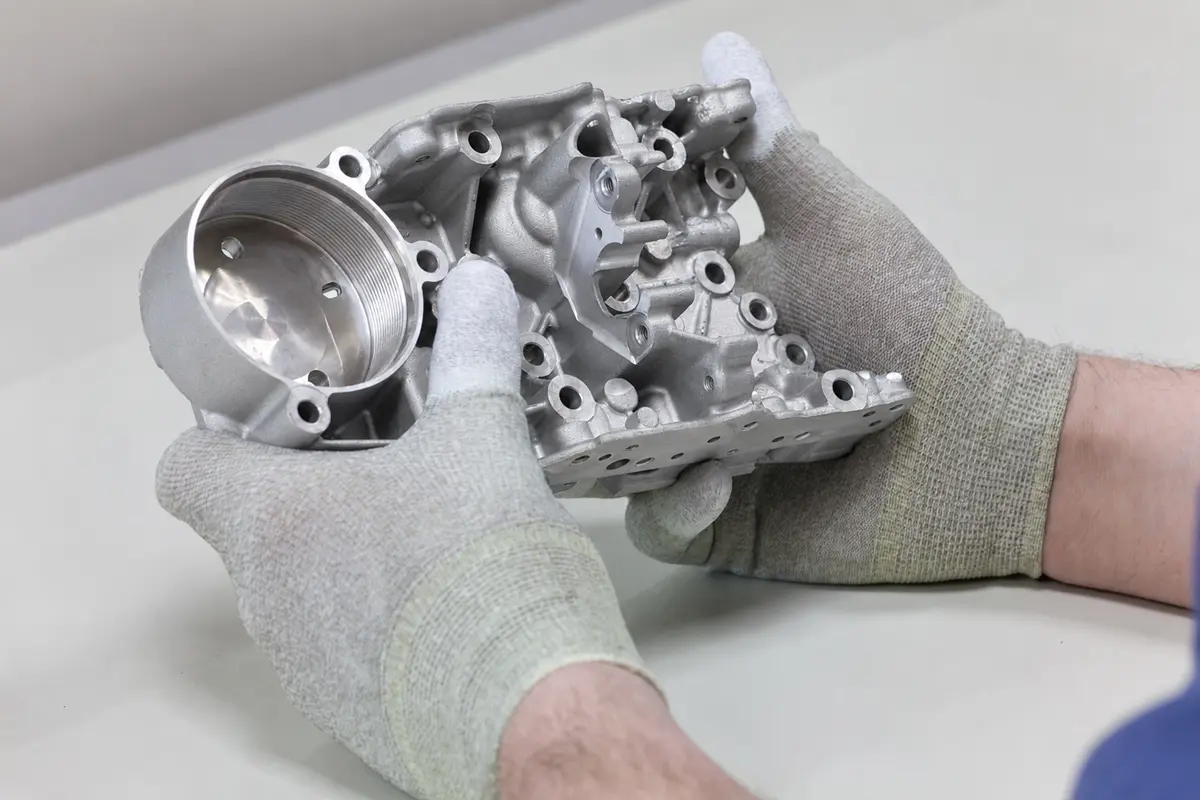
Die casting suits repeatable thin-wall aluminum parts at higher volumes, while sand casting fits larger parts, shorter runs, and designs that need more alloy or heat-treatment flexibility. This guide explains how size, tolerances, tooling, machining, and inspection affect the final process choice.
Machining 6061 aluminum is often the starting point for engineers who need lightweight, corrosion-resistant, and cost-effective CNC parts. The alloy offers a practical balance of strength, machinability, availability, weldability, and anodizing response. It is widely used for optical mounts, motion-stage housings, robotic frames, medical-equipment housings, fixtures, brackets, and structural components.
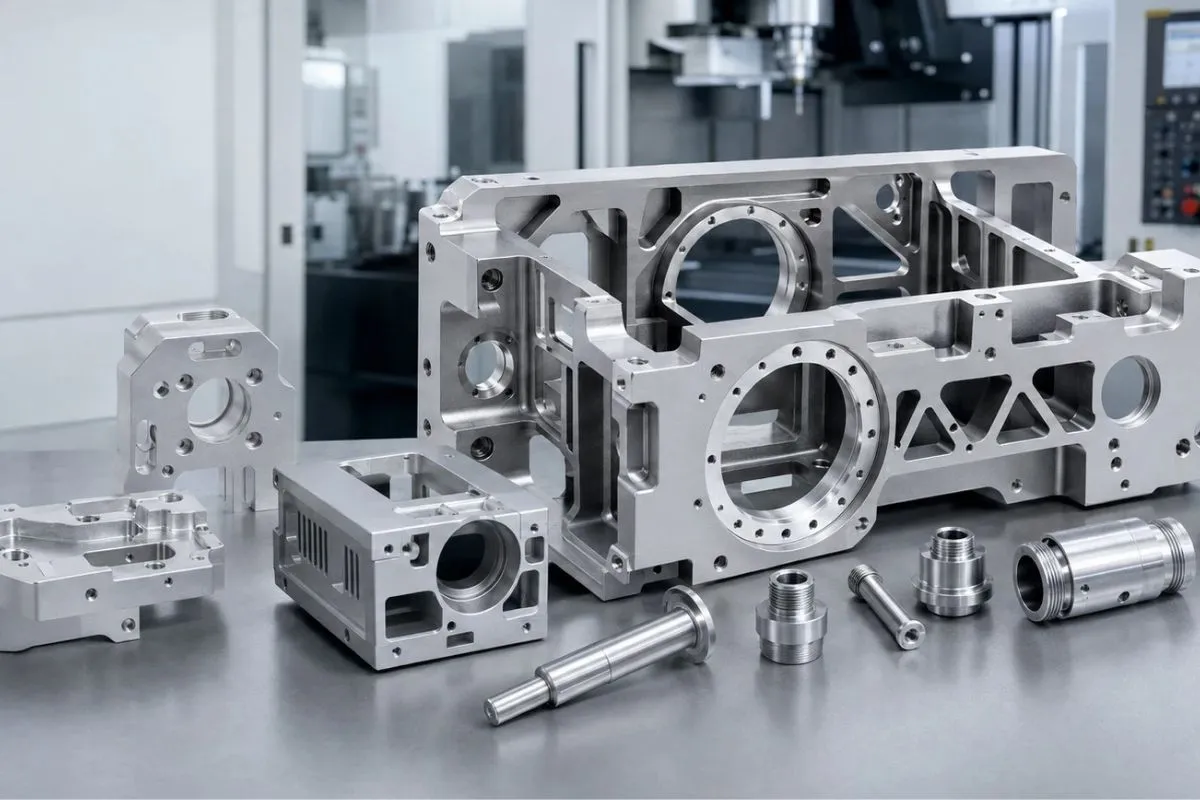
Aluminum CNC machining is widely used when engineers need lightweight, corrosion-resistant, dimensionally accurate components without the tooling investment required for casting. The process supports prototypes, low-volume builds, and repeat production while allowing critical holes, bearing seats, optical interfaces, sealing surfaces, threads, and complex three-dimensional features to be produced directly from
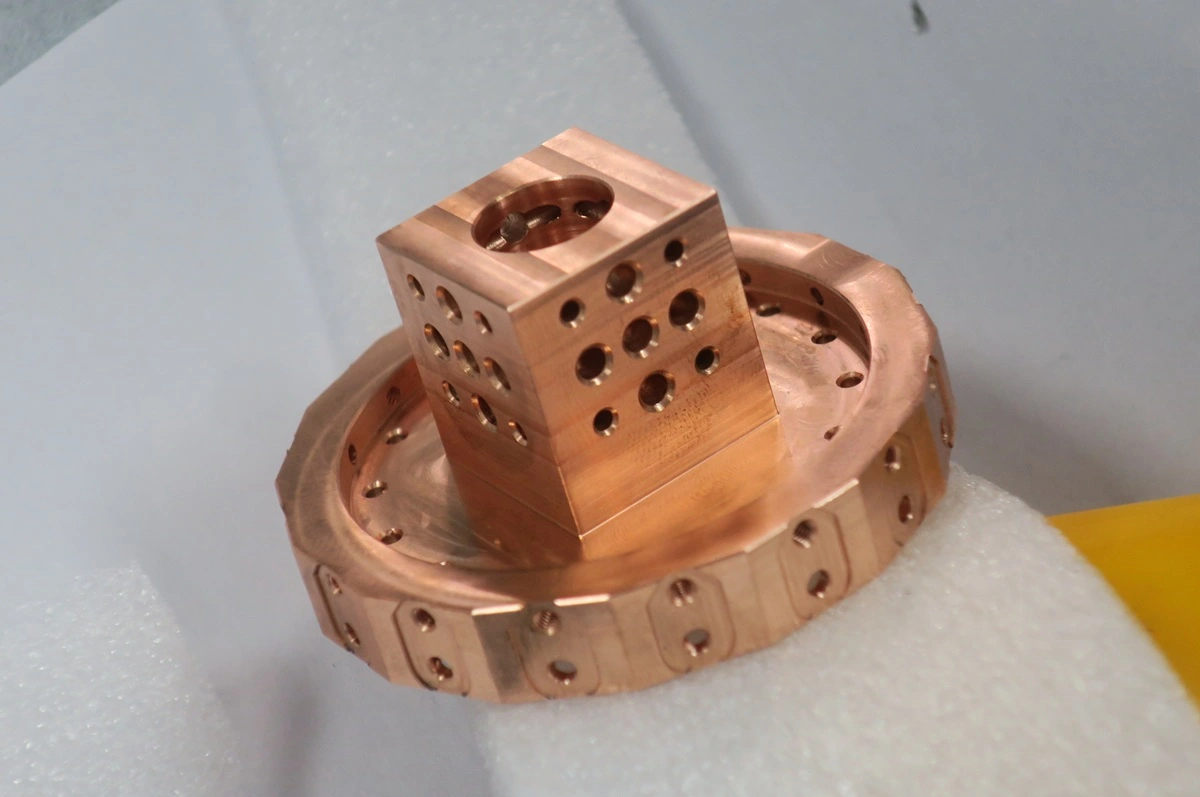
Copper’s excellent electrical and thermal conductivity, corrosion resistance, and ductility make it valuable in electronics, automotive systems, and medical devices. However, its tendency to deform, produce long chips, and adhere to cutting tools can affect accuracy and surface finish. This guide explains how copper CNC machining uses suitable tooling, cutting
Choose a Zamak grade based on service conditions, part geometry, finishing needs, and approval requirements before tooling.
Plated zinc die cast hardware can suffer from blistering, pitting, uneven coating, and corrosion when casting quality, part design, pretreatment, or inspection is poorly controlled. This guide explains how buyers and manufacturers can reduce plating defects from tooling through final inspection.
Zinc die casting supports thin walls, fine details, and consistent dimensions. This guide covers key design, tooling, defect control, alloy, machining, and inspection considerations.
Case hardening and through hardening improve steel performance in different ways. One creates a hard, wear-resistant surface over a tougher core, while the other develops hardness through the part’s effective section. This article compares their processes, properties, materials, and applications. Case Hardening vs Through Hardening: Quick Comparison Case hardening
Hot rolled and cold rolled steel may have similar compositions, but their manufacturing processes create clear differences in surface finish, dimensional accuracy, strength, and cost. This guide explains how each type performs and which applications it suits best.
SAE/AISI 1566 is a high-carbon manganese steel selected for components that require a practical balance of hardness, strength, wear resistance, fatigue performance, and toughness. With approximately 0.60–0.71% carbon, the material can achieve high surface hardness after suitable quenching and tempering. Typical applications include springs, shafts, pins, blades, agricultural equipment parts,