Machining 7075 aluminum is a practical route to producing lightweight parts that must carry high structural loads without the mass of steel. The alloy is widely specified for satellite brackets, robotic joints, motion-control components, aerospace structures, high-load fixtures and other parts where strength-to-weight ratio matters.
However, a successful 7075 part depends on more than selecting the alloy number. Temper, stock form, material removal, datum strategy, residual stress, wall thickness, surface treatment and inspection planning all affect the final result. A part machined successfully from 7075-T6 bar may behave differently when produced from a large 7075-T7351 plate with deep pockets and thin ribs.
This guide explains how Rollyu Precision approaches 7075 aluminum CNC machining for prototypes and production parts, with particular attention to T6, T73 and T7351 tempers, 5-axis milling, turning, precision grinding, distortion control and finish selection.
What Is 7075 Aluminum?
7075 is a heat-treatable 7xxx-series aluminum alloy in which zinc is the principal alloying element, supported by magnesium and copper. Its most important purchasing advantage is high strength at low density. Typical 7075-T6 properties include a density of about 2.81 g/cm³, yield strength around 503 MPa and ultimate tensile strength around 572 MPa. Actual values vary with temper, product form, thickness and governing material specification, so design values should be confirmed against the supplier certificate and applicable standard.
Compared with 6061-T6, 7075-T6 provides substantially higher strength but has lower corrosion resistance and much poorer fusion weldability. Compared with 2024-T3, it generally offers higher strength, while both alloys normally need more corrosion protection than 6xxx-series aluminum.
| Property | 7075-T6 Typical Value | Why It Matters for Machined Parts |
| Density | 2.81 g/cm³ (0.102 lb/in³) | Supports lightweight structures and moving assemblies |
| Yield strength | Approx. 503 MPa (73 ksi) | Helps resist permanent deformation under high load |
| Ultimate tensile strength | Approx. 572 MPa (83 ksi) | Provides a high strength-to-weight ratio |
| Elongation | Approx. 11% | Important when evaluating local stress concentration |
| Elastic modulus | Approx. 71.7 GPa | Stiffness remains broadly similar to other aluminum alloys |
| Hardness | Approx. 150 HB | Supports wear resistance but increases cutting-load demands |
| Corrosion resistance | Fair | Protective finish and environment review are often necessary |
| Fusion weldability | Poor | Mechanical fastening or other joining methods are usually preferred |
7075-T6 vs. T73 vs. T7351: Which Temper Should You Specify?
Temper selection is one of the most important decisions when machining 7075 aluminum. The strongest option is not automatically the best option for every assembly. Buyers should consider strength, stress-corrosion exposure, section thickness, stock form, dimensional stability and downstream finishing.
| Temper | Practical Characteristic | Best-Fit Machining Use |
| 7075-T6 | Peak-aged, high strength; lower resistance to stress-corrosion cracking than overaged tempers | Compact, highly loaded components where maximum strength is the priority and corrosion exposure is controlled |
| 7075-T73 | Overaged for improved stress-corrosion resistance, with some reduction in strength | Parts exposed to sustained tensile stress or environments where corrosion reliability outweighs maximum strength |
| 7075-T7351 | T73-type overaging plus stress relief by controlled stretching, commonly associated with plate | Large plates, deep-pocketed brackets, frames, bases and thin-wall parts where residual-stress control and stability are important |
When T6 Is the Better Choice
Choose T6 when the design needs the highest commonly available strength and the component has manageable geometry, controlled exposure and a finish system appropriate to its environment. Examples include compact robot-joint parts, shafts, high-load links and small aerospace or satellite hardware.
When T73 or T7351 Is the Better Choice
T73 is useful when improved resistance to stress-corrosion cracking is more important than retaining peak T6 strength. T7351 is especially valuable for plate-machined parts that require significant stock removal. Stress-relieved plate can reduce, but not eliminate, movement during machining. A balanced roughing sequence, intermediate inspection and finishing allowance are still required.
CNC Processes for Machining 7075 Aluminum
3-Axis, 4-A-xis, and 5-Axis CNC Milling
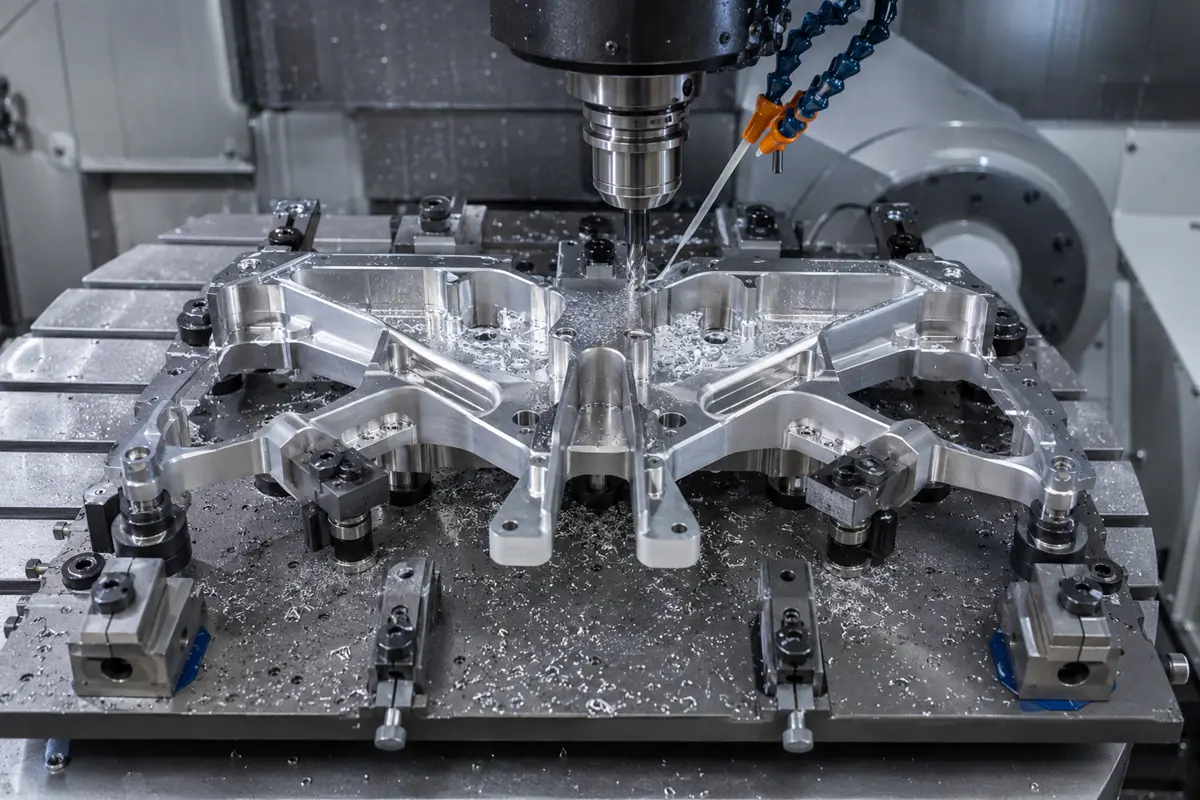
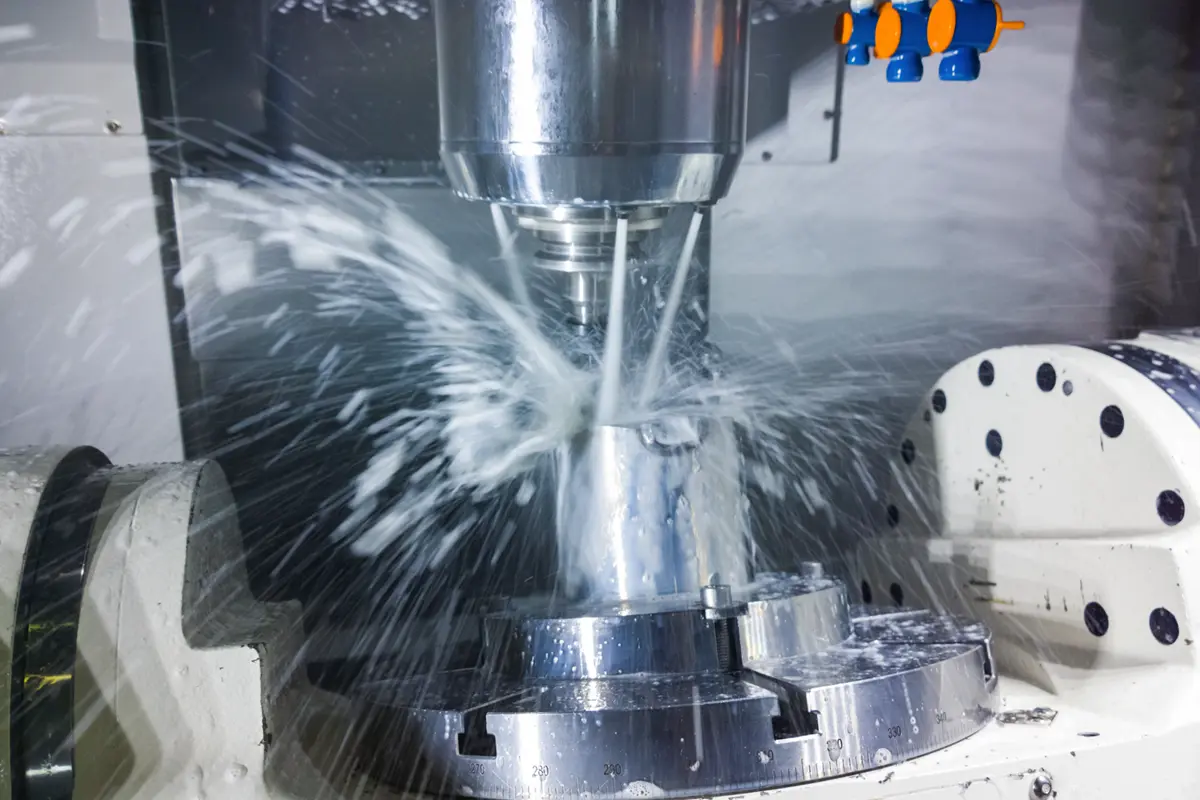
CNC milling is the main process for 7075 brackets, housings, frames, links, adapter plates and structural components. Five-axis machining can reduce setups and preserve the relationship between bores, datums, angled mounting faces and complex pockets. It is particularly valuable for satellite brackets and robotic joints that combine tight positional requirements with aggressive weight-reduction features.
Stable workholding and a planned roughing-to-finishing sequence matter more than simply increasing spindle speed. For thin walls and deep pockets, Rollyu can rough symmetrically, leave controlled finishing stock, allow the part to relax when necessary, re-establish datums and complete critical features in a later operation.
CNC Turning
Turning is suitable for 7075 shafts, sleeves,spindles, spacers, threaded adapters, actuator components and rotational hardware. Sharp cutting tools, secure chip evacuation and controlled clamping help protect surface finish and concentricity. Thin rings and long slender parts may require soft jaws, staged machining or support tooling to avoid distortion.
Precision Grinding
Precision grinding may be added when a part requires controlled flatness, parallelism, thickness or a functional bearing surface beyond the practical capability of milling alone. Grinding should be planned around heat input, stock allowance, coating requirements and the final datum structure.
| Process | Typical 7075 Parts | Key Engineering Controls |
| 5-axis milling | Satellite brackets, robot joints, lightweight frames | Setup reduction, datum continuity, tool access, thin-wall support |
| 3-axis milling | Plates, bases, housings, fixtures | Balanced roughing, flatness control, re-clamping strategy |
| CNC turning | Shafts, sleeves, spacers, adapters | Concentricity, jaw pressure, chip control, slender-part support |
| Precision grinding | Datum faces, precision plates, wear interfaces | Thermal control, finishing allowance, flatness and parallelism |
How to Control Distortion in 7075 Aluminum Machined Parts
Distortion is one of the most common risks in machining 7075 aluminum, especially when a plate loses a large percentage of its original mass. Residual stress from stock production can become unbalanced as material is removed. Tool pressure, clamping force and local heat can add further movement.
- Select an appropriate stock form and temper; consider 7075-T7351 plate for large, heavily pocketed parts.
- Review grain direction, final load path and critical datums before programming.
- Rough both sides or opposing regions in a balanced sequence where geometry permits.
- Leave finishing allowance on critical walls, bores and datum faces.
- Use low-stress workholding and avoid excessive jaw or fixture pressure.
- Separate roughing and finishing operations when movement risk is high.
- Inspect flatness, position and critical dimensions after key operations, not only at final inspection.
- Discuss stress relief or stabilization requirements before production when the drawing or application demands it.
Machining Considerations: Tools, Chips, Heat and Surface Finish
7075 generally machines well with sharp carbide tooling and can produce clean chips and fine surfaces. Nevertheless, process parameters should be developed for the actual cutter diameter, flute count, tool coating, spindle capability, coolant delivery, engagement and part rigidity. A universal feed-and-speed number is not reliable for every machine and geometry.
The machining plan should prioritize chip evacuation and avoid recutting. Built-up edge, excessive radial engagement and inadequate coolant can damage the surface or introduce heat. For thin features, finishing passes should use stable engagement and cutting direction while minimizing tool pressure. Burr control is also important around cross-holes, threads, sealing features and small edge breaks.
Surface Finishes for Machined 7075 Aluminum
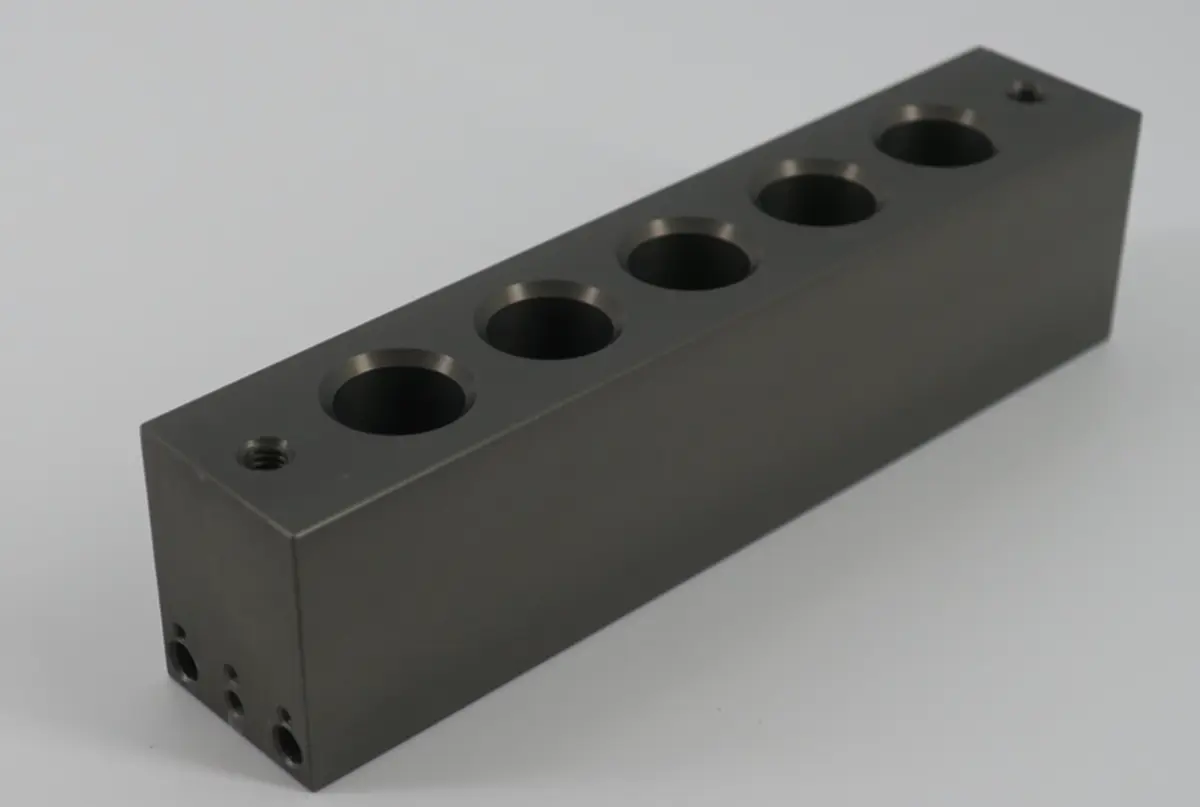
7075 parts often require a protective surface treatment because the alloy is less corrosion resistant than 6061. The finish must be selected early because coating thickness, electrical function, color expectations, fatigue-critical surfaces, grounding points and thread fits can affect the drawing and inspection plan.
| Finish | Primary Benefit | Design / Procurement Considerations |
| Type II anodizing | Corrosion protection and optional color | Define color standard, masking, sealing, cosmetic acceptance and dimensional allowance |
| Type III hard anodizing | Higher wear resistance and electrical insulation | Account for coating buildup on bores, threads, fits and mating surfaces |
| Chemical conversion coating | Thin corrosion protection with conductive options | Useful where low dimensional impact or electrical continuity is required; specify governing standard and class |
| Bead blasting before coating | Uniform matte appearance | Can soften sharp visual detail; protect critical fits and sealing surfaces |
| As-machined | Lowest process count and visible tool pattern | Suitable only when environment and cosmetic requirements allow |
Where Machined 7075 Aluminum Parts Are Used
Space and Satellite Components
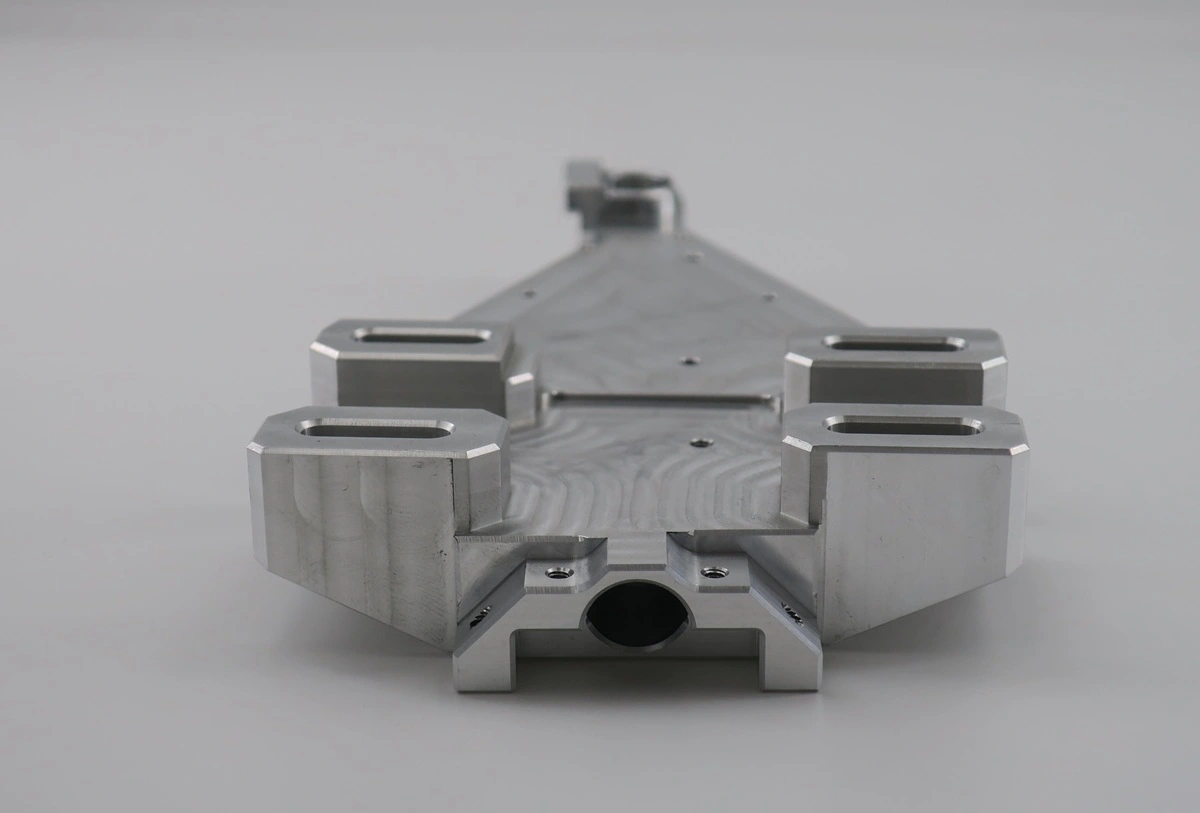
Machined 7075 aluminum is well suited to satellite brackets, optical and sensor supports, avionics mounting structures, lightweight frames, payload interfaces and other stiffness-critical components. These parts often combine weight-reduction pockets with strict datum relationships, flat mounting surfaces and controlled coating or conversion requirements.
Robotics
Robot joints, structural links, end-effector interfaces, actuator housings and high-load mounting components benefit from 7075 when stiffness and strength must be achieved with low moving mass. Reducing mass can support faster motion and lower inertial loads, but fatigue, fastener interfaces and anodized fits must be reviewed carefully.
Motion Control
7075 can be used for stage components, actuator structures, motor mounts, bearing supports and compact mechanisms that require high rigidity and dimensional accuracy. Precision machining must protect bore alignment, perpendicularity, parallelism and mounting-datum relationships so that the finished component does not introduce assembly error.
Other High-Load Applications
Additional applications include aerospace structures, defense hardware, racing components, high-performance automotive parts, premium sports equipment, fixtures and tooling. Suitability should always be confirmed against the actual load case, operating environment, joining method and regulatory requirements.
7075 vs. 6061 vs. 2024 vs. 5056 for CNC Machining
| Alloy / Temper | Relative Strength | Corrosion / Joining | Typical Selection Logic |
| 5056-H38 | Moderate to high | Excellent corrosion resistance; highly weldable | Marine or corrosion-focused components |
| 6061-T6 | Moderate | Good corrosion resistance; very good weldability | Versatile general-purpose precision parts |
| 2024-T3 | High | Poor corrosion resistance; poor weldability | Aircraft structures and fatigue-sensitive parts with suitable protection |
| 7075-T6 | Very high | Fair corrosion resistance; poor weldability | Maximum strength-to-weight for high-load machined components |
If the design does not require 7075-level strength, 6061 may offer lower material cost, better corrosion resistance, easier finishing and better weldability. If maximum specific strength is central to the application, 7075 becomes more attractive. Material selection should be based on the entire component requirement rather than strength alone.
Design for Manufacturability Checklist
- State the full material and temper, such as 7075-T6, 7075-T73 or 7075-T7351.
- Identify the product form and governing material specification when required.
- Define only functionally necessary tolerances and geometric controls.
- Mark critical datums, bearing fits, sealing faces, optical interfaces and threaded features.
- Provide minimum wall thickness, pocket depth and fillet requirements that reflect cutting access.
- Specify anodizing or conversion coating, color, sealing, masking and coating standard.
- Clarify whether dimensions apply before or after finishing.
- State certificate, traceability, inspection-report and packaging requirements.
- Provide realistic annual quantity and prototype quantity so the process and fixture strategy can be planned.
Quality Control for 7075 Aluminum Precision Parts
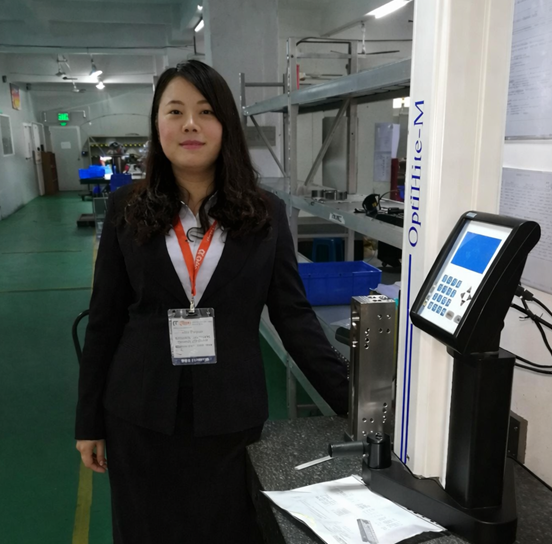
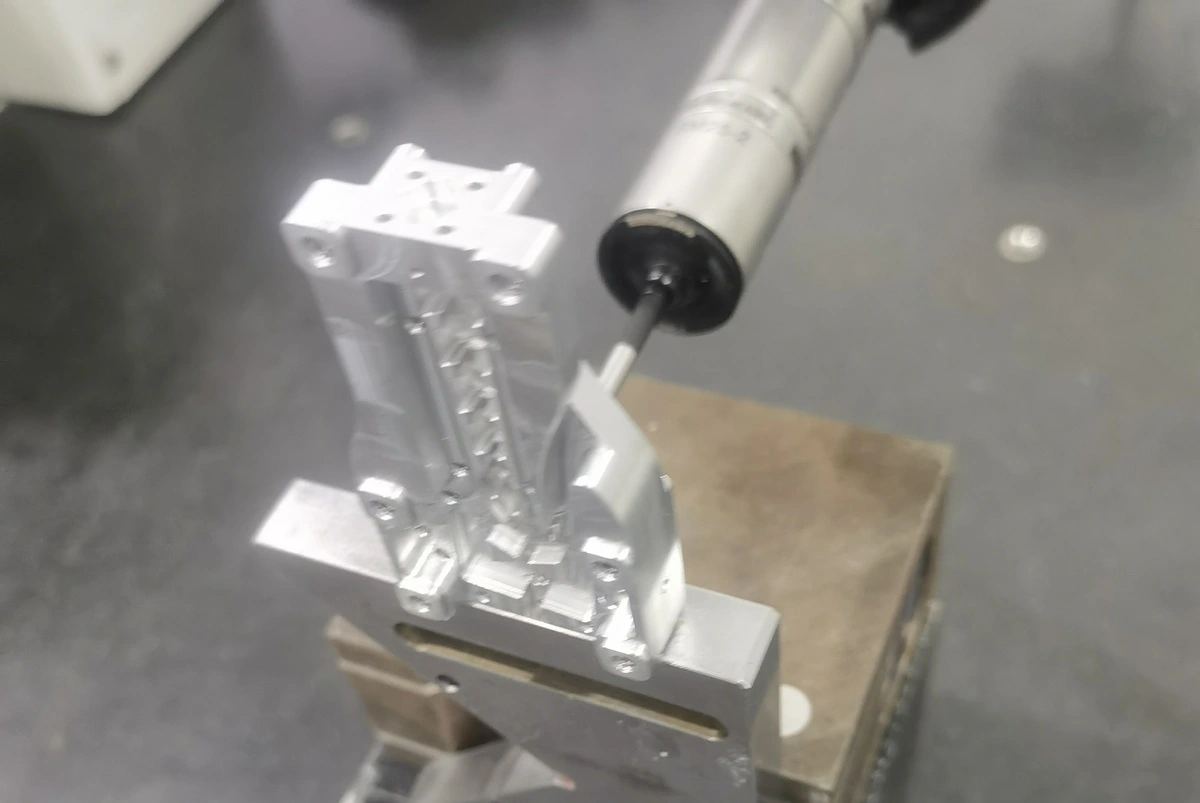
Inspection should be connected to the functional risk of the part. Rollyu Precision can use CMM inspection, optical measurement, height gauges, micrometers, pin gauges, thread gauges and surface-roughness measurement according to drawing requirements. First-article and dimensional reports can be prepared when requested.
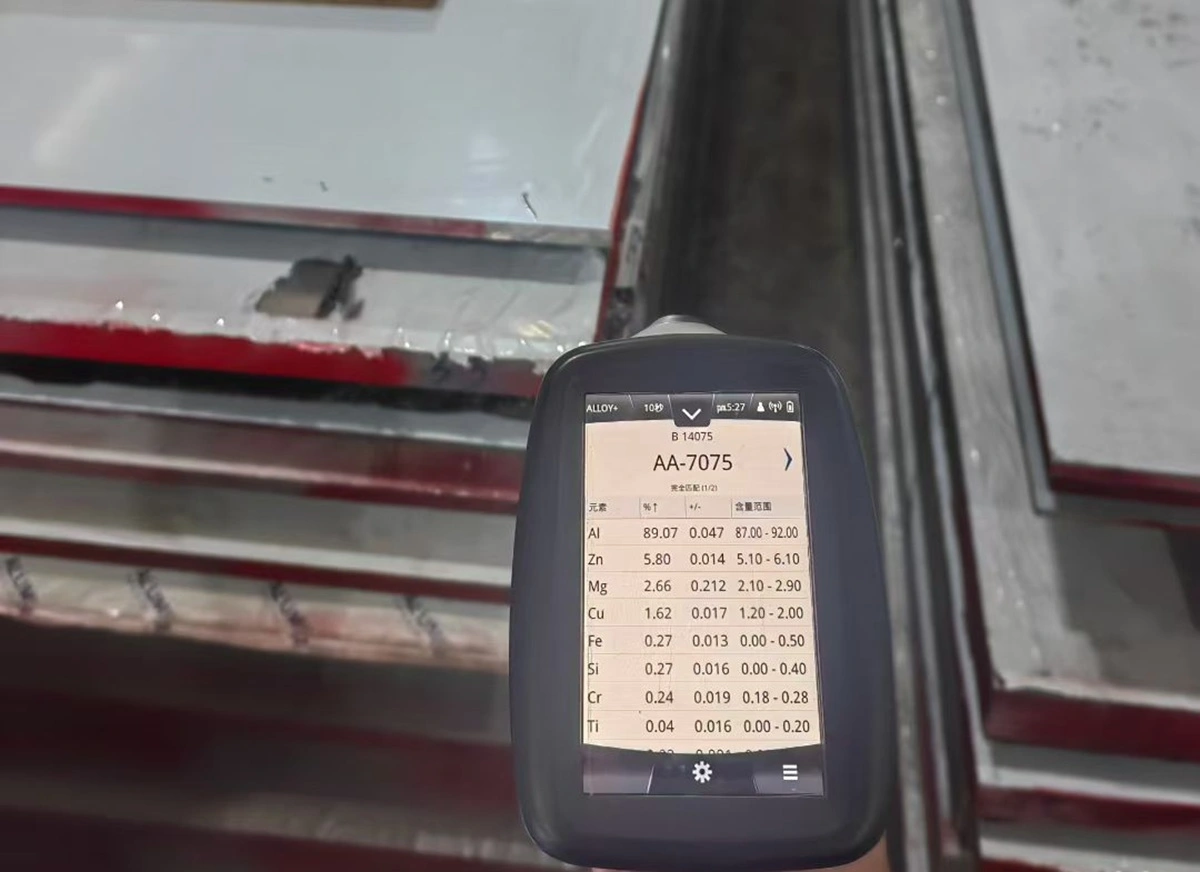
For coated parts, inspection planning should define which dimensions apply before and after finishing, how masked areas are controlled and whether the coating supplier must provide certification. Material certificates should identify the alloy, temper and relevant heat or lot traceability when specified by the purchase order.
Why Choose Rollyu Precision for Machining 7075 Aluminum?
Rollyu Precision supports custom 7075 aluminum parts from prototype through production. Our capabilities include 3-axis, 4-axis and 5-axis CNC milling, CNC turning, precision grinding, EDM, surface-finishing coordination and dimensional inspection. Engineering review focuses on manufacturability, datum strategy, distortion risk, coating allowance and inspection access before production begins.
- Precision machining support for satellite, robotics and motion-control applications.
- Prototype and low-to-medium-volume manufacturing with scalable process planning.
- Experience with thin walls, deep pockets, complex datums and multi-surface features.
- Type II/III anodizing and chemical conversion coating coordination.
- ISO 9001 and ISO 13485 quality-management systems.
- Material certificates, dimensional reports and inspection documentation available by requirement.
| CTA — Send Your 7075 Aluminum Part for DFM Review
Upload your 2D drawing and 3D CAD file, and include the temper, quantity, finish, critical tolerances and inspection requirements. Rollyu Precision will review material form, machining sequence, distortion risks, coating allowances and manufacturability before quotation. Request a quote at www.rollyu.com. |
Frequently Asked Questions About Machining 7075 Aluminum
Is 7075 aluminum easy to machine?
7075 generally machines well with sharp carbide tools and controlled chip evacuation. The greater challenge is often dimensional stability in thin-wall or heavily pocketed parts rather than chip formation itself.
What is the best temper for machining 7075 aluminum?
There is no single best temper. T6 prioritizes high strength, T73 improves stress-corrosion resistance, and T7351 is often preferred for stress-relieved plate and large parts with substantial material removal.
What is the difference between 7075-T6 and 7075-T7351?
T6 is peak-aged for high strength. T7351 is overaged and stress relieved by stretching, typically improving stress-corrosion performance and stability for plate machining, with lower strength than T6.
Can 7075 aluminum be welded?
Conventional fusion welding is generally not recommended because cracking and loss of mechanical properties can occur. Mechanical fastening, adhesives or a different alloy may be more suitable, depending on the design.
Can 7075 aluminum be anodized?
Yes. Type II and Type III anodizing are commonly used, but color can be less consistent than on 6061. Critical bores, threads, grounding points and mating surfaces may need masking or dimensional allowance.
How can distortion be reduced when machining 7075 plate?
Use an appropriate stress-relieved stock condition, balanced roughing, low-stress workholding, finishing allowance, intermediate inspection and separated roughing/finishing operations when needed.
Is 7075 stronger than 6061 aluminum?
Yes. In common T6 tempers, 7075 has substantially higher yield and tensile strength. However, 6061 usually offers better corrosion resistance, weldability, availability and cost.
What information is needed for a quotation?
Send 2D and 3D files, alloy and temper, quantity, finish, critical tolerances, inspection requirements, material certification needs and target delivery date.
What lead time can Rollyu Precision support?
Typical simple prototypes may be completed in approximately 3–5 days, while production batches are often around two weeks after requirements are confirmed. Actual lead time depends on geometry, material availability, finishing, inspection and quantity.
Can Rollyu provide material certificates and inspection reports?
Yes. Material certificates, dimensional inspection reports and other documentation can be provided when specified in the RFQ or purchase order.