

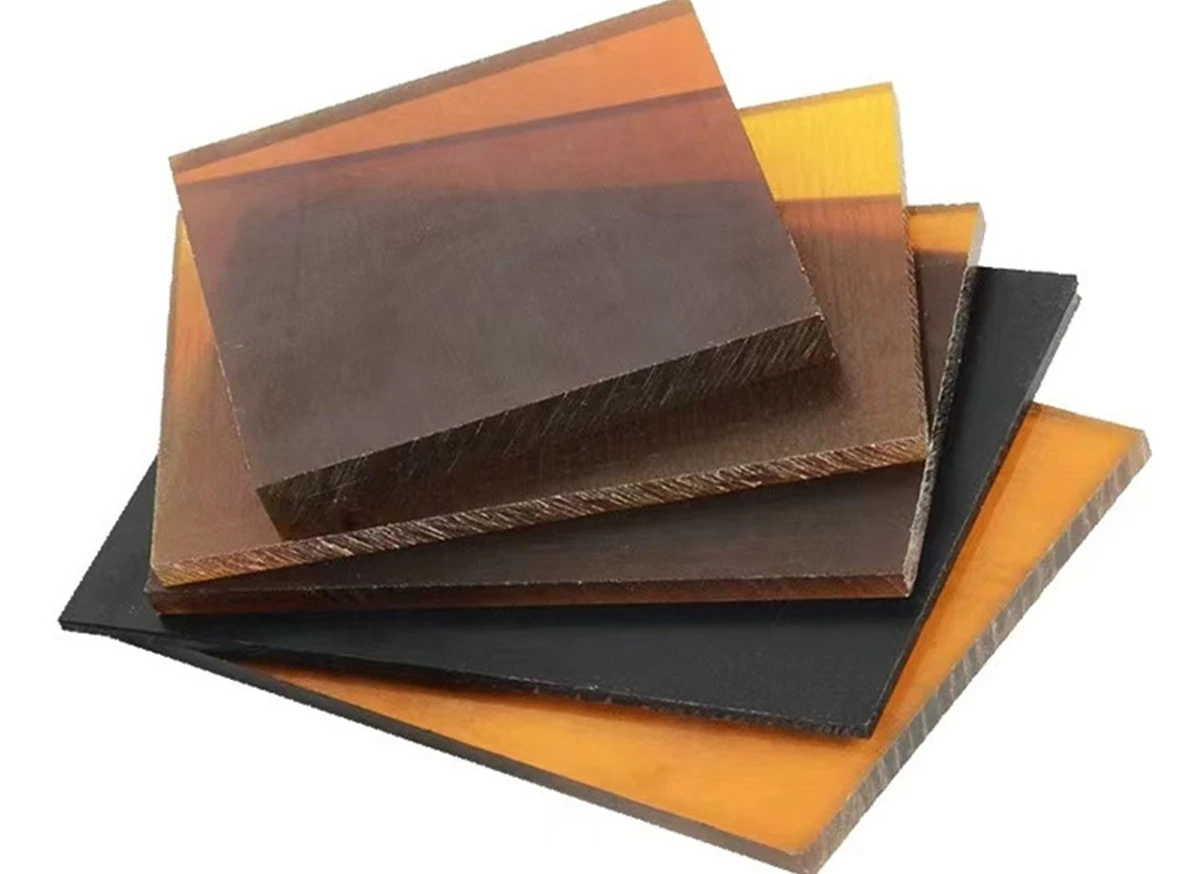
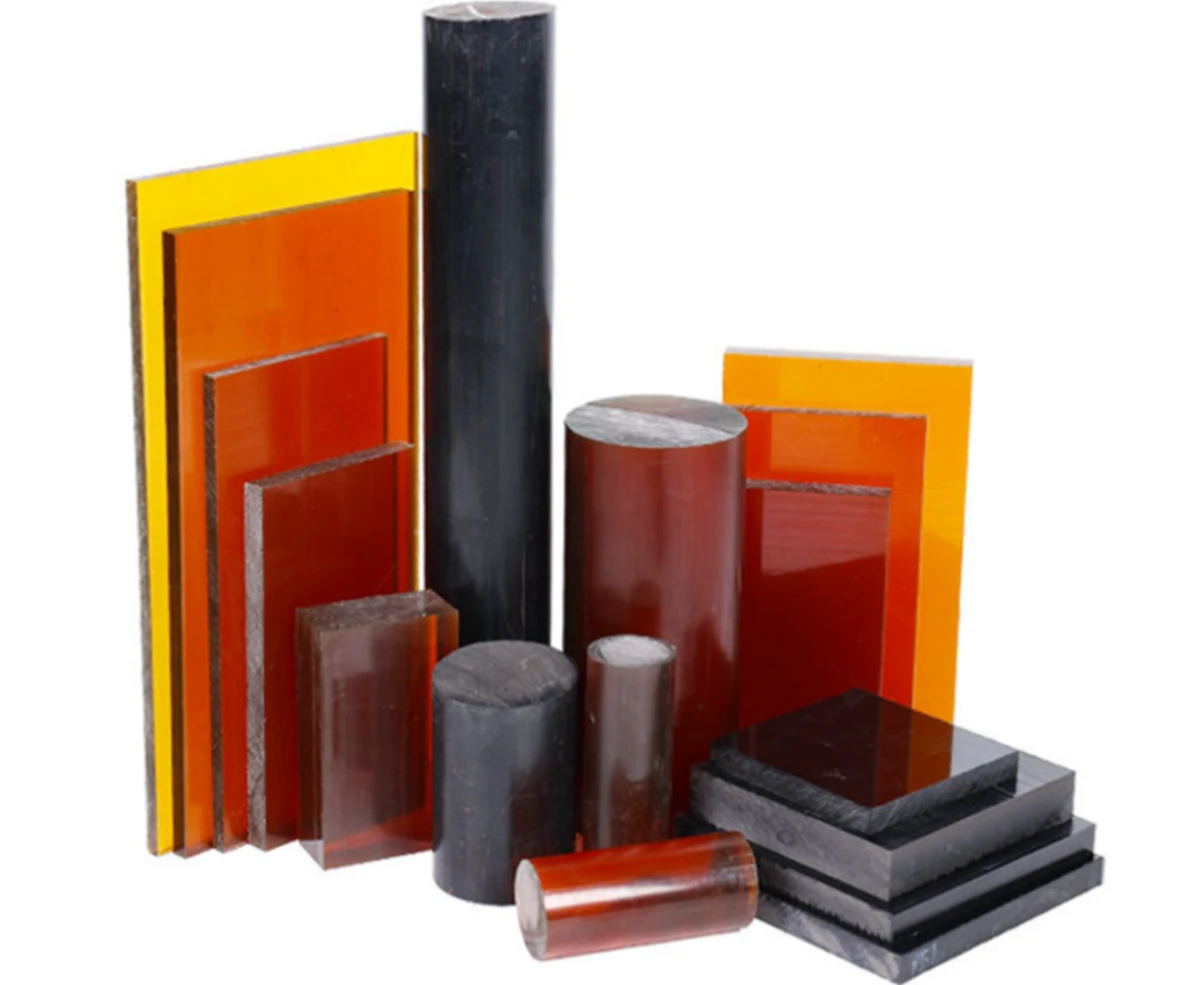
Ultem is the best-known trade name for polyetherimide (PEI), a high-performance amorphous thermoplastic used when ordinary plastics do not provide enough heat resistance, stiffness, flame performance, electrical insulation, or dimensional stability. Natural unfilled PEI is typically translucent amber, while reinforced, pigmented, and specialty grades may look different. For engineers and buyers, the important point is that ULTEM is a family of PEI resins rather than one universal material grade. The exact grade should therefore be identified on the drawing, material certificate, or purchase specification when performance or compliance requirements matter.
What Is Ultem?
Is Ultem the Same as PEI?
PEI is the generic polymer family name, while ULTEM™ is SABIC’s trademarked family of PEI resins. Other manufacturers also supply PEI stock shapes under different product names. In technical documents, “PEI” is therefore the correct generic material description, while “ULTEM” should be used when the specified resin or stock shape is traceably from the ULTEM family.
Why Is Ultem an Engineering Plastic?
Ultem is considered a high-performance engineering thermoplastic because it combines several useful properties in one material: elevated-temperature capability, mechanical strength and stiffness, electrical insulation, inherent flame resistance in many grades, and good dimensional stability. Its amorphous structure also gives it different thermal behavior from semi-crystalline materials such as PEEK. These characteristics make PEI useful for functional housings, insulating parts, connectors, fixtures, supports, and other components where standard plastics may not provide enough performance.
Key Properties of Ultem
Heat Resistance and Dimensional Stability
Many standard ULTEM grades have a glass-transition temperature around 217°C. This is a useful indicator of high-temperature capability, but Tg should not be treated as a universal continuous-use temperature for every grade or finished part. Long-term thermal performance depends on the exact grade, thickness, load, environment, and certification basis. PEI is also valued for dimensional stability among high-performance amorphous plastics, although wall thickness, residual stress, temperature, and moisture condition can still influence precision parts.
Strength, Stiffness, and Electrical Insulation
Unfilled PEI provides a useful balance of strength, stiffness, low weight, and electrical insulation. Reinforced grades add glass fiber to increase stiffness and improve dimensional retention under load, but reinforcement can change surface appearance, edge behavior, and machining requirements. Many ULTEM grades also have inherently good flame performance, although any UL, FST, medical, food-contact, or other regulatory claim must be verified for the exact grade, color, section thickness, supplier documentation, and application.
| Property | Engineering Meaning | Engineering Note |
| Polymer family | Polyetherimide (PEI), amorphous thermoplastic | Exact values remain grade-specific. |
| Natural appearance | Translucent amber for many unfilled grades | Filled or pigmented grades may be opaque. |
| Glass transition temperature | About 217°C for many standard ULTEM grades | Tg is not a continuous-use temperature limit. |
| Dimensional behavior | Good stability among high-performance amorphous plastics | Temperature, moisture, wall section and stress still matter. |
| Electrical performance | Strong insulating properties | Confirm the exact grade for regulated electrical requirements. |
| Flame performance | Many grades are inherently flame resistant | Ratings depend on grade, color and thickness. |
| Reinforcement | Unfilled and glass-filled grades are available | Glass fiber increases stiffness and tool abrasiveness. |
| Moisture | PEI absorbs some moisture | Use supplier test conditions for design data. |
Common Ultem Grades
Ultem 1000
ULTEM 1000 is commonly referenced as an unreinforced PEI family. It is often selected when designers need the general balance of PEI properties without glass-fiber reinforcement. Compared with glass-filled grades, unfilled material is less abrasive to cutting tools and is generally easier to finish with clean edges. Typical uses include electrical insulation, housings, covers, fixtures, connector bodies, and other structural or functional components.
Ultem 2300
ULTEM 2300 is a 30% glass-fiber-reinforced PEI grade family. The reinforcement increases stiffness and can improve dimensional retention under load, which makes it attractive for more rigid structural parts. The trade-off is greater abrasiveness during machining and potentially different edge quality, surface appearance, and tool-life requirements. ULTEM 2300 should therefore not be treated as interchangeable with unfilled ULTEM 1000.
Ultem 1000 vs. Ultem 2300
| Factor | ULTEM 1000 | ULTEM 2300 |
| Reinforcement | Unfilled | 30% glass fiber |
| Relative stiffness | Lower | Higher |
| Tool abrasiveness | Lower | Higher |
| Edge finishing | Generally easier | More demanding |
| Typical reason to select | Balanced PEI properties and electrical insulation | Higher rigidity and dimensional retention under load |
Advantages and Limitations of Ultem
Advantages of Ultem
Ultem offers a strong combination of temperature capability, stiffness, electrical insulation, dimensional stability, and flame performance in a lightweight thermoplastic. It can reduce the need for metal in parts where electrical isolation or weight reduction is important, and it is available in unfilled, glass-reinforced, healthcare-oriented, and other specialty grades for different engineering priorities.
Limitations of Ultem
Ultem is not the best choice for every application. Its chemical resistance is broad but not universal, and strong alkalis or certain solvents may be unsuitable depending on concentration and temperature. Reinforced grades are more abrasive to tools, sharp internal corners can create stress concentration, and close-tolerance parts can be sensitive to heat, residual stress, moisture condition, and fixturing. Grade-specific data should be reviewed before replacing another engineering plastic solely on cost or appearance.
Can Ultem Be CNC Machined?
How Ultem Behaves During Machining
Yes. Ultem can be milled, turned, drilled, bored, and threaded with conventional CNC equipment, especially when the process controls cutting heat, chip evacuation, clamping force, and residual stress. Because PEI conducts heat poorly compared with metals, dull or rubbing tools can create localized heating. Heavy or unbalanced stock removal can also release stress and move thin walls, flat plates, or deep pockets. For precision work, sharp cutting edges, balanced roughing and finishing, stable workholding, and controlled inspection conditions are more important than using one universal machining recipe.
What Changes With Glass-Filled Ultem?
Glass-filled grades such as ULTEM 2300 are more abrasive and require greater attention to tool wear, breakout, surface quality, and dimensional stability. For complete guidance on machining methods, tool selection, reference cutting parameters, heat control, stress-relief considerations, and inspection planning, see our ULTEM Machining Guide.
Does Ultem Absorb Moisture?
Moisture Absorption in PEI
PEI absorbs some moisture, although typically less dramatically than materials such as nylon. The exact absorption value depends on grade, test method, thickness, and conditioning state. For design work, use the relevant supplier datasheet rather than a generic family value.
Moisture and Dimensional Stability
For precision components, the practical concern is dimensional stability rather than applying an injection-molding drying schedule to machined stock. PEI plate, rod, and block have already been converted into solid stock shapes and have their own fabrication history. If the drawing or stock supplier requires conditioning, controlled storage, or stabilization before final inspection, follow that requirement. Some parts may also benefit from stress-relief annealing when geometry or dimensional stability justifies it, but annealing is not mandatory for every Ultem part.
Where Is Ultem Used?
Aerospace and Electronics
ULTEM/PEI is used for electrical connectors, insulators, sensor housings, instrument components, aerospace interior hardware, high-temperature brackets, semiconductor fixtures, electronic supports, and lightweight structural parts. Its combination of stiffness, electrical isolation, temperature capability, and flame performance can be valuable where ordinary plastics are insufficient or where a metal part would add unnecessary weight or electrical conductivity.
Medical and Industrial Equipment
Selected PEI grades are also used in sterilizable equipment components, laboratory hardware, fixtures, equipment housings, and other industrial assemblies. Application approval is grade-specific: healthcare, sterilization, biocompatibility, food-contact, or aerospace compliance data for one grade must not be assumed to apply to every ULTEM resin, color, stock shape, or finished part.
How to Choose the Right Ultem Grade
Material and Performance Requirements
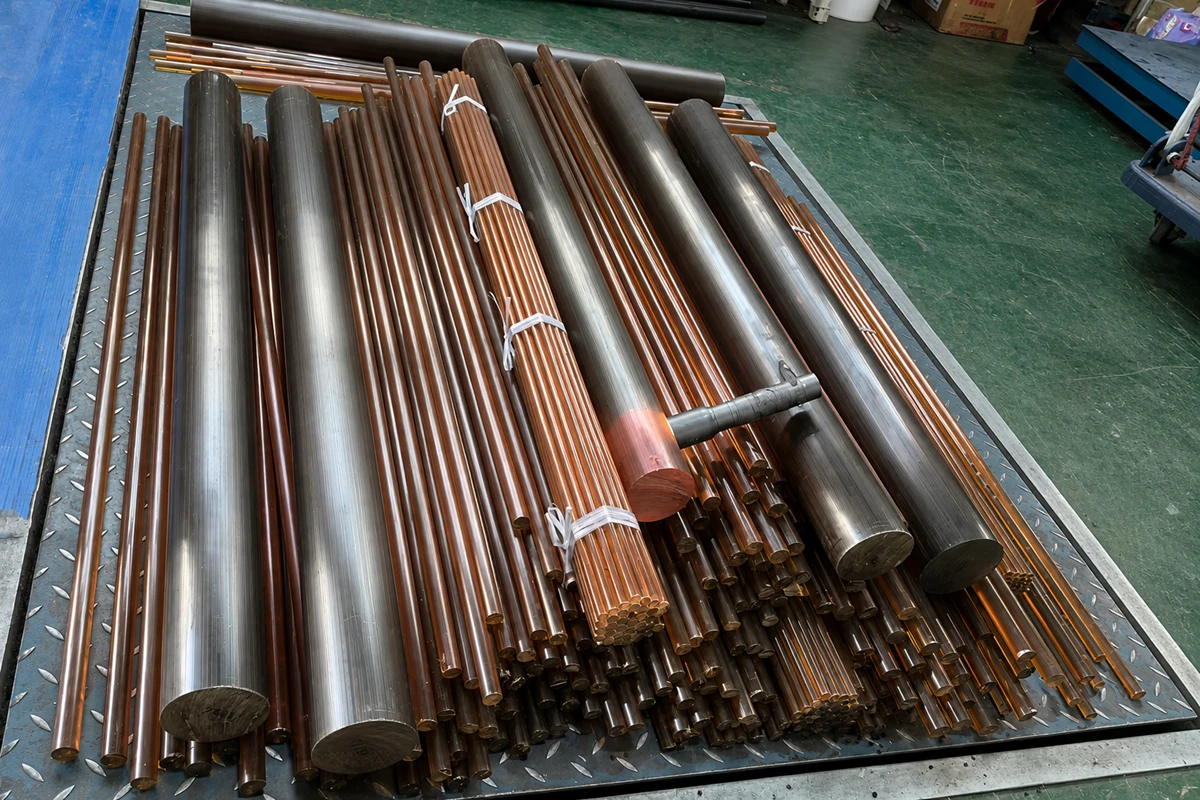
Start with the real service requirements: operating temperature, mechanical load, stiffness, electrical function, chemical exposure, flame performance, dimensional stability, and any weight target. Then compare the relevant PEI grades using supplier data. Unfilled material may be preferable when clean machining and balanced properties matter, while glass-filled grades may be better when higher stiffness and dimensional retention under load are the priorities.
Machining and Documentation Requirements
For custom parts, also specify the exact grade, reinforcement level, stock form, critical dimensions, inspection condition, and any material or regulatory documentation on the drawing or purchase order. The material name alone is not enough for applications that require traceability, sterilization evidence, flame/smoke/toxicity data, electrical ratings, or other controlled documentation.
FAQ About Ultem
Is Ultem the same as PEI?
Ultem is SABIC’s trademarked family of PEI resins. PEI is the generic polymer category, and other manufacturers also supply PEI materials under different product names.
What is Ultem made of?
Ultem is based on polyetherimide (PEI), an amorphous high-performance thermoplastic. Different grades may be unfilled, glass-fiber reinforced, pigmented, or formulated for specific performance and documentation requirements.
What are the main properties of Ultem?
Ultem is valued for elevated-temperature capability, stiffness, electrical insulation, dimensional stability, and inherent flame resistance in many grades. Exact performance values depend on the specific grade and test conditions.
What is the difference between Ultem 1000 and 2300?
ULTEM 1000 is commonly referenced as unfilled PEI, while ULTEM 2300 contains 30% glass fiber. ULTEM 2300 is stiffer and more abrasive to machine, while ULTEM 1000 is generally easier to finish cleanly.
Does Ultem absorb moisture?
Yes. PEI absorbs some moisture, although typically less than nylon. For precision parts, moisture condition and inspection environment can influence dimensions, so follow the stock supplier and drawing requirements.
Can Ultem be CNC machined?
Yes. Ultem can be milled, turned, drilled, bored, and threaded. Good results depend on sharp tools, controlled heat, chip evacuation, sensible workholding, and a machining sequence appropriate to the grade and geometry.
Can Ultem replace PEEK?
Sometimes. Ultem can be a cost-effective choice when its temperature, chemical, mechanical, electrical, and regulatory performance meets the application. PEEK is generally preferred for more severe heat, chemical, wear, or fatigue conditions.
Where is Ultem commonly used?
Common applications include electrical and electronic hardware, aerospace interior components, sensor and instrument housings, laboratory equipment, semiconductor fixtures, sterilizable equipment components, and industrial structural parts.