Rollyu Blog | Custom Machining & Services

Blog

From the business, for the world: News about Rollyu

What's happening in the CNC industry and Rollyu? What trends and innovations shouldn’t be missed? Learn more and check out rollyu's news.

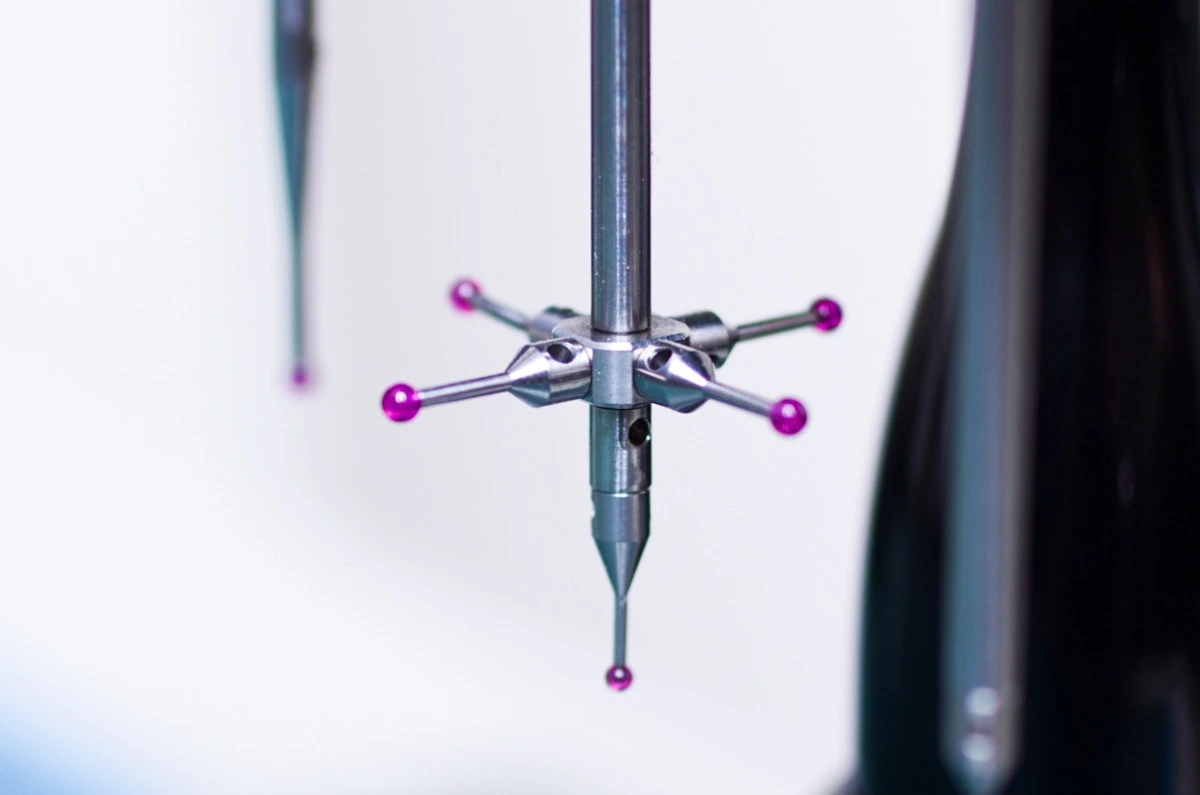
CMM probe head for dimensional inspection

CMM Inspection: How It Works, What It Measures, and When to Use It

This guide covers CMM setup, coordinate measurement, GD&T evaluation, reporting limits, and when CNC part buyers should request CMM results.

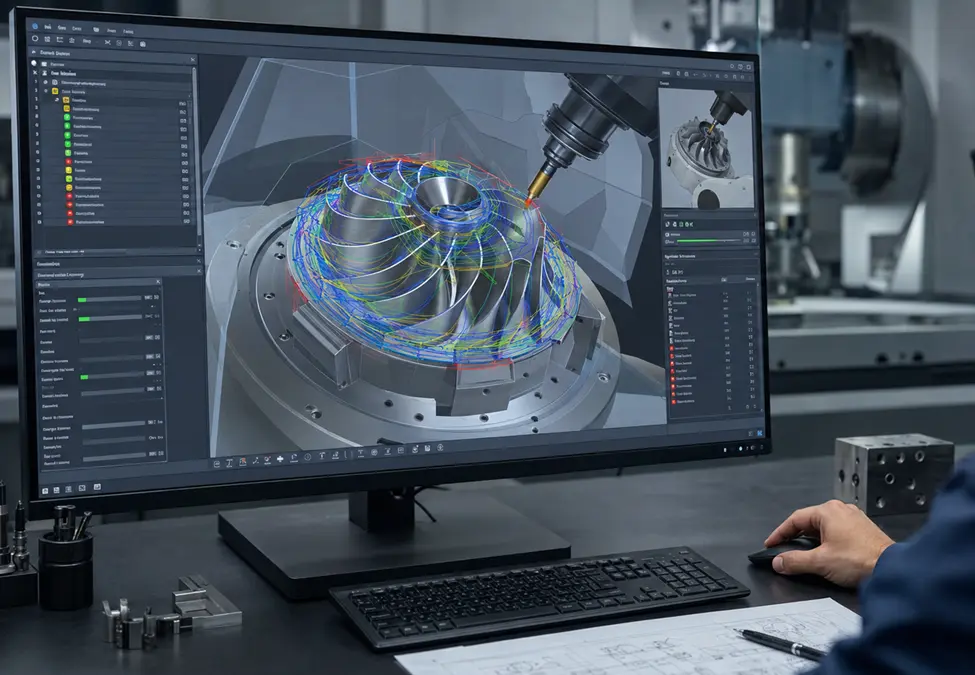
CAM programming for 5-axis machining

3+2 Machining vs 5-Axis Machining: What’s the Difference?

Choosing between 3+2 machining and simultaneous 5-axis machining can significantly affect manufacturing cost, lead time, and part quality. While both processes use a five-axis CNC machine, they serve different purposes. This guide explains their key differences and helps you select the right machining strategy for your application.   What Is

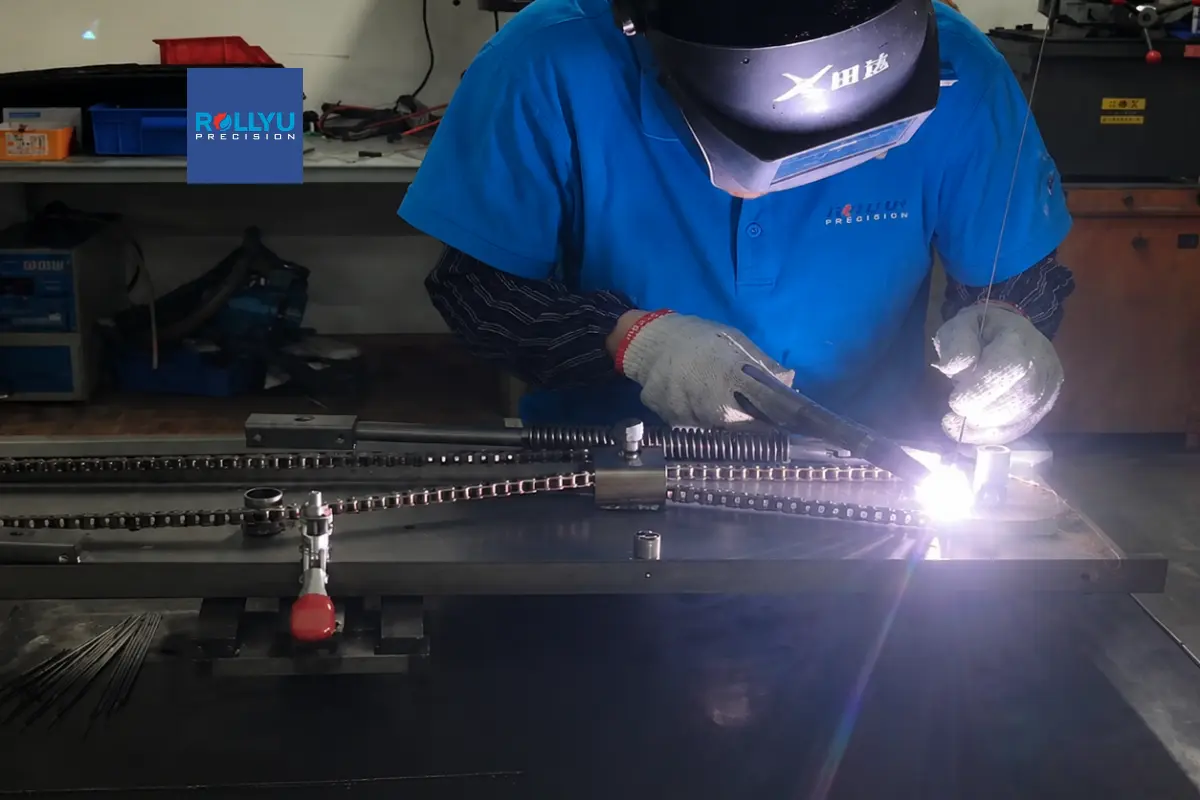
TIG welding a sheet metal assembly

Welding Defects: Causes, Prevention, and Inspection in Sheet Metal Parts

Porosity, cracks, poor fusion, burn-through, and distortion can affect weld strength, sealing, or part fit. This guide covers process control, inspection, acceptance criteria, and repair records.

5-axis CNC machining titanium and stainless steel parts

Titanium vs Stainless Steel: Strength, Weight, Cost, and CNC Machining

Grade 5 titanium cuts weight, while 316L stainless steel offers higher stiffness and usually lower machining costs. Compare corrosion, tooling, tolerances, and part fit.

CNC machining ferrous and non-ferrous metals

Ferrous vs Non-Ferrous Metals: Differences, Examples, and Manufacturing Uses

This guide helps engineers choose between ferrous and non-ferrous metals by matching alloy grade to part performance and production needs.

CNC end mill cutting metal part

CNC Cutting Tools: Types, Design Limits, and Part Quality Risks

See how end mills, drills, taps, thread mills, and turning inserts affect CNC part design, tool access, inspection, and production risk.

Robot arm handling cast aluminum housing

Cast Aluminum vs Aluminum: Which Material Fits Your Custom Part?

This guide compares cast aluminum and machined aluminum by part shape, production volume, tolerance, finish, and sourcing risk.

Types of Aluminum: CNC Machining Grades, Uses, and Selection Guide

Learn how 6061, 7075, 2024, 5052, and 6063 aluminum compare for CNC machining, forming, finishing, and inspection needs.

Inspection of 52100 steel component

52100 Steel Machining: CNC Guide for Precision Bearing Steel Components

52100 steel is a high-carbon chromium bearing steel known for its exceptional hardness, wear resistance, and rolling contact fatigue resistance. Unlike many general alloy steels, it is typically machined in the annealed condition and finished by precision grinding after heat treatment to achieve tight tolerances. This guide covers its material

CNC machining plastic part on turning machine

CNC Machining vs Injection Molding: How to Choose for Plastic Parts

This guide compares CNC machining and injection molding for plastic parts, showing when each process fits cost, lead time, volume, tolerance, and tooling risk. Use this comparison to choose between machined prototypes, bridge parts, and molded production parts.

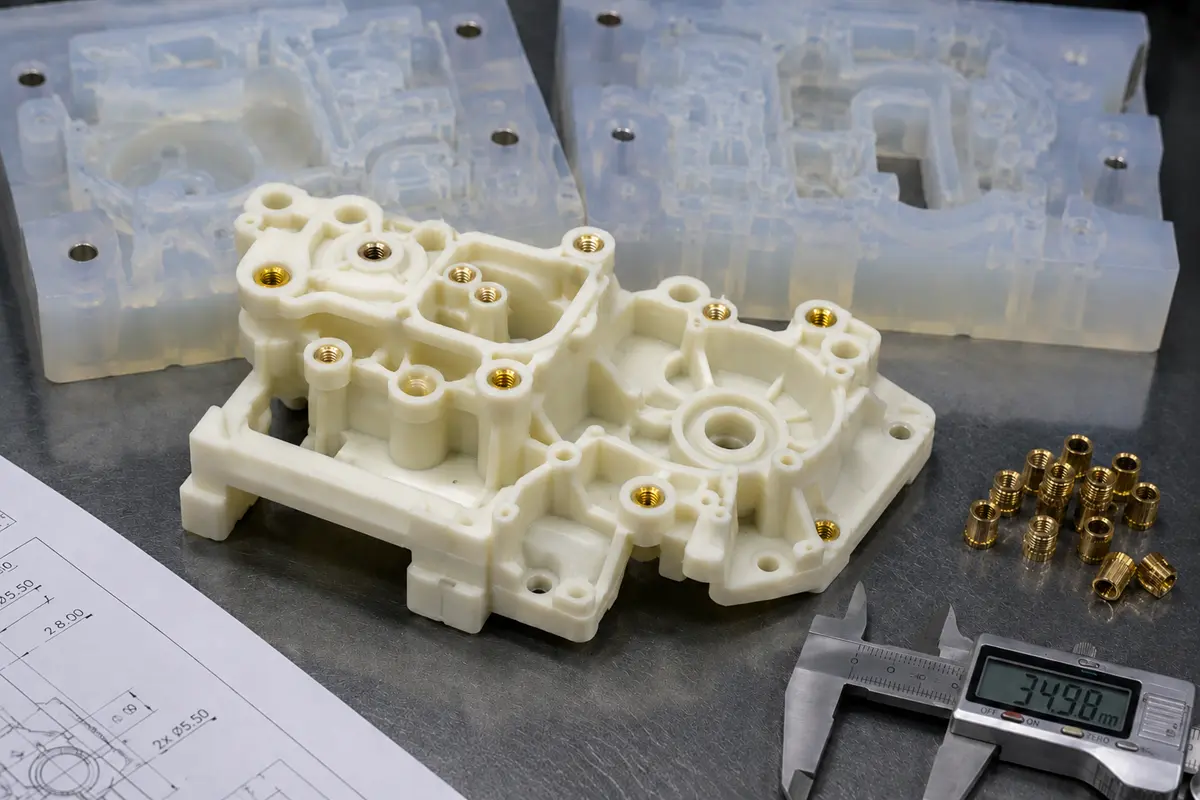
Urethane casting parts with silicone mold

Urethane Casting: Process, Materials, Benefits, and Buyer Guide

A practical buyer guide to urethane casting, covering process steps, resin choices, part quality checks, and when to use it for prototypes or low-volume parts.

4340 Steel Machining: CNC Machining Guide for High-Strength Alloy Steel

4340 steel combines high strength, toughness, and fatigue resistance, making it suitable for demanding machined components. This guide explains its material properties, machinability, CNC machining methods, heat-treatment considerations, and common applications. 4340 Alloy Steel: Composition, Properties, and Grades   Chemical Composition 4340 alloy steel belongs to the nickel-chromium-molybdenum family of

CMM probe head for dimensional inspection

CMM Inspection: How It Works, What It Measures, and When to Use It

This guide covers CMM setup, coordinate measurement, GD&T evaluation, reporting limits, and when CNC part buyers should request CMM results.

CAM programming for 5-axis machining

3+2 Machining vs 5-Axis Machining: What’s the Difference?

Choosing between 3+2 machining and simultaneous 5-axis machining can significantly affect manufacturing cost, lead time, and part quality. While both processes use a five-axis CNC machine, they serve different purposes. This guide explains their key differences and helps you select the right machining strategy for your application.   What Is

TIG welding a sheet metal assembly

Welding Defects: Causes, Prevention, and Inspection in Sheet Metal Parts

Porosity, cracks, poor fusion, burn-through, and distortion can affect weld strength, sealing, or part fit. This guide covers process control, inspection, acceptance criteria, and repair records.

5-axis CNC machining titanium and stainless steel parts

Titanium vs Stainless Steel: Strength, Weight, Cost, and CNC Machining

Grade 5 titanium cuts weight, while 316L stainless steel offers higher stiffness and usually lower machining costs. Compare corrosion, tooling, tolerances, and part fit.

CNC machining ferrous and non-ferrous metals

Ferrous vs Non-Ferrous Metals: Differences, Examples, and Manufacturing Uses

This guide helps engineers choose between ferrous and non-ferrous metals by matching alloy grade to part performance and production needs.

CNC end mill cutting metal part

CNC Cutting Tools: Types, Design Limits, and Part Quality Risks

See how end mills, drills, taps, thread mills, and turning inserts affect CNC part design, tool access, inspection, and production risk.

Robot arm handling cast aluminum housing

Cast Aluminum vs Aluminum: Which Material Fits Your Custom Part?

This guide compares cast aluminum and machined aluminum by part shape, production volume, tolerance, finish, and sourcing risk.

Types of Aluminum: CNC Machining Grades, Uses, and Selection Guide

Learn how 6061, 7075, 2024, 5052, and 6063 aluminum compare for CNC machining, forming, finishing, and inspection needs.

Inspection of 52100 steel component

52100 Steel Machining: CNC Guide for Precision Bearing Steel Components

52100 steel is a high-carbon chromium bearing steel known for its exceptional hardness, wear resistance, and rolling contact fatigue resistance. Unlike many general alloy steels, it is typically machined in the annealed condition and finished by precision grinding after heat treatment to achieve tight tolerances. This guide covers its material

CNC machining plastic part on turning machine

CNC Machining vs Injection Molding: How to Choose for Plastic Parts

This guide compares CNC machining and injection molding for plastic parts, showing when each process fits cost, lead time, volume, tolerance, and tooling risk. Use this comparison to choose between machined prototypes, bridge parts, and molded production parts.

Urethane casting parts with silicone mold

Urethane Casting: Process, Materials, Benefits, and Buyer Guide

A practical buyer guide to urethane casting, covering process steps, resin choices, part quality checks, and when to use it for prototypes or low-volume parts.

4340 Steel Machining: CNC Machining Guide for High-Strength Alloy Steel

4340 steel combines high strength, toughness, and fatigue resistance, making it suitable for demanding machined components. This guide explains its material properties, machinability, CNC machining methods, heat-treatment considerations, and common applications. 4340 Alloy Steel: Composition, Properties, and Grades   Chemical Composition 4340 alloy steel belongs to the nickel-chromium-molybdenum family of
Outstanding Achievements and Partnerships

We take pride in our outstanding achievements and strong partnerships. Our commitment to great communication, service, and integrity has led to excellent results.
Join us as a valued partner, and together, we can make a positive impact on CNC.

Contact Us