What's happening in the CNC industry and Rollyu? What trends and innovations shouldn’t be missed? Learn more and check out rollyu's news.
Choose CNC quality documents based on the part's tolerances, function, and industry requirements. This guide covers the main inspection records and certificates, RFQ requirements, and supplier checks.
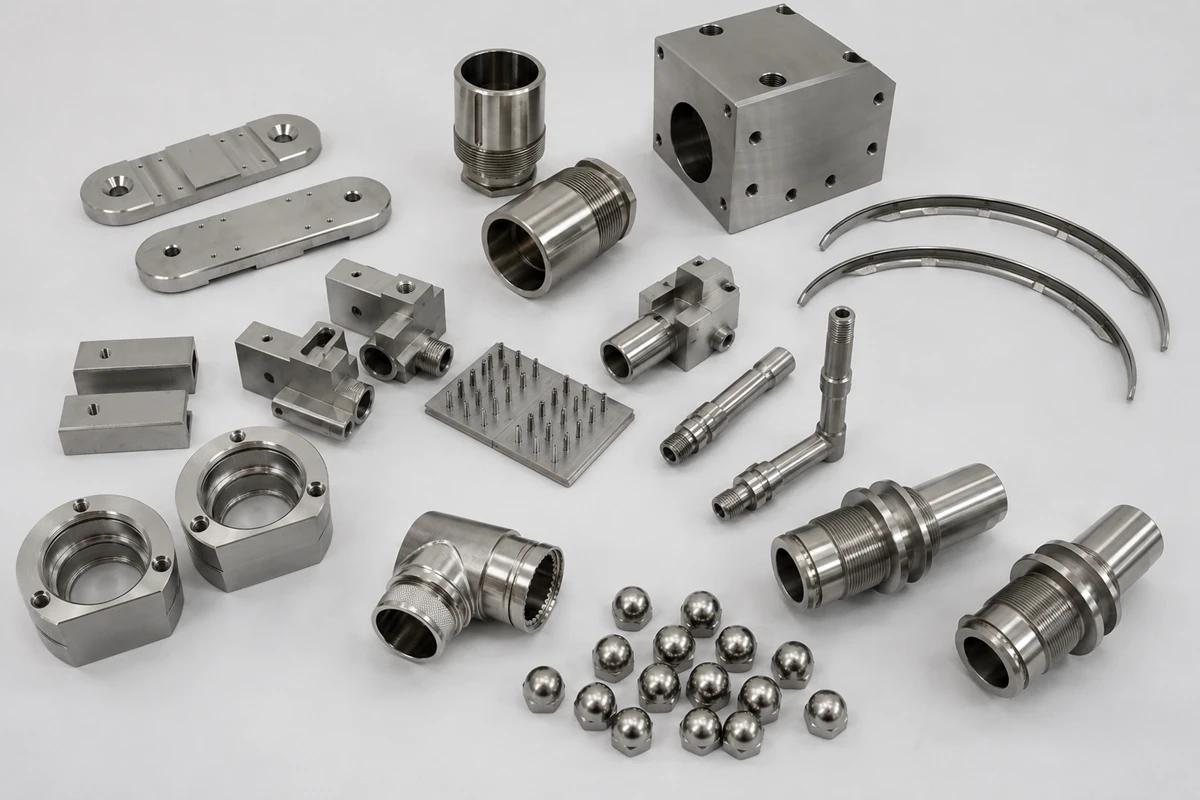
Quick answer: what does stainless steel passivation do? Passivation of stainless steel machined parts is a controlled surface treatment that removes contaminant iron and supports the alloy’s naturally protective, chromium-rich passive surface. It is not a deposited coating or a substitute for proper alloy selection. For equipment components, specify the
When a mechanical engineer specifies black oxide, the decision is rarely about color alone. The finished shaft, spacer, clamp, gear, fastener, bracket, fixture, optical hardware component, or sensor mount must still fit, remain clean enough for the system, resist its real environment, and arrive with documentation that matches the drawing.
Robot joints, transmission systems, sensor mounts, and lightweight structures depend on precisely machined components to maintain motion accuracy, rigidity, and reliable assembly. CNC machining for robots is well suited to complex geometries, tight tolerances, and low-volume production. This guide explains common robot parts, material selection, machining methods, process planning, quality
Mechanical engineers rarely struggle with the definition of Chem Film. The costly uncertainty is whether the finished component will still assemble, ground, accept paint, resist corrosion, remain clean enough for the application, and arrive with documentation that matches the drawing. Those questions become difficult when the print says only “clear
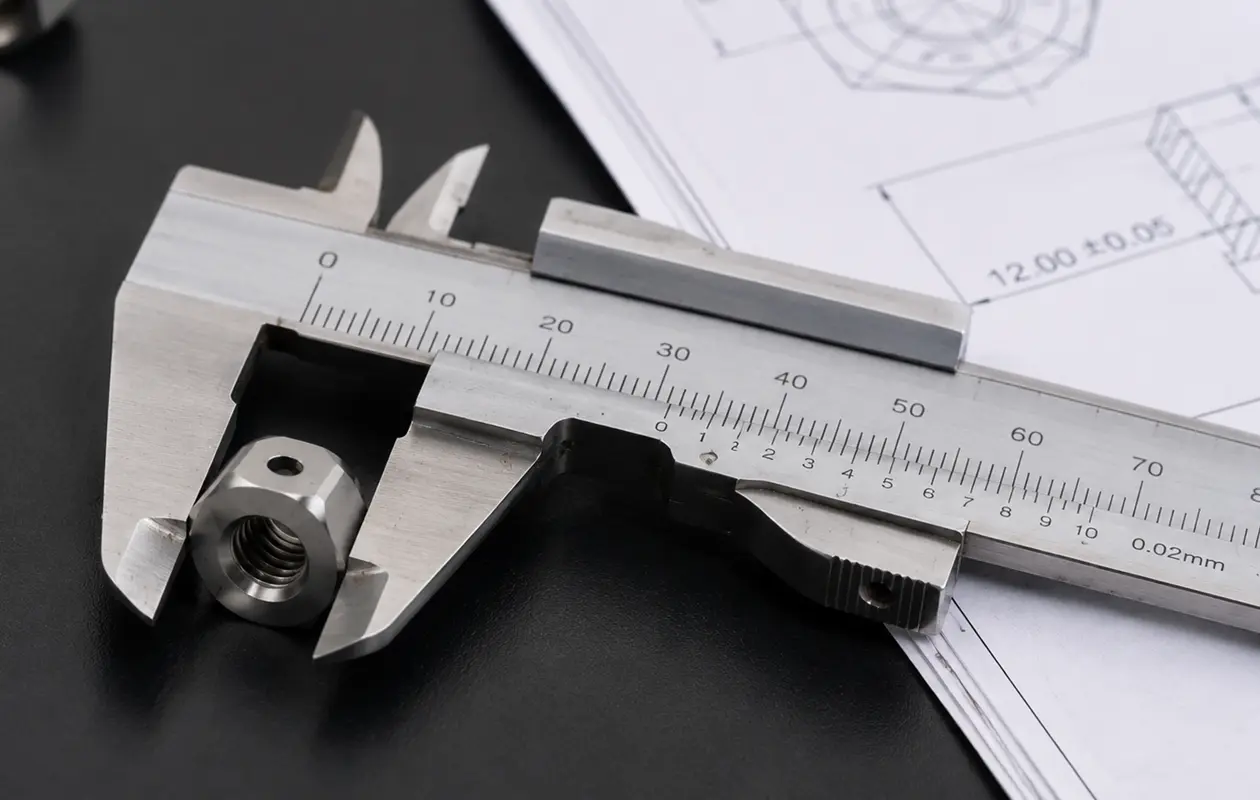
Learn how to pair a 2D technical drawing with a 3D model and define the callouts, revisions, and inspection requirements for supplier review.
Clear anodize is often written on a drawing as if it were only a color choice. In precision CNC work, it is a dimensional, electrical, cosmetic, and supply-chain decision at the same time. A part can pass machining inspection and still fail at assembly after anodizing if a bearing bore
Choosing a thread for a CNC part starts with the mating assembly, not the machining method. This guide explains how to select thread families, define pitch, fit, depth, direction, and starts, and prepare drawing callouts that support manufacturability, surface-finish control, inspection, and RFQ review.
Quick Answer: What Mechanical Engineers Need to Know Hard anodizing – also called hardcoat anodizing or Type III anodizing – is useful when an aluminum component needs a more wear-oriented oxide surface than standard Type II anodizing. The engineering value is real, but so is the design risk. Hardcoat changes
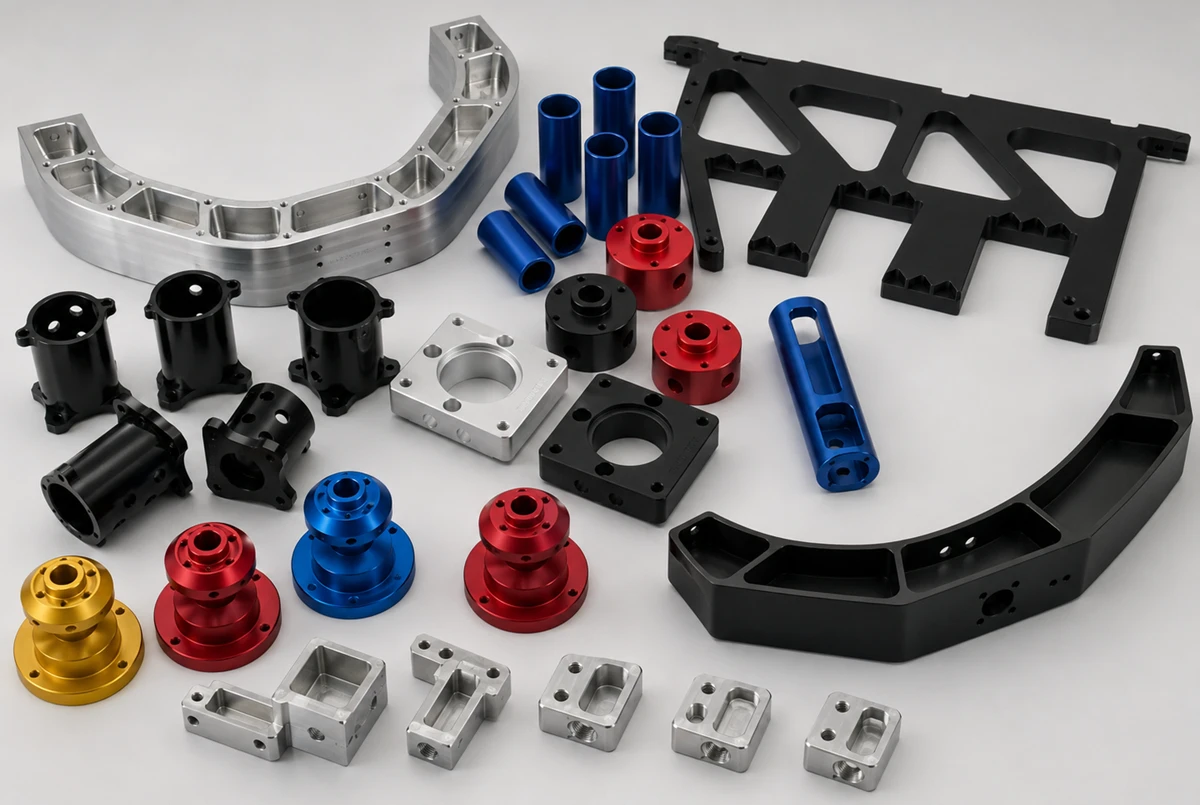
Quick Answer: What Colors Can Aluminum Be Anodized? For standard Type II sulfuric anodizing, aluminum can commonly be finished in clear/natural, black, red, blue, green, gold, bronze, champagne, gray and purple, plus processor-dependent custom shades. Type III hardcoat is selected mainly for functional performance and normally has a darker natural
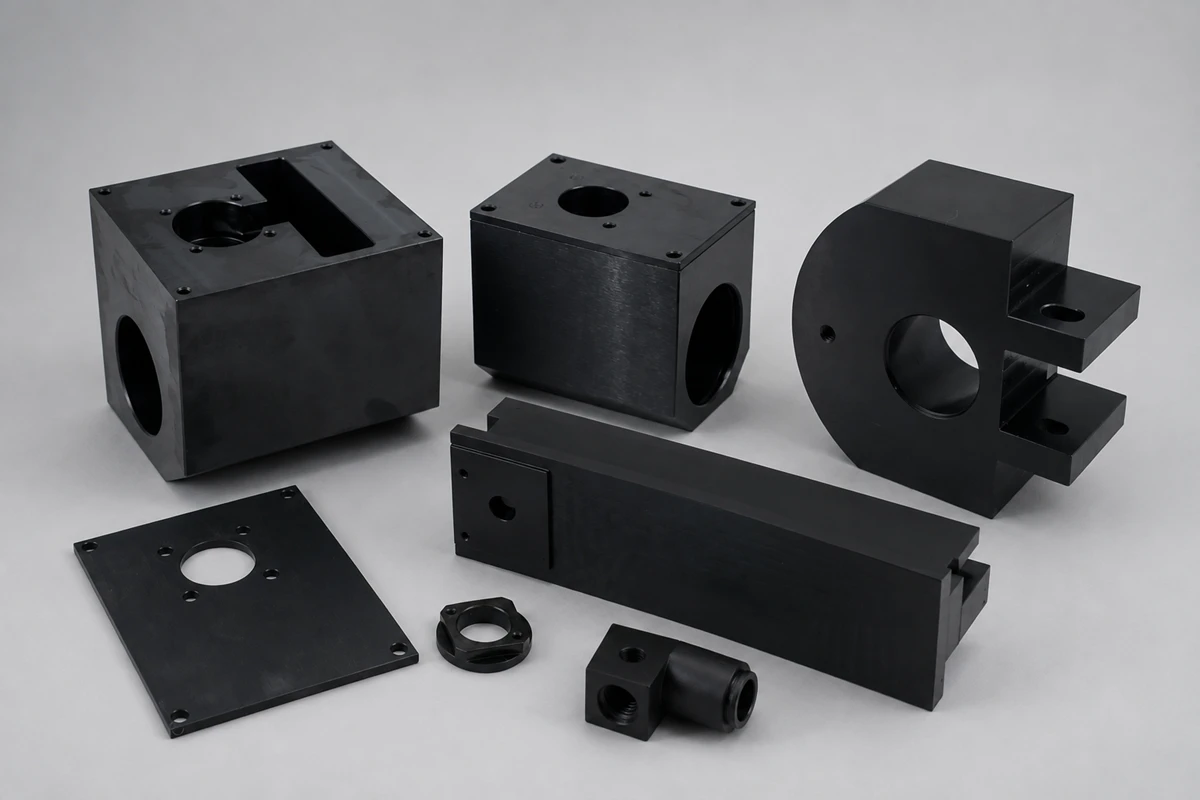
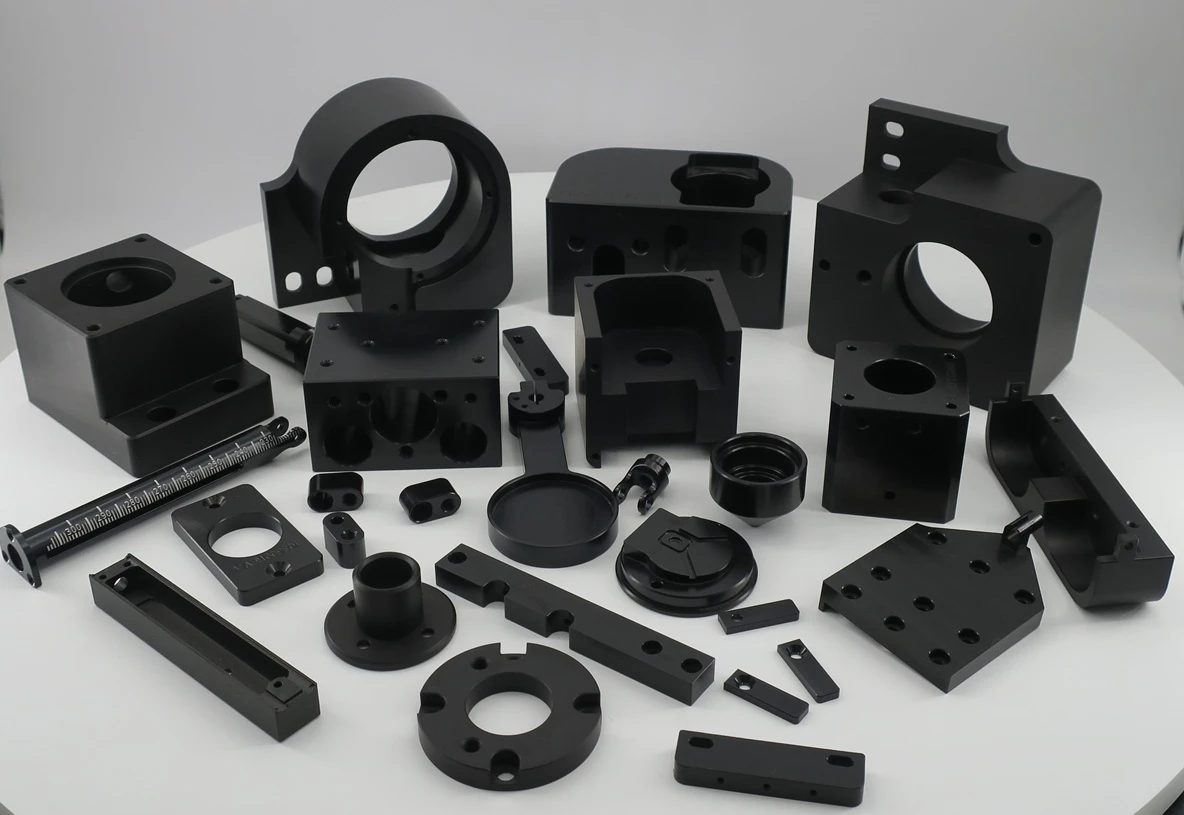
Quick Answer: What Should Engineers Know About Black Anodized Aluminum? Black anodized aluminum is aluminum that has been electrochemically converted to form an anodic oxide layer and then given a black appearance, commonly through a qualified dye or coloring step followed by sealing when required. For precision CNC parts, the
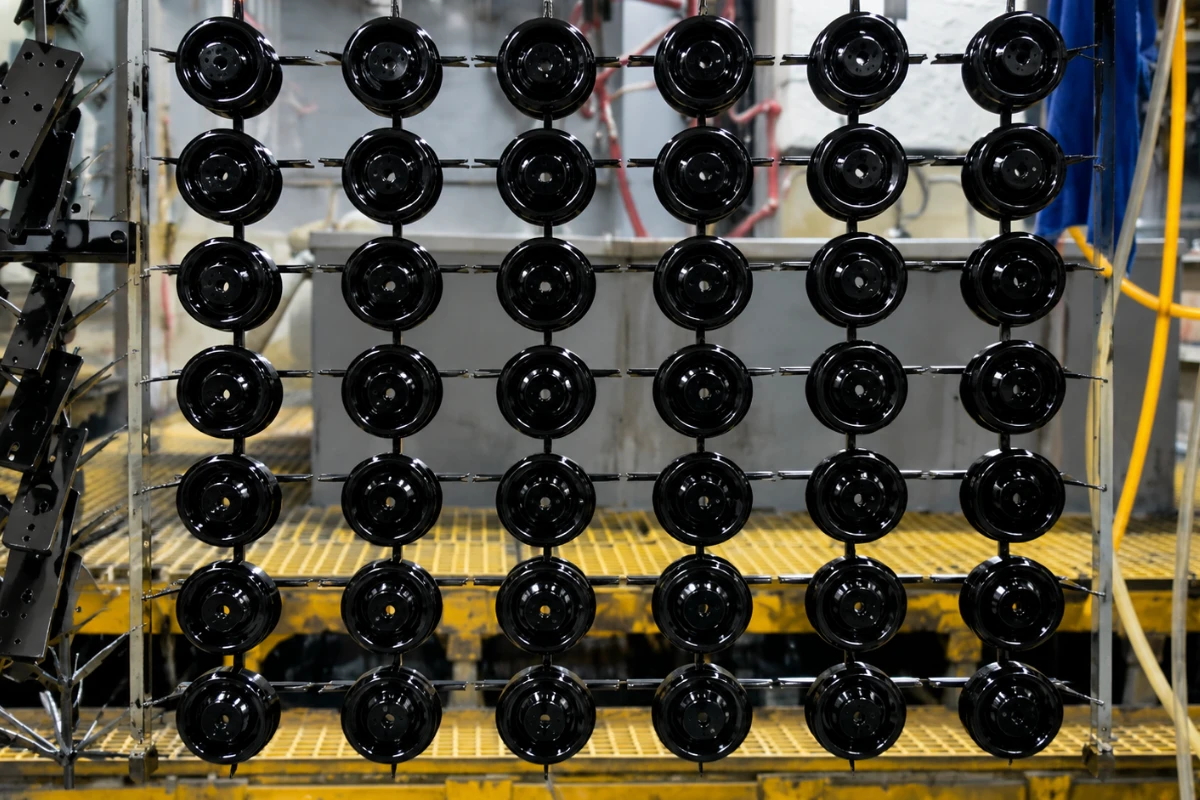
A CNC aluminum part can pass machining inspection and still become unacceptable after finishing. A hard-anodized bore can return undersize; threads can bind because coating reached an unmasked area; black anodized lots can differ visually; clear finishes can reveal alloy or machining variation; and powder coating can build around holes