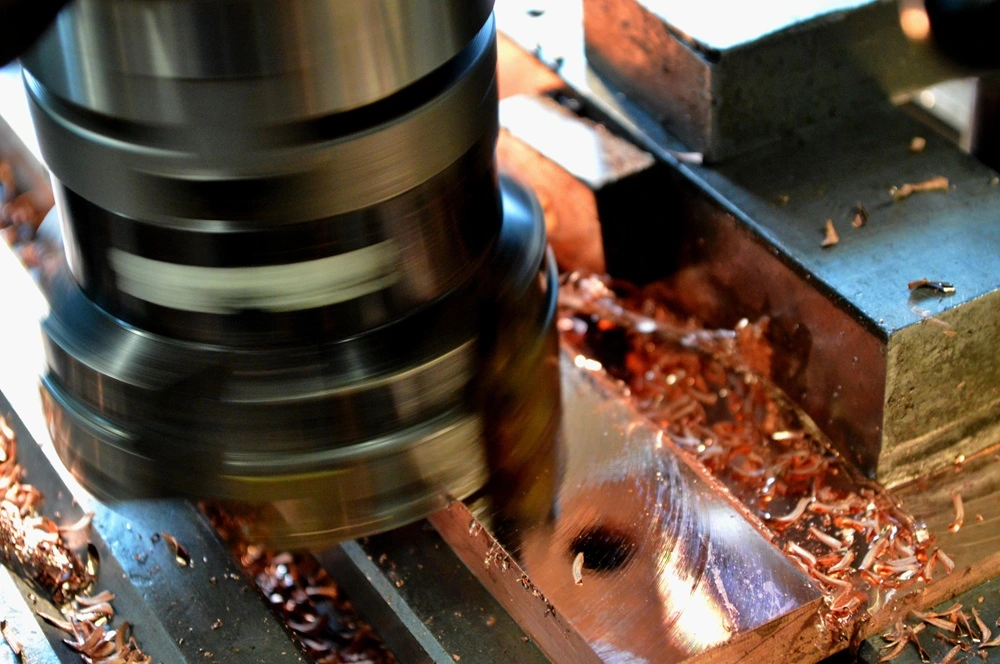
Known for its excellent fatigue resistance, wear resistance, and conductivity, phosphor bronze is ideal for applications requiring long-term reliability and stable performance. However, phosphor bronze machining can still present CNC challenges such as burr formation, heat buildup, and tool wear during cutting operations.
What Is Phosphor Bronze
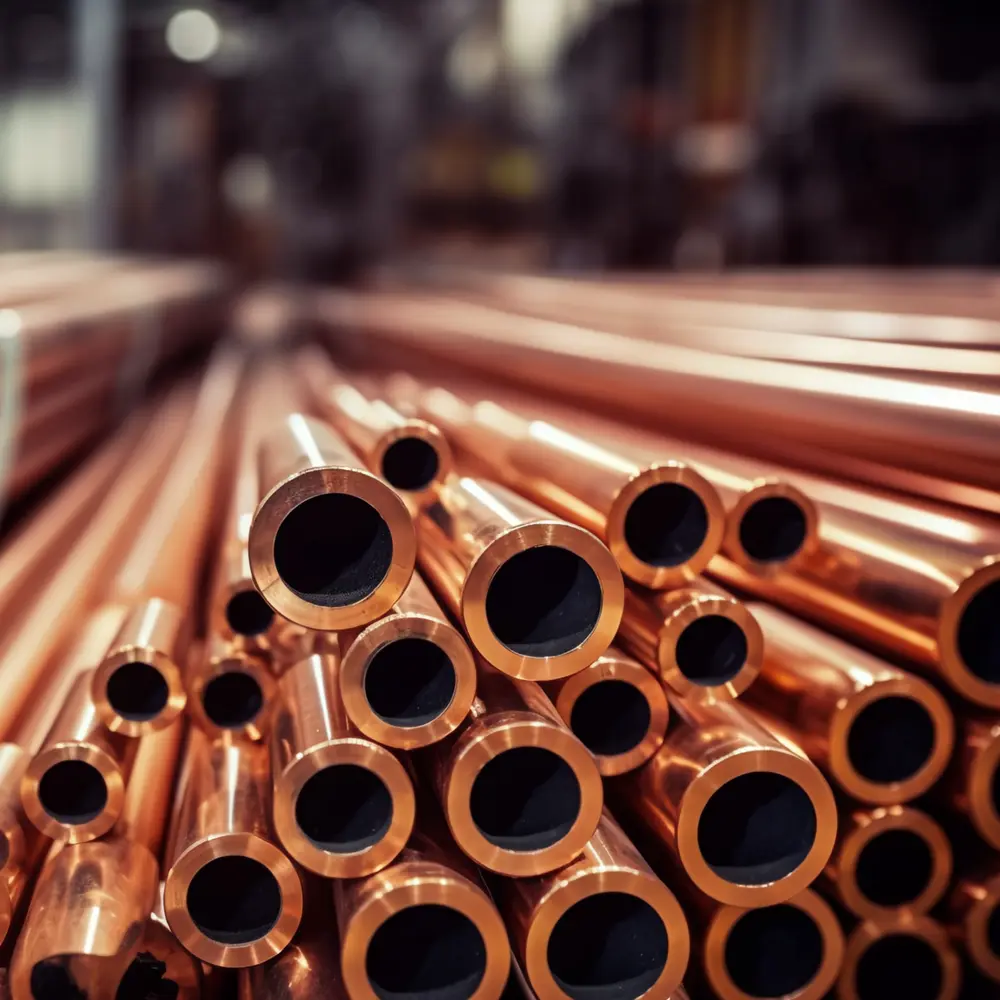
Phosphor bronze is a high-performance copper alloy widely used in precision mechanical and electrical applications. The alloy offers good fatigue resistance, conductivity, wear resistance, and stable mechanical performance during long operating cycles. Because of these properties, phosphor bronze is commonly used for springs, bearings, bushings, electrical contacts, and other precision components exposed to repeated movement and mechanical stress.
Compared with many standard copper alloys, phosphor bronze offers a better balance of strength, elasticity, corrosion resistance, and anti-friction performance, making it suitable for both industrial and electrical systems.
Common grades include C51000 and C52100 phosphor bronze, both widely used for springs, electrical connectors, bearings, and precision industrial components.
Phosphor Bronze Alloy Composition
Phosphor bronze alloy is primarily made from copper and tin with a small amount of phosphorus added to improve mechanical performance. This copper tin phosphorus alloy structure gives the material higher strength, improved wear resistance, and better fatigue properties compared with standard bronze materials.
Tin helps improve corrosion resistance and hardness, while phosphorus increases stiffness, wear resistance, and overall durability. The addition of phosphorus also improves the alloy’s casting and forming characteristics, making it suitable for precision industrial applications.
Compared with traditional bronze alloys, phosphor bronze generally provides better spring performance, improved fatigue life, and more stable mechanical behavior under repeated stress and sliding contact conditions.
Why Is Phosphor Bronze Widely Used
One of the most important phosphor bronze properties is its ability to maintain stable performance under repeated loading and continuous movement. As a high fatigue bronze alloy, phosphor bronze performs extremely well in applications that require elasticity, durability, and long service life.
The material also offers good electrical conductivity and corrosion resistance, allowing it to perform reliably in both mechanical and electrical environments. Because of its combination of spring properties, wear resistance, and anti-friction characteristics, phosphor bronze is widely used in:
- Precision springs
- Electrical connectors
- Bearings and bushings
- Sliding wear components
- Industrial gears
- Electronic contact systems
These characteristics help phosphor bronze maintain stable performance in components exposed to repeated movement, continuous contact pressure, and long operating cycles.
Properties of Phosphor Bronze
Phosphor bronze is widely valued for its balanced combination of fatigue resistance, conductivity, corrosion resistance, and wear performance. This combination of properties allows phosphor bronze to maintain stable performance in precision mechanical and electrical applications.
Its combination of conductivity and fatigue resistance helps maintain stable electrical contact performance during repeated mechanical movement.

Fatigue Resistance and Spring Performance
One of the most important advantages of phosphor bronze is its exceptional fatigue resistance. As a high fatigue bronze alloy, the material performs extremely well under repeated cyclic loading without rapidly losing its mechanical strength or elasticity.
Because of its stable spring performance, phosphor bronze is commonly used for springs, clips, connectors, and precision contact components that experience constant movement or repeated deflection during operation.
Phosphor bronze springs are especially valued for their:
- Excellent elasticity
- Long fatigue life
- Stable mechanical recovery
- Resistance to deformation under repeated stress
These characteristics make the alloy highly reliable for electrical systems, industrial assemblies, and high-cycle mechanical applications.
Conductivity and Wear Resistance
Phosphor bronze also provides good electrical conductivity combined with strong wear resistance. This balance allows the material to function effectively in both electrical and sliding contact applications where friction and continuous movement are present.
As an electrical contact bronze material, phosphor bronze is widely used for:
- Electrical terminals
- Connector springs
- Switch contacts
- Electronic hardware
In addition to conductivity, the alloy also performs well as a wear resistant bronze alloy because of its anti-friction properties and surface durability. It is commonly selected for sliding applications such as bushings, bearings, gears, and moving mechanical assemblies where long-term wear resistance is important.
Corrosion Resistance and Reliability
Another important advantage of phosphor bronze is its ability to resist oxidation and environmental degradation. Many engineers ask whether phosphor bronze is corrosion resistant, and the answer is generally yes. The alloy performs reliably in industrial environments exposed to moisture, oxidation, and light chemical contact.
Unlike ferrous metals, phosphor bronze does not rust in the traditional sense because it contains no iron. However, the surface may gradually develop a light oxidation layer over time, especially in humid or marine-related environments.
Because of its stable corrosion resistance and long-term reliability, phosphor bronze is widely used in:
- Industrial machinery
- Electrical systems
- Marine-related equipment
- Precision mechanical assemblies
- Light chemical exposure environments
| Key Properties of Phosphor Bronze | |
| Property | Phosphor Bronze |
| Fatigue Resistance | Excellent |
| Conductivity | Good |
| Wear Resistance | High |
| Corrosion Resistance | Good |
| Spring Performance | Excellent |
| Machinability | Moderate to Good |
| Common Applications | Springs, bearings, electrical contacts |
Phosphor Bronze Machinability
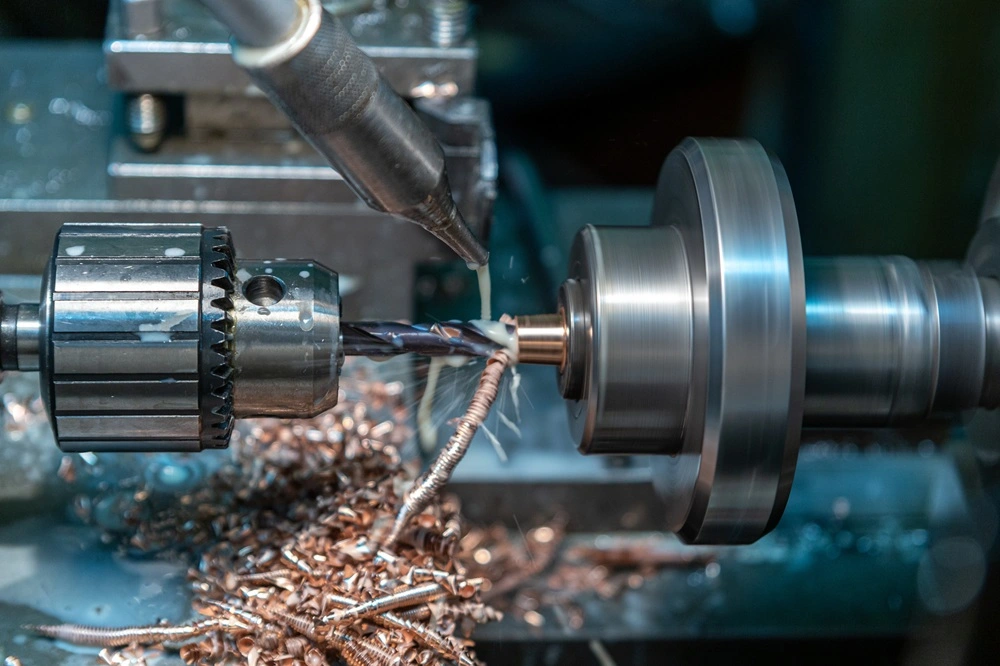
Phosphor bronze generally offers moderate to good machinability compared with many other copper alloys. However, machining precision phosphor bronze components can still present several CNC challenges, especially when tight tolerances and fine surface finishes are required.
Compared with brass and aluminum bronze, phosphor bronze is generally more difficult to machine because of its higher strength and tendency to produce burrs during cutting.
Common CNC Machining Challenges
One of the most common issues during phosphor bronze machining is burr formation along edges and small features. The material can also generate heat buildup during aggressive cutting operations, leading to faster tool wear and reduced surface quality.
Other machining challenges may include:
– Chip control during turning operations
– Tool wear during continuous cutting
– Surface finish consistency
– Heat accumulation in precision parts
CNC Machining Tips for Phosphor Bronze
To improve machining stability and dimensional accuracy, manufacturers commonly use:
– Sharp carbide tooling
– Optimized cutting speeds
– Stable feed rates
– Coolant for heat control
– Precision inspection during production
With proper machining strategies, phosphor bronze can achieve reliable dimensional stability and high-quality surface finishes for precision industrial and electrical components.
Common Applications of Phosphor Bronze
Phosphor bronze is commonly used in electronics, industrial automation equipment, precision instruments, and rotating mechanical systems requiring long-term reliability. Because of its excellent fatigue resistance, conductivity, wear resistance, and dimensional stability, phosphor bronze is widely used in both electrical and mechanical precision applications. The material is commonly used in components exposed to repeated movement, friction, and long operating cycles.
Today, phosphor bronze components are frequently used in electrical systems, industrial machinery, automation equipment, precision connectors, and rotating mechanical assemblies where long-term reliability is critical.
Electrical Contacts and Connectors
One of the most common uses of phosphor bronze is in electrical contacts and connector systems. As an electrical contact bronze material, it combines good conductivity with strong fatigue resistance, allowing components to maintain stable electrical performance over long operating cycles.
Phosphor bronze is widely used for:
- Electrical terminals
- Connector contacts
- Switch components
- Electronic hardware
- Precision conductive clips
Compared with many standard copper alloys, phosphor bronze offers better mechanical durability and electrical reliability for precision electronic applications.
Springs and Precision Components
Because of its excellent elasticity and fatigue life, phosphor bronze is commonly used for precision spring applications that require repeated deflection without permanent deformation.
Phosphor bronze springs are widely used in:
- Spring clips
- Precision connectors
- Contact springs
- Electrical spring components
- Precision retaining hardware
The alloy’s stable spring performance and wear resistance make it highly suitable for electronic devices, industrial controls, and precision mechanical systems.
Bearings Bushings and Industrial Parts
Phosphor bronze is also widely used for bearings, bushings, and other moving industrial components because of its low friction characteristics and good wear resistance.
Common phosphor bronze bearings and phosphor bronze bushings applications include:
- Rotating systems
- Sliding wear components
- Industrial assemblies
- Precision mechanical supports
- Low-speed friction applications
Its anti-friction properties help reduce wear between moving surfaces, making the material reliable for long-term industrial operation under moderate mechanical loads.
The material is commonly selected for low-speed bearing applications where stable anti-friction performance is more important than maximum hardness.
CNC Machining Services for Phosphor Bronze Components
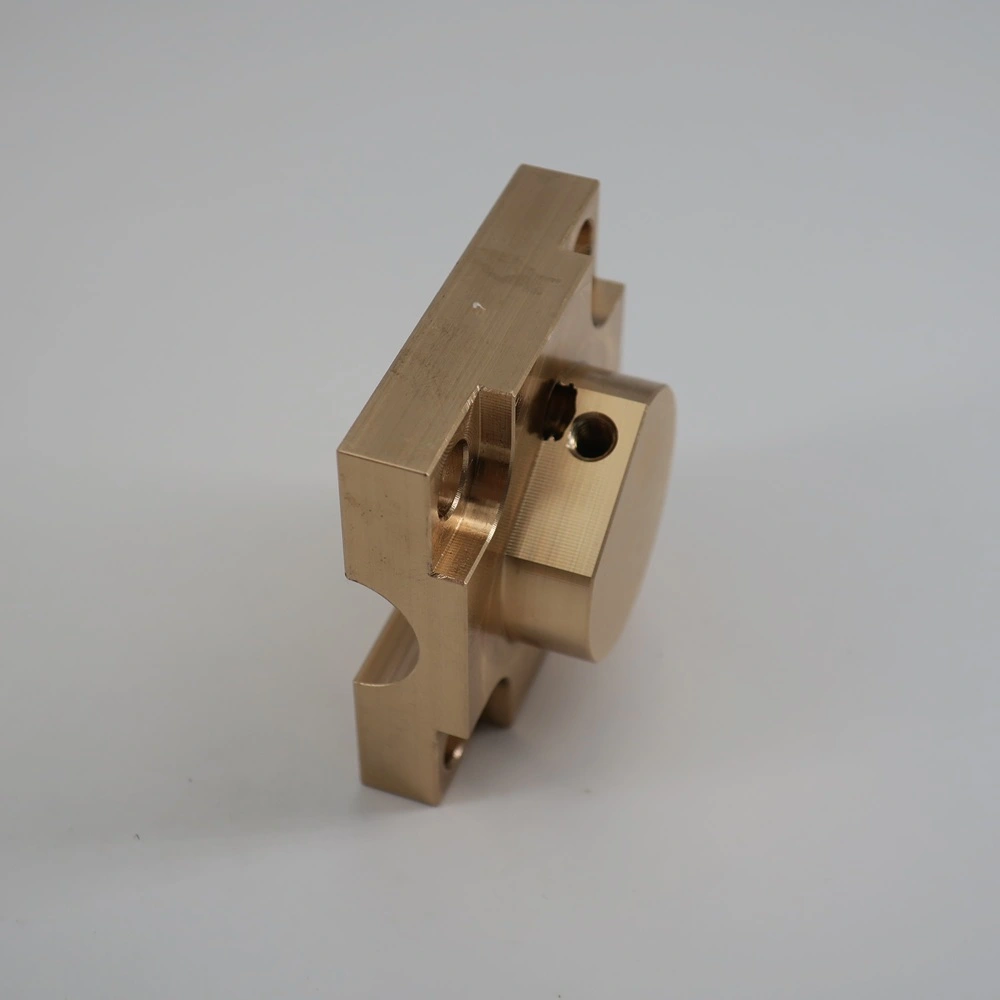
Machining phosphor bronze requires stable process control, proper tooling selection, and optimized cutting parameters to achieve reliable dimensional accuracy and surface quality. At Rollyu Precision, we provide precision CNC machining services for custom phosphor bronze components used in electrical systems, industrial assemblies, springs, bearings, and precision mechanical applications.
Our machining capabilities support both complex geometries and tight-tolerance components designed for demanding industrial and electronic environments.
Precision CNC Milling and Turning
We provide precision CNC milling and CNC turning services for a wide range of phosphor bronze components requiring stable dimensional accuracy and high-quality surface finishes.
Our machining capabilities support:
- Tight tolerance components
- Custom engineered parts
- Precision bushings and bearings
- Connector hardware
- Springs and contact assemblies
- Industrial mechanical components
Using optimized machining strategies and precision inspection processes, we help ensure reliable repeatability for both simple and complex phosphor bronze parts.
Prototype and Small Batch Production
In addition to full production machining, we also support prototype machining and small batch production for custom phosphor bronze components.
Our services include:
- Prototype development
- Low-volume production
- Small batch manufacturing
- Custom engineered components
- Precision replacement parts
Whether you require precision CNC milled components or custom CNC turned phosphor bronze parts, our team can support projects requiring reliable machining quality, stable tolerances, and consistent production performance.
Frequently Asked Questions About Phosphor Bronze
Is phosphor bronze corrosion resistant
Yes. Phosphor bronze offers good corrosion resistance in humid, industrial, and light marine environments.
Is phosphor bronze conductive
Yes. It provides good electrical conductivity while maintaining higher strength and fatigue resistance than pure copper.
What is phosphor bronze used for
Phosphor bronze is commonly used for springs, bearings, bushings, gears, electrical contacts, and precision connectors.
Is phosphor bronze good for springs
Yes. Its excellent elasticity and fatigue resistance make it ideal for spring applications and repeated cyclic loading.
Does phosphor bronze rust
No. Phosphor bronze does not rust like carbon steel, although light surface oxidation may appear over time.
Is phosphor bronze easy to machine
It has moderate to good machinability, but burr formation and tool wear can still occur during CNC machining.
Conclusion
Phosphor bronze combines fatigue resistance, conductivity, and wear performance, making it suitable for springs, electrical contacts, and precision mechanical components. It is widely used in electrical contacts, springs, bearings, and other precision industrial components.
At Rollyu Precision, we support CNC machining for custom phosphor bronze components, including prototype development, small batch production, and precision parts requiring stable dimensional accuracy.