Tapped Hole vs Threaded Hole: What’s the Difference and How to Choose
Learn the differences between tapped and threaded holes and how thread choices impact your CNC machining costs and lead times.

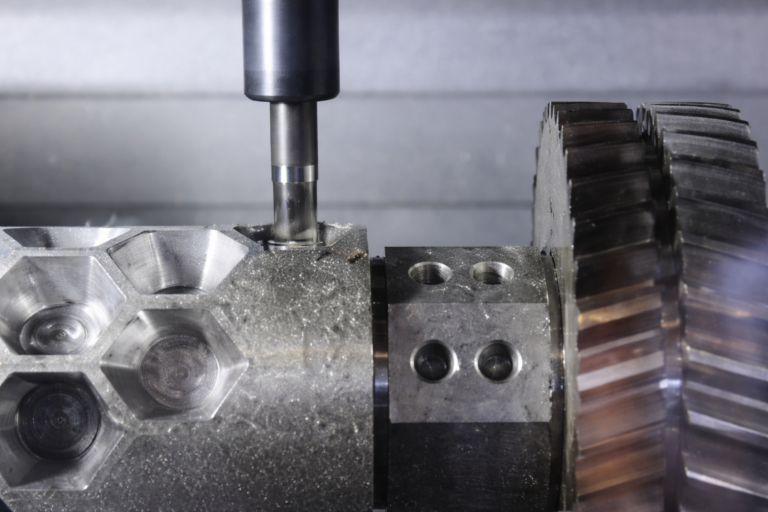
Learn the differences between tapped and threaded holes and how thread choices impact your CNC machining costs and lead times.
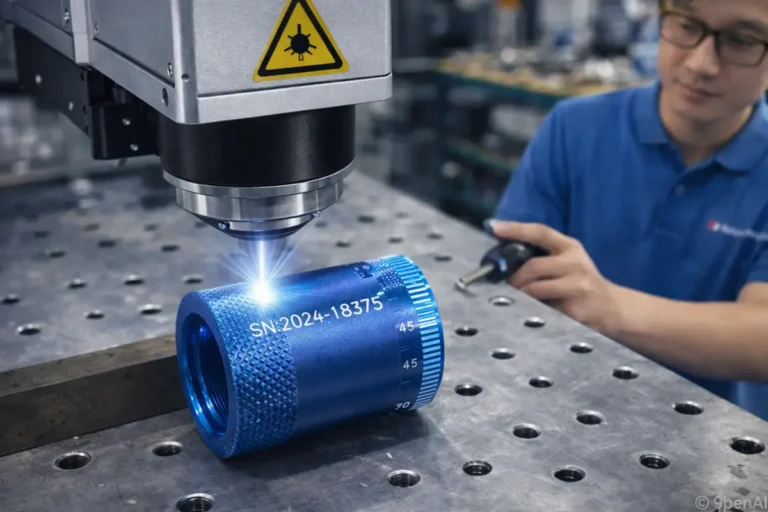
Laser marking offers permanent, sub-millimeter precision that inkjet and dot peen can’t match. Find the right laser for your materials and secure UDI compliance with an ISO-certified partner.
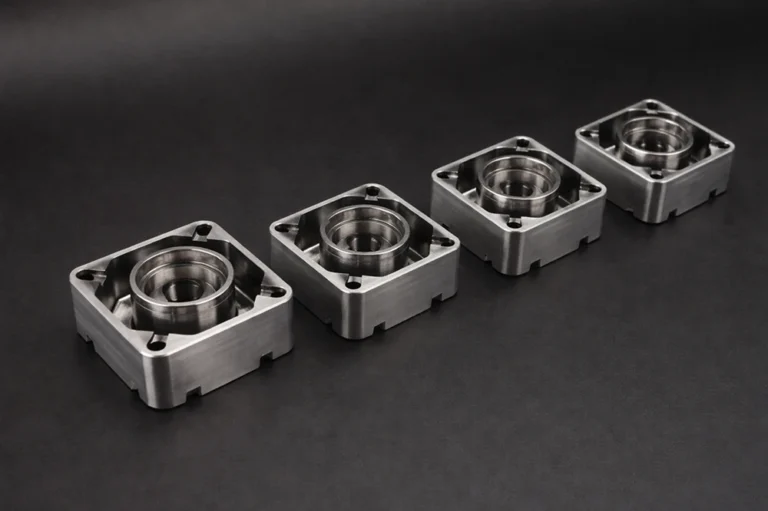
Trying to anodize steel will ruin your parts. Learn which surface finishes actually protect steel and how to choose the right coating for your next project.
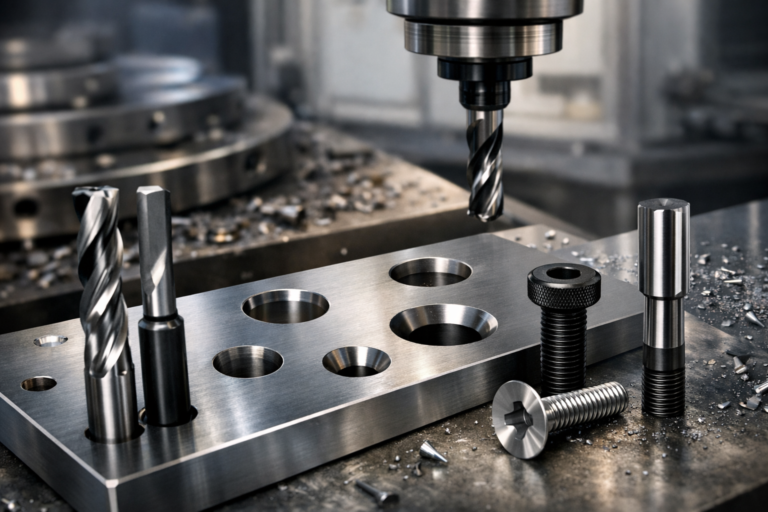
According to PS Market Research, the global CNC machining market hit $74.9 billion in 2024. That number is on track to reach $160 billion by 2032. Choosing the wrong hole type can cause part rejection, assembly failure, or costly rework. This guide covers 7 standard CNC hole types, which materials drill cleanly, and the design…
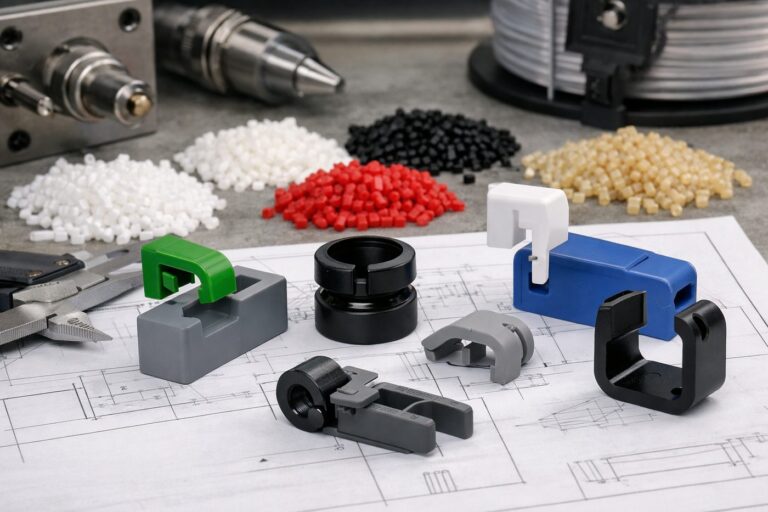
According to Assembly Magazine, the global fasteners market reached 97 billion dollars in 2022. Snap fit joints reduce this expense by replacing physical screws and metal hardware. Manufacturers use these molded connectors to shorten assembly time and simplify production lines. Choosing the right joint prevents loose enclosures, broken parts, and costly tooling changes. This guide…
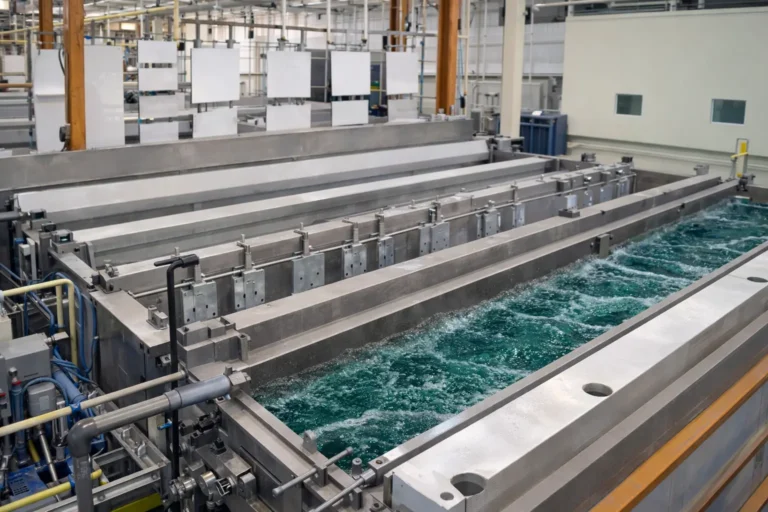
Anodizing is an electrochemical process that converts a metal’s surface into a hard oxide layer. The coating makes the part far more resistant to corrosion, wear, and heat. According to the Aluminum Association, aluminum is the most anodized metal in the world, used in everything from aircraft frames to smartphone casings. This guide covers how…
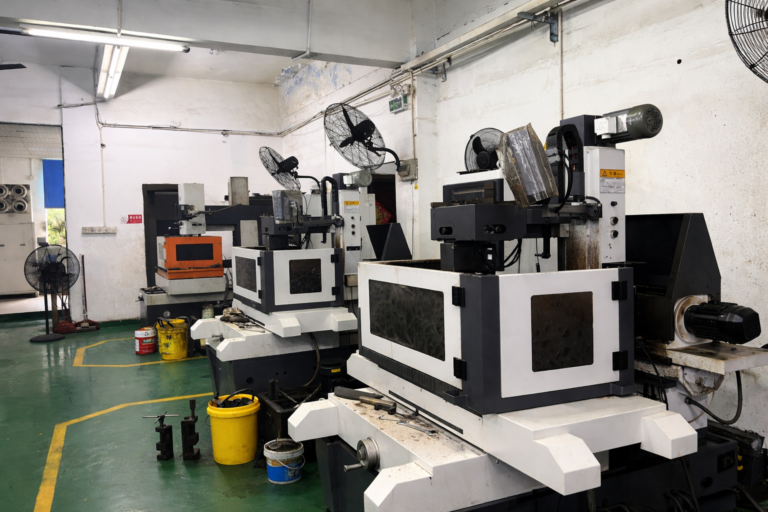
Wire Electrical Discharge Machining (Wire EDM) is a non-contact manufacturing process that uses a thin, electrically charged wire to cut conductive metals. According to Thomasnet, this process routinely holds tolerances of ±0.0002 inches (±0.005 mm) regardless of material hardness. This guide covers how Wire EDM works, the materials it cuts, its main pros and cons,…
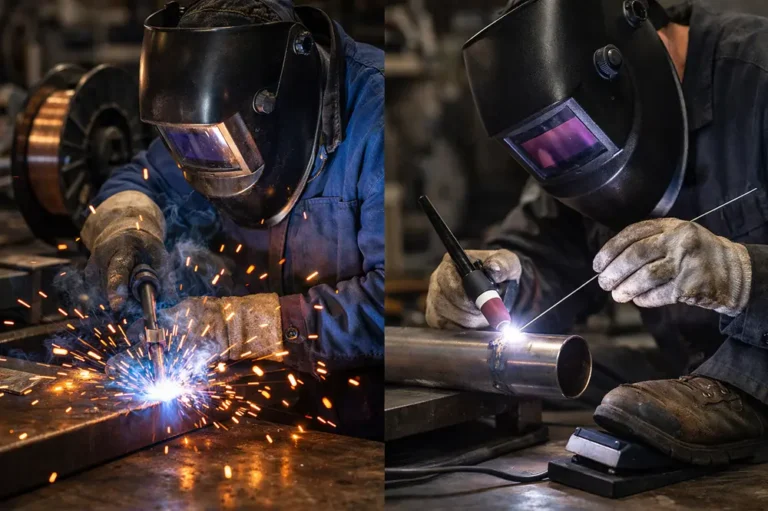
According to the 2024 Bureau of Labor Statistics, over 424,000 welders work across the U.S. MIG and TIG dominate this massive industry. These two electric arc processes use shielding gas to melt and join metals, but their specific techniques, travel speeds, and final weld qualities dictate entirely different use cases. Using the wrong welding method…
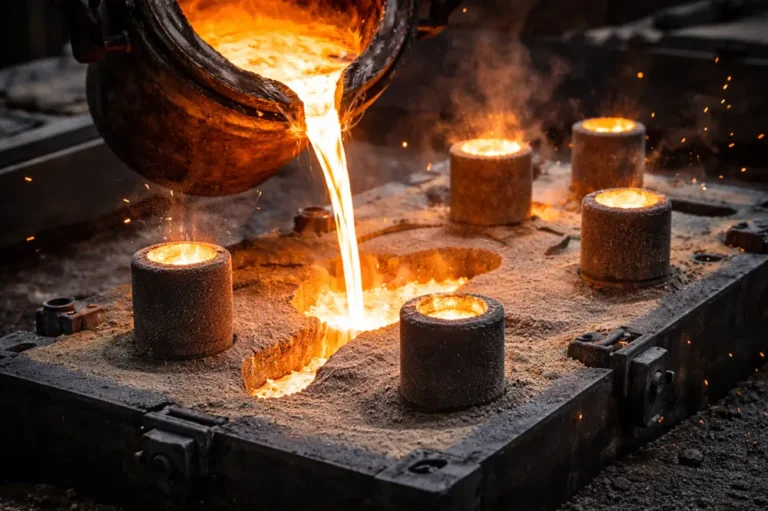
According to a 2023 China Foundry Association report, factories produced nearly 52 million tons of metal castings. U.S. steelmakers used over 41 million tons of scrap just to keep up. Demand is high because metal components need to be strong and cost effective to make. But with the global market moving this fast, your margin…
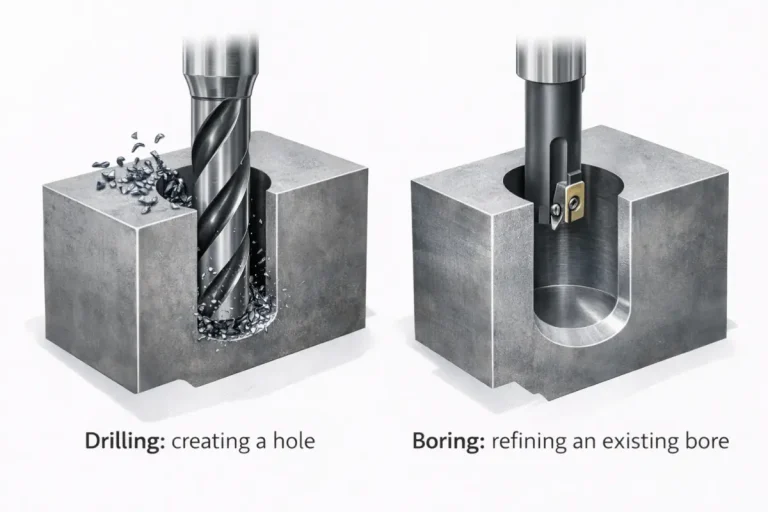
Drilling gets the hole started, but a rigid boring tool is what actually corrects tool wander and locks in your final dimensions.
End of content
End of content