What's happening in the CNC industry and Rollyu? What trends and innovations shouldn’t be missed? Learn more and check out rollyu's news.
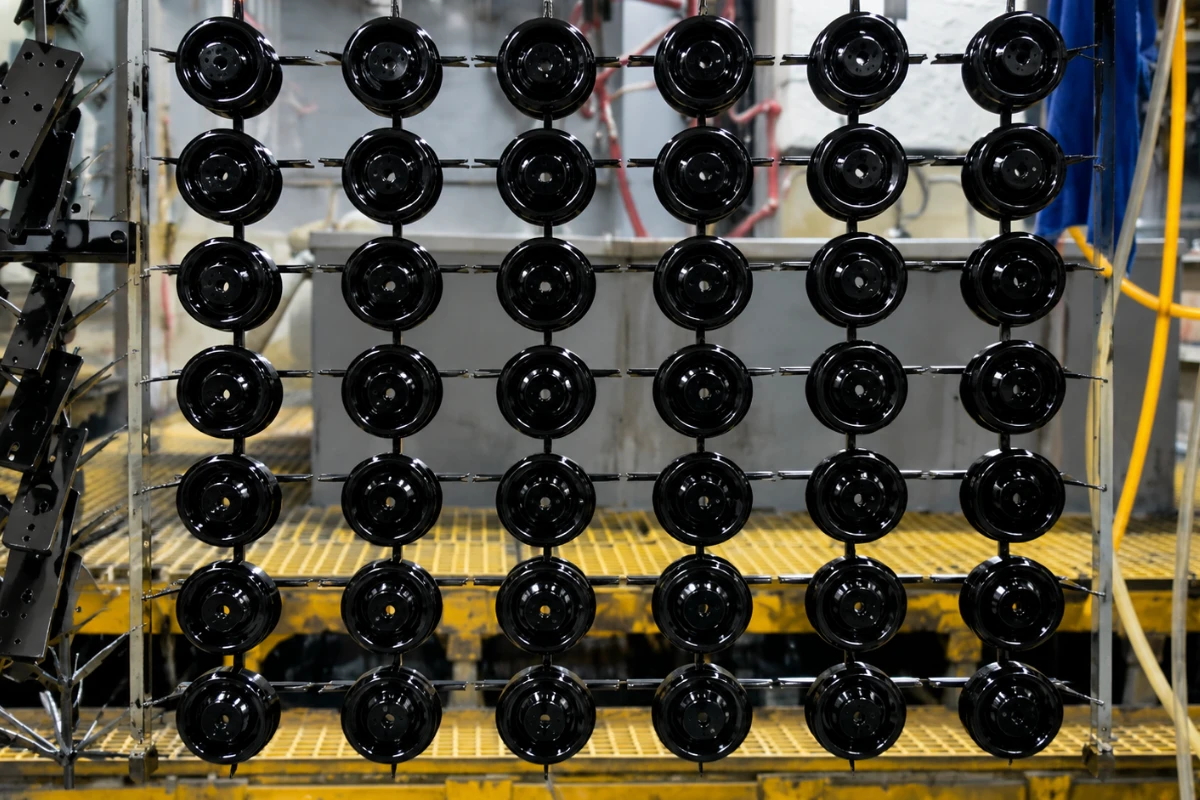
A CNC aluminum part can pass machining inspection and still become unacceptable after finishing. A hard-anodized bore can return undersize; threads can bind because coating reached an unmasked area; black anodized lots can differ visually; clear finishes can reveal alloy or machining variation; and powder coating can build around holes
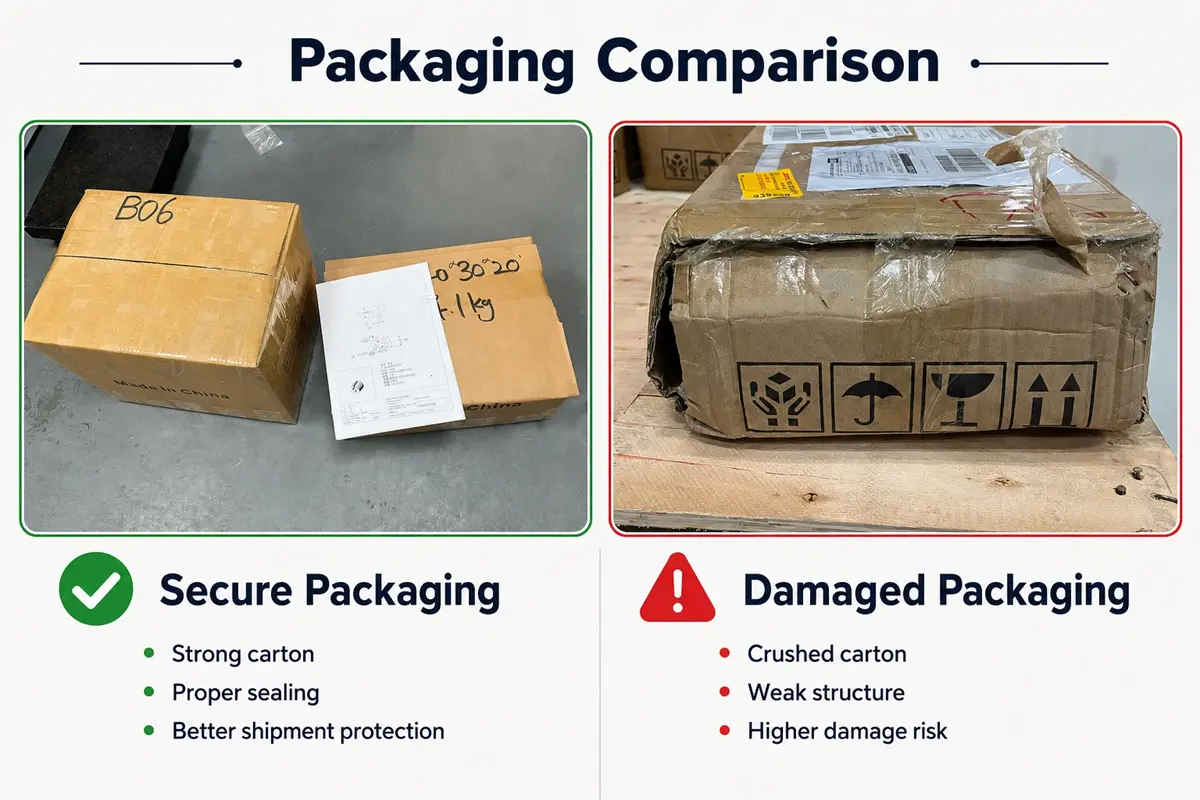
Quick Answer If precision machined parts pass inspection but arrive rusty, scratched, dented, bent, contaminated or mixed, the packaging process has failed to preserve the inspected condition. Effective CNC machined parts packaging starts with cleaning and drying, then matches corrosion protection, surface separation, thread/feature protection, cushioning, restraint and the outer
Quick answer: Fastener surface treatment does not always provide complete protection during storage, handling and international shipping. A compatible rust preventive oil can add a temporary hydrophobic barrier that limits contact between the metal surface and moisture, oxygen and contaminants. It is especially useful for bare or heat-treated steel, black-oxide
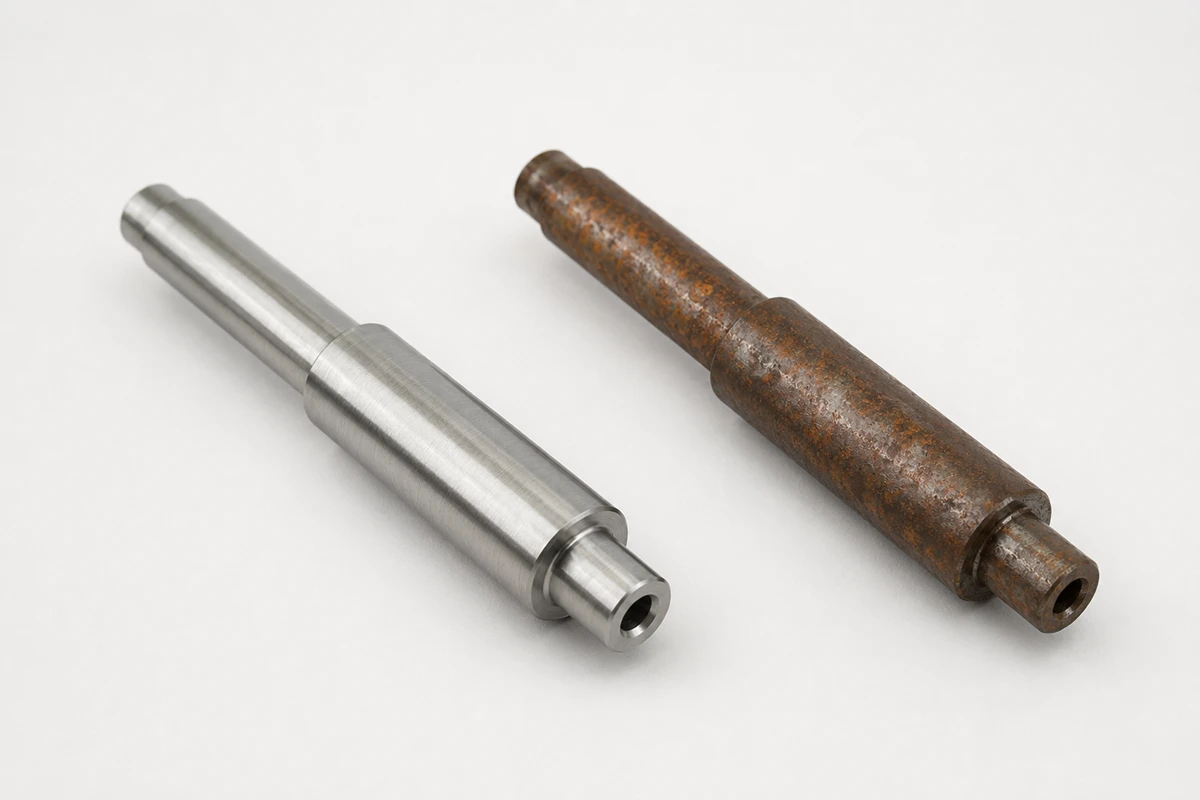
A precision-machined component can meet every dimensional requirement and still arrive unusable if corrosion starts between final inspection and receiving. For mechanical engineers and technical buyers of shafts, housings, manifolds, brackets, tooling components, medical hardware, motion-control parts, semiconductor hardware, and other precision components, “rust prevention” is not just a cosmetic
Titanium machining changes toolpaths, fixturing, cost, and inspection planning. Learn what to define on the drawing before requesting a supplier quote.
Learn how to review CNC part geometry, tool access, workholding, tolerances, materials, finishes, and inspection requirements before sending an RFQ.
PEEK and ULTEM are high-performance thermoplastics used when standard plastics cannot provide enough heat resistance, dimensional stability, mechanical performance, or electrical reliability. PEEK is a semi-crystalline polyetheretherketone known for higher-temperature capability, broad chemical resistance, wear performance, fatigue strength, and demanding mechanical service. ULTEM is SABIC’s trade name for polyetherimide (PEI),
UHMW and ULTEM solve very different engineering problems. UHMW-PE is usually selected for low friction, abrasion resistance, impact toughness, quiet sliding, and economical wear performance. ULTEM is SABIC’s trade name for a family of polyetherimide (PEI) resins and is typically considered when stiffness, heat resistance, electrical insulation, and dimensional stability
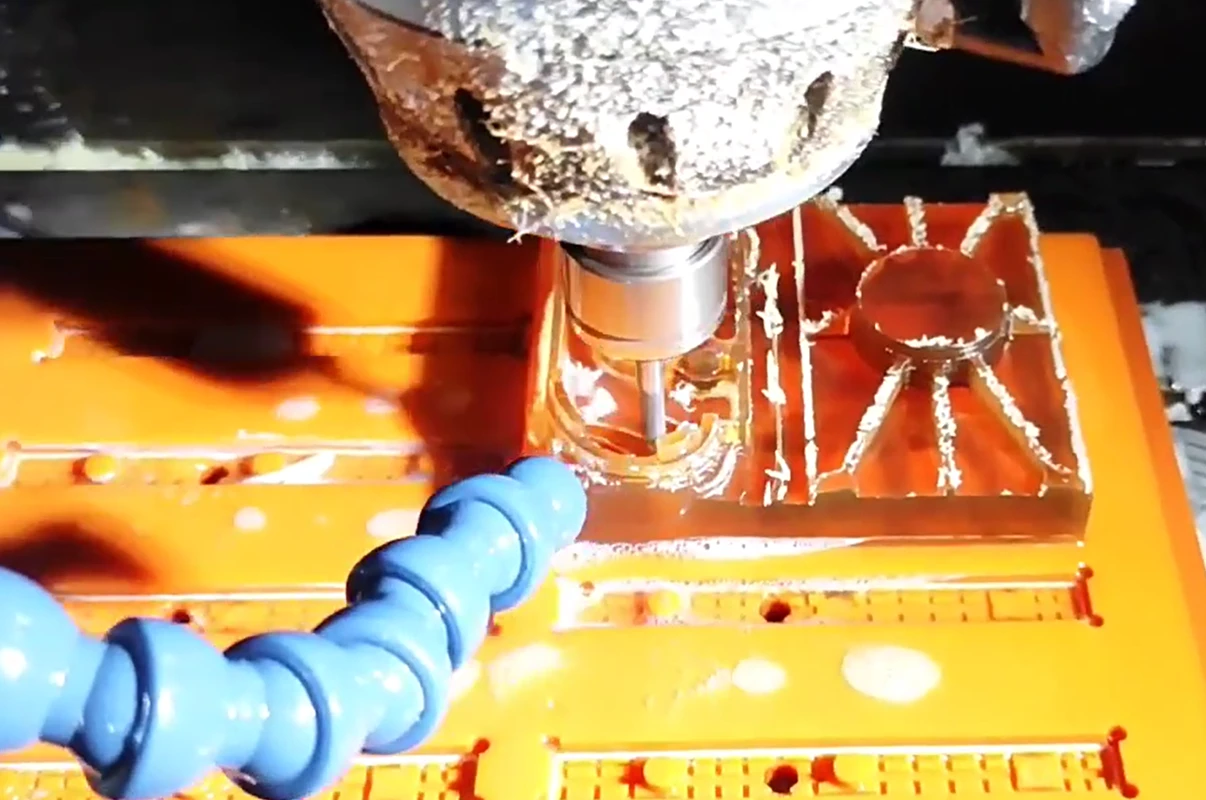
ULTEM machining is the CNC milling, turning, drilling and finishing of polyetherimide (PEI) stock into precision functional parts. ULTEM is SABIC’s trade name for a family of amorphous PEI resins; the family includes unfilled and reinforced grades that differ substantially in stiffness, tool wear, surface behavior and dimensional response. For
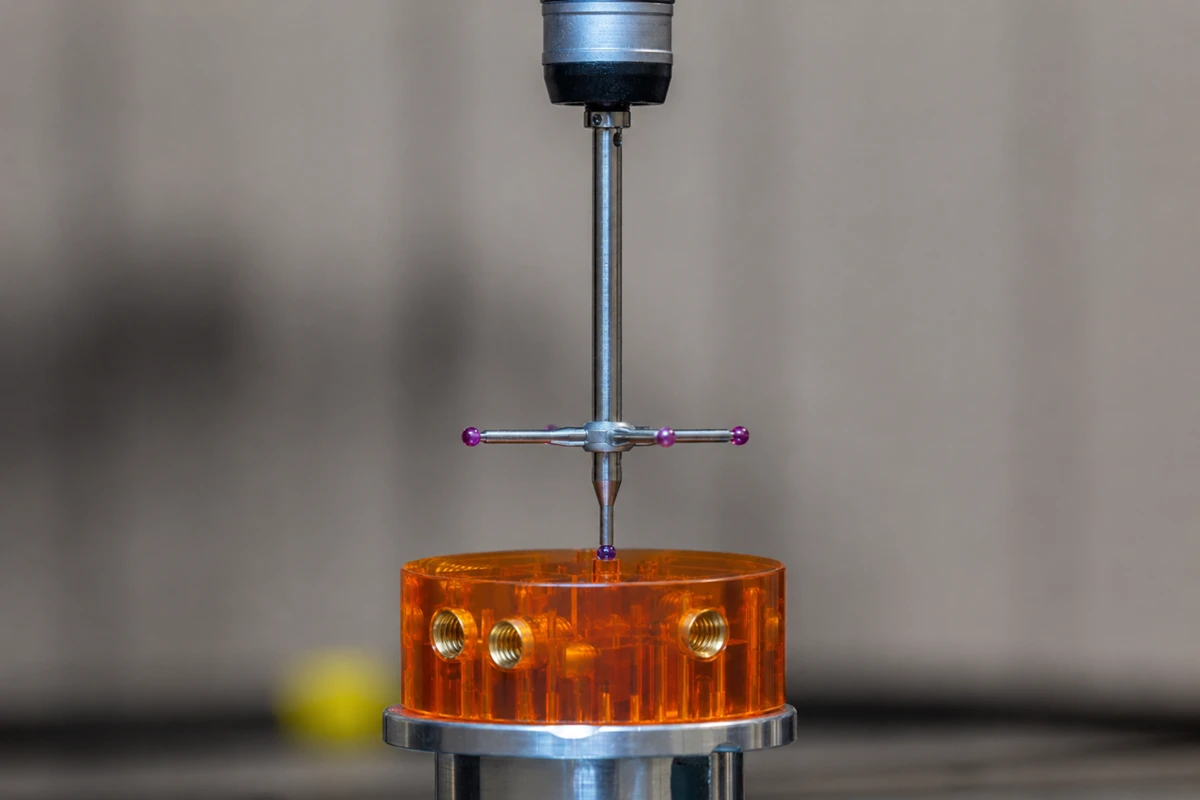
Ultem 1000 is an unreinforced, amorphous polyetherimide (PEI) engineering thermoplastic from the ULTEM™ resin family. It combines elevated-temperature performance, inherent flame resistance, electrical insulation, mechanical strength, and dimensional stability in a lightweight material. Natural stock is typically transparent to translucent amber. For engineers and buyers, ULTEM 1000 is most useful
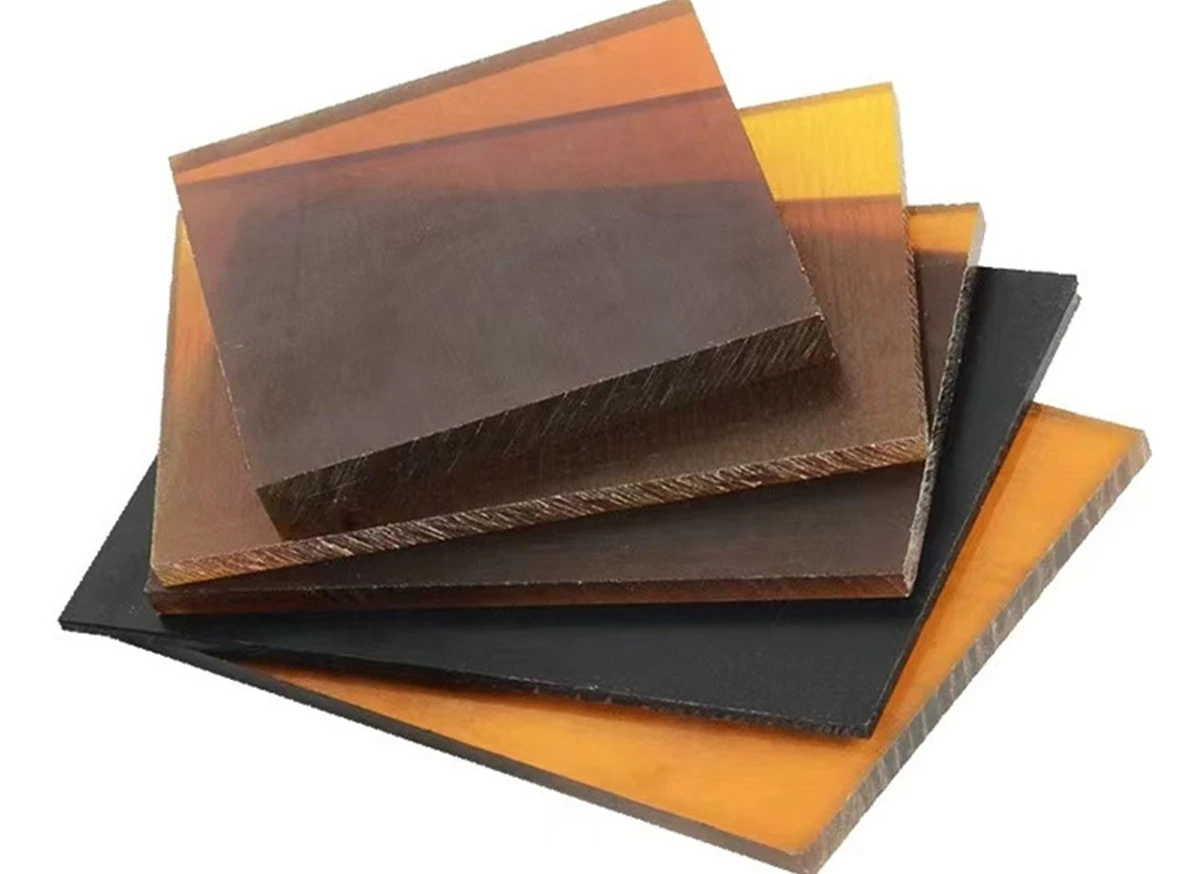
Ultem is the best-known trade name for polyetherimide (PEI), a high-performance amorphous thermoplastic used when ordinary plastics do not provide enough heat resistance, stiffness, flame performance, electrical insulation, or dimensional stability. Natural unfilled PEI is typically translucent amber, while reinforced, pigmented, and specialty grades may look different. For engineers and
UHMW-PE can be CNC milled, turned, drilled and routed successfully, but it does not behave like aluminum, steel or even a stiffer engineering plastic such as acetal. The main machining risks are elastic deflection, heat-related dimensional change, long stringy chips, burr or “fuzz” formation and post-machining movement. A reliable process