
Choose a low volume manufacturing process by ruling out the processes that can’t meet the part’s material, geometry, and finished-part requirements, then comparing the full batch cost of the ones that remain. CNC machining, sheet metal fabrication, 3D printing, and vacuum casting each suit different small-batch parts. Quantity matters too, because setup and tooling costs are spread across only a few parts.
What Is Low Volume Manufacturing?
Low volume manufacturing produces parts in small quantities for pilot builds, early customer orders, or products with limited demand. It covers both metal and plastic parts, and the process is chosen around the design and the order.
No single quantity defines “low volume.” The same small run of simple brackets and complex housings can need very different setups, tooling, and inspection. For engineering and sourcing teams, the useful question is which process meets the specification at the planned order size.
Which Processes Fit Small Production Runs?
Start a small-run comparison with CNC machining, sheet metal fabrication, 3D printing, and vacuum casting, and narrow the list by how the part is built before comparing quotes.
| Process | Good Starting Point | What to Confirm | Main Cost Drivers |
|---|---|---|---|
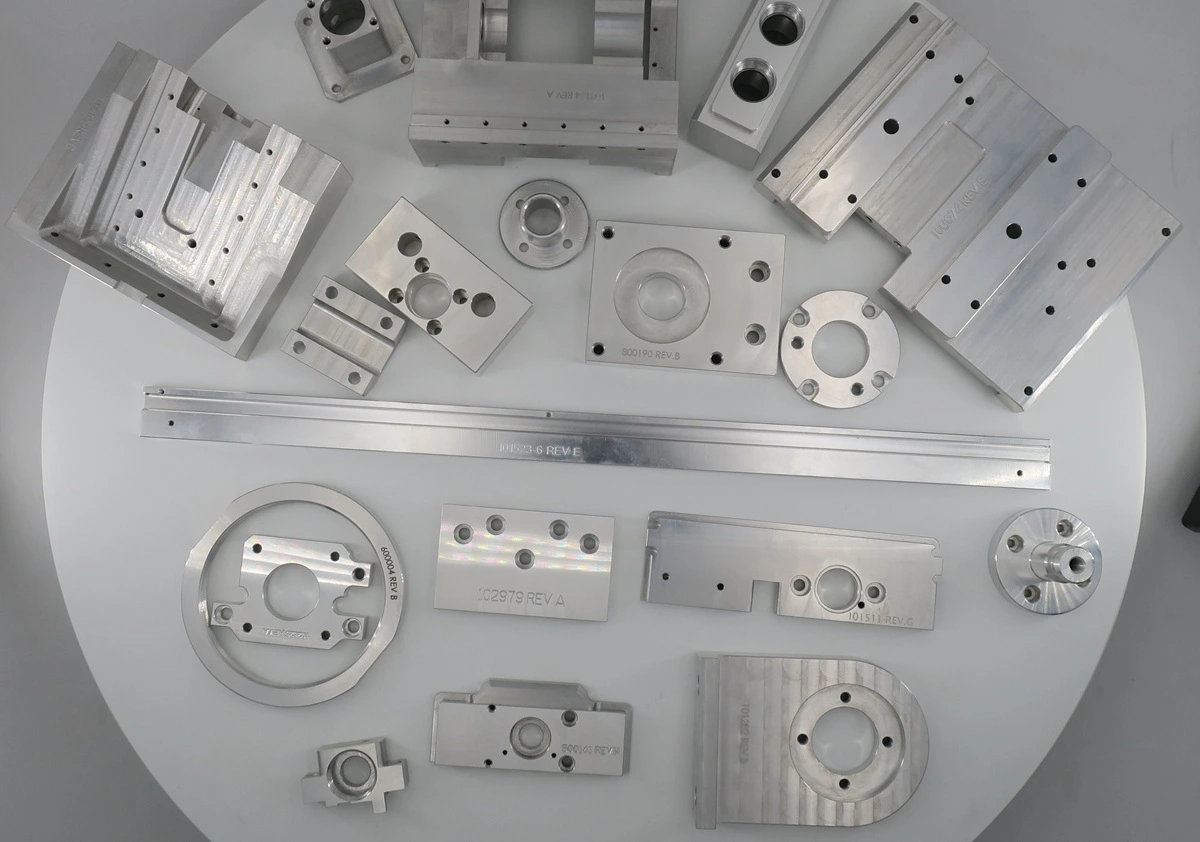
| CNC machining | Metal or engineering-plastic parts with machined bores, threads, and mating faces | Stock material, tool access, workholding, and critical dimensions | Programming, number of setups, material removal, and inspection |
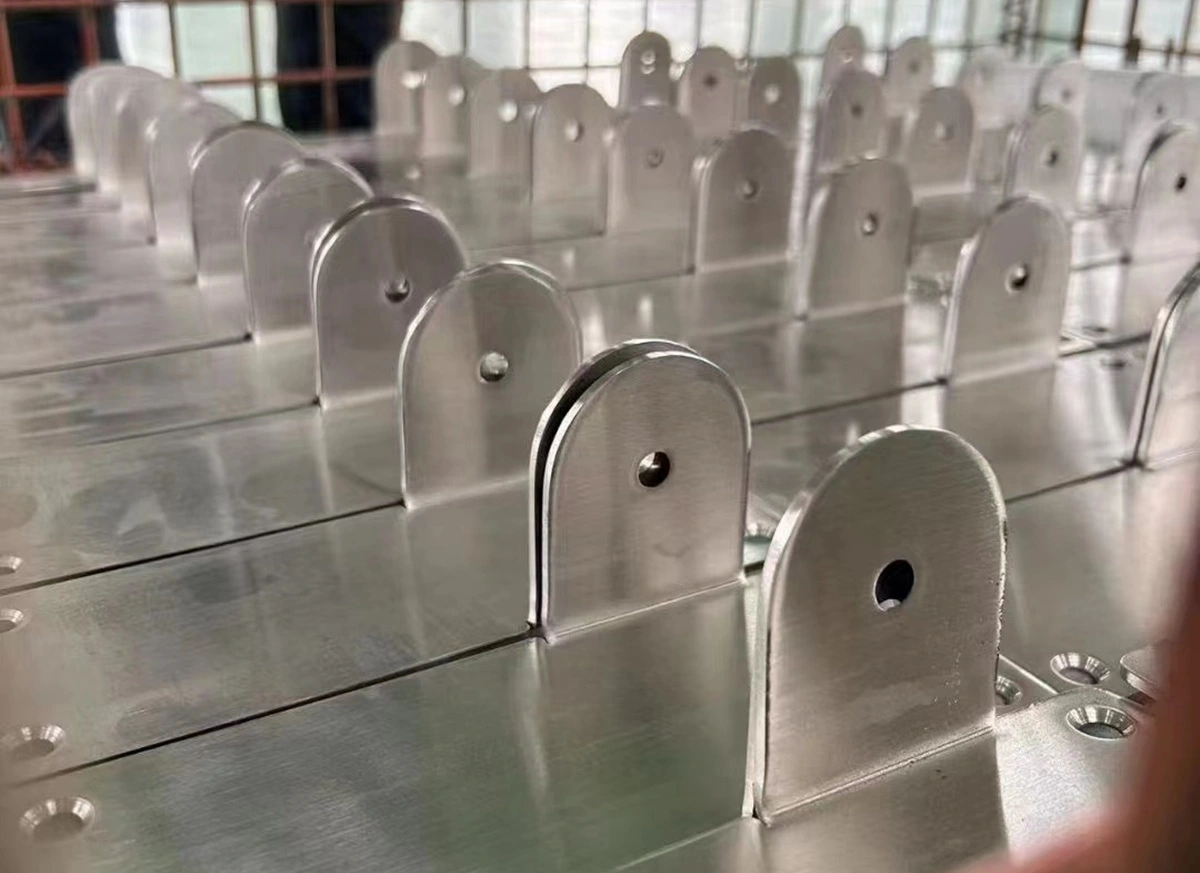
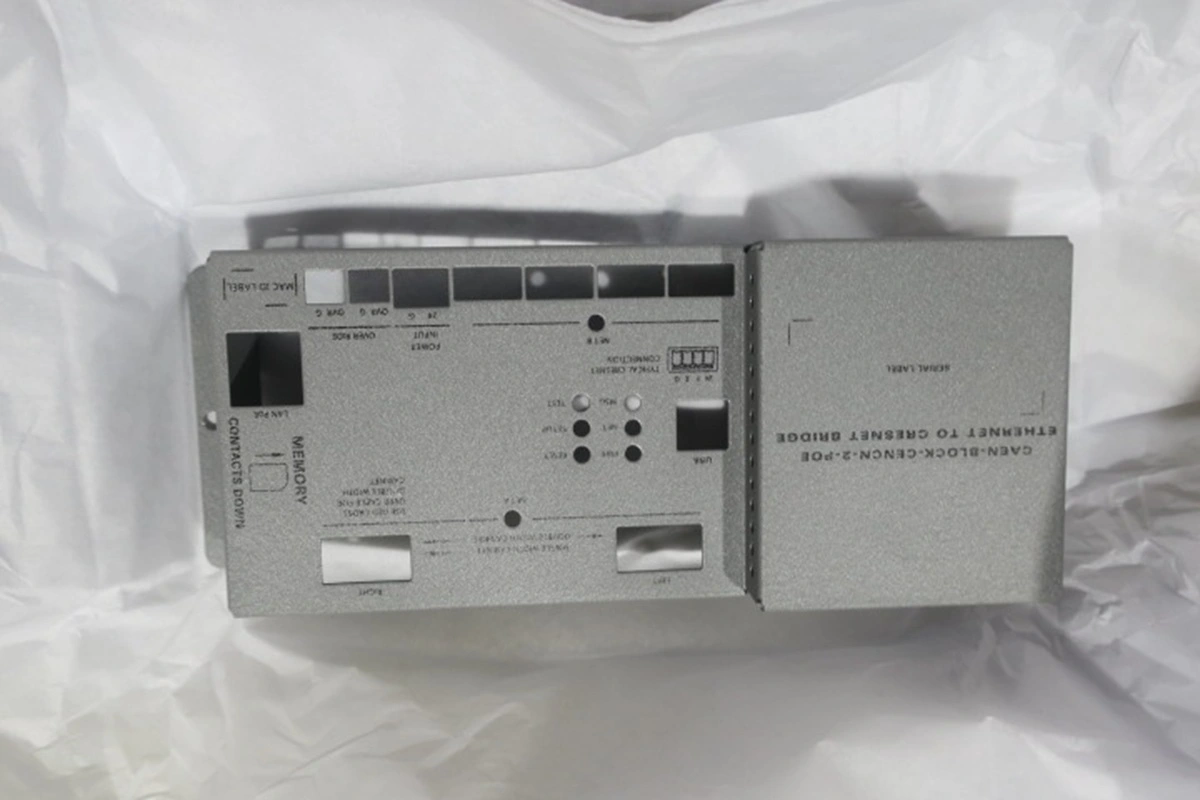
| Sheet metal fabrication | Brackets, panels, covers, and enclosures made from sheet | Thickness, bend access, joining method, and assembly fit | Cutting, bending, welding, hardware, and finishing |
| 3D printing | Complex geometry in a material a printing process can supply | Material properties, build orientation, surface condition, and post-processing | Build preparation, print time, and secondary operations |
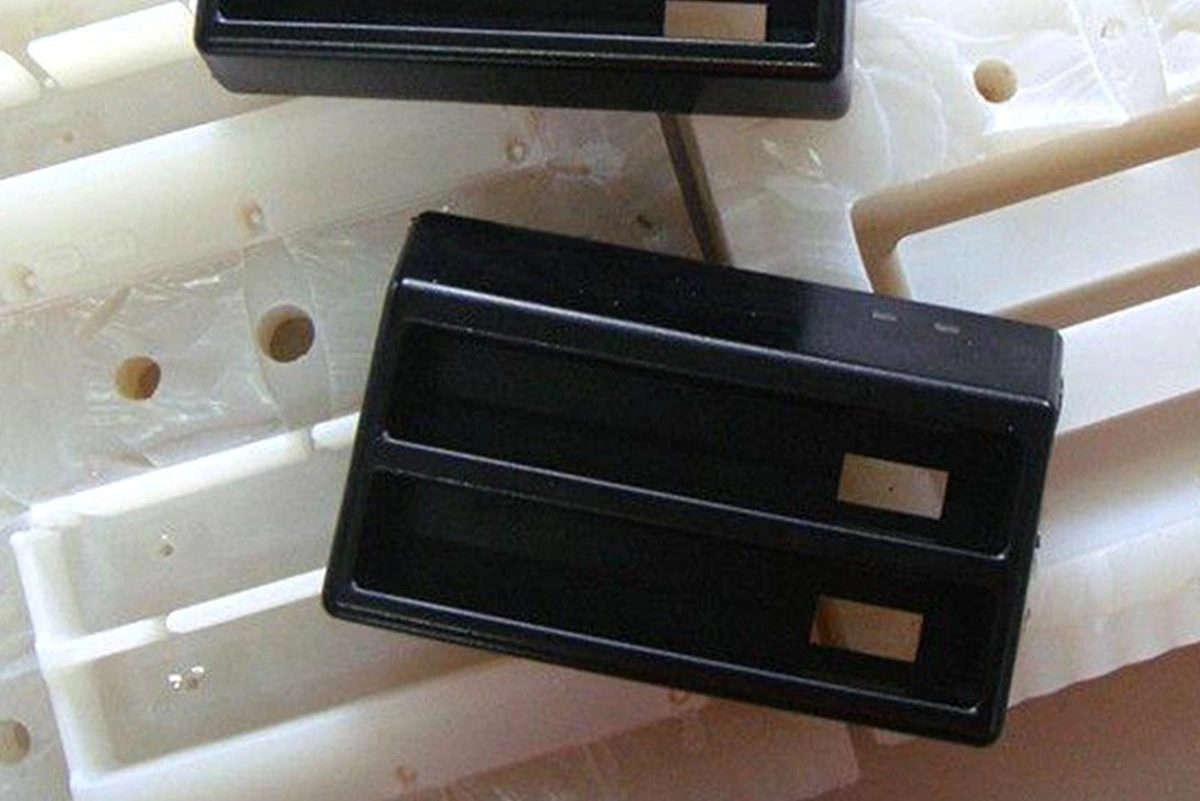
| Vacuum or urethane casting | Repeat plastic-like parts cast from a master pattern in a silicone mold | Casting resin, appearance, functional suitability, and how often the mold needs replacing | Master pattern, mold making, casting, and finishing |
Keep low volume CNC machining on the shortlist when the part calls for a specific stock material and a cutter can reach its functional features. Sheet metal makes more sense when the design is really a folded or joined sheet, and a cover machined from solid block is worth pricing against the same cover fabricated from sheet.
For plastic parts, check the actual resin or stock grade. A cast urethane or printed resin sold as “ABS-like” is a different material from specified ABS stock, so compare its strength, temperature and chemical resistance, and appearance with how the part will be used. Once engineering pins those down, the choice between 3D printing and CNC machining becomes much clearer.
How Do You Choose a Low Volume Manufacturing Process?
Start with the requirements that can rule a process out. Compare prices only after every remaining process can meet the same functional and finished-part requirements.
Material and Use Conditions
Name the material grade and condition whenever performance depends on them. A part that carries a load, contacts a chemical, or locates another component depends on its material as much as its shape. For printed or cast alternatives, compare the material data with the actual operating conditions. If the specification allows a substitute, have engineering approve it, since a similar appearance is not evidence of equal performance.
Geometry and Tool Access
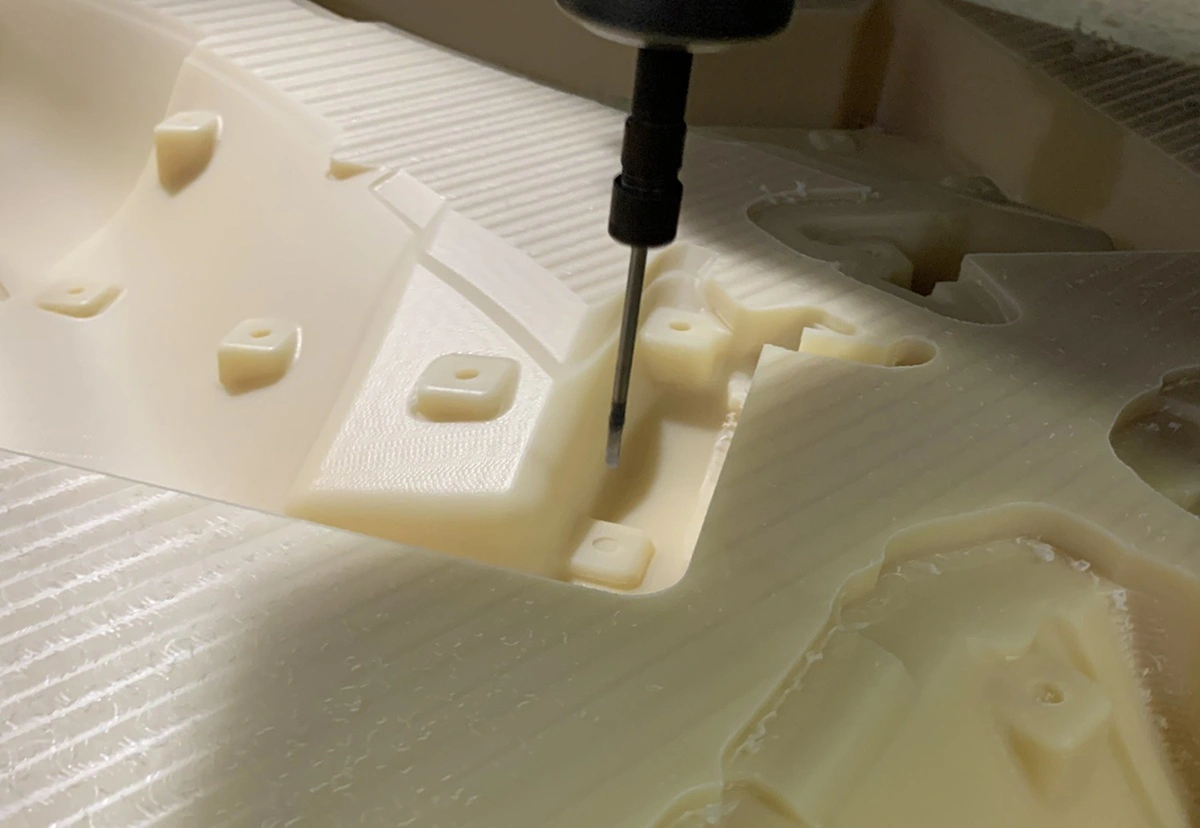
Check how each process will produce the critical features. CNC machining needs cutter access and a stable way to hold the part, so deep pockets, thin walls, and features on several faces add machining time or extra setups. Sheet metal parts need bends the fabricator can form and access for joining. Additive manufacturing can build shapes that are hard to cut, although support removal and any follow-up machining still need access to the part.
Finished Dimensions and Appearance
Define acceptance for the part as delivered, after finishing. A bore that fits before coating may need allowance for the specified finish, and a cosmetic face may need a different finishing process from an internal surface. Mark critical fits, threads, surface requirements, and inspection points on the technical drawing so every supplier quotes machining, finishing, and inspection against the same requirements.
What Drives Low Volume Manufacturing Cost?
Low volume manufacturing cost combines one-time work with the operations repeated on every part. Compare the complete batch price, and what it includes, before choosing a process on unit price.
Upfront Work and Recurring Costs
Programming, setup, fixtures, patterns, and molds can take a large share of a small order, because that one-time cost is divided across only a few parts. Material, machine or print time, finishing, and inspection then add cost with every part. On machined parts, deep cavities, thin walls, tight tolerances, and extra setups all raise CNC machining cost.
Ask each supplier to separate one-time charges from per-part work, then compare:
- Complete finished-part price at the current batch quantity
- Tooling, programming, or fixture charges included in that price
- Secondary operations and inspection records included in the quote
- Pricing assumptions for a repeat order of the same revision
A lower unit price can come with a larger upfront commitment or a narrower finishing and inspection scope. Line those items up side by side before deciding.
Repeat Orders and Production Tooling
Weigh the current order against a realistic repeat-order forecast. A flexible process makes sense while dimensions or demand are still changing. A stable design with recurring demand can justify dedicated tooling, as long as the complete quoted process supports the investment.
For suitable metal parts, die casting enters the comparison once expected demand justifies a mold. Count deburring, secondary machining, finishing, and inspection in the total, since critical holes and mating faces may still need CNC work after casting. For plastics, production molding plays the same role when the material and order plan support tooling. No fixed quantity threshold replaces a part-specific comparison.
How Can Rollyu Precision Support Small Production Runs?
Choose a small-batch supplier by its finishing and inspection capability as well as its process range. Rollyu Precision offers CNC machining, sheet metal fabrication, die casting, and rapid prototyping, so engineering teams can compare processes against the same part requirements.
Process and DFM Review
Rollyu Precision runs 3-, 4-, and 5-axis CNC machining alongside milling, turning, and sheet metal work. Its design for manufacturability (DFM) review covers geometry, tool access, tolerances, and finishing before production starts. On a small batch, the review can target features that add setups or make inspection difficult while keeping the interfaces that control function. Send the intended use and order plan with the CAD files so the feedback applies to the part you actually need.
Finishing and Inspection
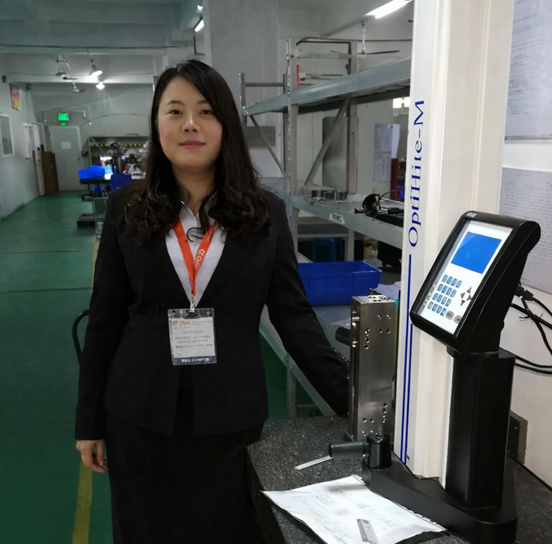
Rollyu’s finishing options include anodizing, powder coating, and polishing, and its in-house inspection equipment includes coordinate measuring machines (CMMs). In-process and final dimensional inspection, material traceability, and dimensional reports can all be scoped during quoting. Agree on which features get measured, which records ship with the parts, and which finished condition the inspection checks against.
Parts That Work Together
Take a robotics assembly with machined mounts and a fabricated enclosure. Each part needs its own process, and the interfaces between them need consistent requirements. Rollyu’s robotics manufacturing capabilities cover both CNC machining and sheet metal fabrication, so the mounts and the enclosure can be reviewed together. Share the mounting relationships and the dimensions that control assembly, then confirm the machining, bending, finishing, and inspection scope for each part.
What Should You Send for a Small Production Run Quote?
Send a package that defines both the part and the order well enough for a supplier to compare feasible processes:
- 3D model plus the matching drawing or controlled specification
- Material grade, condition, and permitted alternatives
- Current quantity and expected repeat quantities
- Critical dimensions, threads, and surface requirements
- Finishing, inspection, and documentation needs
- Target delivery date and destination
Flag any open design decisions so the quote states its assumptions. For a project that spans CNC, 3D printing, vacuum casting, or sheet metal, Rollyu Precision’s rapid prototyping services are a starting point for validation and low-volume production. Submit the files with the intended use and batch plan, and ask for a process review and an itemized quote for the finished parts.
Frequently Asked Questions
Is There a Minimum Order Quantity for Low Volume Manufacturing?
It depends on the supplier and the process. Request a quote at the quantity you actually need, and ask the supplier to identify any minimum charges for material, setup, or finishing. A price break at a larger batch is separate from the smallest quantity the supplier will accept.
Can Low Volume Manufacturing Supply Replacement Parts After Production Ends?
Yes. Small-run manufacturing can supply replacement parts after production ends, and additive manufacturing is one option for end-of-life and repair parts. Keep the approved part definition, material requirements, and acceptance criteria on file. If the proposed process or material differs from the original, confirm it suits the replacement application before ordering.