
Stainless steel 303, 304, and 316 are all austenitic 300-series alloys, but they solve different manufacturing problems. Type 303 adds sulfur to improve chip breaking and machining productivity. Type 304 is the versatile baseline for corrosion resistance, forming, and welding. Type 316 adds molybdenum to improve resistance to pitting and crevice corrosion, especially where chlorides or aggressive cleaning chemicals are present.
The “best” grade is therefore not the grade with the highest price or brightest finish. It is the lowest-risk material that meets the part’s complete operating specification—including exposure, cleaning, temperature, tolerance, joining, surface finish, magnetic permeability, documentation, and lifecycle cost.
303 vs 304 vs 316 at a Glance
| Decision factor | 303 | 304 | 316 |
| Best reason to select | High machining productivity | Versatile general-purpose performance | Higher chloride and chemical resistance |
| Machinability | Best of the three | Moderate; prone to work hardening | Moderate to difficult; careful tooling and coolant |
| General corrosion resistance | Good in mild service; lowest of the three | Very good in many indoor and freshwater services | Best of the three in chloride-bearing and harsher service |
| Pitting / crevice resistance | Lowest | Moderate | Highest because of molybdenum |
| Weldability | Generally not preferred | Very good | Very good |
| Formability | Lower than 304 | Excellent | Good to excellent |
| Typical relative material cost | Usually economical | Usually economical / widely available | Usually highest |
| Typical precision use | Shafts, bushings, nuts, threaded adjusters | Housings, brackets, guides, welded equipment | Clean, wet, corrosive, medical or high-purity hardware |
| Important These are directional comparisons, not acceptance criteria. Bar, plate, tubing, cast, cold-worked, and annealed product forms can behave differently. Confirm the governing ASTM/EN material specification and certified heat chemistry. |
Chemical Composition—What Creates the Difference?
All three grades rely on chromium to form a self-renewing passive oxide layer and nickel to stabilize the austenitic structure. The practical differences come mainly from sulfur in 303 and molybdenum in 316.
| Element (wt. %) | 303 / UNS S30300 | 304 / UNS S30400 | 316 / UNS S31600 |
| Chromium | 17.0–19.0 | 18.0–20.0 | 16.0–18.0 |
| Nickel | 8.0–10.0 | 8.0–10.5 | 10.0–14.0 |
| Molybdenum | — | — | 2.0–3.0 |
| Sulfur | 0.15 min; 0.35 max | 0.030 max | 0.030 max |
| Carbon | 0.15 max | 0.08 max | 0.08 max |
Composition ranges shown are commonly specified values for wrought grades and are provided for engineering orientation. The purchase order should reference the required product specification and revision.
Why 303 Machines More Easily
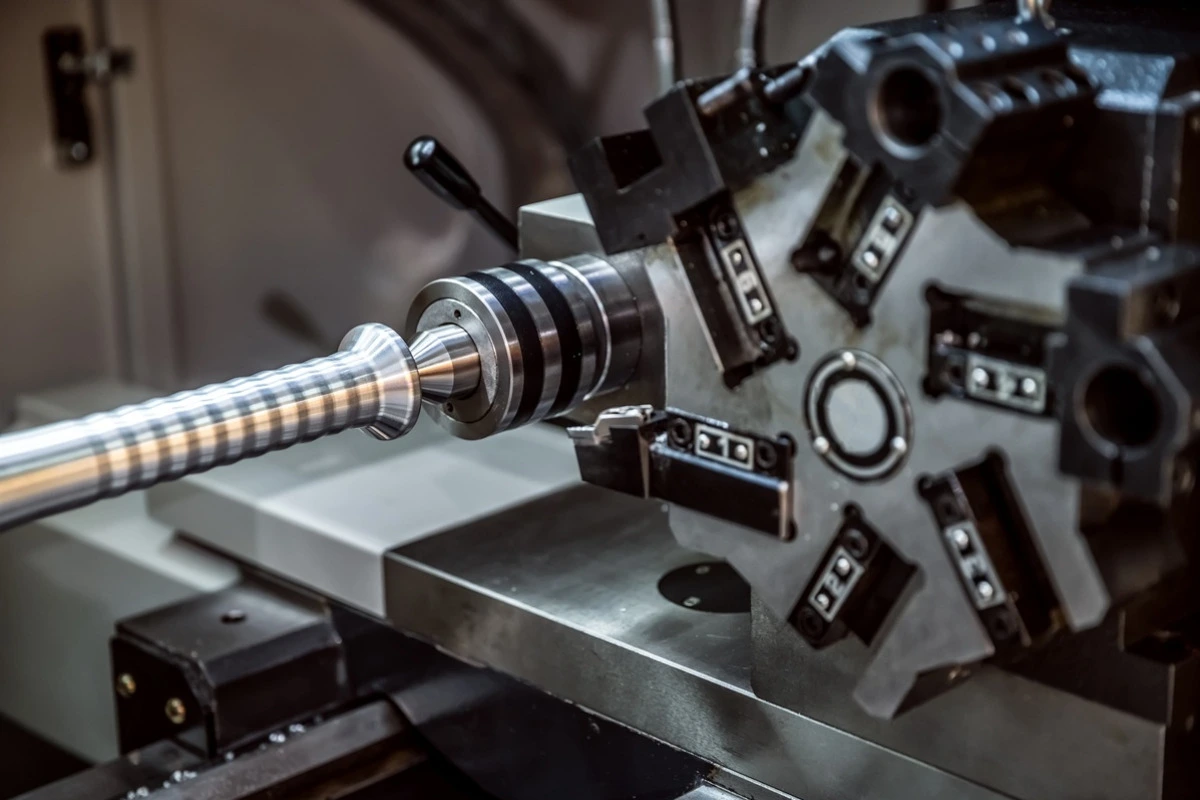
The sulfur in 303 forms inclusions that help break chips, reduce built-up edge, and improve cutting behavior. That can shorten cycle time and produce predictable finishes on small turned or heavily machined parts. The tradeoff is reduced toughness, weldability, and corrosion resistance—especially in wet, chloride-bearing, or poorly drained crevices.
Why 304 Is the General-Purpose Baseline
304 combines broad availability, strong corrosion performance in many indoor and freshwater environments, good forming, and excellent weldability. It is often the first grade considered for equipment housings, brackets, guides, sheet-metal structures, and non-product-contact machine parts. It is harder to machine than 303 because it work-hardens and tends to produce stringy chips.
Why 316 Performs Better Around Chlorides
The 2–3% molybdenum addition in 316 improves resistance to localized attack such as pitting and crevice corrosion. This matters around salt, perspiration, chloride cleaners, process fluids, and repeated washdown. It does not make 316 corrosion-proof: deposits, stagnant crevices, high temperature, poor drainage, contamination, or severe chemistry can still cause failure.
Machining and Manufacturing Differences
| Manufacturing issue | 303 | 304 | 316 |
| Chip control | Shorter, more manageable chips | Stringy chips; work-hardening risk | Stringy and tough; higher cutting load |
| Tooling strategy | Sharp tools; capitalize on free-machining behavior | Rigid setup, positive geometry, consistent feed | Rigid setup, premium tooling, strong cooling and chip evacuation |
| Tolerance risk | Usually lowest machining risk | Control heat, deflection, and work hardening | Control heat, tool wear, burrs, and distortion |
| Welding | Avoid when a weldable grade is required | Commonly welded; consider 304L for critical welds | Commonly welded; consider 316L for critical welds |
| Finishing | Can be passivated, but sulfur inclusions affect response | Good response to passivation and electropolishing | Widely used with passivation/electropolishing for clean service |
Corrosion Resistance and Cleanability
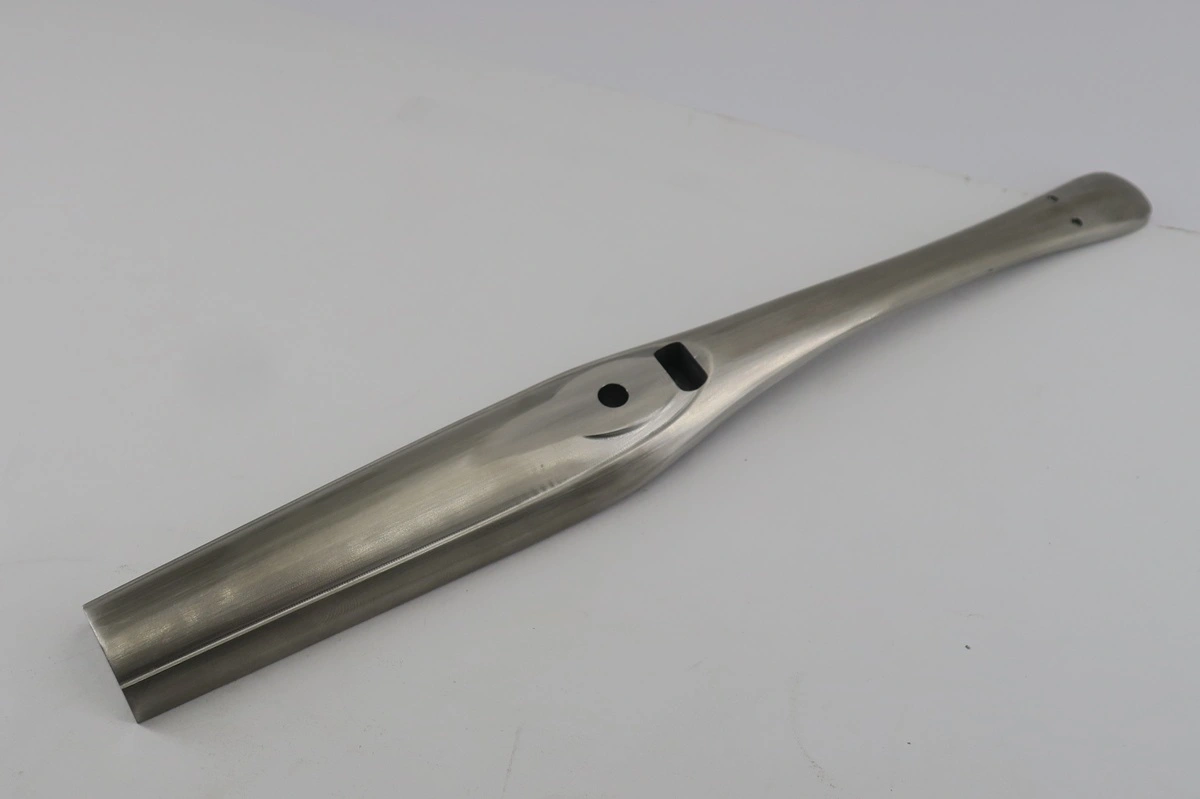
Corrosion performance depends on more than alloy grade. Surface contamination, machining damage, heat tint, weld condition, roughness, crevices, drainage, cleaning chemistry, chloride concentration, temperature, and exposure time all matter. A clean, properly finished 304 component can outperform poorly processed 316 in a mild application, while properly processed 316 is usually the safer choice for demanding chloride exposure.
- Use 303 mainly where the service is dry or mildly corrosive and machining productivity is valuable.
- Use 304 for general equipment, freshwater, indoor service, and many food-machinery structures when the cleaning chemistry is compatible.
- Use 316/316L for salt, chloride cleaners, acidic product, frequent washdown, pharmaceutical cleaning, or high-purity service when the process specification calls for it.
- Specify passivation or electropolishing by an applicable standard and define the acceptance test; “stainless” alone is not a finish requirement.
- Prevent carbon-steel contamination during machining, deburring, handling, blasting, and packaging.
Are 303, 304, and 316 Nonmagnetic?
In the solution-annealed condition, these austenitic grades generally have low magnetic permeability. However, cold working, bending, forming, aggressive machining, and welding can create some magnetic response. Grade name alone does not guarantee a permeability limit. This is especially important for photonics, quantum instruments, electromagnetic sensors, MRI-adjacent equipment, and motion systems with sensitive encoders.
| Specification tip If magnetism matters, state a measurable maximum relative permeability, the test method, the inspection location, and whether the limit applies before or after machining, welding, and finishing. Do not use “nonmagnetic” as the only drawing note. |
Which Grade Fits Each Industry?
Motion Control
303 is a strong candidate for precision shafts, spacers, spindles, bushings, threaded adjusters, collars, and couplings operating in clean, dry environments. Choose 304 for general brackets, guides, housings, and formed or welded assemblies. Choose 316 where washdown, condensation, salt, process chemicals, or long service intervals raise corrosion risk. Review galling on stainless threads and sliding pairs; material pairing, hardness, lubrication, and surface finish may matter more than grade alone.
Photonics and Optical Systems
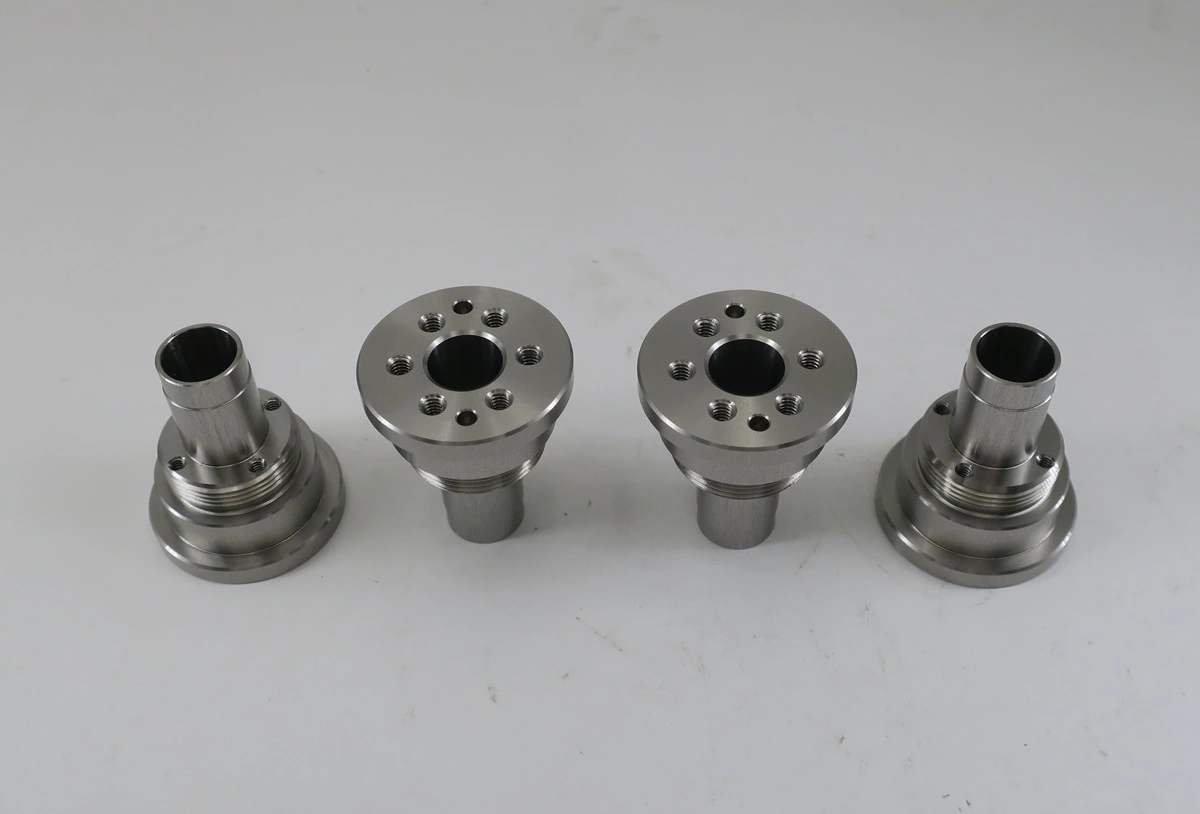
303 can reduce machining cost for small mounts, threaded retainers, adjusters, and instrument hardware with complex features. 304 suits larger structures, covers, and welded optical equipment. 316/316L is preferable for wet laboratories, vacuum hardware with demanding cleaning, or systems exposed to corrosive process gases and condensates. Specify blackening, reflectivity, burr control, particle cleanliness, and permeability separately from the alloy.
Quantum, Cryogenic, and UHV Equipment
304L and 316L are common starting points for welded chambers, cryogenic hardware, and vacuum components because of their weldability and cleanliness potential. 316L offers an advantage in more corrosive environments; 304L may be sufficient for many dry vacuum systems. 303 is usually reserved for noncritical machined hardware when sulfur inclusions, welding limitations, outgassing controls, and corrosion risk have been reviewed. Magnetic permeability, vacuum cleaning, bakeout temperature, leak rate, and material certification must be specified independently.
Food Machinery
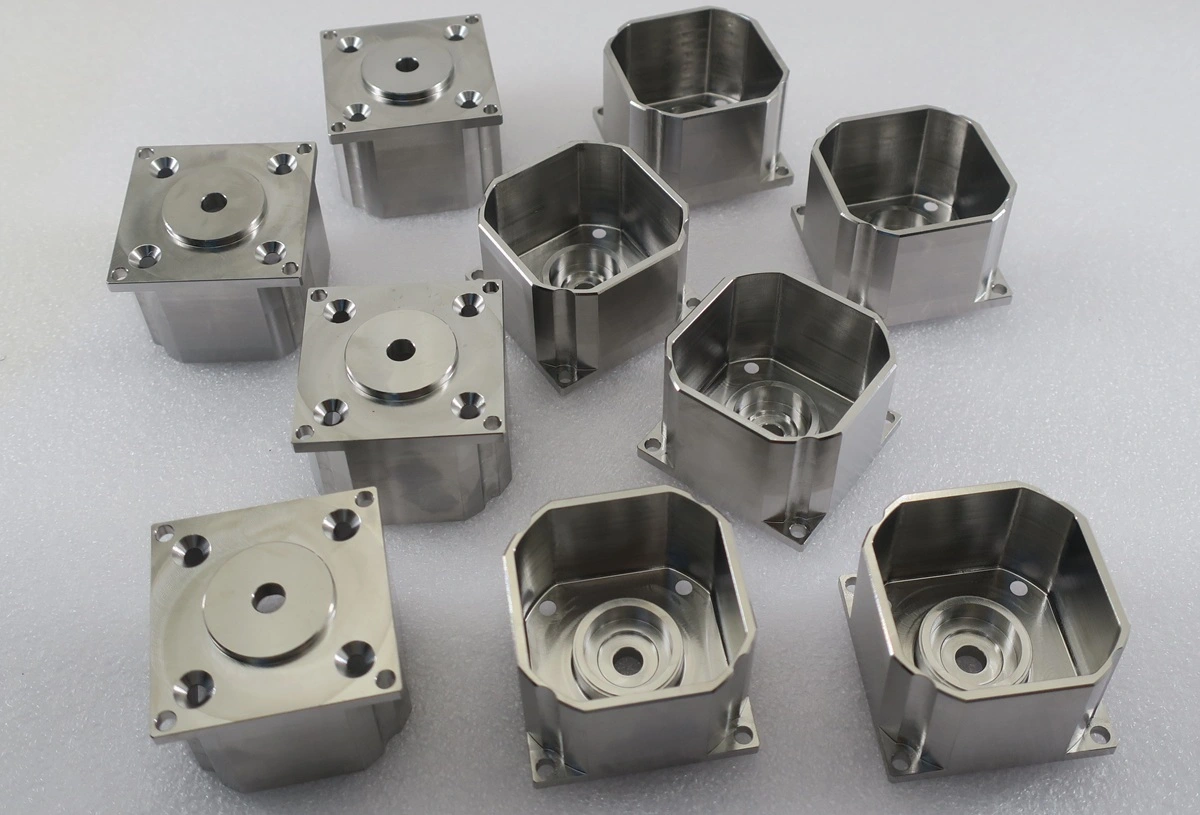
304 is widely used for frames, guards, tables, hoppers, depositor components, and general product-contact equipment. 316/316L is often selected for salty, acidic, high-temperature, or chloride-cleaned products and for difficult-to-drain zones. 303 is better limited to external or non-product-contact precision hardware unless a hygienic design and materials assessment approves it. Food suitability depends on the entire hygienic design—not simply a “food-grade” label.
Medical Devices
316/316L is frequently chosen for reusable instruments, fluid-contact components, and demanding cleaning environments; 304 is common in equipment structures and less aggressive service. 303 can be appropriate for precision external hardware where machinability is valuable and corrosion exposure is controlled. Alloy grade does not establish biocompatibility, implant suitability, sterilization compatibility, or regulatory compliance; those require device-specific validation.
Dental Equipment
Dental systems combine tight tolerances, repeated disinfection, water exposure, appearance, and small machined features. 303 supports economical production of intricate holders, sleeves, collets, and adjustment parts when exposure is controlled. 304 suits guides, housings, and general equipment. 316/316L offers a larger corrosion margin for reusable or frequently disinfected components, subject to the approved device specification and cleaning validation.
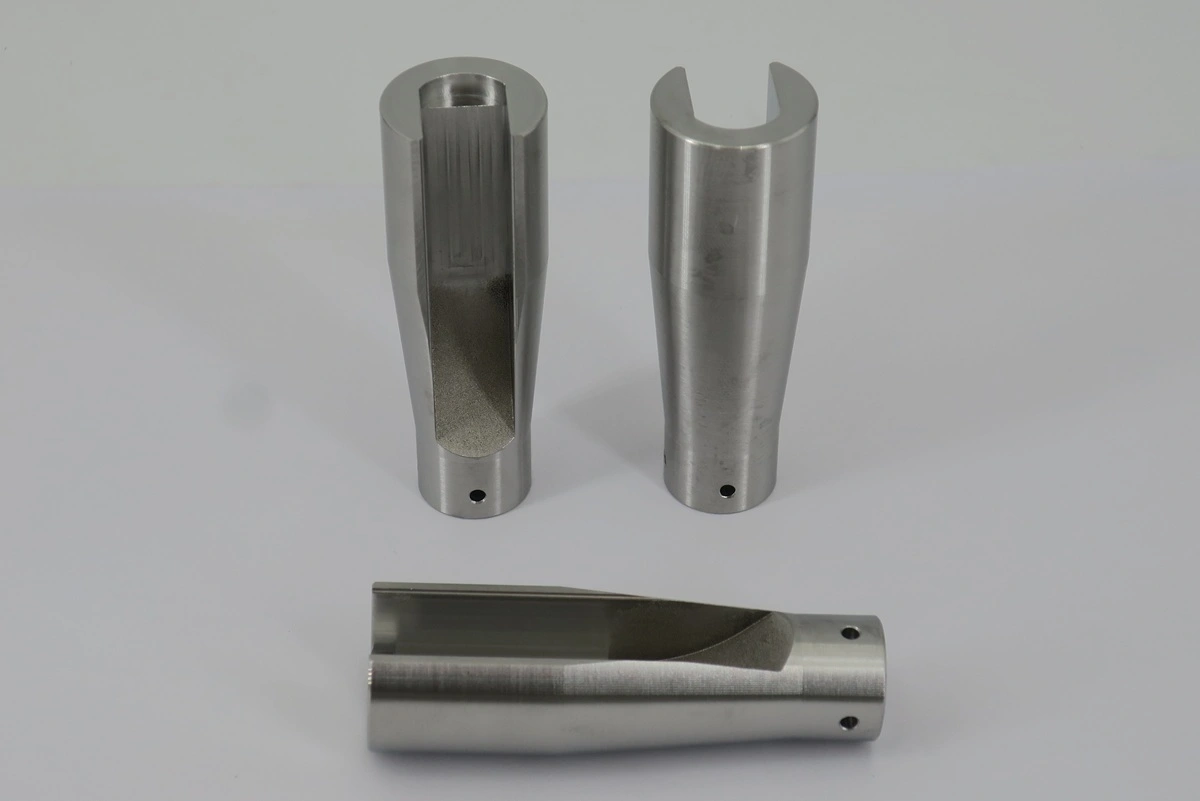
Custom 316 Stainless Steel Oar Board Fit Pins for Rowing Boats
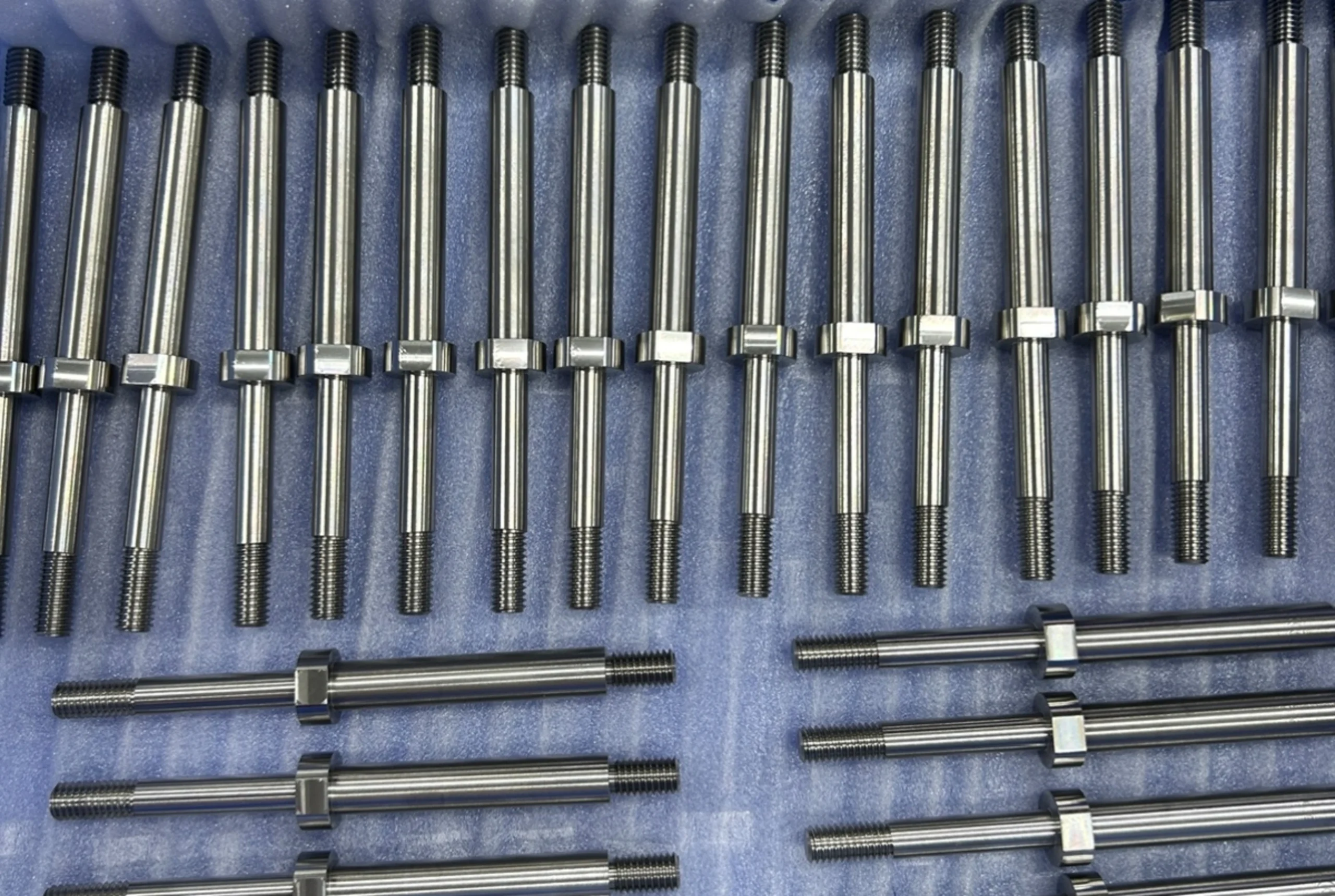
These custom CNC-machined oar board fit pins are used to locate, secure, and align the oar board assembly on traditional rowing boats. Manufactured from 316 stainless steel, each pin features threaded ends for reliable fastening, an integral wrench flat for controlled installation, and a smooth polished shaft for accurate fit and easy maintenance. The material provides a practical balance of strength, corrosion resistance, machinability, and appearance for freshwater and recreational marine equipment. Consistent turning, thread machining, dimensional inspection, and protective packaging help ensure dependable assembly across repeat production batches.
Selection Matrix for Precision Parts
| Application condition | First grade to evaluate | Why | Confirm before release |
| Heavy turning / milling; mild indoor service | 303 | Best chip control and machining productivity | Corrosion exposure, no critical welding |
| General equipment, brackets, guides, housings | 304 | Balanced cost, availability, corrosion, forming | Cleaning agents, weld condition, finish |
| Chlorides, salt, repeated washdown | 316 / 316L | Higher pitting and crevice-corrosion resistance | Temperature, concentration, drainage, crevices |
| Welded high-cleanliness assembly | 304L or 316L | Lower carbon supports weld-corrosion control | Weld procedure, heat tint removal, passivation |
| Quantum / magnetic-sensitive instrument | Project-specific | Grade alone cannot guarantee permeability | Measured permeability after all processing |
| Direct food / medical / dental contact | Approved specification | Regulated use is application-specific | Cleanability, validation, traceability, standards |
Surface Finish, Passivation, and Electropolishing
Machining leaves directionality, burrs, embedded contamination, and local work hardening. The finish route should match the functional surface. Mechanical polishing changes texture and appearance; passivation removes free iron and supports the passive layer; electropolishing removes a controlled surface layer and can reduce microscopic peaks and micro-burrs. None of these processes repairs deep scratches, pits, porosity, poor welds, or incorrect dimensions.
| Requirement | Useful drawing language |
| Dimensional state | Identify dimensions that apply after passivation, polishing, or electropolishing |
| Roughness | Specify Ra, measurement location, cutoff, direction, and sampling plan |
| Critical zones | Mark sealing faces, optical datums, threads, fits, product-contact and cosmetic surfaces |
| Cleanliness | Define residue, particle, oil, ionic, packaging, and handling requirements |
| Corrosion verification | Reference the required process standard and test method |
| Traceability | Require material certificate, heat/lot traceability, finish certificate, and inspection report as needed |
Common Selection Mistakes
- Choosing 303 solely because it machines fastest, then exposing the part to washdown or chlorides.
- Choosing 316 and assuming it cannot pit, rust, gall, or become contaminated.
- Calling 304 or 316 “nonmagnetic” without a test limit after cold work and machining.
- Using “food grade” or “medical grade” without a governing material and device/equipment specification.
- Comparing material price only, while ignoring cycle time, tool life, finishing, rejection risk, and field replacement.
- Failing to distinguish standard grade from low-carbon 304L or 316L for welded assemblies.
- Specifying a bright surface without defining Ra, lay, critical zones, acceptance sample, or post-finish dimensions.
RFQ Checklist
- 3D CAD model and controlled 2D drawing with revision level
- Material grade, product form, condition, and governing specification
- Quantity, prototype/production demand, and annual usage
- Operating fluids, chloride level, temperature, humidity, and cleaning chemistry
- Welding, brazing, heat treatment, passivation, electropolishing, coating, or polishing requirements
- Critical tolerances, surface roughness, cosmetic zones, sharp-edge and burr limits
- Magnetic permeability, vacuum, particle, leak, cleanliness, sterilization, or biocompatibility requirements
- Material certification, first article, inspection report, traceability, and packaging requirements
Frequently Asked Questions
What is the main difference between 303, 304, and 316 stainless steel?
303 is optimized for machining through sulfur addition. 304 is the versatile general-purpose grade. 316 adds molybdenum for better resistance to pitting and crevice corrosion, especially in chloride-bearing environments.
Is 303 stronger than 304 or 316?
Not as a universal rule. Mechanical properties depend on product form, size, condition, and amount of cold work. Select by the certified specification and required tensile, yield, hardness, fatigue, and impact properties—not grade reputation.
Why is 303 easier to machine than 304?
Sulfur-containing inclusions improve chip breaking and reduce built-up edge. This improves productivity but lowers corrosion resistance, toughness, and weldability relative to 304.
Is 304 stainless steel food grade?
304 is widely used in food machinery, but “food grade” is not a complete engineering specification. Suitability depends on product chemistry, temperature, cleaning agents, surface finish, welds, drainage, hygienic design, and applicable regulations.
When should I choose 316 instead of 304?
Evaluate 316 when the part sees salt, chloride cleaners, acidic media, repeated washdown, high-purity processing, coastal exposure, or a customer specification requiring the grade. Confirm actual concentration, temperature, crevices, and cleaning cycle.
Can 303 be used in medical or dental equipment?
Yes for appropriate precision equipment components when exposure and regulatory requirements allow. It should not be assumed suitable for product contact, reusable instruments, implants, or aggressive sterilization without device-specific engineering and validation.
Are 304 and 316 completely nonmagnetic?
No. They generally have low permeability when solution annealed, but cold work, machining, forming, and welding can create magnetic response. Magnetic-sensitive designs need a measured limit and test method.
Which grade is best for CNC machining?
303 usually machines most efficiently. However, 304 or 316 may be the better total-cost choice when corrosion, welding, cleaning, or certification requirements dominate. The best grade is the one that meets both machining and service requirements.
Is 316 always more expensive?
316 usually carries a material premium because of molybdenum and nickel content, but final part cost also depends on availability, geometry, tool life, cycle time, finishing, inspection, scrap risk, and service life.
What should I send Rollyu Precision for a material review?
Send the CAD model, drawing, grade/specification, quantity, environment, cleaning method, finish, tolerances, surface roughness, magnetic or vacuum limits, required certificates, and packaging expectations.
Conclusion—Choose by Failure Mode, Not Habit
The clearest way to compare stainless steel 303 vs 304 vs 316 is to start with the dominant risk. If machining time and chip control dominate in a mild environment, evaluate 303. If broad fabrication, availability, and general corrosion resistance dominate, evaluate 304. If chlorides, aggressive cleaning, crevices, or high-purity service dominate, evaluate 316 or 316L. Then confirm welding, magnetic permeability, finish, certification, and post-processing before release.
Why Rollyu Precision
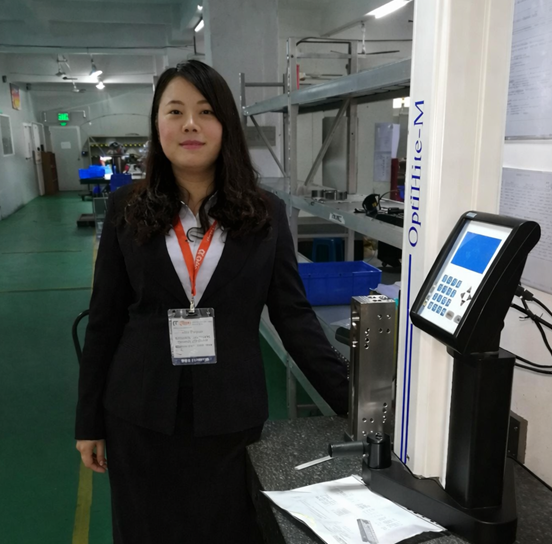
Rollyu Precision supports precision 5 axis machining, CNC milling, turning, Swiss machining, Wire EDM, grinding, sheet-metal fabrication, surface-finishing coordination, and dimensional inspection for stainless steel parts used in motion control, photonics, quantum systems, food machinery, medical devices, and dental equipment. Our engineering review connects material choice with machinability, tolerances, finishing allowance, cleanliness, inspection, and production risk. Quality systems include ISO 9001:2015 and ISO 13485:2016 certifications.
- Material and DFM review before machining release
- Prototype through repeat production support
- Machining plans for 303, 304/304L, 316/316L and project-specific grades
- CMM, surface-finish, documentation, and after-finish inspection planning
- Protective cleaning and packaging matched to the application
| Need Help Choosing 303, 304, or 316?
Send your CAD files, drawing, environment, cleaning method, tolerances, finish, quantity, and documentation requirements. Rollyu Precision will review the alloy, machining route, finishing risk, inspection plan, and production approach. Request a Quote → www.rollyu.com |