ISO/ASTM 52900:2021 defines additive manufacturing as adding material from 3D model data, layer by layer. That standard covers only one part of rapid prototyping. Buyers also compare CNC machining, vacuum casting, and sheet metal prototyping when cost, material behavior, or fit matters.
This guide explains what drives rapid prototyping cost and how engineers can review a quote without chasing the lowest unit price. The goal is simple: match each prototype to the test, pay for the features that affect risk, and leave noncritical details flexible until the design is ready.
How Much Does Rapid Prototyping Cost?
Rapid prototyping cost has no fixed price because each quote reflects a different test goal, process, material, geometry, tolerance, finish, quantity, and inspection need. A visual model may be low cost, while a machined metal prototype with threads, sealing faces, and dimensional reports costs more because it answers a harder engineering question.
The useful question is what the prototype must prove. Shape checks may fit 3D printing. Load, heat, sealing, wear, or assembly tests may need CNC machining, production-intent material, controlled surfaces, and inspection. A useful quote should show the method, material, quantity, finish, lead time, and included documentation.
What Affects Rapid Prototyping Cost?
The work behind a prototype sets the quote. The main cost drivers are process choice, material, geometry, tolerance, finish, inspection, quantity, timeline, and revision stage. If the route is still open, common rapid prototyping process options can help narrow the RFQ.
Process, Material, and Geometry
Process choice sets the cost path. 3D printing is often efficient for shape checks and complex forms. CNC prototyping costs more when the part needs real metal or engineering plastic behavior. Vacuum casting can lower per-part cost for small batches after upfront setup work. Hard materials, deep pockets, thin walls, fine threads, undercuts, and difficult workholding all add time.
Tolerance, Finish, and Inspection
Tolerance raises cost when the drawing asks for tighter control than the test requires. Critical bores, shafts, sealing faces, datum surfaces, threaded holes, and alignment features may need close control, while cosmetic or nonfunctional areas can often stay more open. Finish and inspection add cost when the prototype needs coating, masking, CMM data, material confirmation, or a Certificate of Conformance.
Quantity, Timeline, and Revision Stage
Quantity affects cost by process. One part may be fastest through CNC machining or 3D printing. A small batch may fit vacuum casting if the design needs plastic-like samples in one run. Urgent timelines can raise pricing when suppliers reserve machine time, source material faster, or add shifts. Early revisions should only carry requirements needed for the next test.
How Do Rapid Prototyping Methods Compare by Cost?
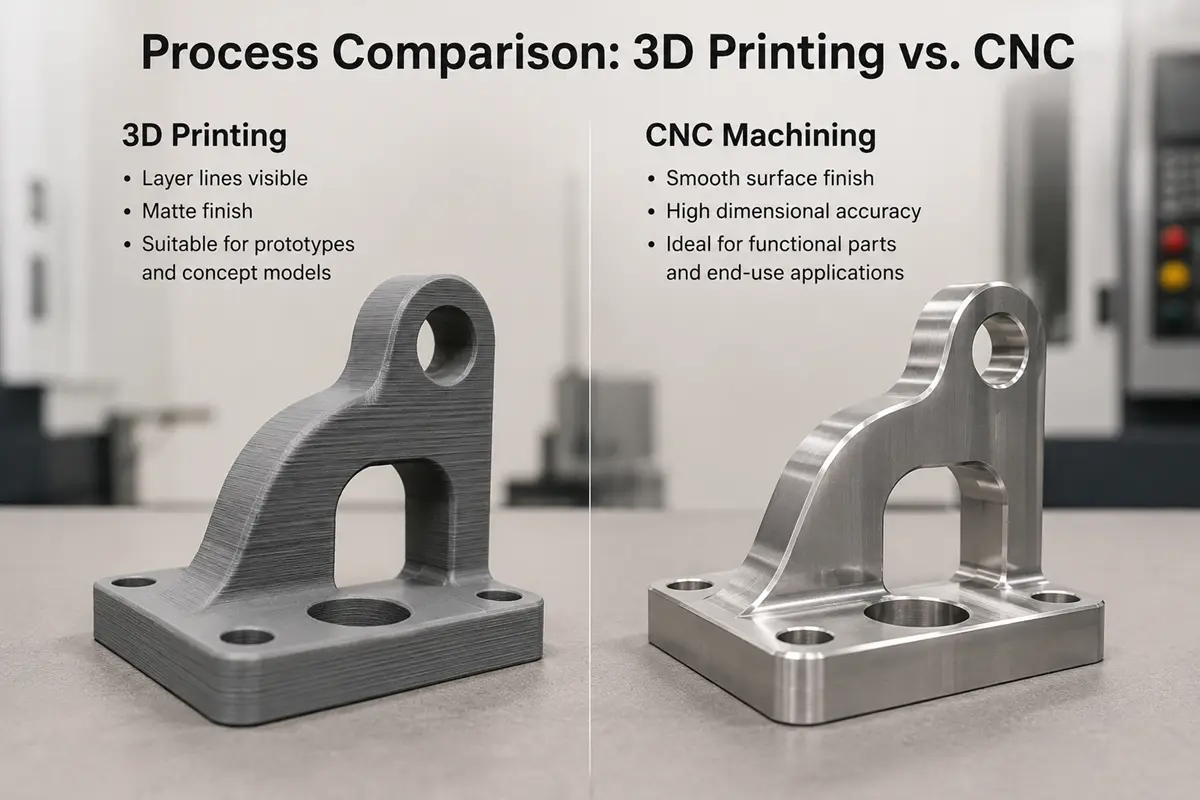
Rapid prototyping methods compare by what each method proves, not by unit price alone. A lower-cost method can still be the wrong choice if the part cannot answer the test question.
| Method | Cost tends to rise when | Best use |
|---|---|---|
| 3D printing | Large build size, support removal, specialty resin or metal powder, post-processing | Form checks, complex shapes, early design review |
| CNC prototyping | Hard material, tight tolerance, deep pockets, multiple setups, small cutters | Functional metal or plastic parts |
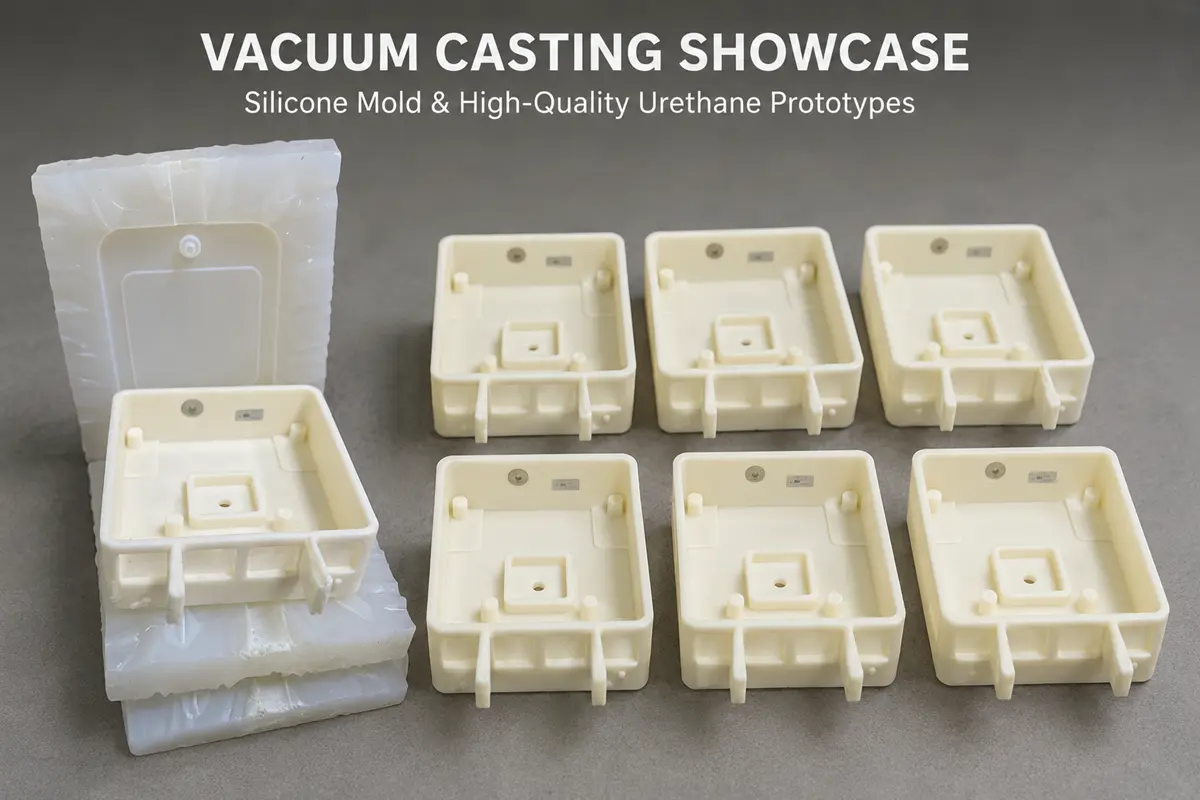
| Vacuum casting | Pattern quality, setup work, finish, insert work, batch size | Small batches of plastic-like samples |
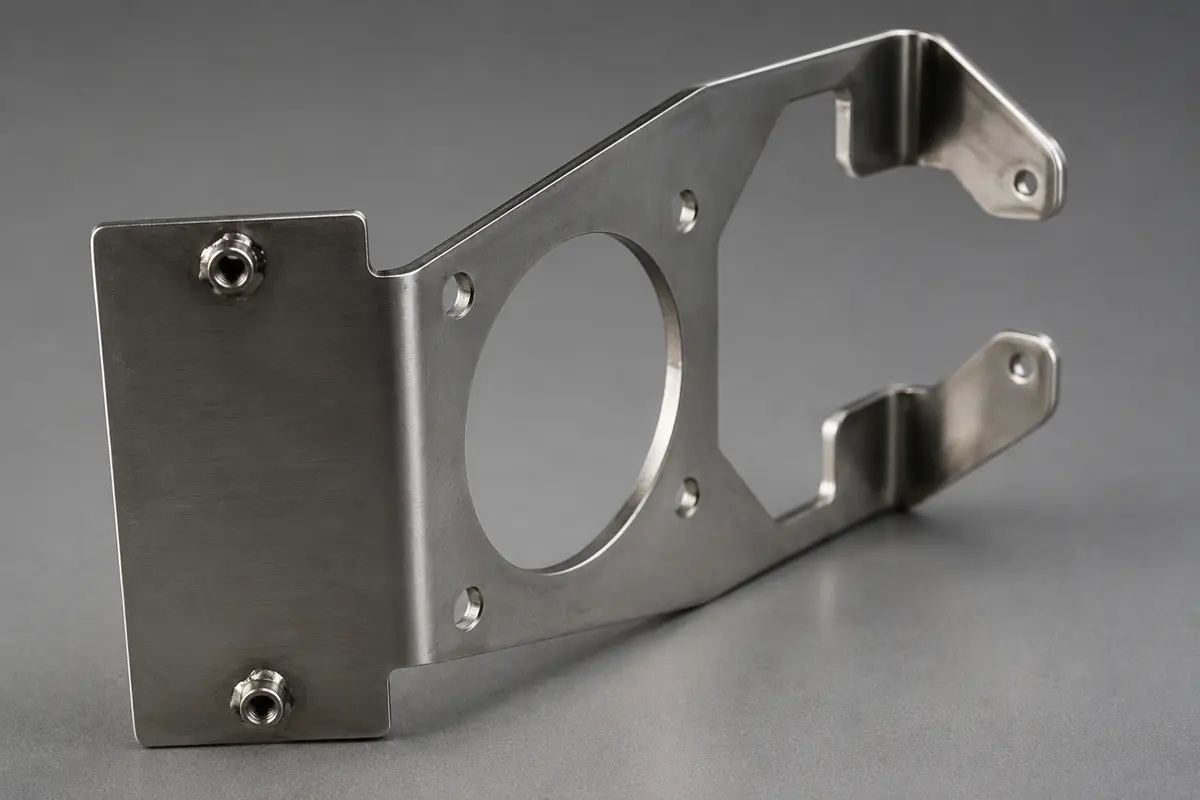
| Sheet metal prototyping | Bend complexity, welding, deburring, finish, hole placement near bends | Brackets, covers, panels, frames, and enclosures |
3D Printing vs CNC Prototyping
3D printing fits shape, clearance, packaging, and ergonomic checks. Cost may rise with build volume, support removal, specialty materials, metal printing, or secondary finishing. CNC prototyping fits parts that need production-like material behavior, including load tests, threads, sealing faces, bearing fits, and fixtures. If the choice is unclear, compare 3D printing vs CNC machining before locking the quote.
Vacuum Casting for Small Plastic Batches
Vacuum casting can lower cost per sample when a team needs multiple plastic-like parts with similar appearance or handling feel. Because the process has upfront setup work, batch cost matters more than the first part alone. It works best for short-run testing, user handling, or bridge samples before production tooling.
Sheet Metal Prototyping for Formed Metal Parts
Sheet metal prototyping fits parts that must test bends, fasteners, welds, tabs, cutouts, and enclosure fit. Cost rises with tight bend control, welding, grinding, deburring requirements, cosmetic finish, or hardware installation. Bend radius, material thickness, hole distance from bends, and flat pattern layout can change both quote and fit.
When Is a Higher Prototype Cost Worth Paying?
A higher prototype cost is worth paying when the extra work reduces real engineering or approval risk. Spend more when the prototype must prove material behavior, fit, sealing, documentation, or repeatable assembly.
Functional Testing and Production Intent Materials
Functional testing needs material behavior that matches the test question. A printed model can show shape, but it may not show the same strength, heat resistance, wear, chemical resistance, or thread performance as the final part. Production-intent material is worth the cost when the prototype must carry load, seal fluids, contact chemicals, hold threads, or run in a fixture.
Critical Fit, Sealing, and Assembly Risk
Higher cost can make sense when the prototype controls assembly. Bores, shafts, threaded holes, inserts, gasket faces, datum surfaces, and mating features may need tighter machining or inspection because a small error can stop the test. A housing may look right and still leak if surface finish or flatness is not controlled.
Inspection Records and Approval Risk
Inspection records are worth paying for when the prototype supports approval, supplier qualification, or regulated component review. For medical device components, lab equipment, robotics hardware, or semiconductor tooling, buyers may need dimensional reports, material traceability, surface finish checks, or CMM data. A quick concept model usually does not need that level of reporting.
How Can Engineers Reduce Rapid Prototyping Cost Before Quoting?
Engineers can reduce rapid prototyping cost by removing work that does not support the next test. Cost control starts before quoting, when the drawing defines which features matter and which features can stay flexible.
Defining Critical Features
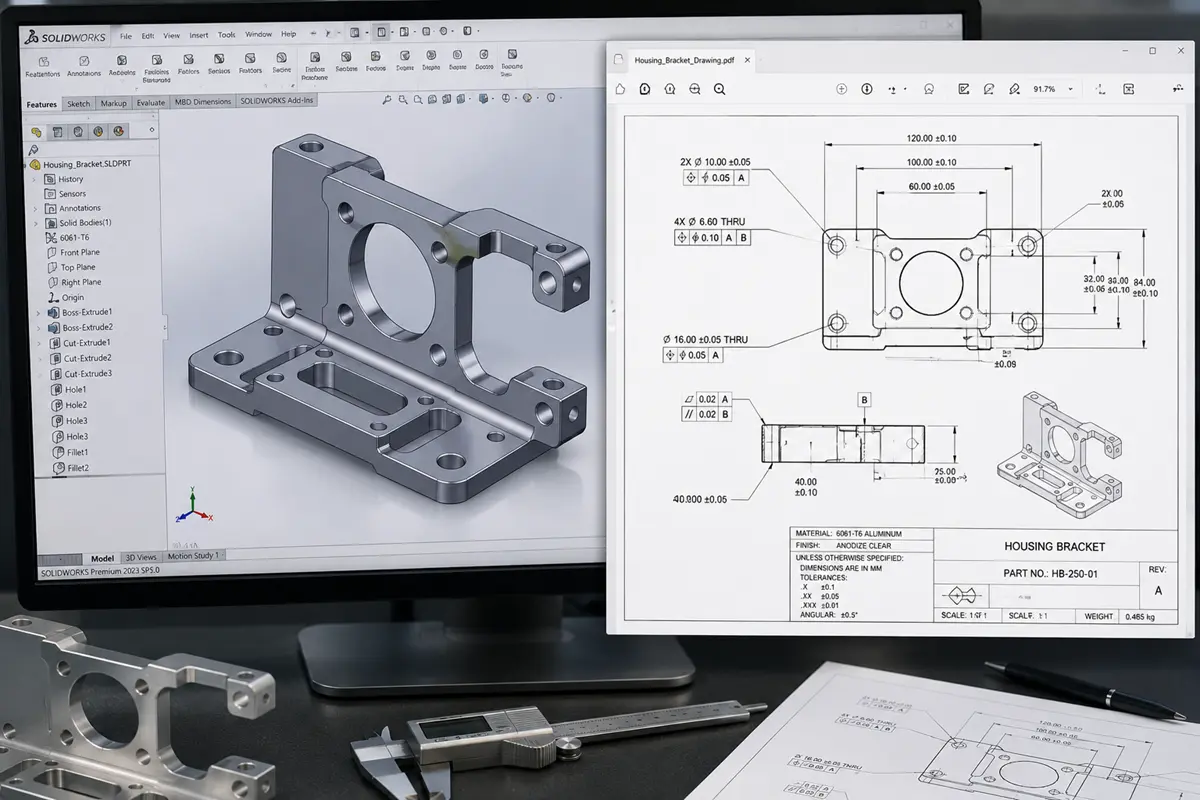
Define the features that affect fit, function, sealing, alignment, or safety before sending the RFQ. A good prototype drawing separates must-hold dimensions from reference dimensions, which helps the supplier quote the right inspection scope and avoid wasting time on surfaces that may change.
Simplifying Noncritical Geometry
Simplify geometry that does not affect the test. Deep pockets, sharp internal corners, thin walls, small slots, fine text, cosmetic ribs, and hidden undercuts can add cost without improving the result. Larger internal radii, thicker walls, easier tool access, and practical bend locations often reduce manufacturing time.
Controlling Finish and Inspection Scope
Limit finish requirements to the surfaces that need them. A prototype for internal fit testing may not need polishing, anodizing, plating, painting, or cosmetic masking on every face. Focus inspection reports on features tied to approval or risk, not every dimension on the drawing.
What Should You Prepare for a Rapid Prototyping Quote?
A rapid prototyping quote should include enough information for the supplier to choose the right process and quote the right work. When buyers need CNC, 3D printing, vacuum casting, or sheet metal prototypes under one RFQ, rapid prototyping services can help compare process routes around the same test goal.
CAD Files, Drawings, and Quantity
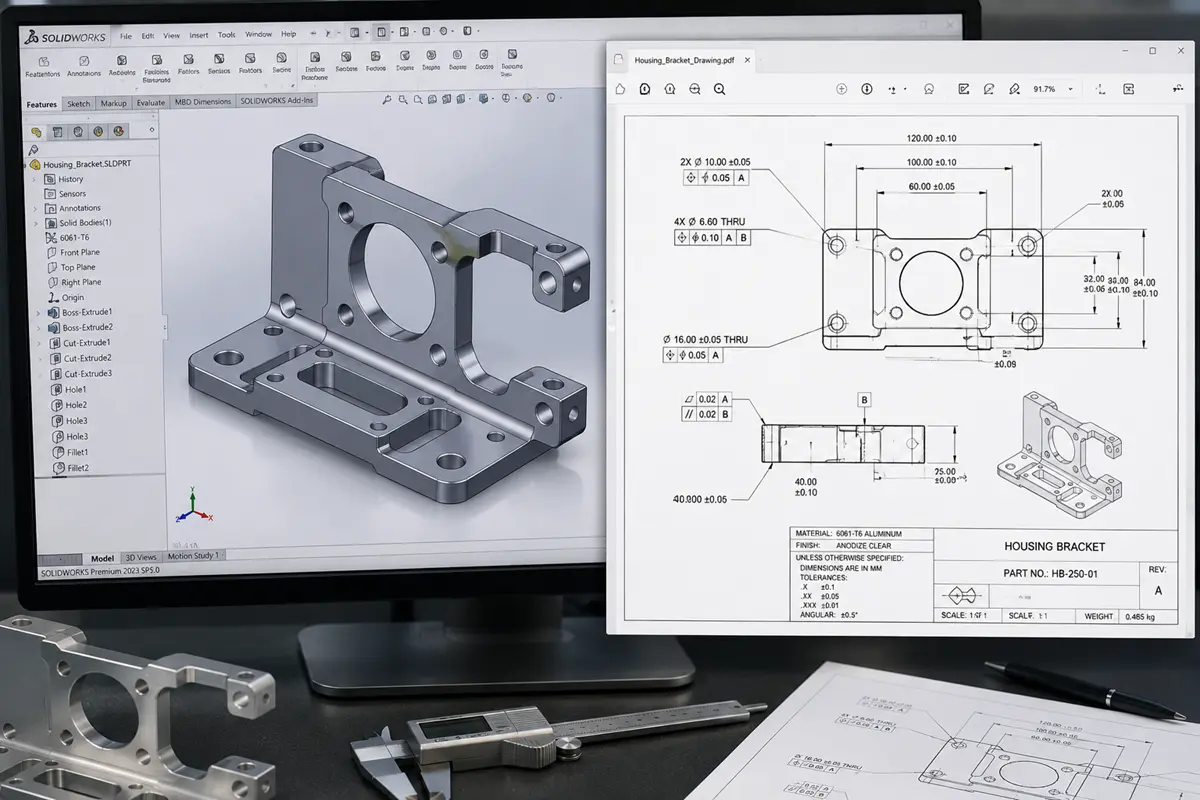
Send a 3D CAD file for geometry and a 2D drawing for critical details. Common 3D formats include STEP, IGES, SolidWorks, and Parasolid. Drawings are useful for threads, GD&T, critical tolerances, surface finish, inspection points, inserts, and notes that CAD cannot show. Include quantity and revision stage because one concept part, five functional samples, and 30 bridge parts may point to different processes.
Material, Finish, and Tolerance Notes
List the target material and acceptable alternatives. If the material is not fixed, tell the supplier what the part must prove, such as weight, strength, heat resistance, chemical resistance, wear, insulation, clarity, or cosmetic appearance. Mark finished faces and call out dimensions that affect assembly, sealing, or inspection. Leave noncritical surfaces under general requirements.
Inspection and Traceability Requirements
State inspection needs before quoting. If the prototype needs a dimensional report, FAI, Certificate of Conformance, Material Test Report, surface finish reading, or traceability record, the supplier should know before pricing the job. Asking for documents after production can create delays because the supplier may not have planned the required checks.
How Should Buyers Review a Rapid Prototyping Quote?
Buyers should review a rapid prototyping quote by checking what the supplier included, what the supplier assumed, and what still needs clarification. A low number is not useful if the quote leaves out material, finish, inspection, or revision support.
Scope, Assumptions, and Line Items
Check whether the quote names the process, material, quantity, finish, lead time, and inspection scope. Supplier assumptions may explain why one quote is cheaper or faster than another. Line items for finish, reports, expedited lead time, tooling, setup, inserts, and shipping also help buyers decide what they need now and what can wait.
Supplier Notes and Revision Support
Supplier notes are often more useful than the price alone. Good notes flag thin walls, hard-to-machine corners, bend risks, thread access, finish buildup, inspection limits, or material substitutions before the order starts. A supplier such as Rollyu Precision should help buyers reduce uncertainty through DFM review, process selection, inspection planning, and revision support.
FAQs
Can I request a rapid prototyping quote before the design is final?
Yes, you can request a quote before the design is final. Tell the supplier which features may change and which features need firm pricing. Early quotes help with process selection and budget planning, but final pricing may change after the team locks geometry, material, quantity, or tolerance requirements.
Should visual and functional prototypes have separate quotes?
Yes, quote visual and functional prototypes separately when test goals differ. A visual prototype may focus on shape, size, color, or handling. A functional prototype may need real material behavior, tighter features, and inspection, so separate quotes prevent cosmetic needs from inflating mechanical tests.
Can prototype parts support pilot testing or early customer trials?
Prototype parts can support pilot testing when the process, material, tolerance, and finish match the trial goal. A customer handling sample may need different controls than a prototype used for load, sealing, or regulated review. Define the trial conditions before treating prototype parts as test-ready.
How do design changes after quoting affect cost and lead time?
Design changes after quoting can change cost and lead time if they affect material, geometry, tolerance, finish, inspection, or setup. Even small CAD edits can change tool access, support removal, bend layout, or workholding. Send a revision note so the supplier can price only the changed work.
When should a project move from rapid prototyping to low-volume production?
A project should move to low-volume production when the prototype has proven fit, function, material choice, and inspection needs. The next step should also have stable drawings and clear acceptance criteria. Low-volume production fits validation builds, pilot orders, and early market use better than one-off prototyping.