Reliable Swiss Machining services should prove part fit, machine capability, tolerance control, inspection records, and batch stability before full production begins.
Swiss machining fits small precision parts that need tight dimensions, clean edges, and repeatable geometry across repeated batches. Buyers often choose this process when standard turning creates deflection, extra setups, or unstable feature alignment. The right supplier should explain how the part will be cut, measured, finished, packed, and traced.
Decide Whether Swiss Machining Fits Your Part
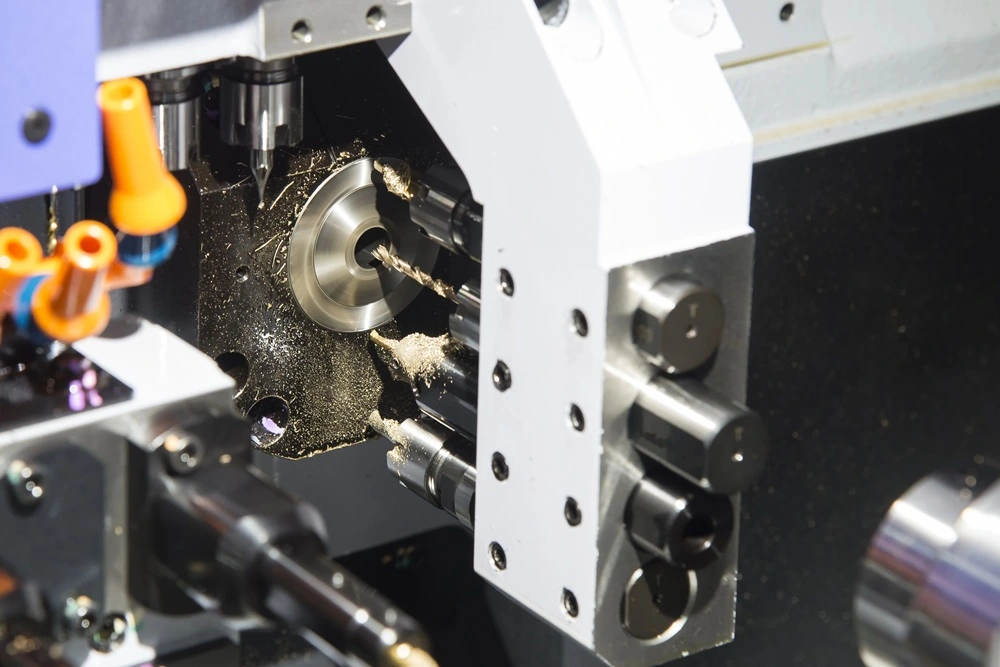
Swiss machining works best when the part needs close support near the cutting point. To understand how Swiss machining works, focus on how this setup reduces deflection when the part is narrow, long, threaded, or packed with small features.
Small Diameter Parts
Use Swiss machining when small parts need tight outside diameters, clean shoulders, fine grooves, or consistent thread quality.
Common examples include pins, spacers, bushings, ferrules, electrical contacts, micro fasteners, connector parts, and small medical components. These parts leave little room for burrs, tool marks, or loose tolerances because small defects can affect assembly fit.
Long and Slender Components
Long, slender components often need Swiss machining because thin stock can bend under cutting pressure.
Swiss machining applies to shafts, probes, needles, miniature standoffs, and other narrow components. When the bar is supported close to the tool, the process helps control vibration and maintain straighter geometry. Vibration control matters for medical devices, electronic hardware, optical parts, and precision mechanical assemblies.
High-Volume Precision Runs
Swiss machining also fits repeated production runs where each part must match the last one.
Swiss machining is useful when the part includes fine threads, cross holes, micro grooves, slots, flats, or tight concentricity requirements. If the setup is proven early, the supplier can reduce variation across larger batches.
Check the Supplier’s Swiss Machining Capability
A reliable supplier should explain what the machine can actually handle. General claims about precision machining do not show whether the supplier can produce your specific part.
Machine Capacity and Bar Size
Start with bar capacity. Ask what bar diameters the supplier can run, especially if the part is long, thin, or made from a harder alloy.
Machine capacity affects cost, setup planning, and part stability. If the equipment does not fit the part, the supplier may need extra setups or secondary operations. Extra setups can add alignment drift, inspection time, and batch variation.
Turning, Milling, Drilling, and Threading Support
Swiss machined parts often need more than turning.
Ask whether the supplier supports turning, milling, drilling, tapping, reaming, grooving, and threading.
Complex features like micro holes, fine pitch threads, and multi-face geometry often require secondary operations that add alignment drift and inspection time. Buyers sourcing custom CNC machining parts with these requirements should confirm upfront whether the supplier can complete them in a single setup.
These questions show whether the supplier can complete the part efficiently or must move the part through several machines.
Complex Features in One Setup
Swiss machining reduces handling when side holes, threads, slots, and turned diameters can be cut in one setup.
Fewer setups reduce alignment drift and inspection risk. For feature dense parts, ask which operations can be completed before the part is cut off from the bar. The bar cutoff question helps reveal whether the supplier understands tolerance stack up and process stability.
Experience With Metals and Engineering Plastics
Material experience affects tool wear, burr control, heat buildup, and surface finish.
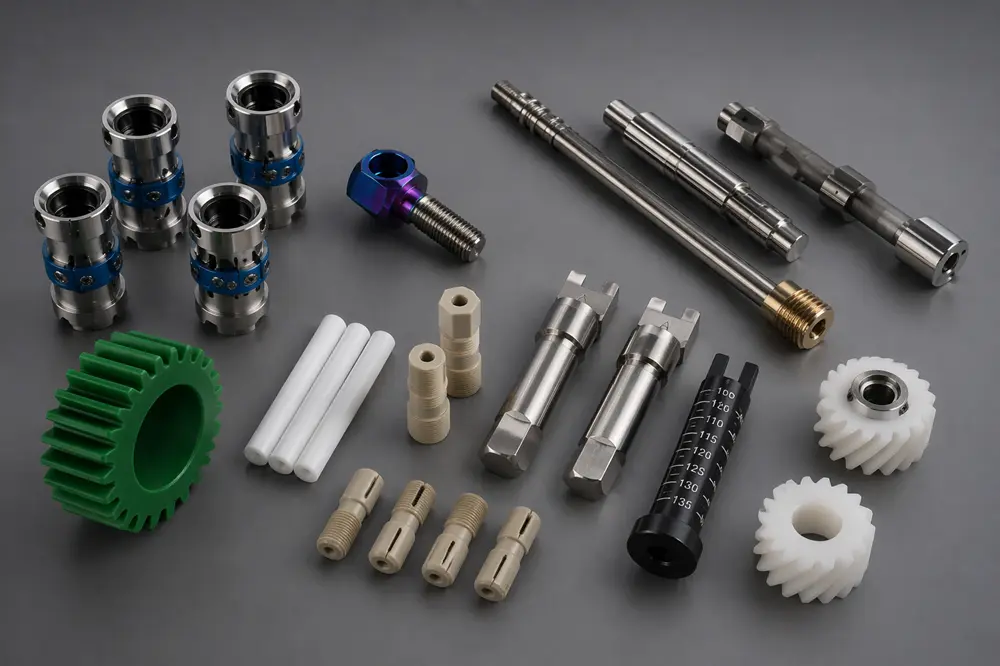
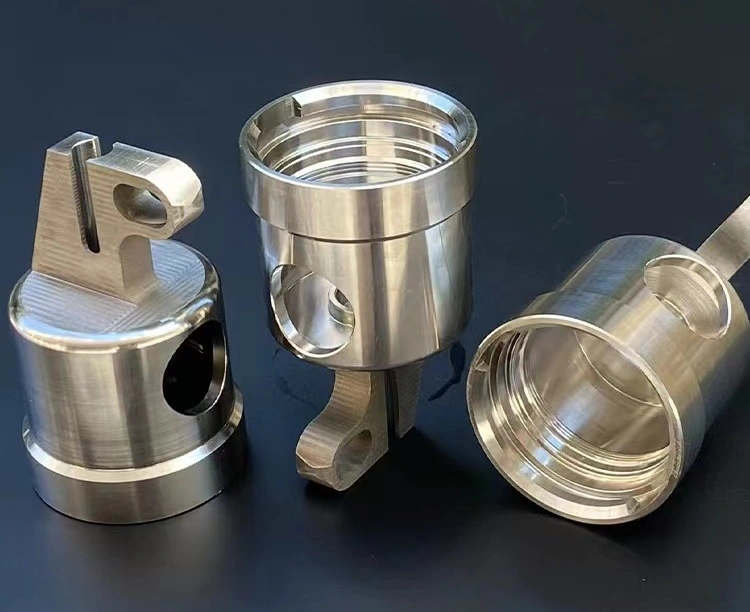
Stainless steel, titanium, brass, copper, aluminum, PEEK, PTFE, and other engineering materials do not cut the same way. Buyers can review the best materials for Swiss machining to understand how material choice affects speed, tooling, edge quality, and inspection planning.
Rollyu Precision supports CNC turning, Swiss turning, CNC milling, multi axis machining, micro machining, EDM, material selection, finishing, and inspection workflows. A wider process base helps buyers evaluate complex precision parts beyond Swiss machining alone.
Review Tolerance Control and Inspection Methods
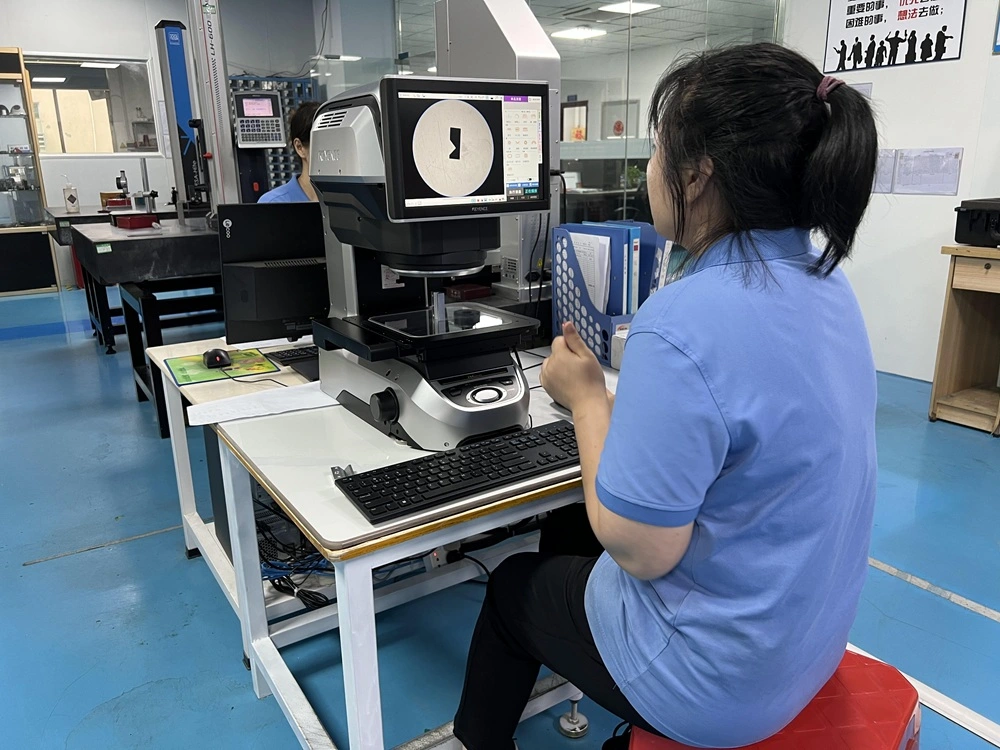
Reliable Swiss machining suppliers do more than claim tight tolerances. They explain how dimensions are controlled, measured, recorded, and traced.
Critical Dimensions and GD&T
Mark the features that control function before requesting a quote.
Critical requirements may include outside diameter, hole position, thread class, concentricity, flatness, perpendicularity, runout, and true position. For Swiss machined parts, GD&T can matter as much as linear dimensions.
A connector pin may pass a basic diameter check but still fail if concentricity or thread alignment is poor. Clear drawings help the supplier quote the right process, choose the right gauges, and flag tolerances that add cost without improving performance.
In-Process Inspection
In-process inspection catches dimensional drift before a full batch is affected.
Ask whether the supplier uses micrometers, bore gauges, pin gauges, thread gauges, machine probing, tool offset checks, and defined inspection intervals. For tight features, operators should check parts during the run, not only after production ends.
In-process measurement matters because final inspection may find the problem too late. In-process checks reduce scrap risk, protect delivery schedules, and improve batch consistency.
FAI Reports and Material Traceability
FAI reports confirm whether the first approved samples match the drawing before production continues. For medical, semiconductor, robotics, aerospace, and electronic hardware parts, first article review can reduce the risk of assembly failure later.
The supplier should be able to provide dimensional reports, material certificates, heat lot records, and a Certificate of Conformance when the project requires them. Material traceability protects regulated and inspection intensive projects, helping buyers verify compliance, shorten incoming QC, and support root cause review if a field issue appears.
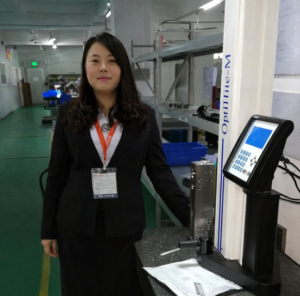
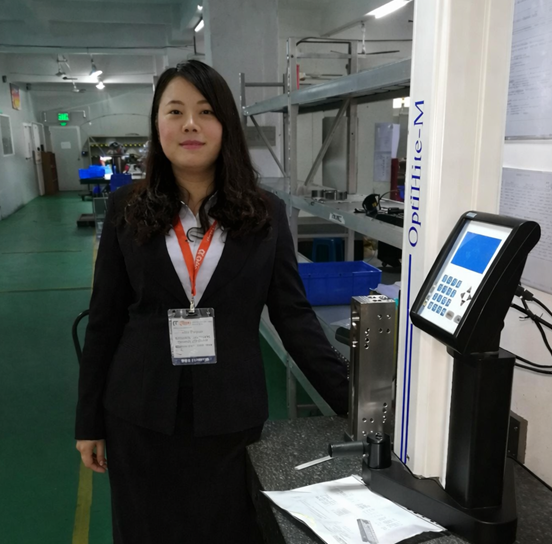
Rollyu Precision’s ISO 9001 and ISO 13485 certified quality systems, CMM inspection, FAI support, and material traceability offer a practical reference for what thorough supplier documentation looks like.
Compare Swiss Machining Quotes Beyond Unit Price
Low unit price can hide missing inspection, weak documentation, poor packaging, or unclear lead time. A reliable quote should show what is included and what affects the final cost.
Setup, Tooling, and Inspection Costs
Swiss machining quotes may include setup, programming, tooling, inspection, and documentation.
These costs are normal when the drawing includes tight tolerances, special gauges, fine threads, or detailed reports. Ask whether the quote includes FAI, CMM inspection, thread verification, full dimensional reports, and material certificates.
If these items are missing, the quoted price may not reflect the real project cost.
Surface Finish and Packaging Requirements
Surface finish affects fit, sealing, wear, appearance, cleanliness, and corrosion resistance.
Ask whether the supplier can support as machined finish, passivation, anodizing, polishing, bead blasting, electropolishing, laser marking, ultrasonic cleaning, or other post processing. The finish should match the part function, not just the drawing note.
For parts that need smoother contact surfaces, buyers should confirm whether polishing, electropolishing, ultrasonic cleaning, or Ra verification is included in the quote.
Packaging protects thin pins, fine threads, polished surfaces, and medical components from handling damage. Reliable suppliers should explain how parts are cleaned, separated, labeled, and packed.

Lead Time and Batch Stability
Lead time should reflect material availability, setup complexity, inspection scope, finishing, and shipping.
A vague lead time adds risk. Ask how the supplier controls repeat orders, drawing revisions, tool lists, process notes, inspection plans, and material lots. Repeat orders need the same process controls, or the second batch can differ from the approved first batch.
Test Supplier Reliability Before Full Production
A small test order shows how the supplier works when real dimensions, deadlines, and engineering questions appear.
Prototype or First Article Run
Start with a prototype, first article run, or short batch when the part has tight tolerances, micro features, hard materials, or cosmetic requirements.
Check dimensions, threads, surface finish, burr control, and assembly fit. Review the inspection report against the drawing. If a deviation appears, the supplier should explain the cause, correction, and impact on future batches.
Engineering Communication
Swiss machining projects need clear engineering communication because small design details can change cost and yield.
Watch how the supplier handles DFM questions, tolerance concerns, drawing gaps, material substitutions, and engineering changes. A strong supplier asks specific questions before cutting material. Early DFM questioning reduces guesswork and helps prevent delays.
For global sourcing, engineering response quality can be as valuable as machine capacity.
FAQ
What Files Should I Send for a Swiss Machining Quote?
A complete Swiss machining quote requires a 2D drawing, a 3D CAD file in STEP format, material grade, quantity, tolerances, and surface finish requirements. For regulated or assembly critical parts, also include thread specs, inspection needs, and traceability requirements.
Can Swiss Machining Support Both Prototypes and Production Runs?
Yes, Swiss machining can support prototypes, first article runs, small batches, and production runs. A prototype helps confirm fit, burr control, tolerance strategy, and inspection requirements before higher volume production.
What Documents Should a Swiss Machining Supplier Provide?
A Swiss machining supplier should provide documents that prove material, dimensions, and quality control. Common records include FAI reports, dimensional inspection reports, material test reports, Certificate of Conformance, and lot traceability records.
What Makes a Swiss Machining Supplier Risky?
A risky Swiss machining supplier gives vague quotes, unclear inspection methods, or weak documentation. Missing material certificates, no first article check, slow engineering replies, and loose lead time answers can increase cost, delay, and QC risk.