What's happening in the CNC industry and Rollyu? What trends and innovations shouldn’t be missed? Learn more and check out rollyu's news.
316 stainless steel is selected when a component must combine corrosion resistance, mechanical durability, cleanability and dimensional stability. These requirements appear in very different products—from ultra-high-vacuum interfaces and low-dead-volume fluidic manifolds to rowing-boat mounting pins and medical-device hardware. The applications vary, but the manufacturing question is the same: can the
Electropolishing is an electrochemical finishing process that removes a thin, controlled layer from a metal surface. The workpiece acts as the anode in an electrolytic cell. Under controlled current, temperature, chemistry, time, agitation, and electrode geometry, microscopic high points dissolve faster than valleys. The result can be a smoother, brighter,
Geometry, material, tolerance, testing, and documentation determine which metal prototype process fits an OEM part.
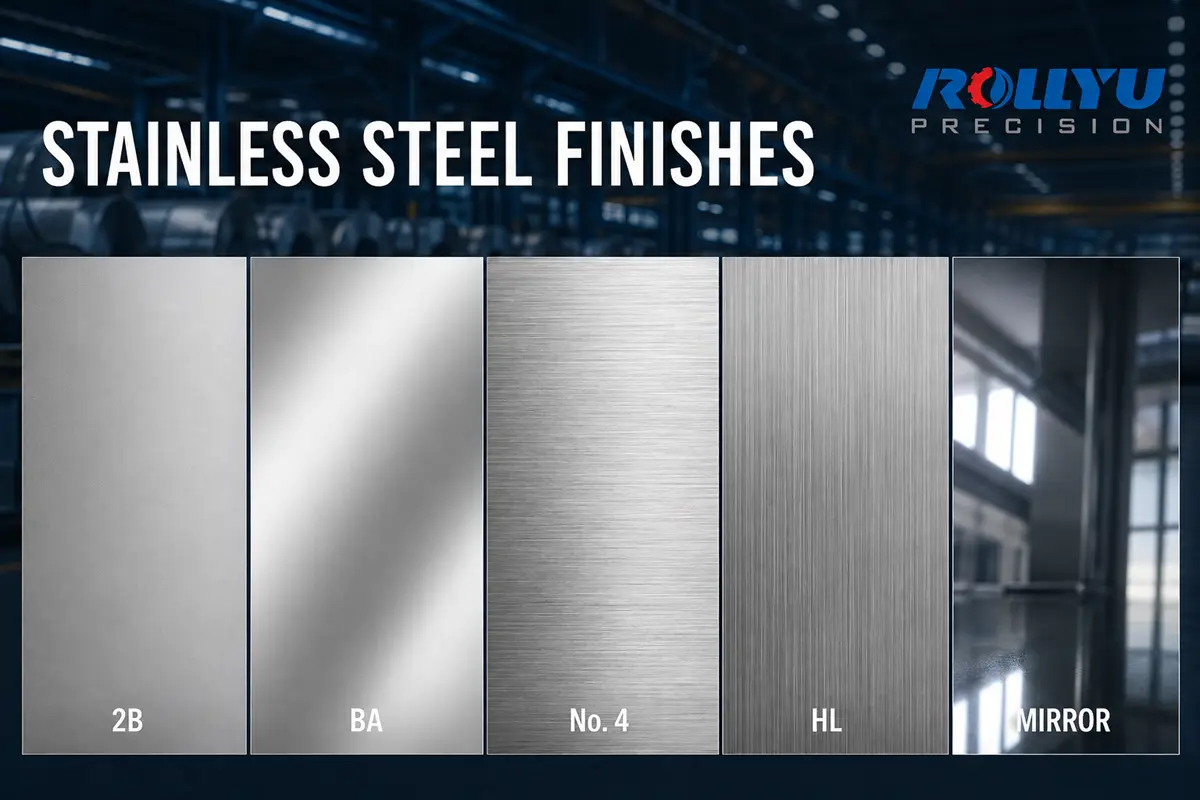
Polishing stainless steel is a controlled material-removal process used to reduce machining marks, burrs, weld discoloration, and microscopic peaks. The goal may be a consistent satin appearance, a low surface roughness, easier cleaning, reduced product buildup, or a highly reflective mirror finish. For precision CNC parts, however, polishing must improve
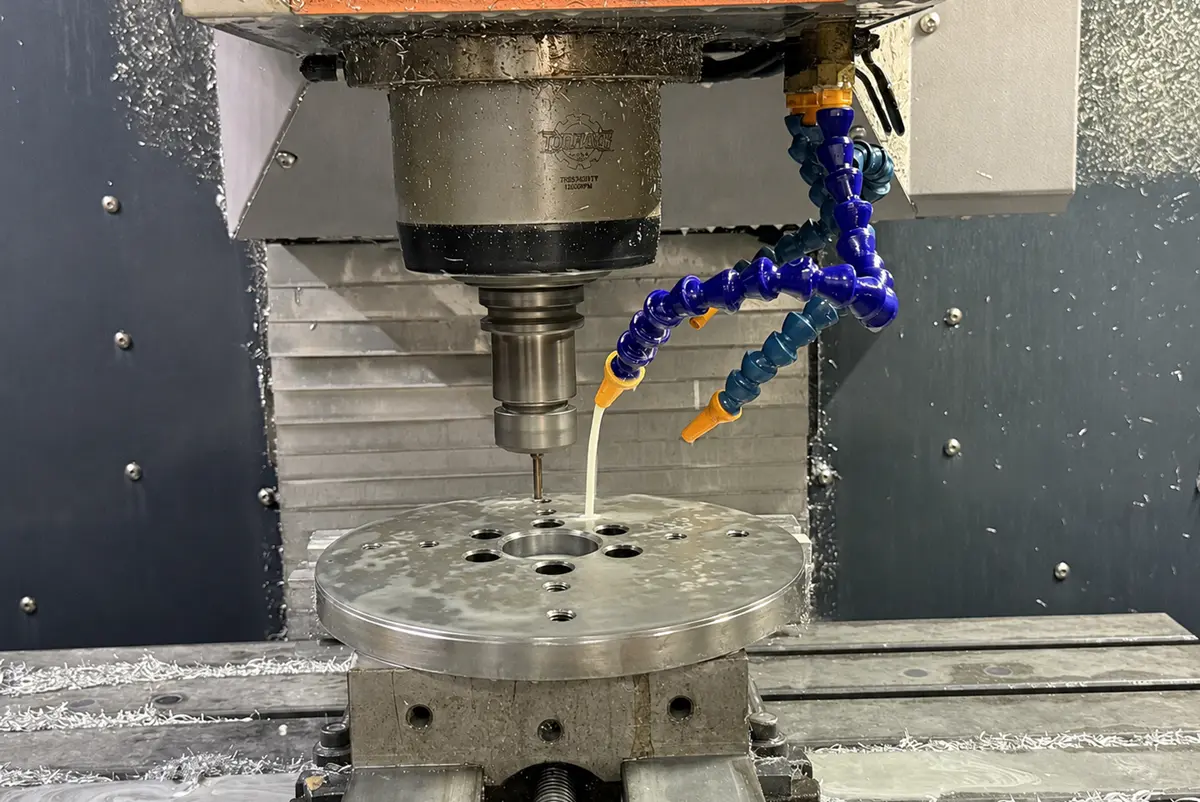
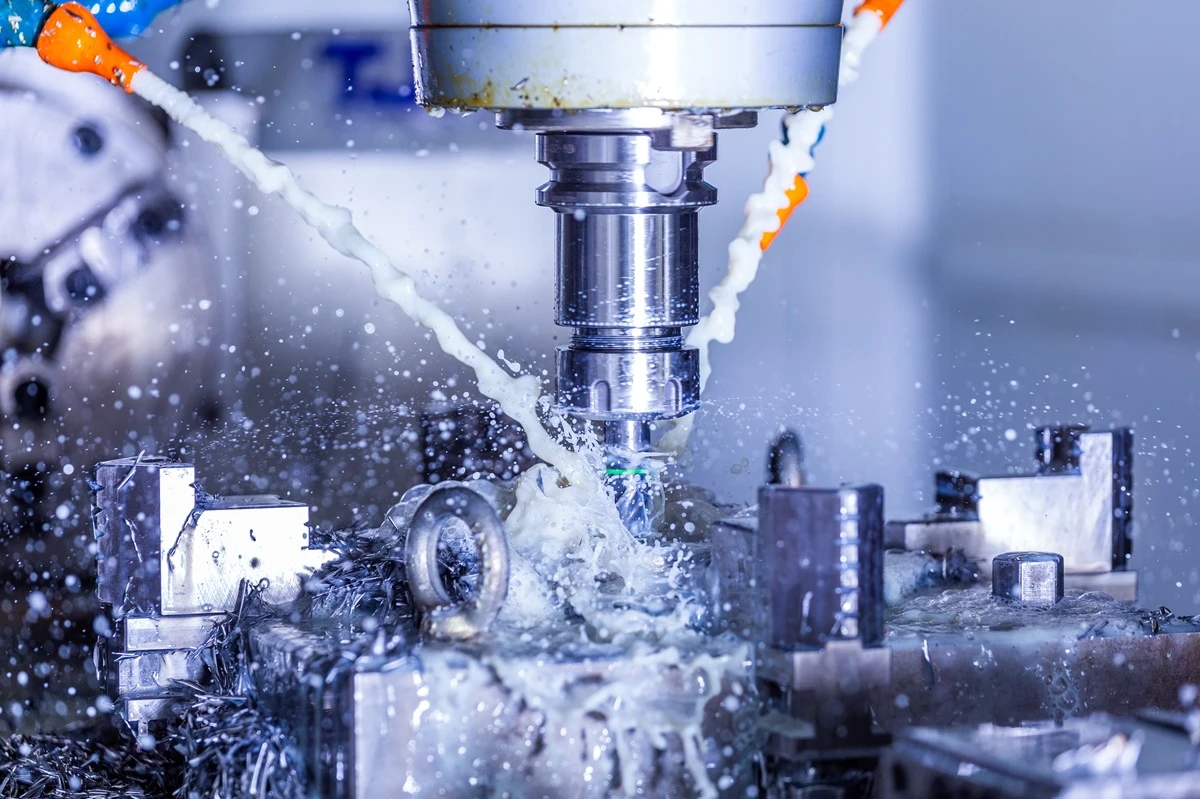
Quick answer: Machine 304 with a rigid setup, sharp positive-geometry tooling, enough feed to form a real chip, controlled engagement, reliable chip evacuation, and coolant delivered to the active cutting zone. Avoid dwell and repeated light rubbing passes because they can work-harden the surface. 304 stainless steel is widely
303 stainless steel machining is frequently selected for precision components that require stainless-steel strength and moderate corrosion resistance but must also be produced efficiently. Type 303 is a free-machining austenitic stainless steel. Its sulfur addition promotes chip breaking, reduces the tendency to produce long stringy chips and allows it to
6061 and 6063 are both heat-treatable 6xxx-series aluminum alloys, but they are not interchangeable. For most machined parts, 6061 is the stronger and more broadly available starting point. For extruded profiles, visible surfaces, and parts where corrosion resistance and anodized appearance matter more than maximum load capacity, 6063 can be
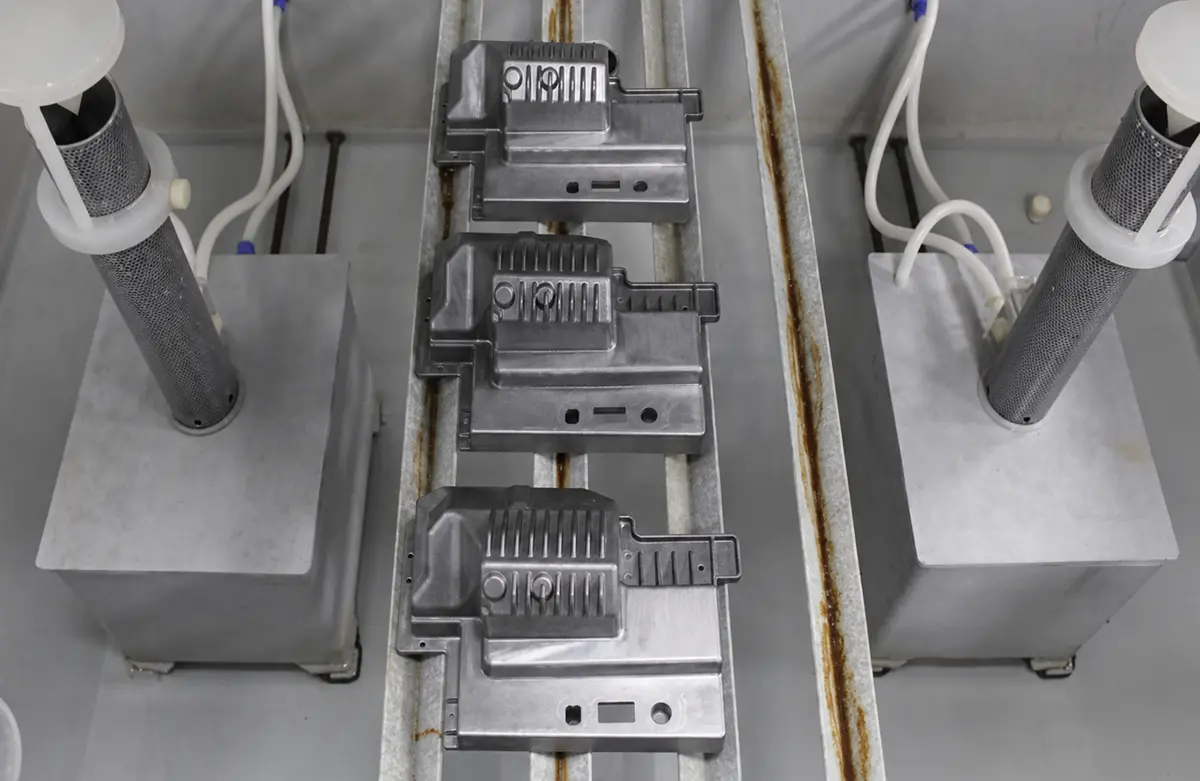
Choosing between MIM and die casting depends on material, geometry, quality risks, tooling, and secondary work as much as annual volume.
Rollyu Precision provides custom stainless steel CNC machining services for complex parts that need corrosion resistance, strength, repeatable dimensions and dependable surface quality. We machine 303, 304, 316L, 416, 420, 440C, 17-4PH and 15-5PH stainless steel for prototypes and production components used in dental equipment, medical devices, photonics, food machinery,
Choosing between MIC 6 aluminum and 6061 aluminum is not simply a question of which material is “better.” The correct choice depends on what the finished component must do. MIC 6 is a precision-machined cast aluminum tooling plate engineered for flatness, low residual stress, and dimensional stability. It is commonly
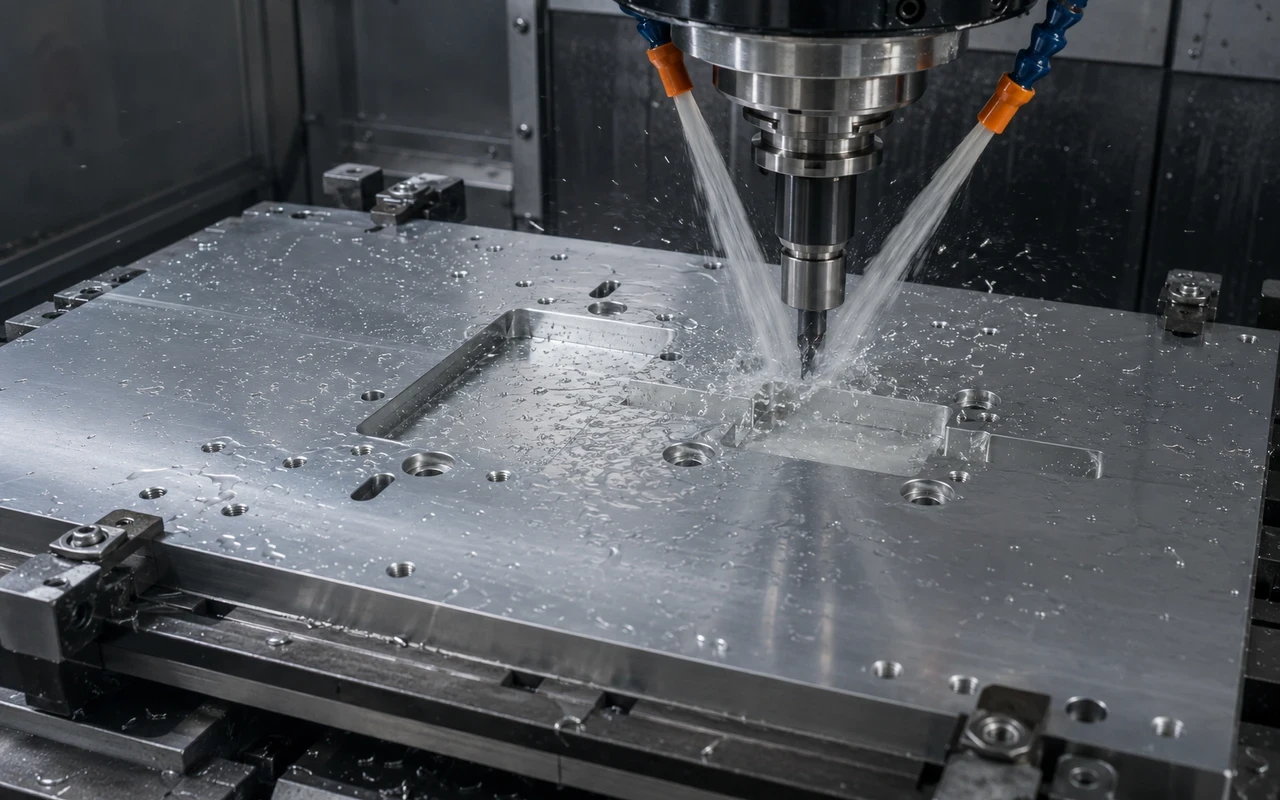
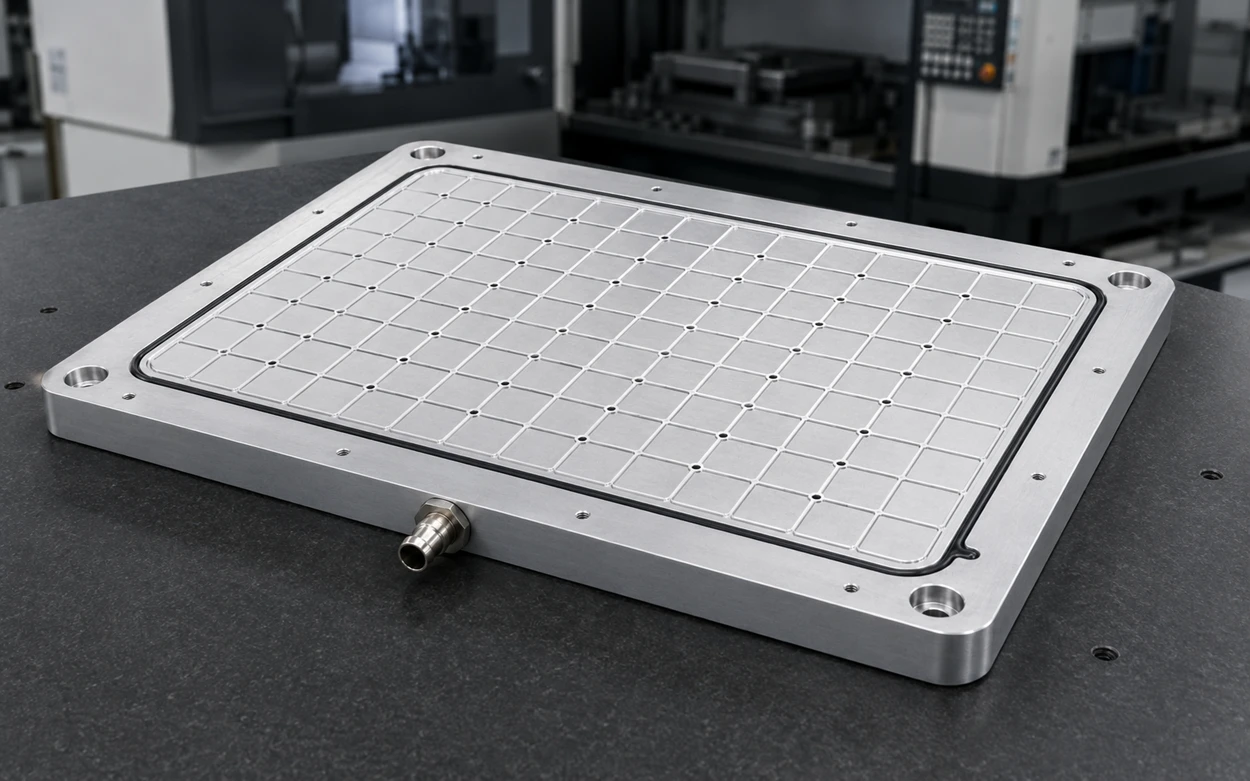
When a large aluminum plate must stay flat after pockets, vacuum channels and mounting patterns are machined, material stability often matters more than headline strength. That is where MIC6 aluminum and other cast tooling plates earn their place. MIC6 is a proprietary precision cast aluminum tooling plate engineered for low
Brass and aluminum are both widely used for CNC machined components, but they solve very different engineering problems. Aluminum is usually selected when low weight, a high strength-to-weight ratio, fast machining and flexible surface finishing are priorities. Brass is often preferred when a component requires excellent machinability, clean threads, dimensional