Sheet Metal Fabrication Design: A Comprehensive Guide

Sheet Metal Fabrication Design: A Comprehensive Guide

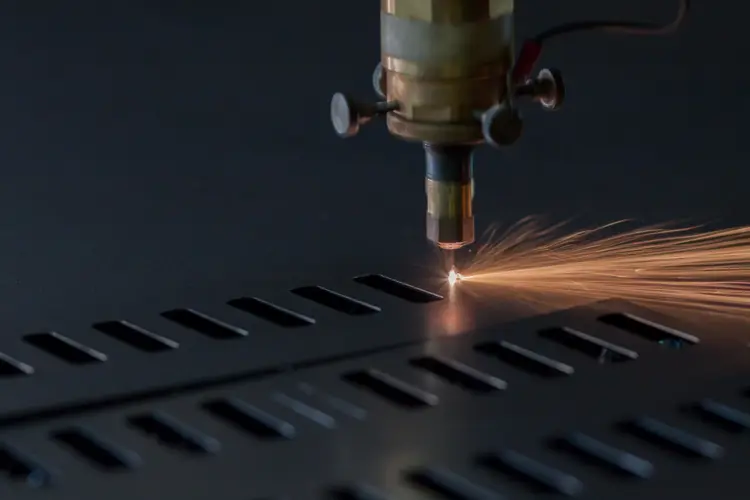
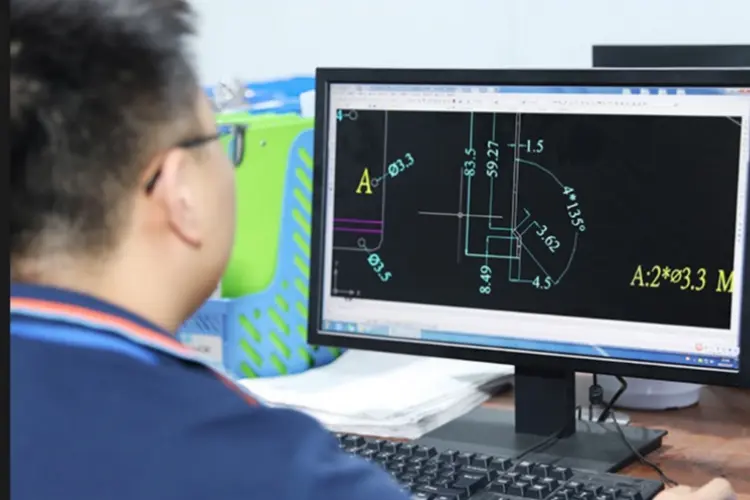
Sheet metal fabrication turns flat sheets into functional components and parts. The process uses laser cutting, shearing, punching, stamping, bending, and welding to achieve precise geometries. Manufacturers and engineers rely on these techniques to obtain high accuracy, structural integrity, and efficiency in large-scale production.

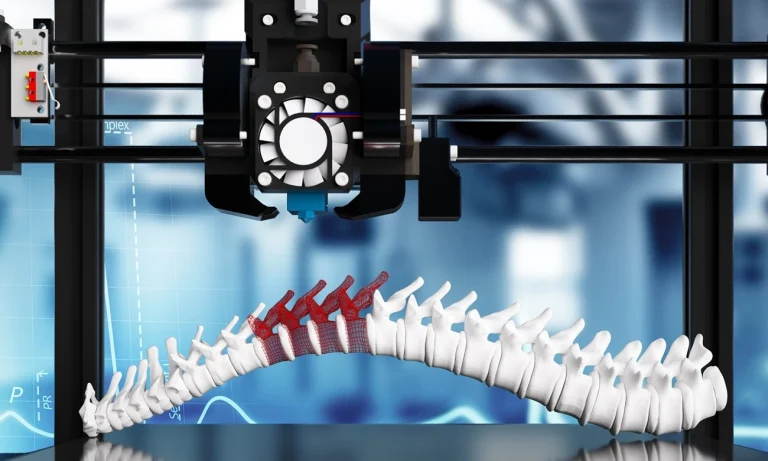
Exploring the Benefits of Precision Machining Services

Exploring the Benefits of Precision Machining Services

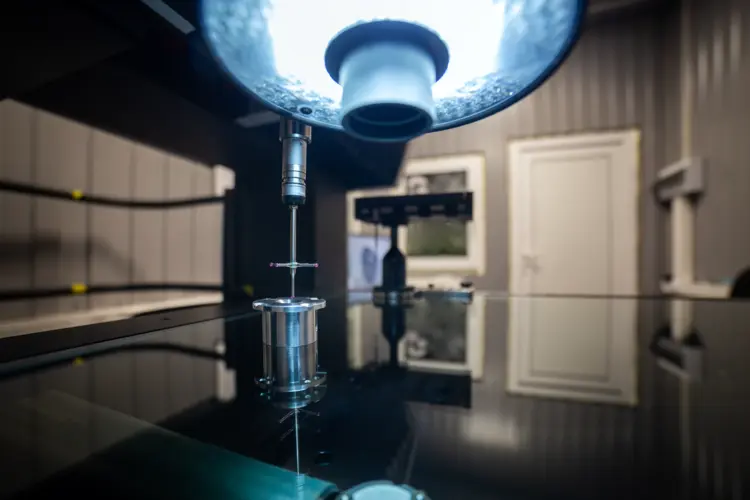
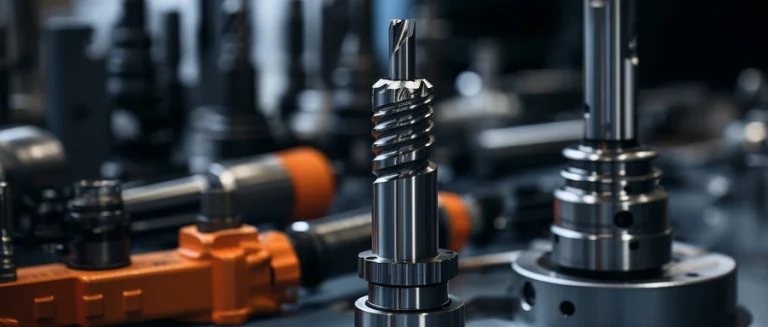
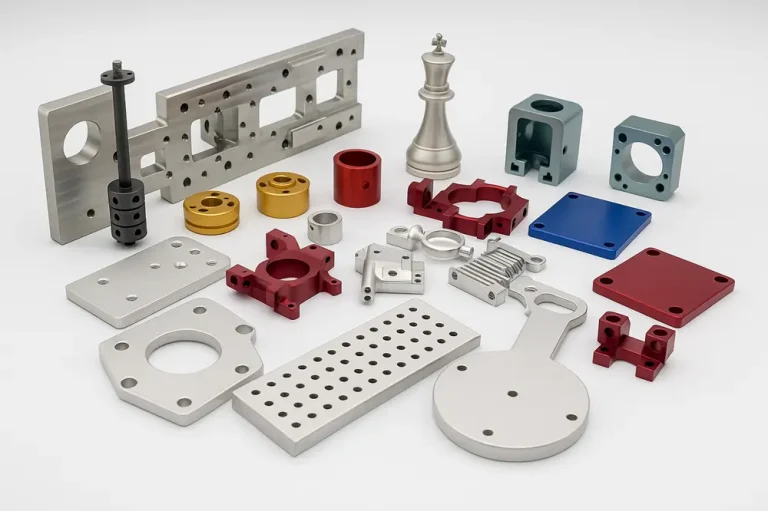
One enduring criterion characterizes modern manufacturing: its accuracy. Industries rely on precision custom components that function flawlessly under extreme conditions, whether they are micro machined parts, micro-connectors, medical precision components, life-saving medical implants, aerospace precision components , or jet engine components. There, the foundation of innovative production is Precision Machining Services.

What Does CNC Stand for In Machining

What Does CNC Stand for In Machining

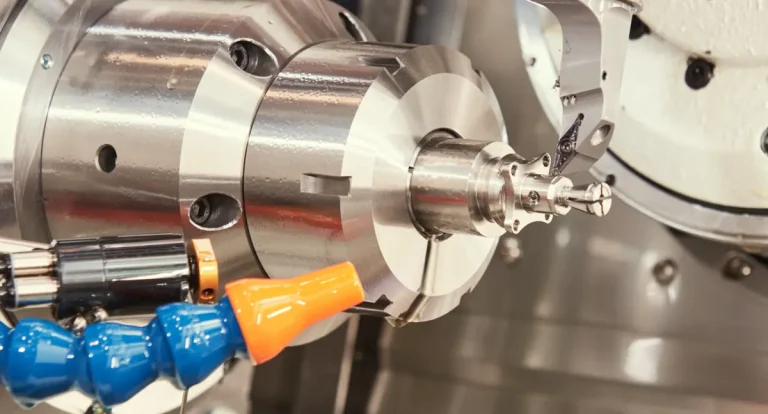
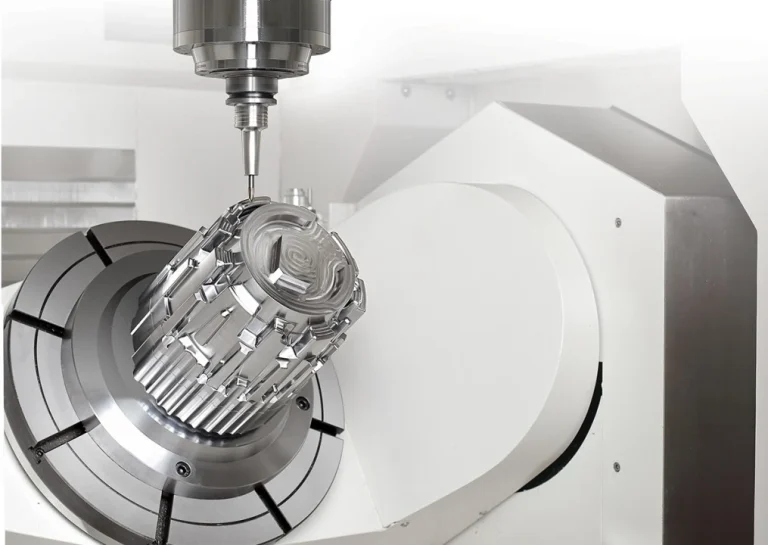
CNC stands for Computer Numerical Control, and it marks a fundamental shift in the way machining is performed. Instead of relying on hand-operated tools, CNC uses coded instructions to guide every step of the process. Programmed commands define movements, spindle speeds, and tool paths, eliminating guesswork and delivering a level of precision that manual setups cannot match.

What Is Die Casting, Its Types, and Applications?

What Is Die Casting, Its Types, and Applications?

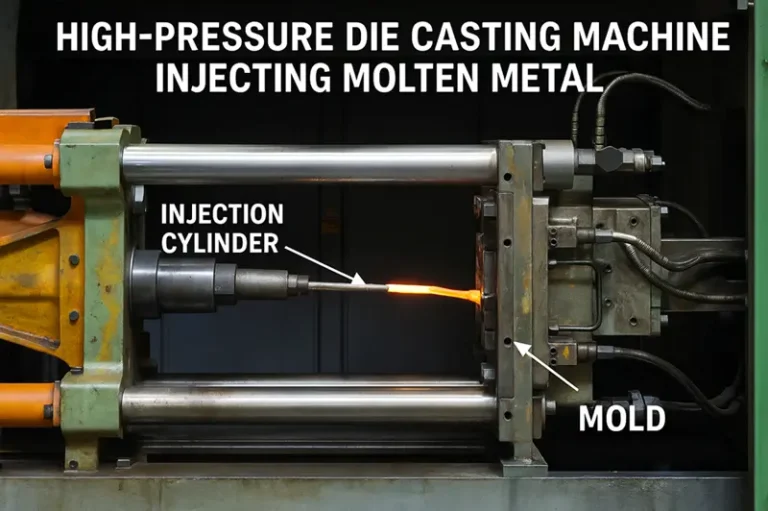
The manufacturing die casting process forces molten metal into steel molds under high pressure to produce accurate, robust parts. It’s ideal for components with complex shapes, consistent finishes, and high quality. Aluminum and zinc are the most common die-cast metals for industries like robotics, automotive, power tools,medical devices,aerospace, and industrial equipment.

End of content

End of content