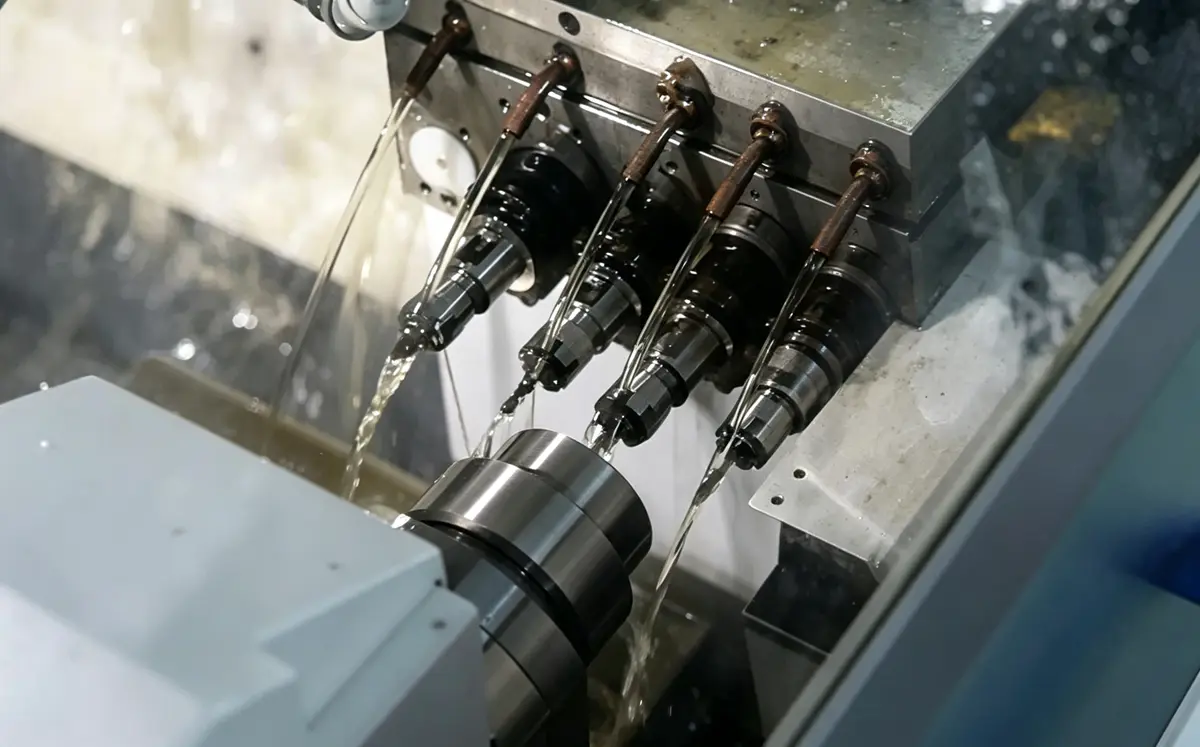

Titanium machining uses CNC equipment, but it needs a different process plan because heat and tool condition can change quickly at the cut. A titanium part with ordinary-looking pockets, holes, or thin features may need more setup control and inspection than the same geometry in an easier-cutting material.
The buyer’s job is to define the titanium grade, functional features, and acceptance requirements before quoting. Those inputs let the manufacturer plan cutting access, workholding, toolpaths, and measurement around the part’s real risk instead of treating titanium as a routine material substitution.
What Changes When You Machine Titanium?
Titanium changes the cutting environment, even when the CNC machine and basic operation stay familiar. The material’s heat behavior, tool interaction, and tendency to spring back can affect tool life, surface condition, and dimensional control.
Heat at the Cutting Edge
Titanium transfers cutting heat away from the tool edge slowly, so the cutting zone can carry a high thermal load. This condition accelerates wear when the process does not remove heat and chips effectively. It also makes a long, uninterrupted toolpath more sensitive to tool condition than a similar aluminum operation.
Tool Condition and Cutting Engagement
Titanium can adhere to a cutting edge at elevated temperature. As the edge wears or begins rubbing instead of shearing cleanly, heat rises and the machined surface can change before inspection detects a dimensional or surface change.
The process plan should therefore define a suitable cutting tool, engagement strategy, and tool-monitoring response for the specified grade and feature. A general-purpose tool choice or a copied program may not fit a titanium part’s pocket depth, wall thickness, or required finish.
Workholding and Part Deflection
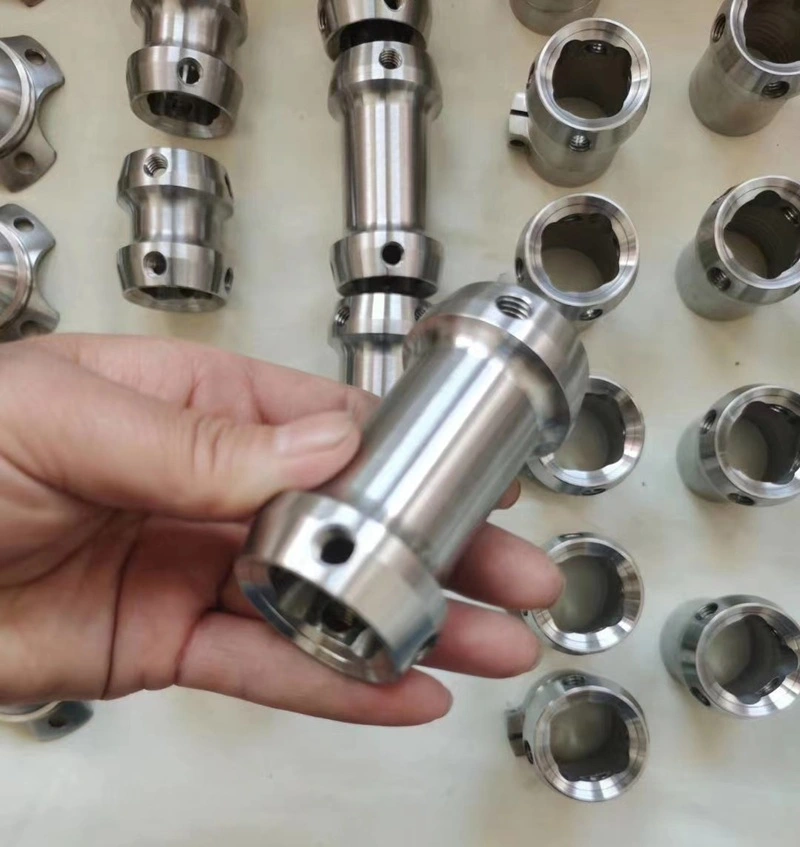
Titanium has enough elastic spring-back to make part rigidity and fixture support important. Thin walls, long unsupported features, and long tool reach can increase vibration or deflection risk, which may affect surface finish and feature location. The drawing should identify the faces or dimensions that control function so the manufacturer can choose a clamp strategy and machining order that protect those features instead of applying the tightest tolerance across the entire part.
How Does Titanium Change the CNC Process Plan?
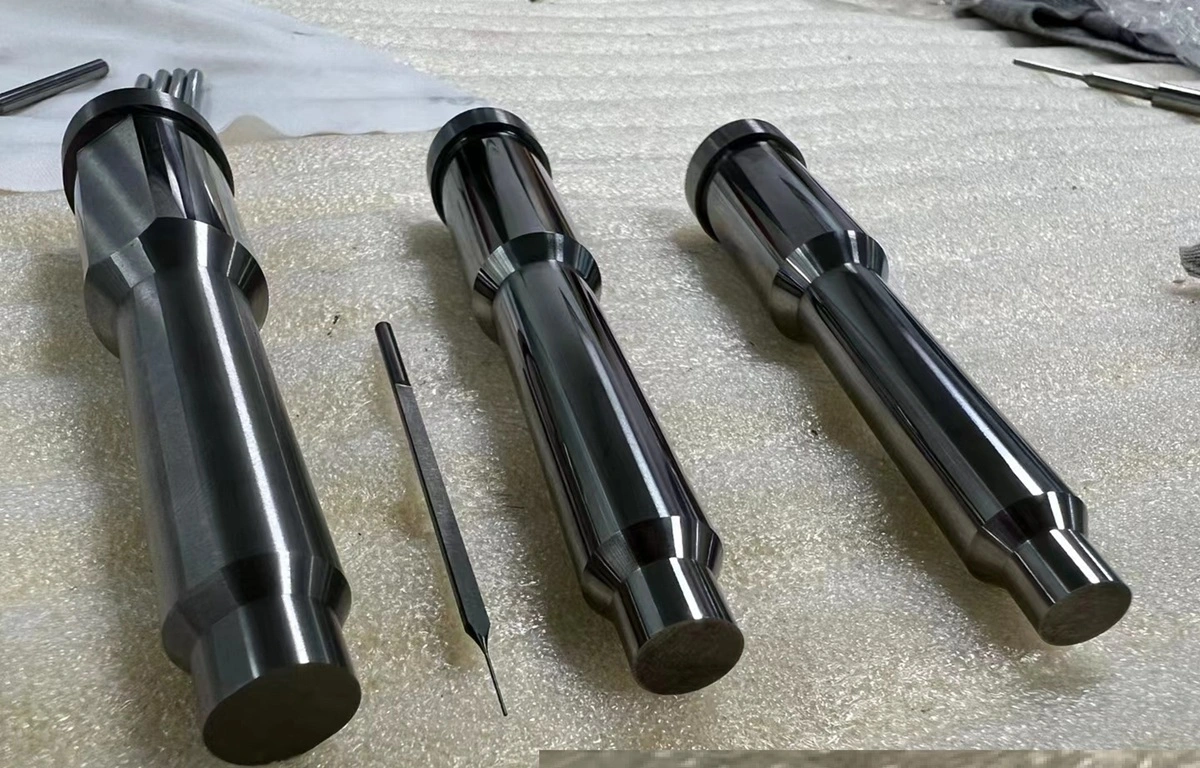
Titanium machining is a controlled sequence of material removal, not a separate CNC machine category. The process plan must keep the cutter engaged as intended, keep the part stable, and give the tool access without turning every surface into a long-reach operation.
Toolpaths and Chip Control
Titanium toolpaths need to control cutter engagement and the point where heat develops. A supplier should select the path, cutting parameters, and tool changes for the titanium grade, stock form, and feature geometry, then adjust the process if tool condition or measured dimensions show drift. The listed CNC machining capabilities provide a useful starting point for comparing a supplier’s process range with the part’s access and inspection needs.
This is why a supplier cannot quote titanium machining from material volume alone. Two parts with the same mass can require different cycle time when one has deep internal corners, narrow ribs, blind holes, or a finish-critical sealing face.
Setup Strategy and Access
Reducing unnecessary re-clamping can help control feature-to-feature alignment on a complex titanium part. A multi-axis setup may be useful when it gives the cutter better access or avoids a long tool, but a simple part does not automatically require 5-axis machining. Flat parts with accessible features may suit a simpler setup, while compound angles, multiple critical faces, or difficult reach can justify more programming and fixture planning. 5-axis CNC machining is most useful when the extra axes resolve a real access or setup-control problem.
Part Features That Need Early DFM Review
Early DFM review matters most when the drawing combines titanium with features that increase heat, tool reach, or deflection. The review should resolve these points before the quote becomes a production commitment:
- Thin walls and narrow ribs: Confirm which walls control function and whether the drawing allows a practical machining sequence.
- Deep pockets and internal corners: Set usable corner radii and identify any surface that needs a controlled finish.
- Small holes and threads: State the thread form, depth, and gaging requirement, especially when the feature affects assembly.
- Tight tolerances: Apply tight limits to functional features, datums, fits, and sealing surfaces rather than using one global tolerance.
Why Does Titanium Machining Cost More?
Titanium machining often costs more because the supplier must manage more than material removal. Tool wear, cycle time, setup stability, and inspection effort can all increase when the part needs close control.
| Decision field | Routine CNC material with accessible features | Titanium machining consideration | Buyer action |
|---|---|---|---|
| Cutting heat | Heat is easier to move away from the cut. | More heat can remain near the tool edge, so the process needs closer control. | Identify finish-critical and tolerance-critical features. |
| Tool condition | Standard tool-life assumptions may be adequate for a simple operation. | Edge wear and adhesion can change the cut sooner. | Ask how the supplier will monitor tools and verify critical features. |
| Part stiffness | A simple fixture may hold a rigid part reliably. | Thin or long titanium features can deflect or vibrate during machining. | Mark the functional faces and allow a DFM discussion on clamp access. |
| Setup access | The supplier can machine a part from one or two accessible directions. | Complex geometry may need a different setup strategy to keep the tool short and stable. | Provide the CAD model with the released drawing. |
| Acceptance evidence | Visual checks may be sufficient for noncritical features. | Critical fits, threads, datums, and finishes may need defined measurement methods. | State the required report, gages, and approval points in the RFQ. |
Material price still matters, but it does not explain the full quote. A clear drawing and DFM review can help the buyer avoid paying for an unnecessarily tight feature, an inaccessible corner, or an inspection requirement the buyer did not define before machining starts.
What Should You Verify Before Sourcing Titanium CNC Parts?
A buyer should verify the grade, functional requirements, and process evidence that matter to the finished part. The goal is to make the titanium machining plan reviewable before production, not to request the maximum level of control for every feature.
Material Grade and Functional Requirements
The drawing should state the titanium grade and any required material condition. Grade selection changes both part performance and machinability, so a generic “titanium” callout leaves too much for a quote-stage assumption. The comparison of Grade 2 and Grade 5 titanium helps frame this material-selection decision before the quote.
The drawing should also identify critical datums, mating features, threads, surface-finish callouts, and any feature where a small deviation can affect the assembly. This information gives the manufacturer a basis for selecting the machining order and the measurement plan.
Inspection Requirements
Inspection should match the feature risk. A buyer may need a dimensional report, material record, surface-finish measurement, thread gaging, or a first article inspection, but each requirement should tie to a drawing feature or release decision. For a new titanium component, decide which results need approval before the supplier machines the remaining quantity, rather than issuing a vague request for “full inspection” that neither party can evaluate consistently.
Supplier Process Controls
A titanium supplier should be able to explain its DFM review, fixture approach, tool-condition checks, and measurement plan against the part drawing. Rollyu Precision supports CNC machining of titanium and other listed engineering materials, but both parties should confirm the exact grade, geometry, and documentation scope before production.
Buyers should use that discussion to identify which features drive tool access, fixture support, and inspection effort. The quote should describe those part-specific controls rather than rely on generic titanium-capability language.
If the titanium component is for a regulated device, the supplier discussion should also cover the applicable medical device manufacturing requirements and the records the buyer needs for that project.
Frequently Asked Questions
Is Grade 5 Titanium More Difficult to Machine Than Grade 2 Titanium?
Grade 5 titanium can require a different machining plan than Grade 2 titanium because alloy composition and material condition affect machinability. The drawing should name the grade and condition rather than using a generic titanium callout. Confirm the selected material against the part’s functional requirements before quoting.
When Does a Titanium Part Need 5-Axis CNC Machining?
A titanium part needs 5-axis CNC machining when its geometry, feature access, or setup-control need justifies the added programming and machine time. Simple parts with accessible features may be more economical on 3-axis or 4-axis equipment. Complex access can justify a multi-axis setup that reduces repeated setups and allows a shorter, more rigid cutting approach.
When Should a Buyer Request a First Article Inspection for a Titanium Part?
Request first article inspection when a new or changed titanium process must prove material, dimensions, finish, or documentation before production release. The report should connect measured features to the released drawing and the intended manufacturing route. A first article inspection checklist can help define the records and approval point before the first production run.