
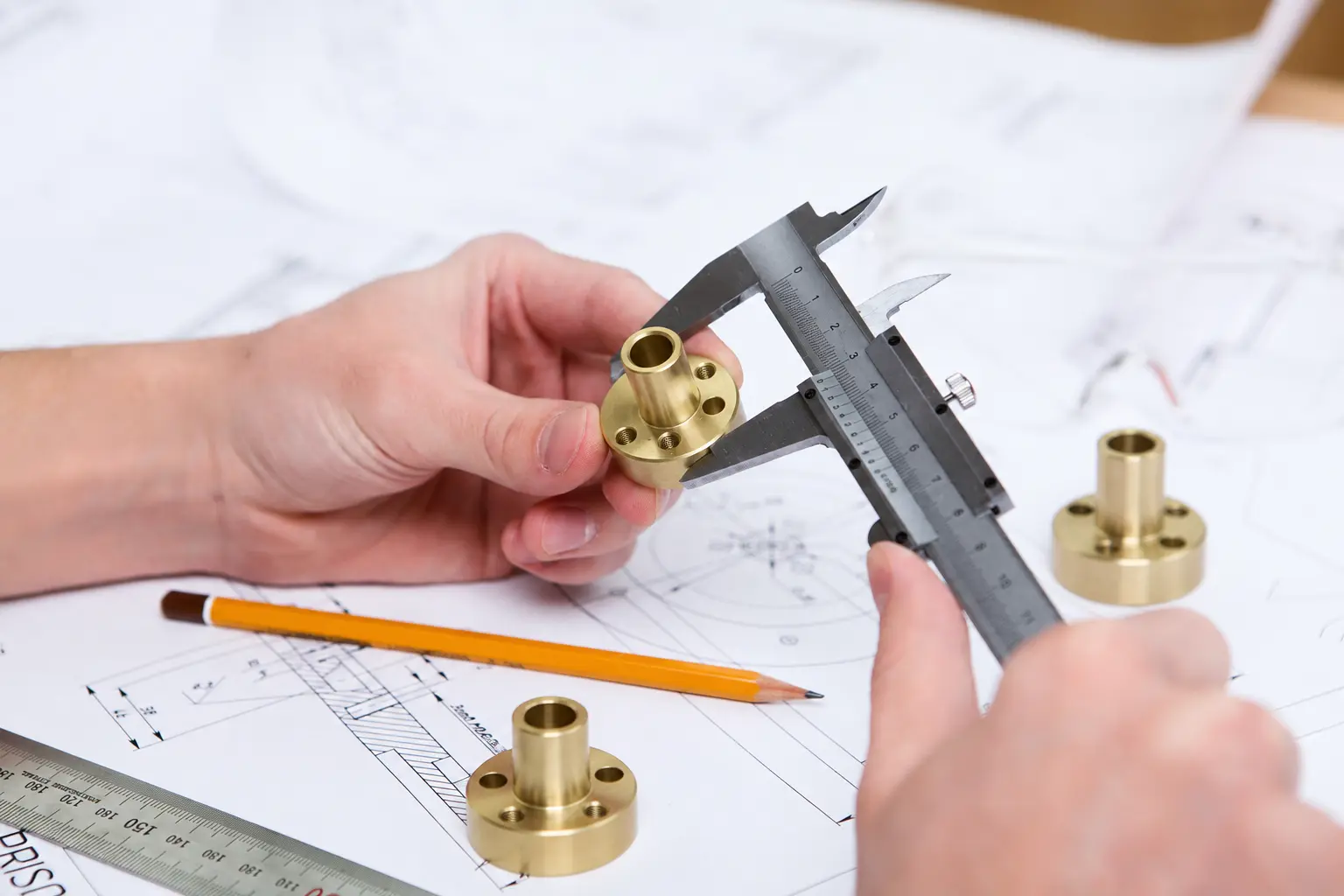

Copper alloys used for CNC production are often selected for their fast cutting speeds, efficient chip control, and consistent machining quality. Among them, brass remains a common choice for fittings, electrical hardware, valves, and decorative industrial components.
What Is Brass
Brass is a copper-zinc alloy used for industrial hardware, fluid system components, electrical parts, and decorative metal products. By adjusting the zinc percentage and alloy composition, manufacturers can balance strength, ductility, corrosion behavior, color tone, and forming characteristics for different production requirements.
Common Copper-Zinc Alloy Types
Copper-rich alloys are often selected for improved corrosion resistance and forming capability, while higher-zinc materials generally provide increased hardness and structural strength. Different alloy formulations are developed for applications ranging from electrical hardware to industrial fittings and architectural components.
Machinable Grades Used in Manufacturing
Several grades are widely used for precision metal component production. C36000 free-cutting alloy is known for high production efficiency and stable chip control, while C260 cartridge alloy is commonly used where forming and bending performance are important. Lead-free materials are also increasingly used for regulated applications involving drinking water systems and environmental compliance requirements.
Why Is Brass Easy to Machine
Brass is widely recognized as one of the easiest engineering metals to machine because it cuts cleanly, forms manageable chips, and causes relatively low tool wear during CNC operations.
Low Cutting Resistance
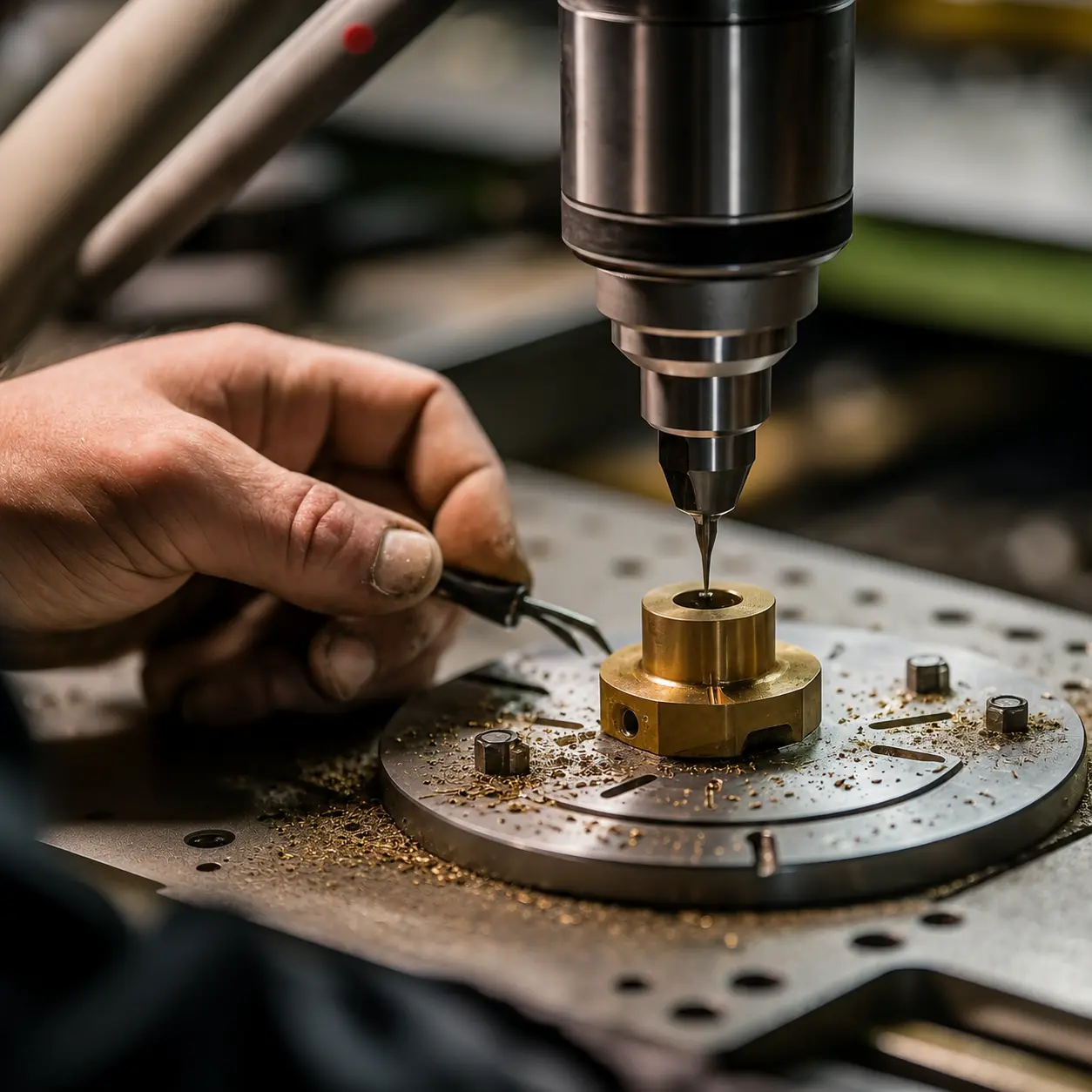
Brass produces smooth and consistent cutting performance during CNC turning, milling, and drilling operations. The material generates lower cutting force than many steels and harder copper alloys, allowing manufacturers to use faster spindle speeds while maintaining stable dimensional accuracy and clean surface finishes.
Excellent Chip Formation
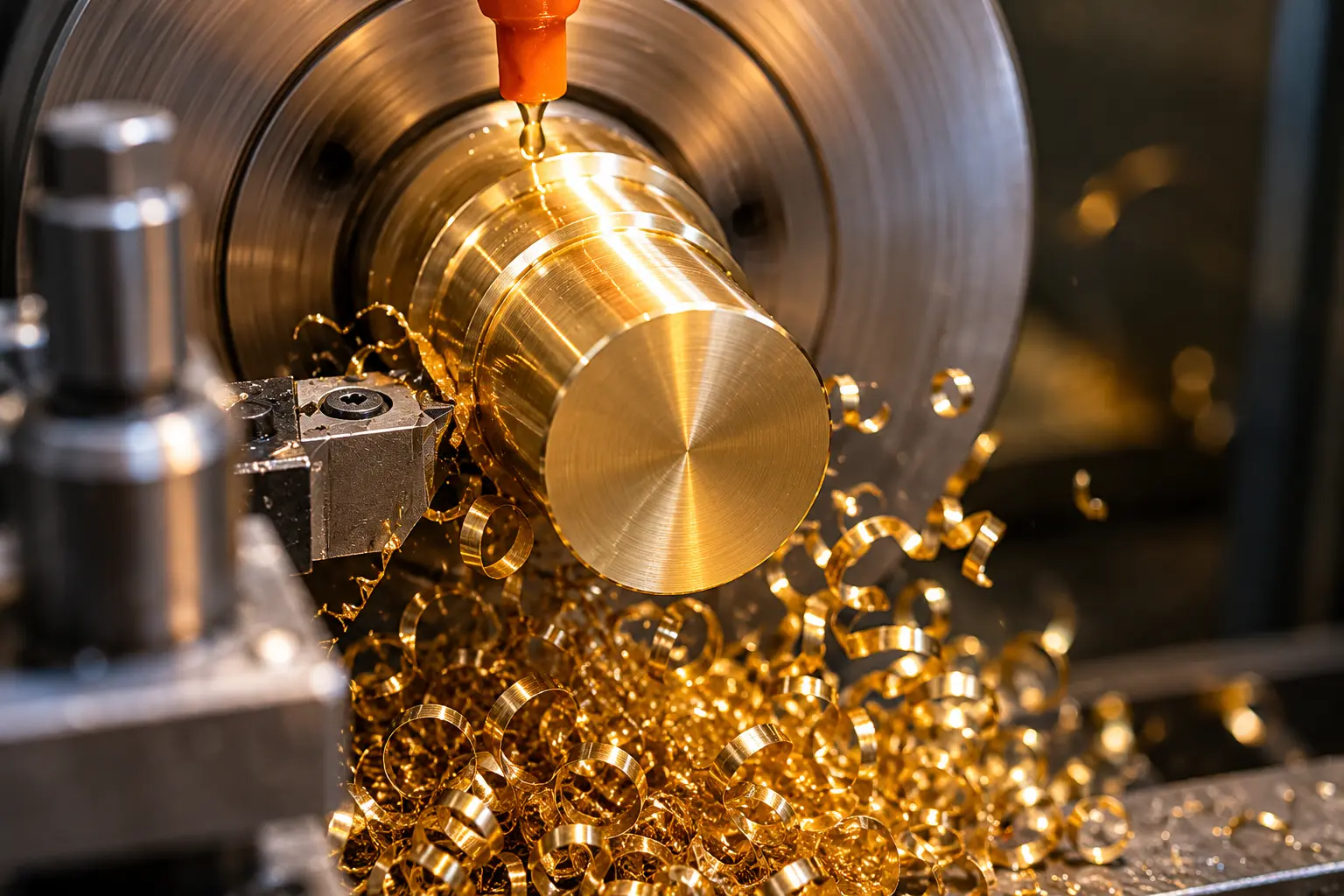
One of the main advantages of machining brass is its excellent chip formation behavior. Brass typically produces short chips that break away cleanly during cutting, helping improve chip evacuation and reduce material buildup around the cutting area. This also helps minimize tool clogging during high-speed machining operations.
Reduced Tool Wear
Brass machining generates relatively low friction and stable cutting conditions, which helps reduce tool wear during production. Longer tool life and more consistent cutting performance allow manufacturers to improve machining stability, reduce downtime, and increase overall production efficiency in high-volume CNC machining projects.
Brass CNC Machining Processes
Copper-zinc alloys are widely used for precision CNC production because they support fast cycle times, reliable dimensional control, and efficient large-batch manufacturing.
CNC Turning for Brass Parts
CNC turning is commonly used to manufacture brass fittings, threaded parts, pins, inserts, and cylindrical precision components. Because brass cuts smoothly at high spindle speeds, turning operations can produce clean edges, accurate diameters, and consistent thread quality with minimal burr formation.
Milling Flat Features and Slots
CNC milling is suitable for producing flat surfaces, pockets, slots, and precision geometries in brass components. The stable cutting behavior of brass helps maintain dimensional consistency and clean surface finishes during complex milling operations, especially for precision industrial and electrical parts.
Drilling and Threading
Brass performs well in drilling and threading operations because the material supports accurate hole formation and consistent thread quality during high-speed production. These characteristics make brass suitable for connector applications, threaded fittings, electrical hardware, and precision assembly components requiring accurate hole positioning and reliable thread engagement.
Common Brass Grades for Machining
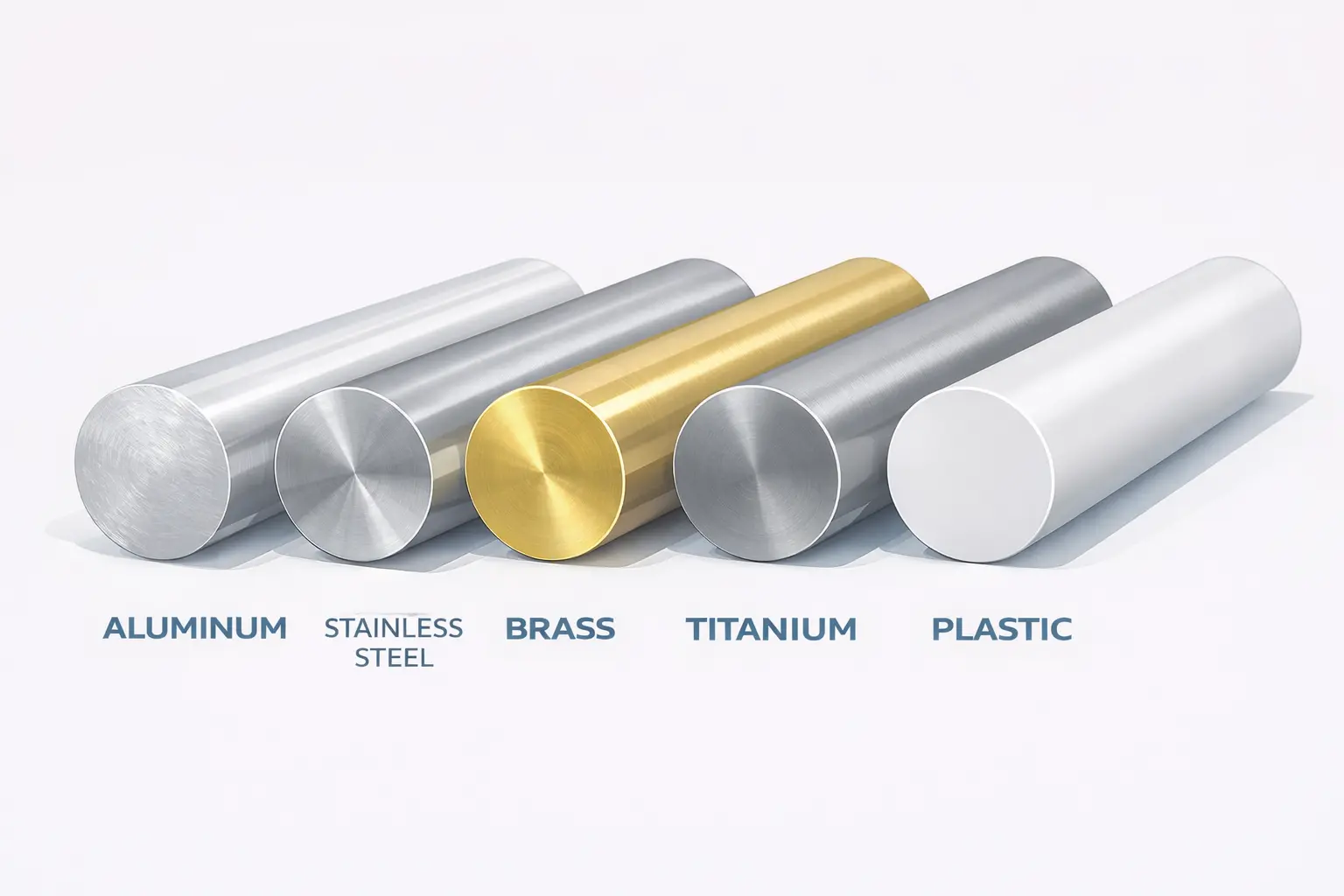
Each copper-zinc alloy grade is developed for different manufacturing and performance requirements, including forming behavior, structural strength, production speed, and regulatory compliance. Selecting the right brass grade depends on the functional requirements, operating environment, and manufacturing needs of the component.
C360 Free-Cutting Brass
C36000 free-cutting brass is one of the most widely used brass alloys for CNC machining because of its exceptional machinability and stable cutting performance. The alloy is known for producing clean chip formation, low cutting resistance, and excellent surface finishes during high-speed machining operations.
Because of these properties, C360 brass is commonly used for precision fittings, threaded components, valves, inserts, fasteners, and high-volume industrial parts requiring efficient production and tight dimensional control.
C260 Cartridge Brass
C260 cartridge brass contains a higher copper content than many standard brass alloys, giving it good ductility, corrosion resistance, and forming capability. The alloy is often selected for components that require bending, forming, or decorative appearance while maintaining stable mechanical performance.
Its balanced material properties make C260 brass suitable for electrical hardware, architectural components, and formed precision parts.
Lead-Free Brass Alloys
Lead-free brass alloys are commonly used for applications requiring drinking water safety, environmental compliance, and reduced lead content. These alloys are often selected for plumbing hardware, fluid control systems, and regulated industrial components that must meet RoHS or other environmental standards.
Compared with traditional free-cutting brass, some lead-free brass materials may produce slightly higher cutting resistance during machining, but they remain widely used for precision CNC brass parts in regulated industries.
Common Applications of Brass Machined Parts
Machined copper-alloy components are widely used across electrical, plumbing, industrial, and decorative industries because they combine efficient production capability with reliable long-term service performance.
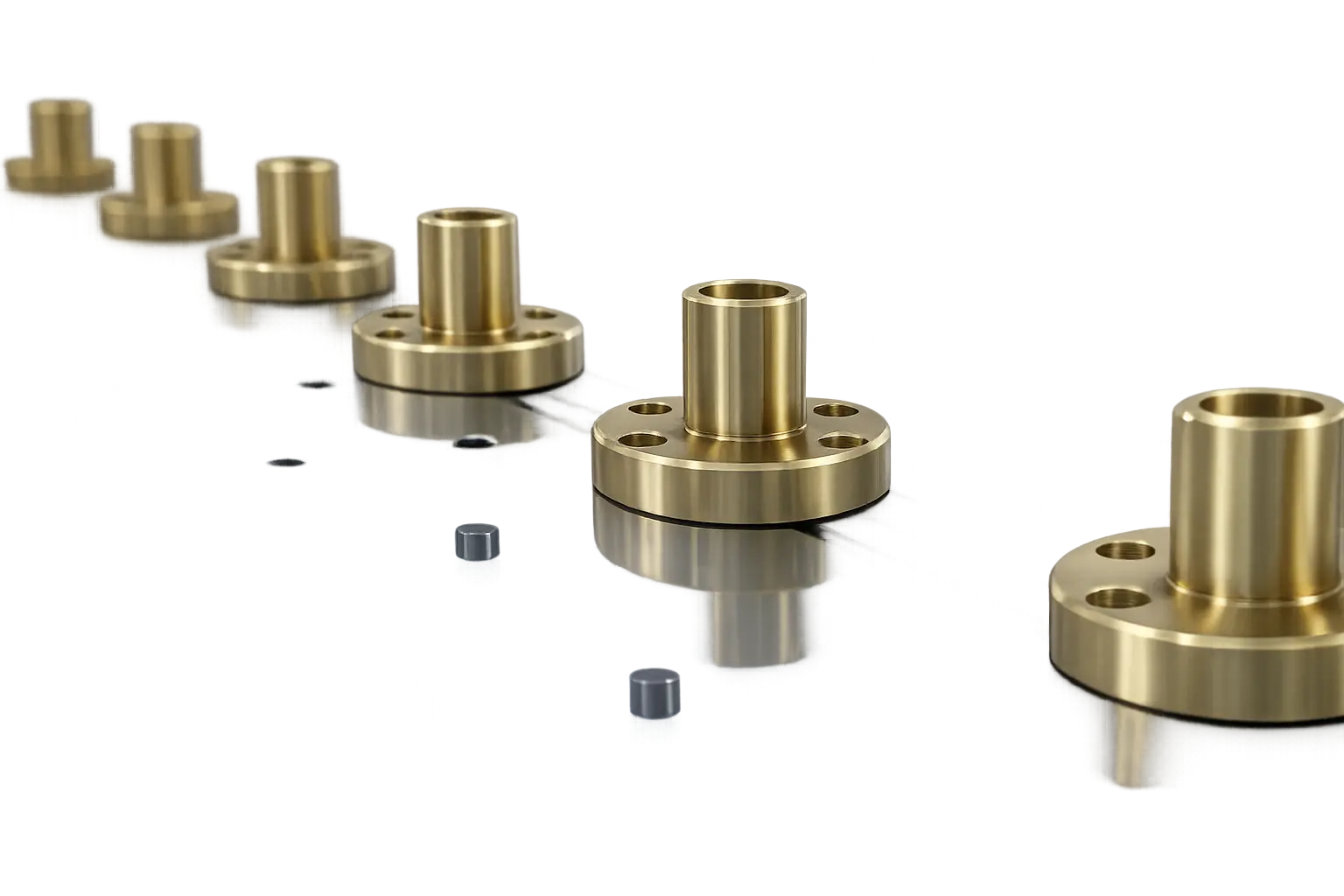
Brass Electrical Connectors
Brass is commonly used for electrical connectors, terminals, contact pins, and conductive hardware because of its reliable electrical conductivity and stable dimensional performance. Precision brass components are widely used in communication equipment, power systems, and industrial electrical assemblies.
Brass Valves and Pipe Fittings
Brass valves, pipe fittings, adapters, and fluid control components are widely used in plumbing, pneumatic, and industrial fluid systems. The material offers good corrosion resistance and reliable sealing performance in applications involving water, air, and low-pressure fluid transfer.
Precision Brass Hardware
Industrial brass hardware includes threaded inserts, spacers, bushings, fasteners, and small mechanical assembly components requiring accurate fit and repeatable production quality. Brass is often selected for high-volume precision hardware because it supports efficient CNC turning and threading operations.
Decorative and Architectural Components
Brass is also widely used for decorative and architectural components because of its gold-like appearance and surface finishing versatility. Common applications include handles, knobs, trim parts, lighting hardware, and custom decorative fittings used in commercial and interior design projects.
Surface Finish and Appearance Control
Brass components are often selected not only for functional performance but also for their visual appearance. Surface condition, oxidation behavior, and finishing methods can all affect the final color and cosmetic quality of machined brass parts.
How to Keep Brass Color During Machining
Maintaining the original brass color during machining requires proper cutting conditions, coolant control, and surface handling. Excessive cutting heat, surface contamination, or improper storage can darken the material surface and affect appearance consistency.
Manufacturers often use stable cutting parameters, clean tooling conditions, and controlled post-machining handling to reduce discoloration and preserve the bright metallic appearance of brass components.
Does Brass Tarnish Over Time
Yes. Brass can gradually tarnish when exposed to moisture, oxygen, fingerprints, or industrial environments. Over time, the surface may become darker or develop oxidation marks depending on the surrounding conditions and alloy composition.
Some applications intentionally allow natural aging for decorative appearance, while others use polishing, protective coatings, or surface treatments to maintain a brighter finish for longer periods.
Cleaning and Polishing Brass Parts
Brass parts can be cleaned using mild polishing compounds, soft cloths, or non-abrasive cleaning solutions designed for copper alloys. Surface polishing is commonly used to improve brightness, remove oxidation marks, and maintain cosmetic appearance on decorative or visible components.
For industrial brass hardware and precision machined parts, proper cleaning also helps reduce surface contamination before assembly, plating, coating, or quality inspection.
Challenges in Brass Machining
Although brass supports efficient CNC production, certain manufacturing challenges can still affect dimensional consistency, cosmetic appearance, and final part quality, especially for precision or decorative components.
Burr Formation on Thin Features
Small edges, thin walls, and fine threaded areas may still develop minor burrs during aggressive cutting operations. Burr formation becomes more noticeable on miniature parts, narrow slots, and high-speed drilling operations where sharp transitions are present.
Manufacturers often optimize feed rates, cutting edge geometry, and deburring processes to improve edge quality on precision brass components.
Surface Scratches During Handling
Machined brass surfaces can develop scratches or handling marks during transportation, clamping, secondary processing, or assembly. Polished and decorative brass parts are especially sensitive because surface imperfections are more visible under reflective lighting conditions.
Protective packaging, controlled fixture contact, and careful part handling procedures are commonly used to reduce cosmetic damage after machining.
Maintaining Cosmetic Surface Quality
Visible brass components often require consistent color tone, reflective finish, and stable surface texture across production batches. Variations in cutting conditions, oxidation exposure, or post-processing methods can affect final appearance consistency.
For decorative hardware, architectural components, and consumer-facing brass parts, manufacturers may apply polishing, protective coatings, or controlled finishing procedures to maintain uniform visual quality throughout production.
Frequently Asked Questions About Brass Machining
What is the best brass alloy for CNC machining
C36000 free-cutting brass is commonly used for CNC machining because it offers excellent chip control, fast cutting performance, and reliable surface quality in high-volume production.
Is brass magnetic
Most standard brass alloys are non-magnetic because they are primarily made from copper and zinc. However, slight magnetic response may occasionally appear if the alloy contains small amounts of iron or other trace elements.
Does brass rust or corrode
Brass does not rust because it does not contain iron. However, the material can still oxidize or tarnish when exposed to moisture, air, chemicals, or industrial environments over time. Surface discoloration is usually cosmetic and can often be cleaned or polished.
Is brass suitable for precision CNC machining
Yes. Brass is commonly used for precision CNC machining because it supports accurate cutting, clean threading, and stable dimensional consistency. The material is widely used for connectors, fittings, inserts, valves, and precision mechanical hardware.
How do you polish machined brass parts
Machined brass parts are typically polished using non-abrasive polishing compounds, buffing wheels, or soft finishing materials designed for copper alloys. Surface polishing can improve brightness, remove oxidation marks, and enhance cosmetic appearance for decorative or visible brass components.
Does brass turn skin green
Brass can sometimes cause temporary green discoloration on skin because the copper content in the alloy reacts with moisture, sweat, oils, or cosmetics. This reaction is more common in humid environments or when the brass surface is uncoated.
The green color is not usually harmful and can typically be washed off easily. Polished finishes, protective coatings, or plated brass surfaces can help reduce skin discoloration during regular contact.
Conclusion
This material is widely used for CNC production projects that require fast machining speeds, reliable thread quality, and visually consistent metal surfaces. It is commonly selected for fittings, valves, electrical hardware, inserts, and decorative industrial components used across commercial and engineering applications.
Compared with steel and bronze, it is often preferred when manufacturing efficiency, repeatable production quality, and cosmetic appearance are important priorities. At Rollyu Precision, we support custom CNC machining projects from prototype development to large-scale production for industrial, electrical, and hardware components.