

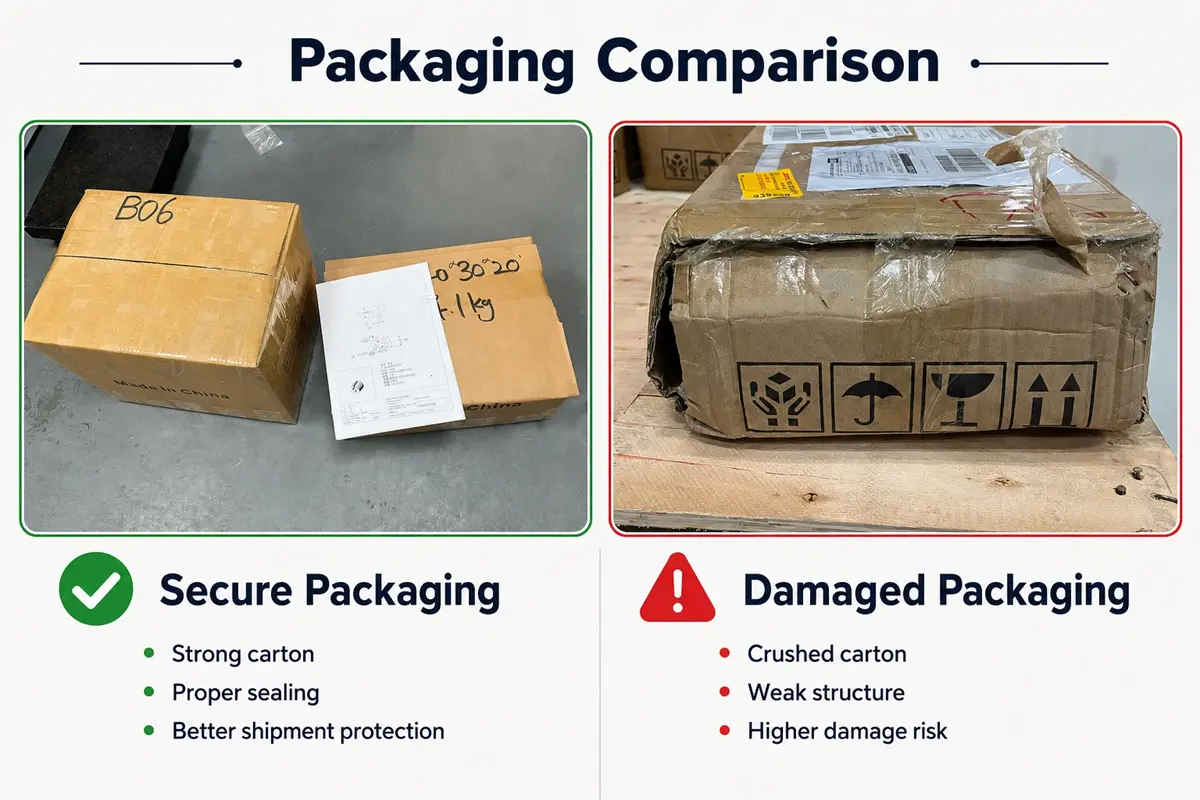
| Quick Answer If precision machined parts pass inspection but arrive rusty, scratched, dented, bent, contaminated or mixed, the packaging process has failed to preserve the inspected condition. Effective CNC machined parts packaging starts with cleaning and drying, then matches corrosion protection, surface separation, thread/feature protection, cushioning, restraint and the outer package to the material, finish, geometry and shipping route. The goal is not more foam or more layers. It is to keep critical dimensions, surfaces and identification unchanged from final inspection to receiving. |
Packaging becomes important when a technically correct part arrives in the wrong condition. A shipment may show rust spots, rub marks on anodized surfaces, dented threads, a shaft that is no longer straight, or mixed part numbers and revisions. The machining may have passed inspection at the factory, but the component is still unusable or requires sorting and rework at receiving.
For mechanical engineers and technical buyers, this is more than a logistics inconvenience. Packaging failures can create incoming-inspection holds, NCRs, rework, replacement shipments and production delays. A precision machining process is only complete when the inspected geometry, surface condition and traceability survive the trip to the customer.
The useful question is therefore not “How much foam is used?” It is whether the packaging method is designed around the actual failure modes of the part: corrosion, surface contact, thread impact, deformation, contamination, movement and identification. That distinction separates a controlled packaging process from a generic shipping routine.
Start With the Failure Mode, Not the Packaging Material
When a shipment repeatedly arrives damaged, the first step is to identify what changed between final inspection and receiving. Rust points to moisture or preservation control. Rub marks point to contact and vibration. Bent shafts point to restraint and load distribution. Dented threads point to exposed features. Mixed revisions point to segregation and traceability. Once the failure mode is clear, the packaging method can be engineered around the part instead of copied from a factory-wide default.
Why CNC Parts Can Arrive Damaged After Passing Final Inspection
Post-shipment failures usually come from a few mechanisms: moisture, surface contact, impact, uncontrolled movement, contamination, part mixing or insufficient outer support. Risk increases with tight fits, sealing faces, cosmetic finishes, slender geometry, heavy mass and long international routes.
An anodized housing may be dimensionally correct but rejected for rub marks. A ground shaft can leave inspection straight and bend after repeated impact. Bare or black-oxide steel can corrode if moisture is trapped before sealing. Plastics, ceramics and plated parts can scratch, chip or deform even when rust is irrelevant.
A mature process links each risk to a defined control and, when required, to evidence such as a packing instruction, packing photos, labels or a final check. That evidence shows packaging is part of production control rather than an improvised shipping-room activity.
| Packaging Failure | Typical Cause | Effective Control |
| Rust / staining | Moisture, trapped cleaning fluid, chloride exposure, insufficient preservation | Clean and dry parts; use a compatible oil, VCI, barrier or desiccant system matched to material, route and end-use. |
| Scratches / rub marks | Part-to-part contact; vibration; dirty cushioning | Keep finished surfaces separated with clean bags, tissue, sleeves, trays or controlled cavities. |
| Thread damage | Impact on external threads; debris in internal threads | Protect exposed threads and edges; keep internal threads and precision bores free of packaging debris. |
| Bent shafts / deformation | Free movement; point loading; stacking load | Use distributed support and restraint so slender parts cannot move freely, point-load or strike the package. |
| Mixed P/N or revision | Inadequate segregation / labeling | Segregate part numbers and revisions; verify part number, revision, quantity, lot and carton identification. |
| Crushed carton | Outer package too weak for mass/distribution route | Match carton, case or pallet structure to mass, dimensions, stacking and handling route; control internal movement. |
What a Controlled CNC Machined Parts Packaging Process Should Look Like
| Delivered-Condition Flow Final Inspection → Cleaning → Drying → Corrosion / Surface Protection → Individual Separation → Critical-Feature Protection → Cushioning & Restraint → Outer Packaging → Identification → Final Packaging Check → Shipment |
A controlled process closes one risk at a time. A strong carton cannot stop two polished parts from rubbing together. A precise foam insert cannot compensate for a wet steel part sealed in a bag. Corrosion protection cannot prevent a long shaft from bending if it is free to move. Each stage therefore needs to preserve a different aspect of the condition already accepted at final inspection.
Final inspection before packaging
Packaging should begin only after required dimensional, visual, quantity and surface-condition checks are complete. Critical threads, fits, sealing faces and cosmetic surfaces should be verified before protective materials hide them. This creates a clear pre-pack condition and helps distinguish machining issues from later handling or transport damage.
Clean and dry the parts
Residual cutting fluid, water, chips and fingerprints can become corrosion or contamination sources. Blind holes, threads and deep bores need extra attention because moisture can remain trapped. Drying and handling should remain compatible with the material, finish and cleanliness requirement.
Select corrosion protection by material and application
For corrosion-prone steels, preservation should follow the finish, storage period, route and end-use. Options can include compatible rust-preventive fluid, VCI, moisture barriers or desiccant. Stainless parts still need clean, dry handling to reduce staining, chloride exposure and free-iron contamination.
Oil should not be treated as the automatic answer. Residue may interfere with bonding, painting, threadlocking, vacuum service, optical systems or cleanliness-sensitive assembly. Where that matters, the allowed preservation method should be defined before production or shipment.
Prevent metal-to-metal contact
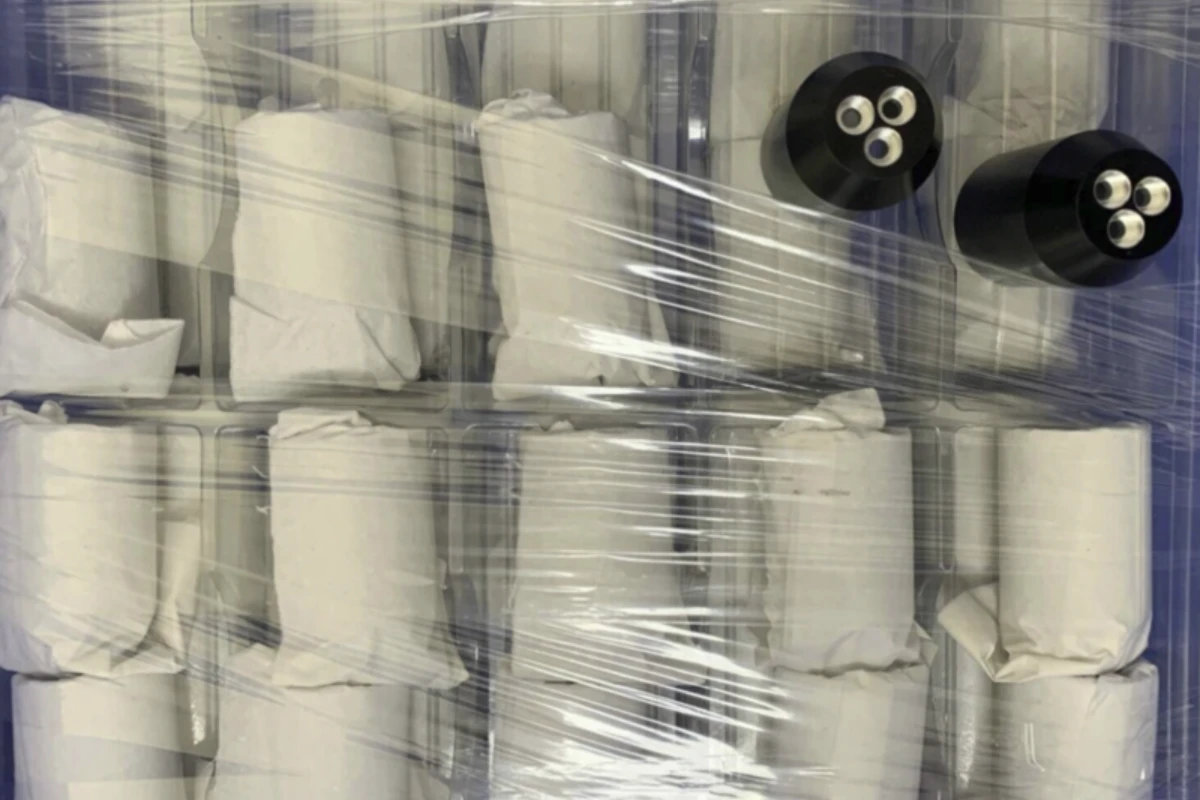
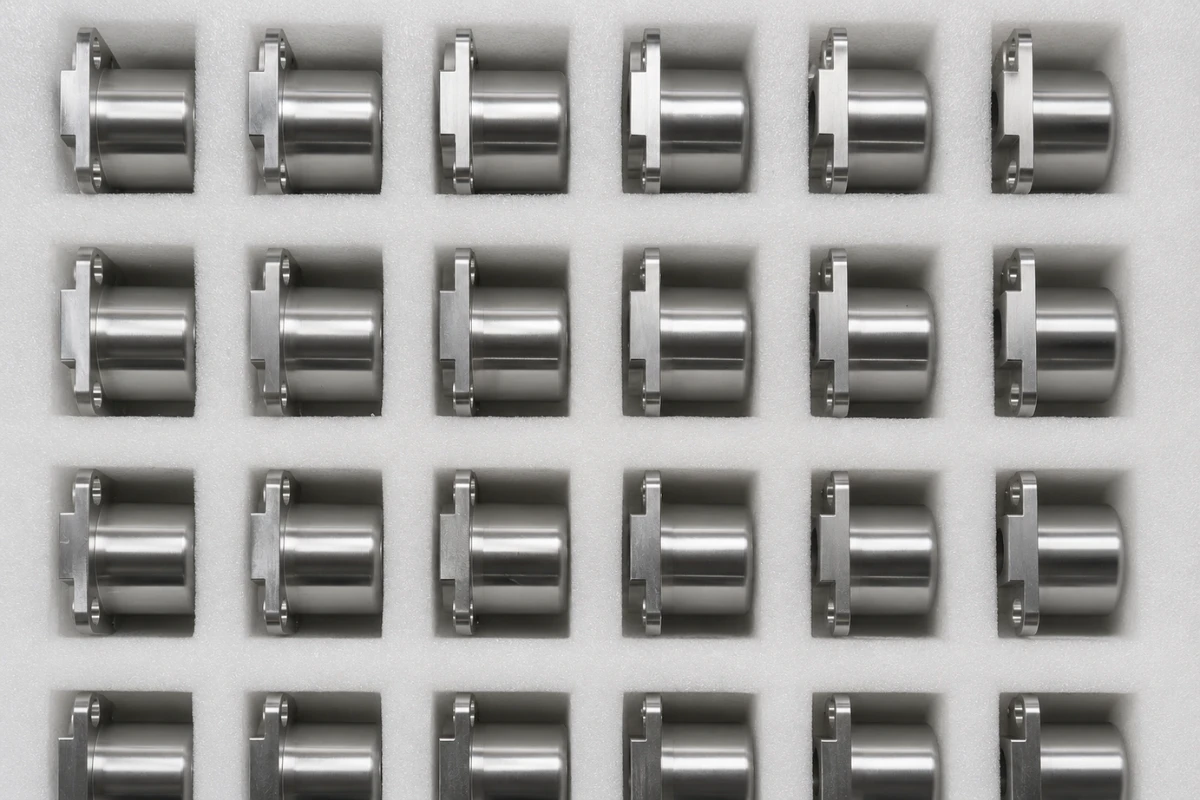
Ground diameters, bearing fits, sealing faces, polished areas and cosmetic finishes should not rub against neighboring parts. Clean bags, tissue, sleeves, trays or controlled cavities can maintain separation and orientation during vibration and handling.
Protect threads, edges and slender geometry
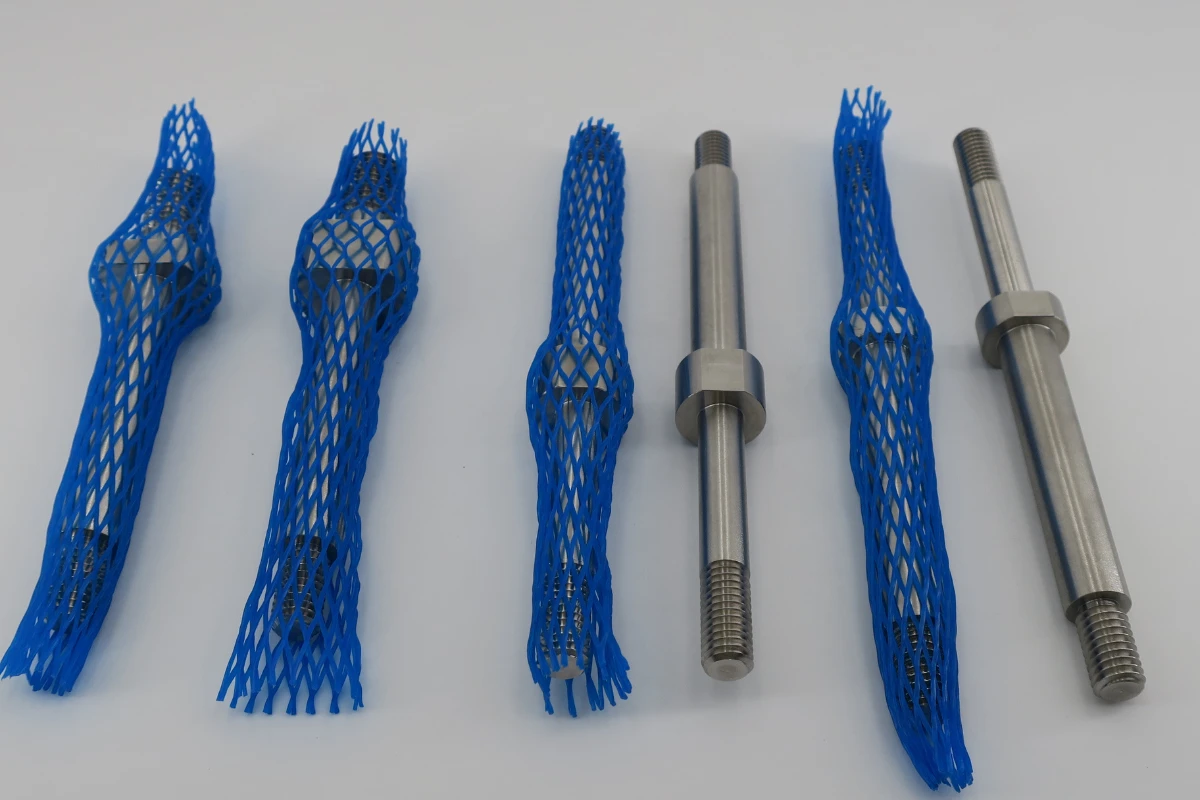
Exposed threads may need caps, sleeves, mesh or a dedicated cavity after final inspection. Internal threads and precision bores should be protected from foam particles, dust and other debris that can create assembly or inspection problems at receiving.
Long shafts, thin-wall tubes and slender pins need support against bending as well as scratching. Large machined plates and sheet-metal parts may need flat support, separators and corner protection so that stacking or handling loads do not distort the geometry.
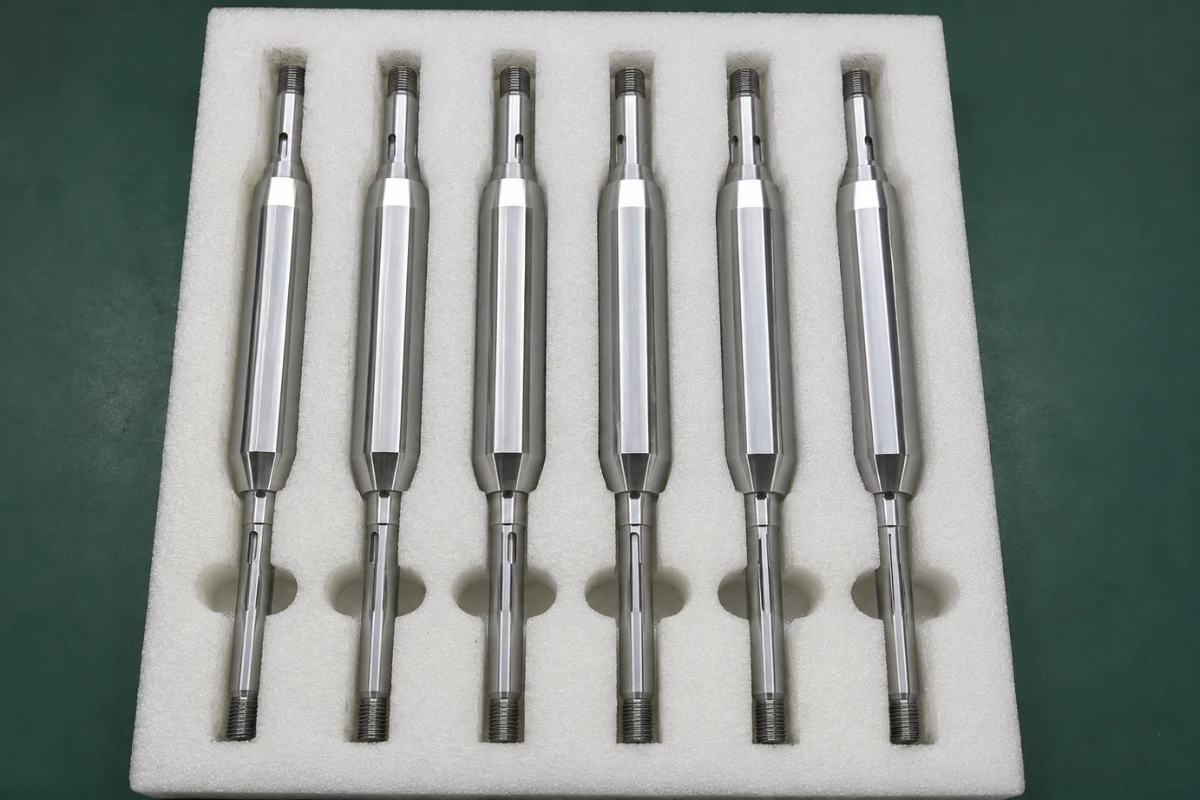
Choose inner cushioning that controls movement
Cushioning should prevent parts from rattling, colliding or striking the carton. Heavy components may need positive restraint and structural support; overly soft or shedding foam can create new movement or contamination risks.
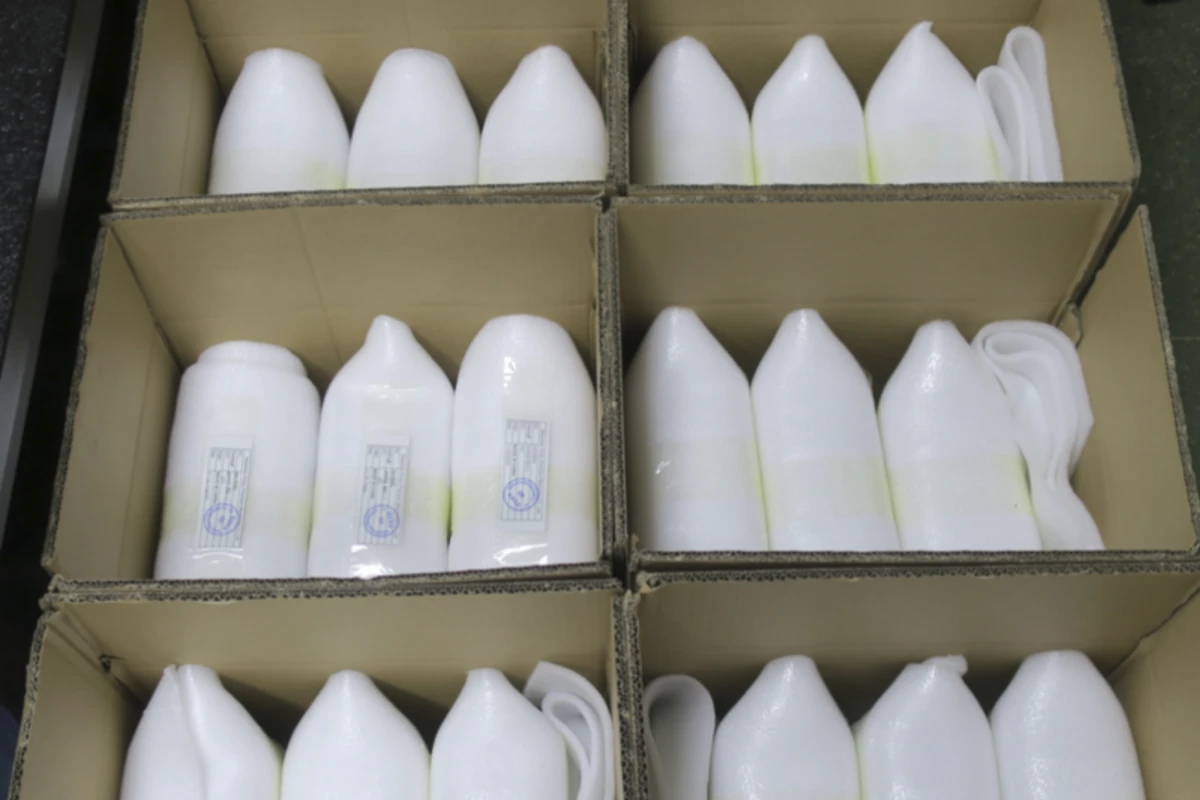
Match the outer package to weight and distribution risk
A corrugated carton is suitable only when the inner pack restrains the load and the outer structure is appropriate for the mass and handling route. Large, heavy, high-value or awkward components may need a rigid case, palletized structure or other engineered support.
International routes may include parcel, air, ocean, pallets and repeated warehouse transfers. ASTM D3951 or ISTA procedures may be relevant when the project invokes them, while wood-packaging requirements such as ISPM 15 depend on actual construction and destination.
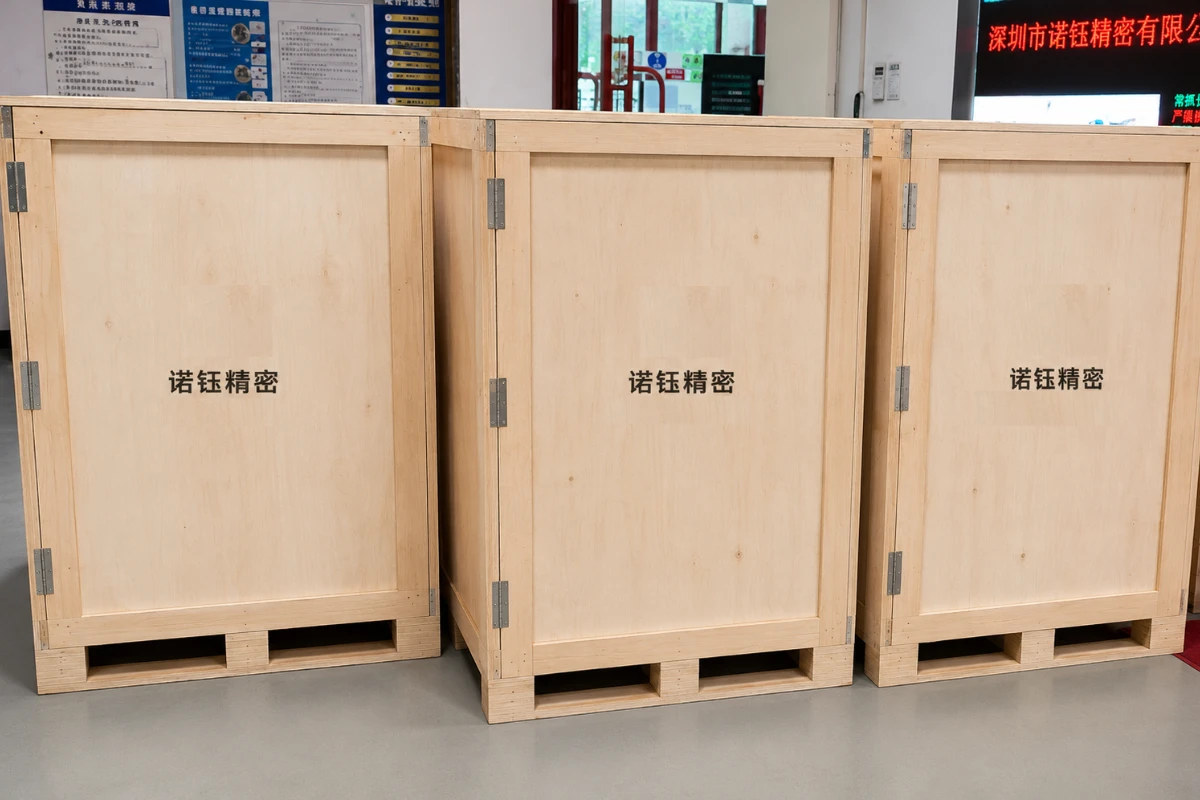
Control identification, labels and documentation
Packaging must preserve traceability as well as the component. Labels may include part number, revision, quantity, PO, lot and carton number, with CoC, material or inspection documents supplied when required. Different part numbers and revisions should remain physically segregated.
Perform a final packaging check
Before shipment, verify restraint, identification, closures, required documentation, outer-package condition and compatibility of preservation materials with cleanliness or downstream-process requirements.
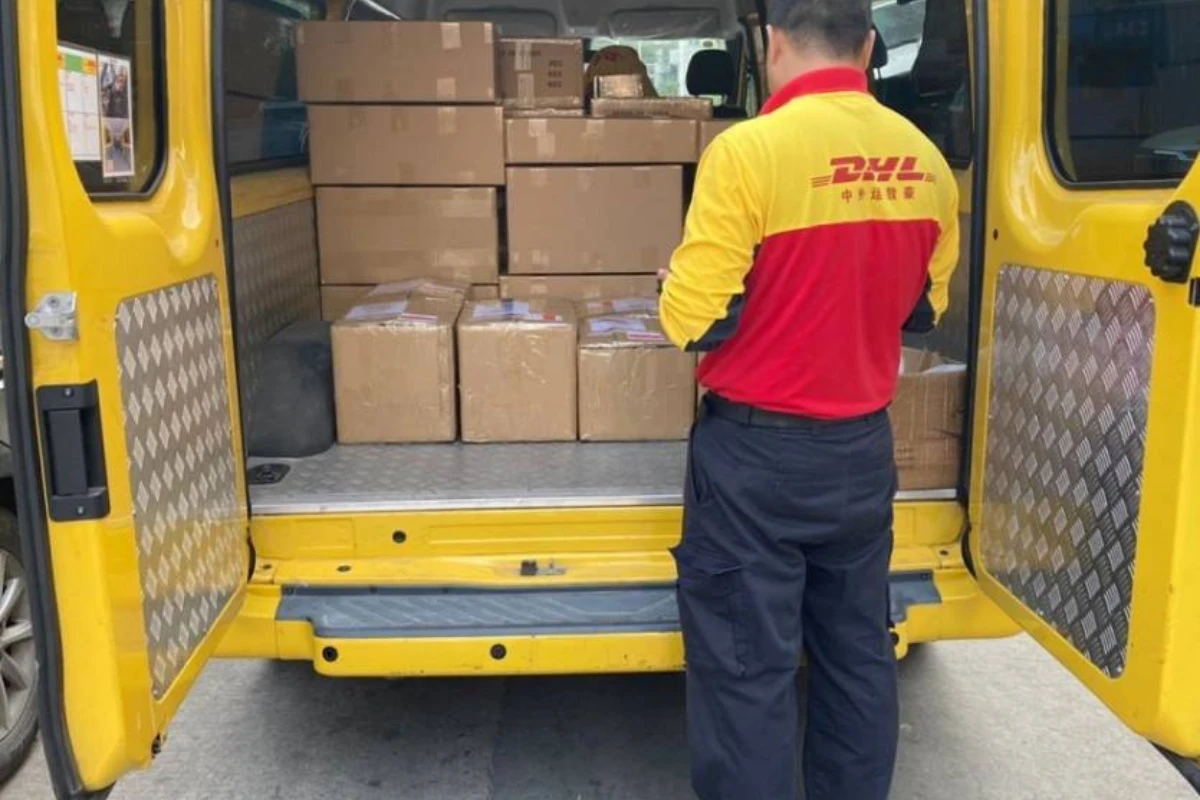
Packaging Should Change With Material, Finish and Geometry
Packaging controls should change with material, finish, geometry, mass, cleanliness, route and storage time.
Anodized and cosmetic aluminum parts
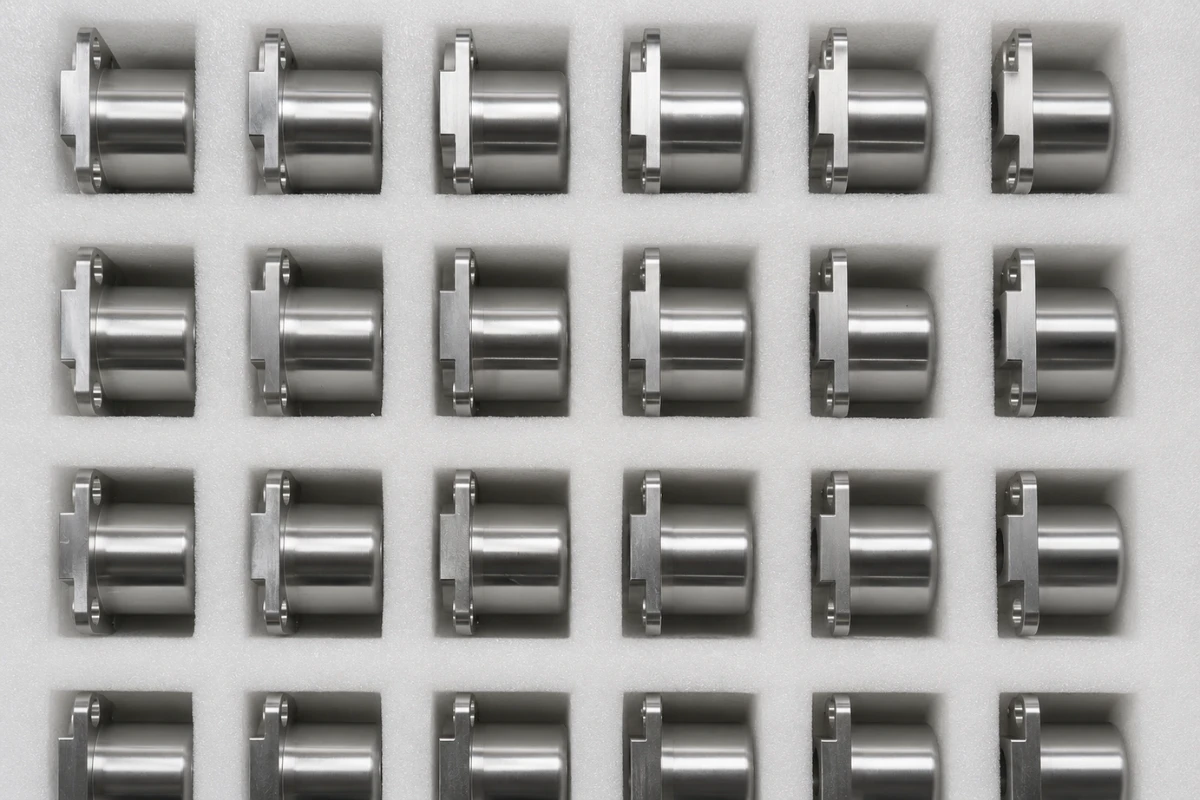
For anodized or cosmetic aluminum, the main risk is often rub marks and edge damage. Clean separation, sleeves, tissue or cavity trays can preserve the finish without unnecessary oil.
Carbon and alloy steel parts
For 1045, 4140, 4340 and similar steels, cleanliness and dryness come first; VCI, barrier materials, desiccant or compatible rust-preventive fluid can then be selected for the route and end-use.
Stainless steel parts
Stainless steel still benefits from clean, dry handling, and polished, passivated or sealing surfaces may need isolation from contact damage.
Plastics and ceramics
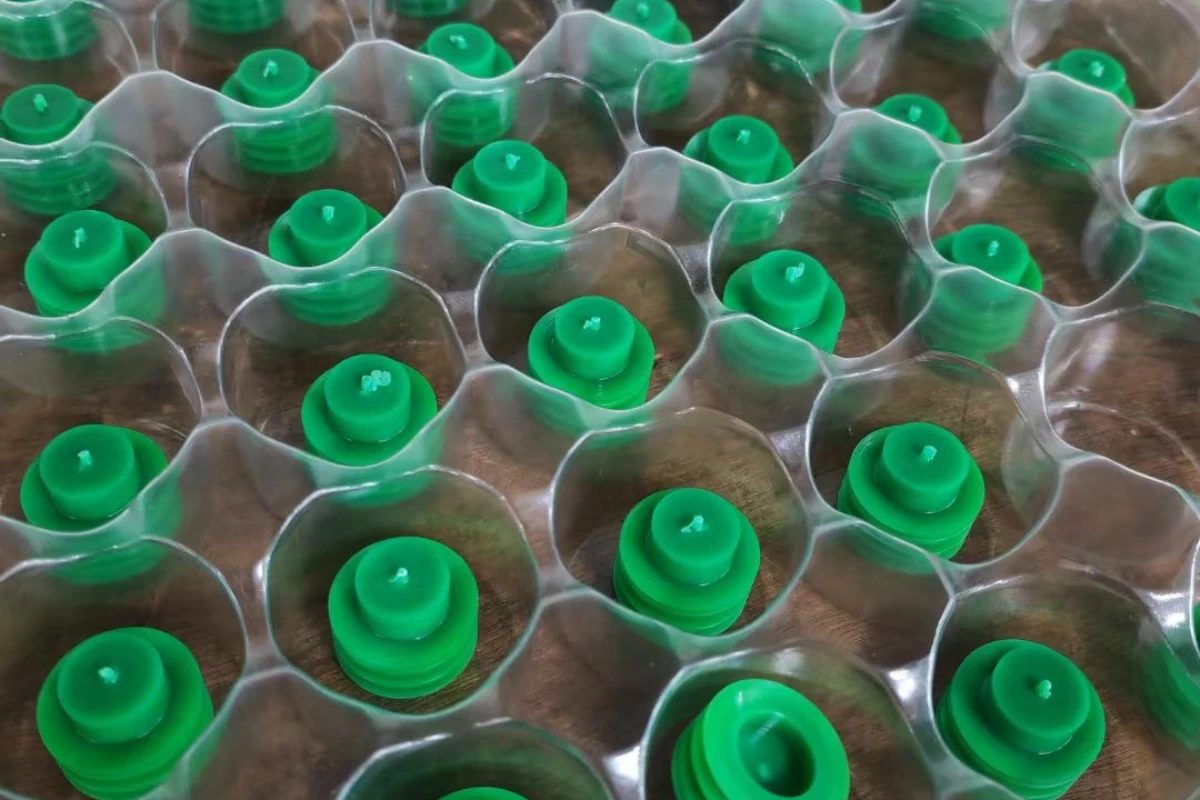
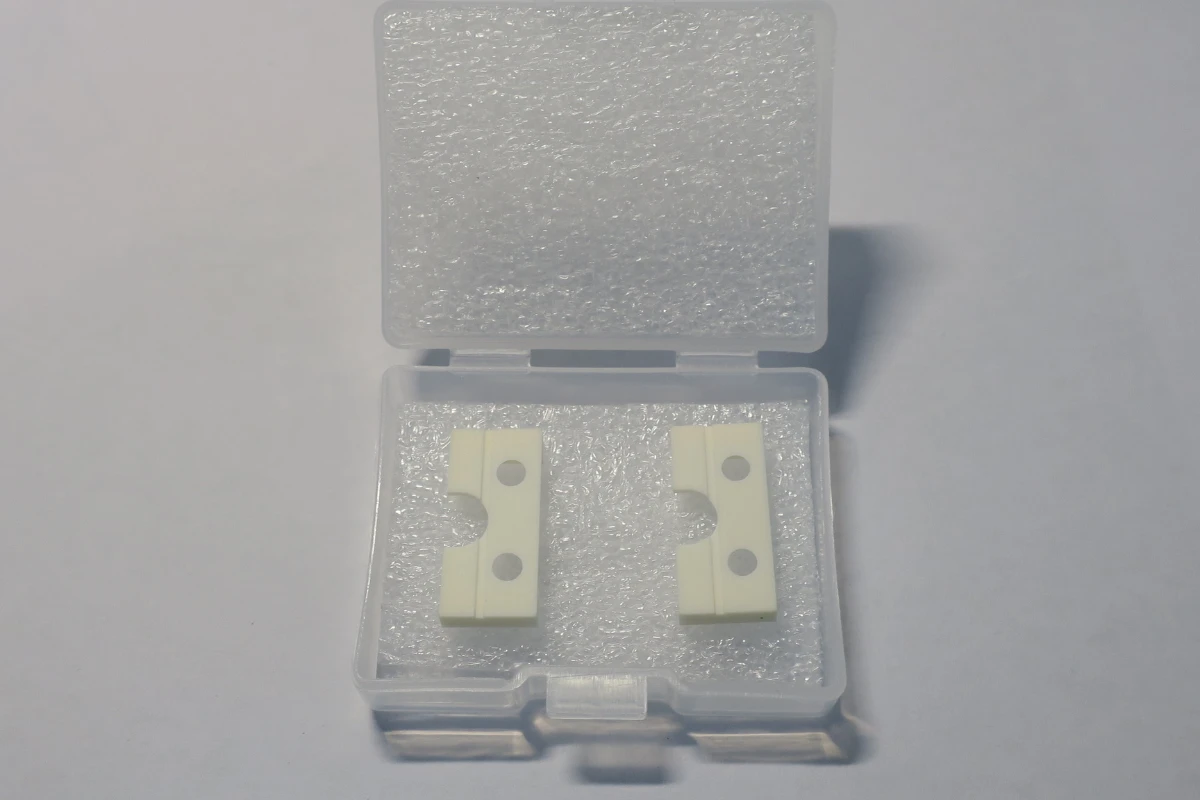
Machined plastics need scratch, deformation and contamination control; oils, solvents and adhesives require compatibility checks. Ceramics need compliant cushioning against chipping, cracking and point loading.
Long shafts, large plates and sheet-metal parts
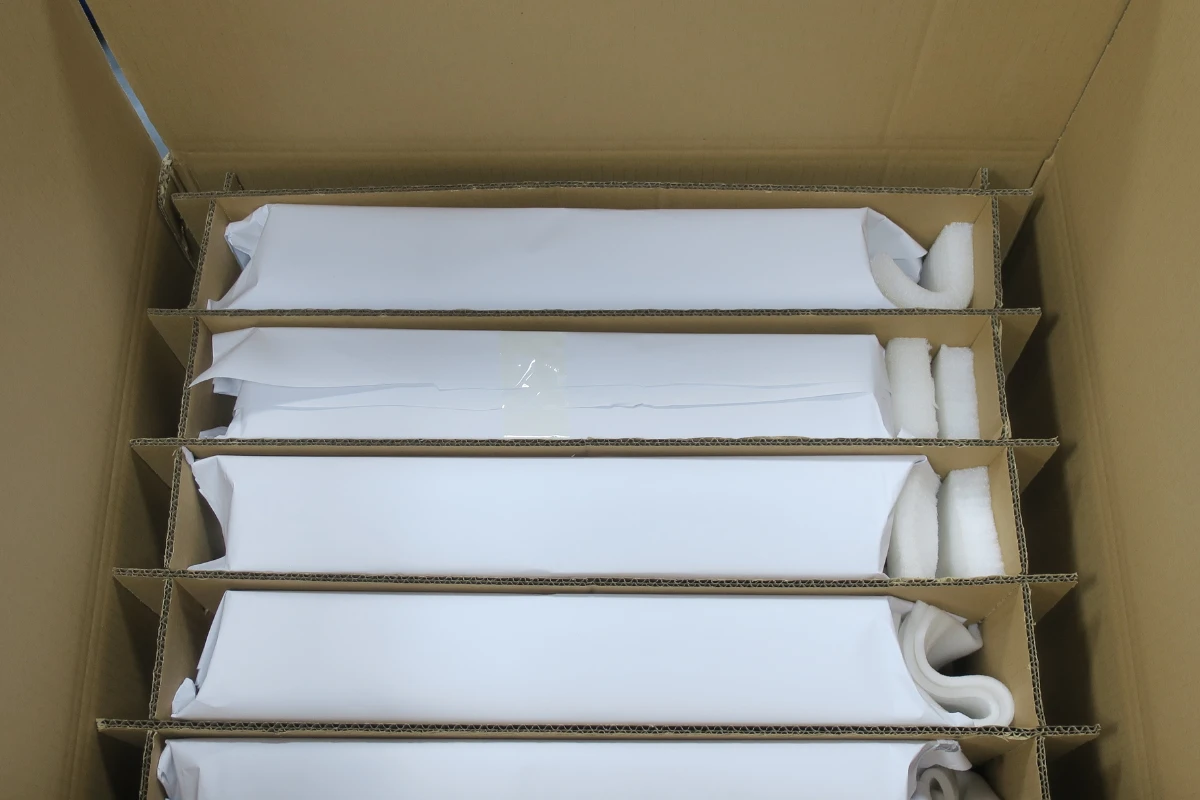
Long shafts need support against bowing and impact. Large plates need distributed support for flatness, while sheet-metal enclosures often need dividers plus edge and corner protection.
| Part / Surface Condition | Main Packaging Risk | Typical Control |
| Anodized aluminum | Scratches, rub marks, edge damage | Individual separation; clean foam/tissue/trays; cosmetic-surface protection |
| Carbon/alloy steel | Rust, staining, trapped moisture | Clean/dry + compatible oil/VCI/barrier/desiccant as required |
| Stainless steel | Chlorides, staining, free-iron contamination, scratches | Clean handling; isolate finished surfaces; dry packaging |
| Long shafts | Bending + surface impact | Grooved/tubular support; restraint; rigid separators |
| Plastics | Scratch, deformation, chemical contamination | Clean compatible cushioning; avoid unverified solvents/oils |
| Ceramics | Chipping, cracks, point loading | Individual cavities; compliant cushioning; impact control |
| Large plates / sheet metal | Flatness loss, dents, corner damage | Distributed support; dividers; corner/edge protection; rigid outer support |
Why Rollyu Precision Treats Packaging as Part of Machining Quality
The customer receives one finished component. If it passes inspection but arrives rusted, scratched, bent or mixed with the wrong revision, the quality handoff has failed. Rollyu Precision therefore treats packaging as the final stage of preserving the condition established by machining and inspection.
Credibility comes from connecting machining, inspection, preservation, packaging and traceability. “Safe packaging” is not evidence by itself; a more meaningful process explains what was inspected, what must remain unchanged and how the relevant risks are controlled through receiving.
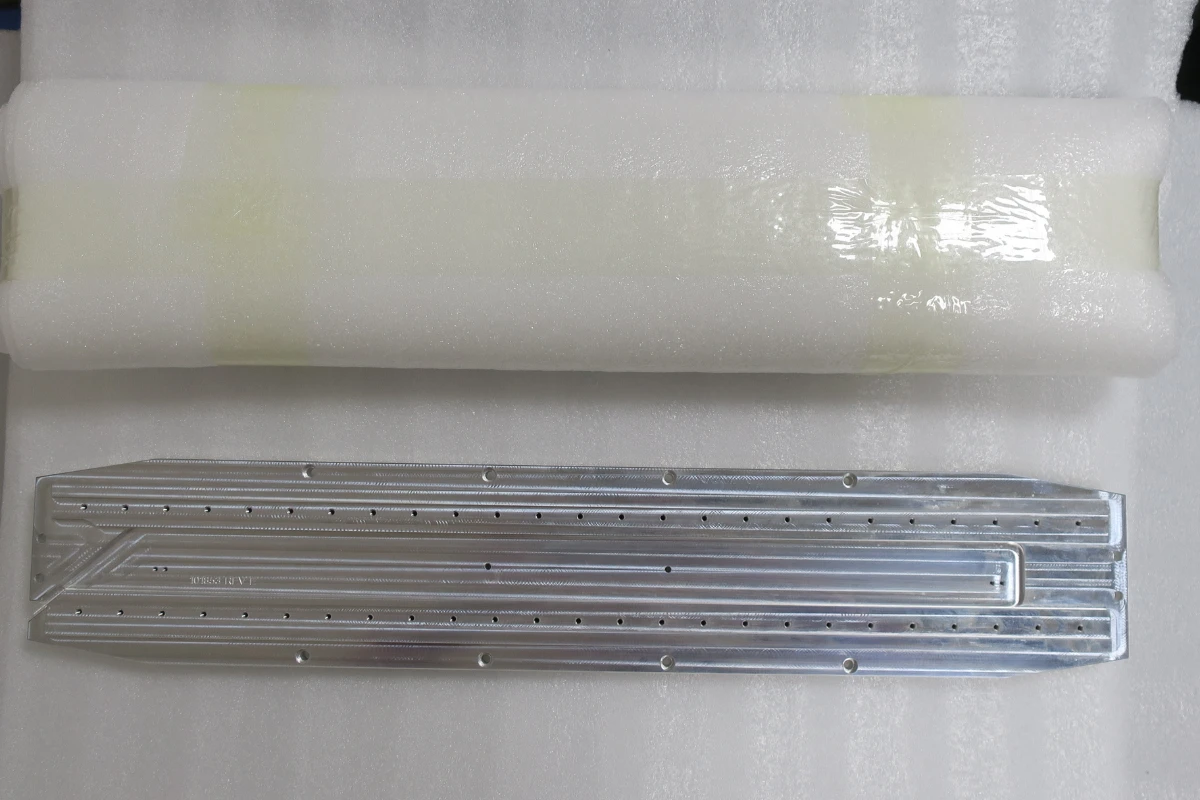
Rollyu Precision’s current shop-floor packing procedures include cleaning and appearance checks, glove handling, EPE foam protection where appropriate, control of excess carton space and controlled sealing. Its published manufacturing information also describes ISO 9001:2015 and ISO 13485:2016 quality systems and inspection equipment including CMMs, micrometers and thread gauges. Original photos and current certification pages should support these claims on the website.
A stronger trust signal is acknowledging that a shaft, anodized housing, ceramic part, heavy plate and cleanliness-sensitive assembly need different controls. Customer drawings, approved packaging specifications and PO requirements take precedence, and important uncertainties should be resolved before shipment.
When Repeated Packaging Failures Point to a Process-Control Problem
A single damaged carton can be an isolated handling event. Repeated rust, rub marks, dented threads, bent parts or mixed revisions after corrective actions are different. When the same failure mechanism returns, it usually indicates that the packaging method has not been connected tightly enough to the part, the shipping environment or the quality system.
At that point, changing suppliers is not about finding a factory that uses more foam. It is about finding a machining partner that can review the drawing, material, finish, critical features and actual receiving failure together, then define a packaging method before the next production run. Original photos of the damaged parts and current packaging can make that review much more precise.
What to Include in an RFQ When Packaging Matters
For parts with sensitive surfaces, corrosion risk, slender geometry, heavy mass or special cleanliness requirements, a few packaging inputs in the RFQ can prevent assumptions before production starts:
- Material, heat-treatment condition and surface finish
- Critical surfaces or features: threads, sealing faces, bearing fits, cosmetic areas, thin walls or long shafts
- Expected transit/storage route and any known humidity or warehouse exposure
- Whether oil residue, VCI or other preservation materials are allowed, limited or prohibited
- Required corrosion-protection or storage period, if defined
- Units per inner pack/carton, handling or weight limits if already specified
- Customer packaging, cleanliness, ESD, pallet/crate or approved-material requirements
- Part number/revision/lot label format and required CoC, material or inspection documentation
If packaging is important to function or appearance but these conditions are not defined, the supplier should raise targeted questions instead of treating an internal default as the specification. For repeat orders, an approved packaging method should also be kept consistent so the protection does not drift while the part drawing remains unchanged.
FAQ: CNC Machined Parts Packaging
Why do machined parts sometimes arrive rusty or scratched after passing inspection?
Final inspection confirms the factory condition, not the delivered condition. Trapped moisture can cause corrosion, while vibration and part contact create rub marks. Repeated failures need a packaging correction linked to the material, finish and route.
How should CNC machined parts be packaged for shipping?
Start with final inspection, cleaning and drying; then control preservation, separation, critical features, movement, outer packaging, identification and the final check. The method should follow the actual part and shipping route.
Does every steel machined part need rust preventive oil?
No. Oil is one option; VCI, barriers and desiccants may also be suitable. Because residue can interfere with downstream processes, preservation should match the material, finish, route, storage time and end-use.
What is the difference between VCI packaging and rust preventive oil?
VCI works within an enclosed package; rust-preventive oil forms a film on the metal. Either can be appropriate. Protection duration depends on the selected product, package integrity and storage conditions.
How can anodized aluminum parts be protected from scratches?
Prevent part-to-part contact with clean bags, tissue, sleeves, trays or custom inserts. For anodized aluminum, clean separation and controlled orientation are usually more important than oil.
How do you protect machined threads during transportation?
Use caps, sleeves, mesh or a protected cavity for exposed threads where appropriate, and keep internal threads and precision bores free of packaging debris.
What packaging is suitable for long precision shafts?
Use restrained, distributed support so long shafts cannot strike the package or carry point loads that cause surface damage or permanent bending.
Can Rollyu Precision follow a customer-specific packaging specification?
Yes. Customer-specific packing materials, no-oil rules, protection periods, quantities per pack, labels, crate requirements, cleanliness restrictions and documents can be reviewed with the machining RFQ.
Need a More Reliable Packaging Plan for Precision Machined Parts?
| Send Your RFQ If rust, scratches, thread damage, deformation or mixed revisions have become a recurring receiving issue, send Rollyu Precision the drawing or 3D model, material, finish, quantity and destination. Photos of the damaged parts and existing packaging are useful when available. Our engineering and quality team can review the machining requirements together with the packaging risks so the protection method is considered before production and shipment, not after an NCR. |
Website: www.rollyu.com