
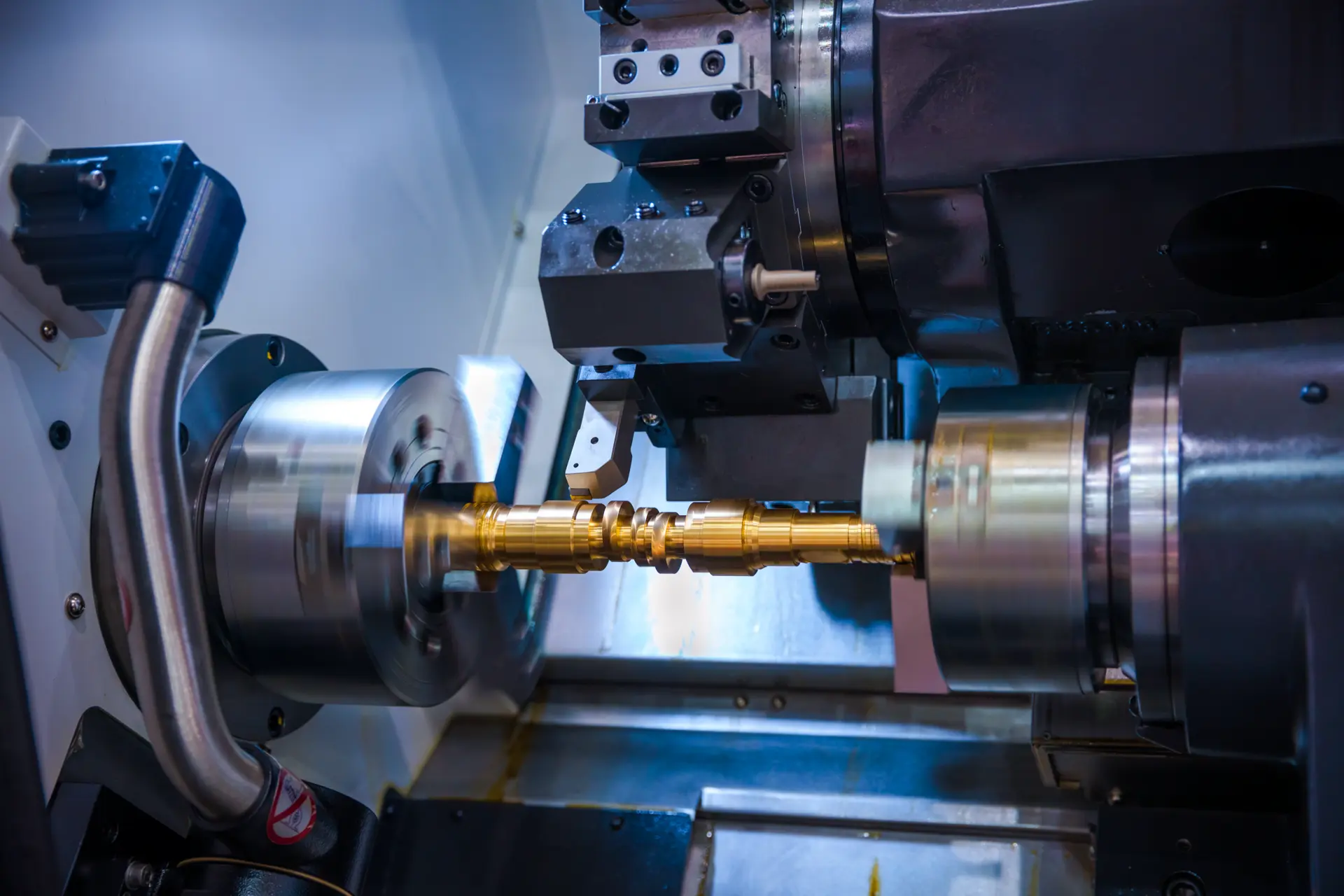

Brass and bronze look remarkably similar, but on the CNC machine, they behave worlds apart. Understanding bronze vs brass machining is crucial for optimal production. At Rollyu Precisio, we machine thousands of these copper alloy parts annually. This guide reveals their key machining difference s to ensure your project’s success.
What is the Difference Between Brass and Bronze
While both are classified as copper-based “red metals” and share a similar heritage, brass and bronze are fundamentally different in their chemical makeup. These specific alloying elements dictate how they look, how much they cost, and how they perform in CNC machining.
What is Brass
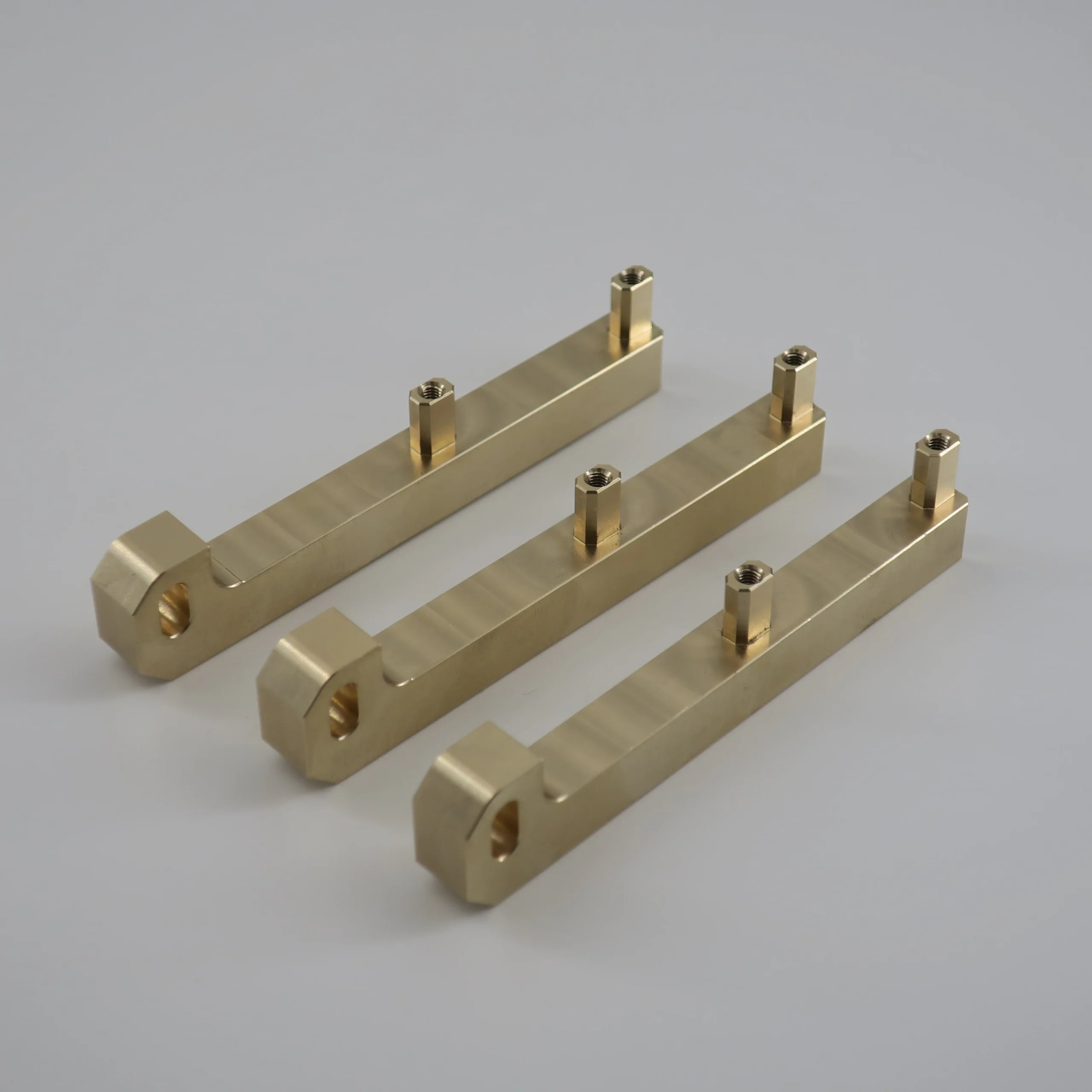
Brass is an alloy made primarily of copper and zinc.
- Characteristics: The addition of zinc makes brass highly malleable and ductile. This means it is incredibly easy to form, cut, and machine without breaking. It is a highly cost-effective material and is instantly recognizable by its bright, shiny, golden-yellow appearance.
What is Bronze
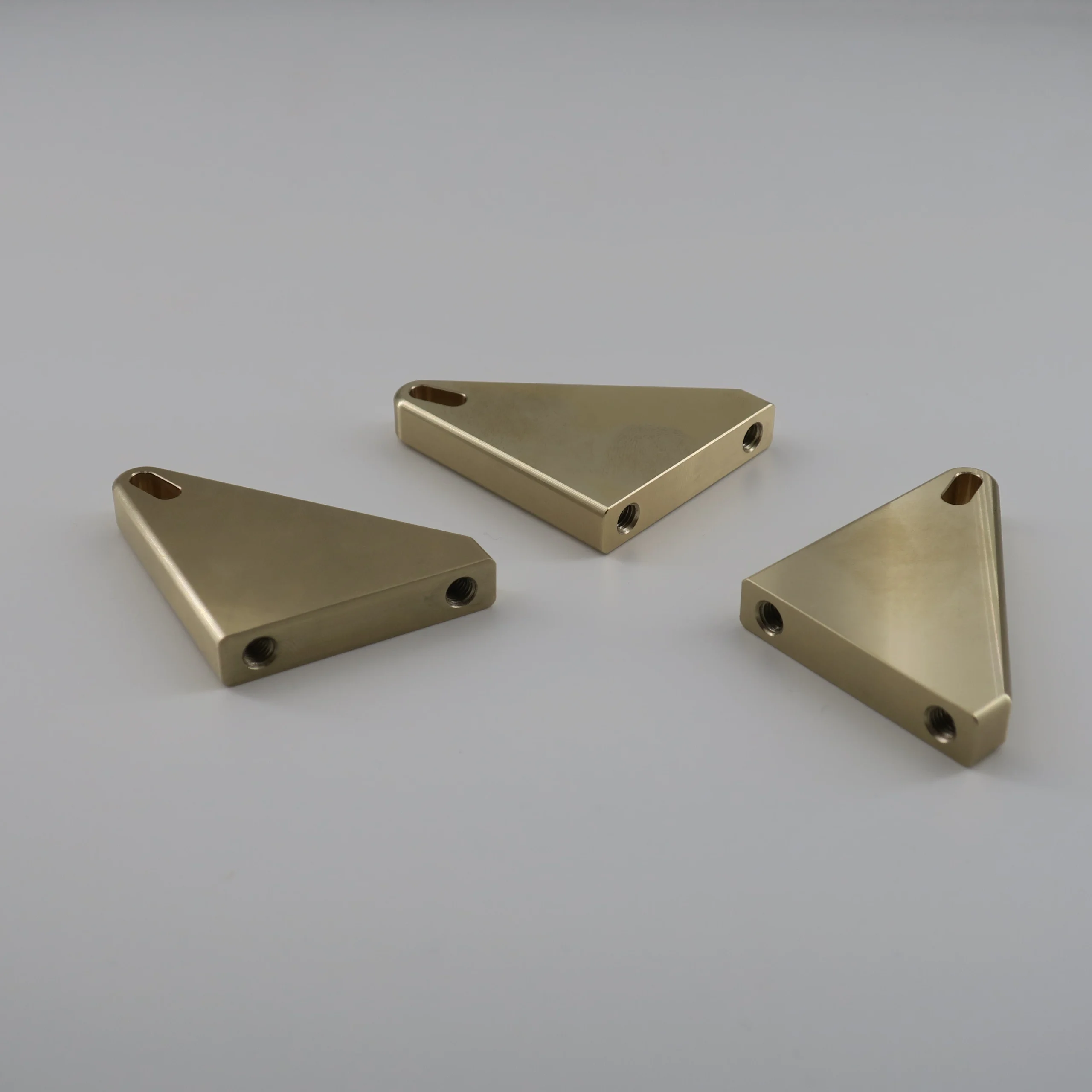
Bronze is traditionally an alloy of copper and tin, though modern high-performance bronzes often use aluminum (like aluminum bronze) to achieve specific mechanical properties.
- Characteristics: The tin or aluminum content makes bronze significantly harder and tougher than brass. It is built for durability, boasting superior structural strength and exceptional wear resistance. Visually, bronze typically has a darker, reddish-brown or muted, earthy color.
The Core Comparison
Now that we know what they are, here is how they directly compare when selecting materials for your CNC parts:
- Color & Appearance: Brass mimics bright gold, whereas bronze has a darker, reddish-brown tint.
- Hardness vs. Ductility: Brass prioritizes flexibility and easy machining (excellent ductility). Bronze prioritizes raw strength and the ability to withstand heavy friction (high hardness and wear resistance).
- Cost Efficiency: Brass has a lower material and machining cost, making it ideal for high-volume commercial parts. Bronze is a premium, higher-cost material reserved for heavy-duty industrial or marine applications.
Brass Machining: The Standard for High-Speed CNC
When it comes to manufacturing efficiency, brass is widely considered a machinist’s dream. Its unique metallurgical properties make it incredibly easy to shape, thread, and mill, making it the go-to choice for high-volume commercial production.
100% Machinability Rating
Free-machining brass, particularly alloy C36000, is the absolute benchmark in the metalworking industry. In fact, it is assigned a machinability rating of 100%, against which all other metals are compared. The addition of lead (or modern lead-free alternatives) acts as a microscopic lubricant. This allows the material to shear easily, creating short, brittle chips that break away cleanly instead of gumming up or sticking to the cutting tool.
Lower Tool Wear & Faster Cycle Times
Because brass chips break so easily and generate very little friction, CNC machines can be pushed to their maximum spindle speeds and feed rates. This exceptionally low friction means there is almost no tool wear. Machinists can run the same cutting tools for thousands of parts before needing a replacement. Ultimately, these ultra-fast cycle times and extended tool lifespans translate to significantly lower production costs for the customer.
Common CNC Brass Parts
Thanks to its speed of production, corrosion resistance, and excellent sealing capabilities, brass is heavily relied upon across multiple industries. At Rollyu Precision Hardware, we manufacture thousands of brass CNC turned parts daily. Common applications include brass plumbing fittings, industrial fluid valves, pneumatic connectors, and precision electronic hardware.
Bronze Machining: Built for Strength and Durability
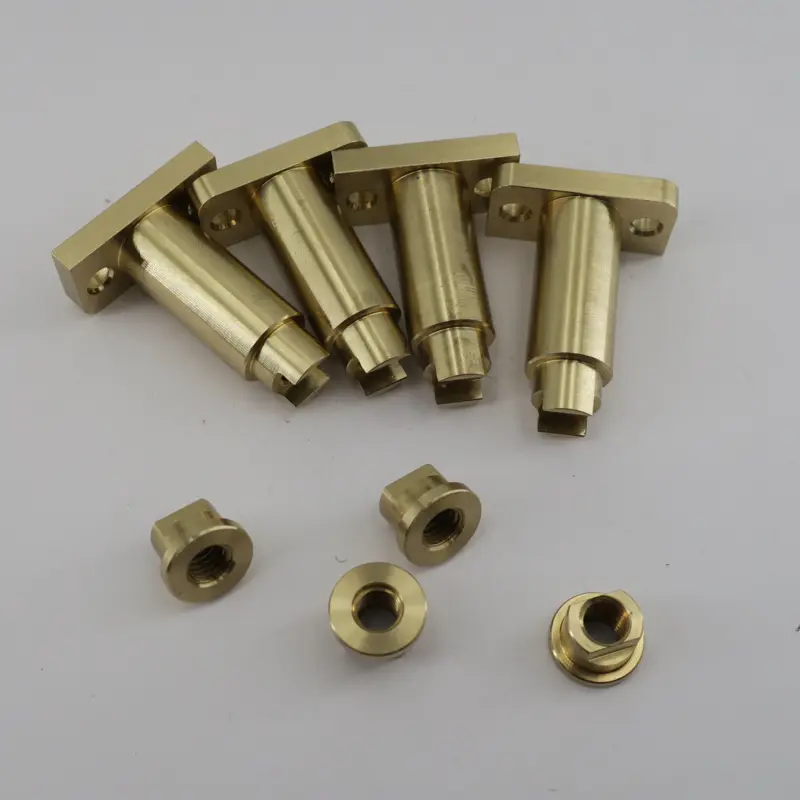
While brass is built for speed, bronze is built for survival. The same alloying elements (like tin or aluminum) that give bronze its incredible structural strength and wear resistance also make it a much more challenging material on the shop floor.
Lower Machinability
Unlike free-cutting brass, bronze has a much lower machinability rating. The material is significantly harder and more abrasive. One of the biggest challenges in bronze machining is its tendency for work hardening. If the cutting tool does not bite into the metal aggressively enough, the surface of the bronze rapidly hardens from the friction, making it extremely difficult to penetrate and often causing the tool to break.
Tool Wear and Heat Control
Because of its toughness—especially in high-performance alloys like aluminum bronze—machining bronze generates intense friction and heat. Standard high-speed steel cutters dull very quickly. To successfully machine these parts, manufacturers must use rigid carbide tooling designed to withstand abrasive wear. Additionally, a constant flow of high-pressure coolant is mandatory to flush away sticky chips and control the extreme heat buildup, ensuring the part maintains its dimensional accuracy.
Common Bronze Applications
Because it excels in harsh, high-friction, and corrosive environments, bronze is reserved for heavy-duty applications where standard metals would fail. You will commonly see this material used to manufacture bronze bearings, high-wear bushings, heavy-load gears, and durable marine components that must resist saltwater corrosion.
Bronze vs Brass: Quick Comparison Table
When deciding between these two copper alloys for your next CNC machining project, it helps to look at their core characteristics side-by-side. Use this quick reference guide to see how brass and bronze stack up against each other:
| Feature | Brass | Bronze |
| Machinability | Excellent: The industry standard (100%). Easy to cut, generates low heat, and allows for extremely fast cycle times. | Fair / Poor: Harder and more abrasive. Slower to machine, generates high heat, and often requires specialized carbide tooling. |
| Material & Production Cost | Lower: Cheaper raw material and lower manufacturing costs due to fast machining speeds and extended tool life. | Higher: More expensive raw materials (due to tin/aluminum) and higher machining costs due to longer cycle times. |
| Friction & Wear Resistance | Low: Good for general purpose parts, but not suitable for high-friction or heavy-load-bearing applications. | Excellent: Features natural anti-galling properties. Highly resistant to wear, making it perfect for bearings and gears. |
| Corrosion Resistance | Good: Excellent for plumbing, indoor applications, and general fluid/gas control. | Superior: High-performance bronzes offer marine-grade resistance, easily withstanding saltwater and harsh industrial environments. |
The Quick Takeaway: If your priority is fast, cost-effective production with complex geometries (like valves or fittings), brass is your best option. If your part needs to survive heavy friction, extreme wear, or saltwater environments, bronze is well worth the investment.
Frequently Asked Questions About Bronze vs Brass Machining
Which material is easier to machine, brass or bronze
Brass is generally much easier to machine than bronze. Free-machining brass alloys such as C36000 produce clean chip formation, low cutting resistance, and minimal tool wear, allowing faster CNC machining speeds and lower production costs.
Why is bronze more difficult to machine
Bronze is harder and more abrasive than brass, especially aluminum bronze alloys. During CNC machining, bronze can generate higher cutting temperatures, aggressive tool wear, work hardening, and built-up edge formation, requiring more rigid tooling and slower cutting parameters.
Is brass or bronze better for wear resistance
Bronze offers significantly better wear resistance than brass. Its higher hardness and anti-galling properties make it more suitable for bearings, bushings, gears, and heavy-load industrial components exposed to continuous friction.
Which alloy is better for marine environments
Bronze is generally preferred for marine and offshore applications because it provides stronger resistance to saltwater corrosion and harsh operating environments compared with standard brass alloys.
What is the most machinable brass alloy
C36000 free-machining brass is widely considered one of the easiest metals to machine and is often used as the machinability benchmark in CNC manufacturing.
Can bronze parts be CNC machined with tight tolerances
Yes. Although bronze is more challenging to machine, experienced CNC manufacturers can still achieve high dimensional accuracy and stable surface finishes using proper carbide tooling, coolant control, and optimized cutting parameters.
What are common CNC machined brass parts
Brass is commonly used for CNC machined fittings, valves, pneumatic connectors, threaded components, plumbing hardware, and precision electrical parts because of its excellent machinability and corrosion resistance.
What are common CNC machined bronze parts
Bronze is commonly used for bushings, bearings, marine hardware, heavy-load gears, pump components, and industrial wear parts that require long-term durability and friction resistance.
Conclusion
Brass and bronze may appear similar, but their machining behavior and engineering performance are fundamentally different. Brass is typically the better choice for high-speed, cost-efficient CNC production, especially for fittings, connectors, valves, and precision commercial components. Bronze, on the other hand, is better suited for demanding industrial applications requiring higher strength, wear resistance, and long-term durability under friction or harsh operating conditions.
Choosing the right alloy depends on the balance between machinability, production cost, operating environment, and mechanical performance requirements. At Rollyu Precision, we provide custom CNC machining services for brass, bronze, and other copper alloys, supporting customers with precision manufacturing, material selection, and complex industrial component production.