Steel cannot be anodized. Anodizing baths use acidic electrolytes that corrode steel, leaving the surface pitted and rusted. According to Mordor Intelligence, the global metal finishing market reached $100.69 billion in 2024. Picking the wrong finish means scrapped parts and wasted budget.
This guide explains why steel and anodizing don’t mix, which coatings actually protect it, and how to choose the right finish for your project.
What Metals Cannot Be Anodized?
Quick Answer: In conventional industrial anodizing, carbon steel, stainless steel, iron, copper, brass, bronze, zinc, tin, and lead are generally not suitable for standard anodizing processes. Unlike aluminum, titanium, and magnesium, these metals do not form the same stable, controlled anodic oxide layer under conventional anodizing conditions. Alternative finishes include passivation, black oxide, electroplating, powder coating, and galvanizing.
Why Anodizing Steel Fails in Industrial Processes
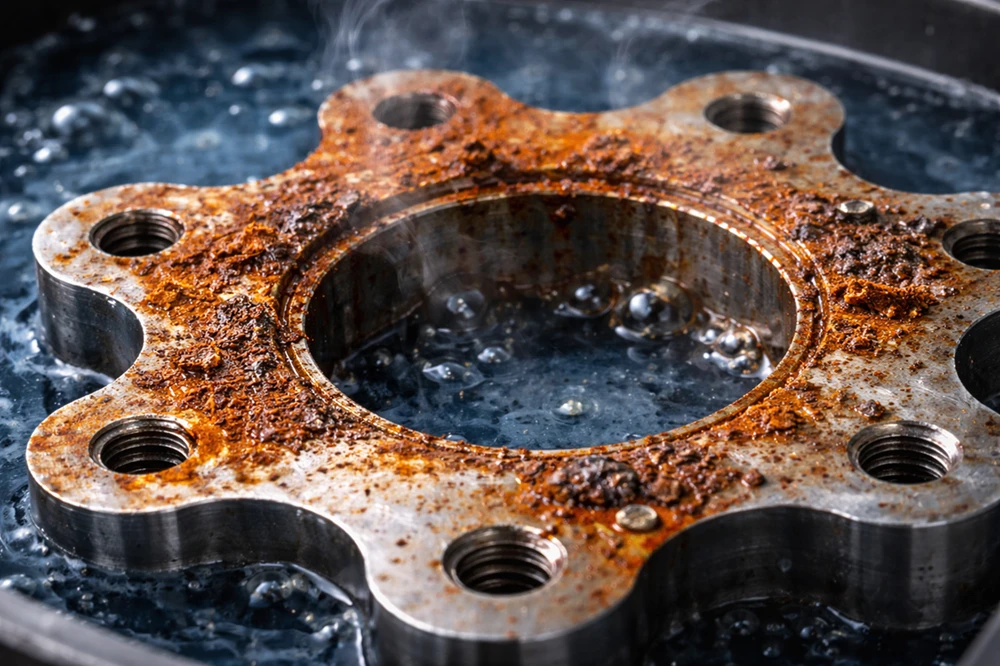
Steel reacts to anodizing baths in three ways, and all three damage your parts, your batch, or your tank.
Dissolve Raw Steel Substrates
Sulfuric acid, the standard anodizing electrolyte, actively dissolves steel. The acid strips material off the surface, leaving parts undersized and weakened. Tight-tolerance components are unusable after exposure.
Generate Porous Rust Layers
Any iron oxide that forms on steel is porous and structurally weak. Iron oxide flakes and crumbles rather than sealing the surface, creating gaps where moisture reaches bare steel and accelerates corrosion. The coating adds no real protection.
Contaminate Expensive Chemical Solutions
Iron ions released from dissolving steel throw off the electrolyte chemistry. A contaminated anodizing bath produces inconsistent results across the entire batch, not just the steel parts. Restoring the solution requires draining, cleaning, and recharging the tank, adding significant downtime and cost.
Top Alternatives to Anodizing Steel for Protection and Color
Steel has proven finishing options. The right choice depends on your environment, dimensional tolerances, and visual requirements.
Black Oxide Coating
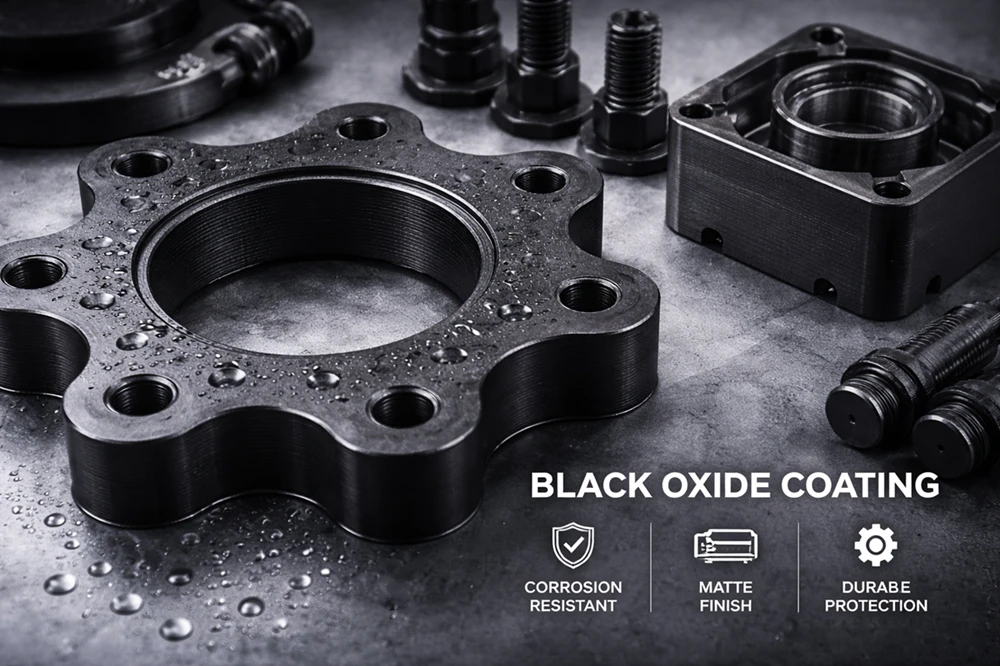
Black oxide gives steel a uniform matte-black finish while adding a thin layer of corrosion resistance. Black oxide is widely used on firearms, hand tools, and industrial fasteners where a clean, non-reflective appearance matters.
The coating does need an oil or wax sealant to hold up in wet or outdoor environments. Rollyu Precision offers black oxide as part of its surface treatment lineup. The coating is handled in the same workflow as CNC milling and turning, so no separate supplier is needed.
Powder Coating
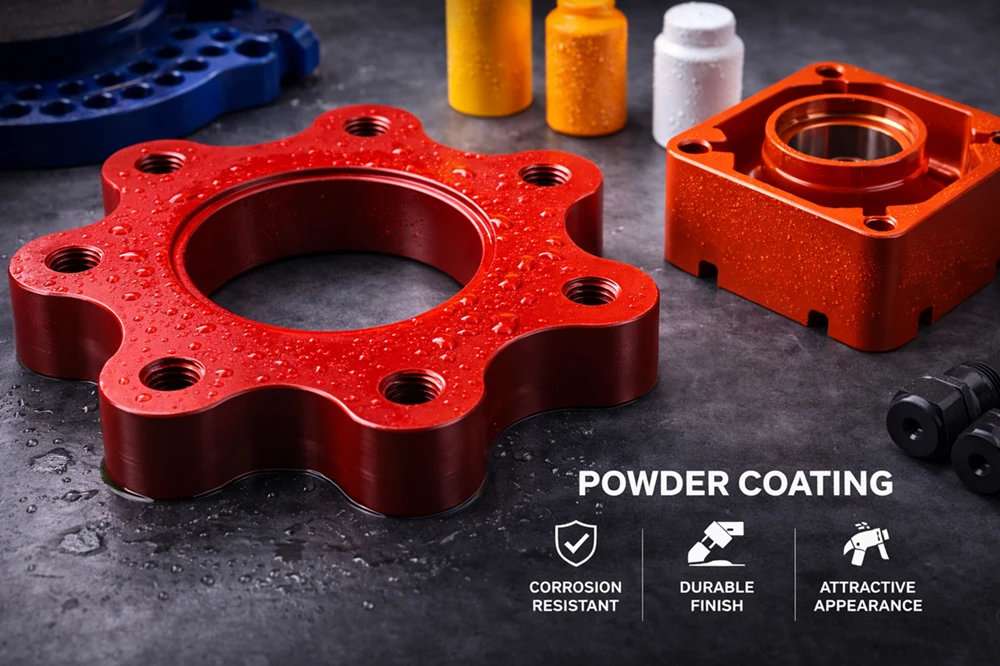
Powder coating puts a thick, impact-resistant polymer layer on steel, blocking moisture and UV far better than paint. Color options are wide, but the added thickness makes powder coating a poor fit for parts with tight mating tolerances. Rollyu Precision applies powder coating in-house after fabrication. The in-house setup cuts supplier coordination and lead time.
Galvanizing
Hot-dip galvanizing coats steel in molten zinc, giving it one of the strongest corrosion barriers available for outdoor use. Zinc corrodes first, protecting the steel underneath, even when the surface is scratched.
According to ISO 1461, hot-dip galvanized coatings on structural steel typically reach 45–85 µm. That thickness makes galvanizing standard for load-bearing components, fencing, and rugged hardware used in renewable energy and power generation applications exposed to rain, salt, or soil.
Zinc Plating
Zinc plating deposits a thin zinc layer onto steel, giving moderate corrosion resistance at a lower cost than galvanizing. Dimensional impact is minimal, making zinc plating a common choice for fasteners, brackets, and automotive hardware. Zinc plating performs well in indoor and mildly humid environments, but needs a chromate conversion coating to hold up outdoors or in salt-spray conditions.
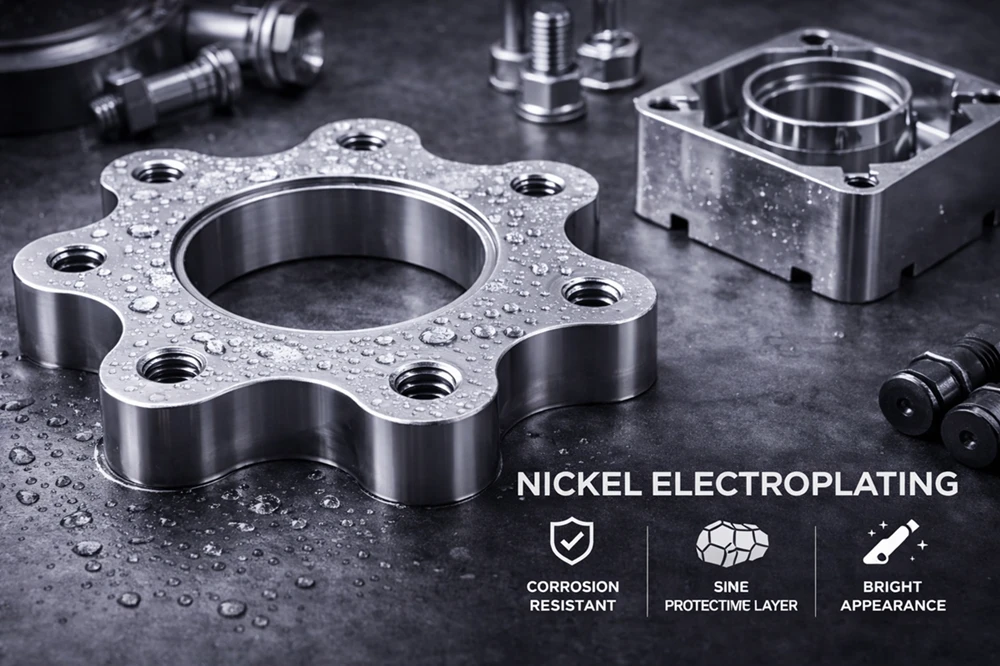
Electroplating
Electroplating deposits a controlled metal layer onto steel. Nickel is the go-to for industrial components that need wear resistance alongside corrosion protection.
Chrome builds a harder surface and a mirror finish, common in automotive and decorative applications. Copper is typically applied as a base layer to improve adhesion before a top coat goes on.
What Metals Can Be Anodized Instead?
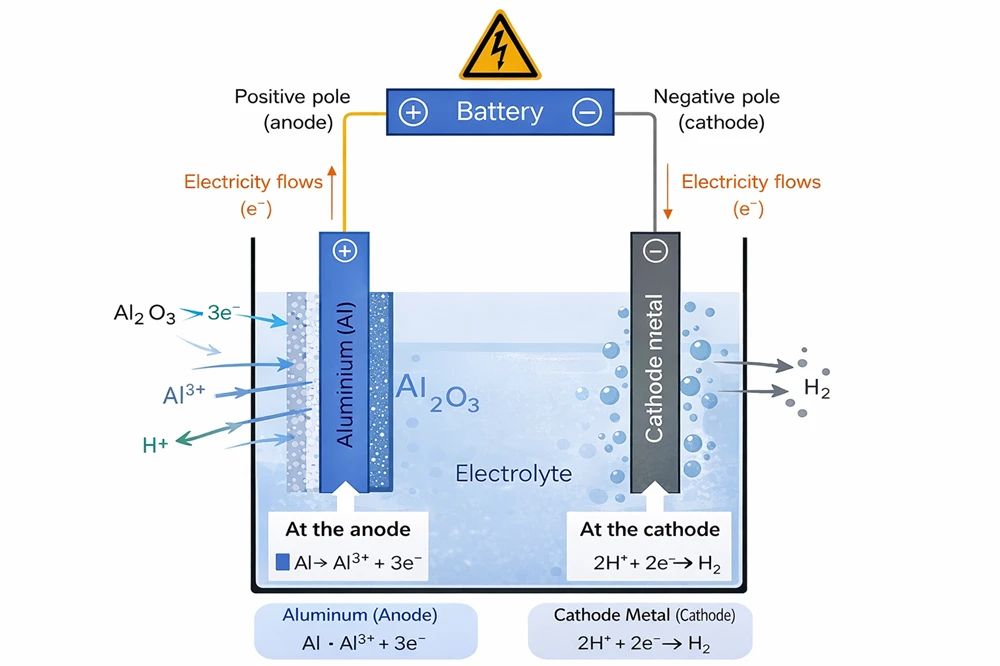
Anodizing works on metals that form a stable, adherent oxide layer in an acid bath.
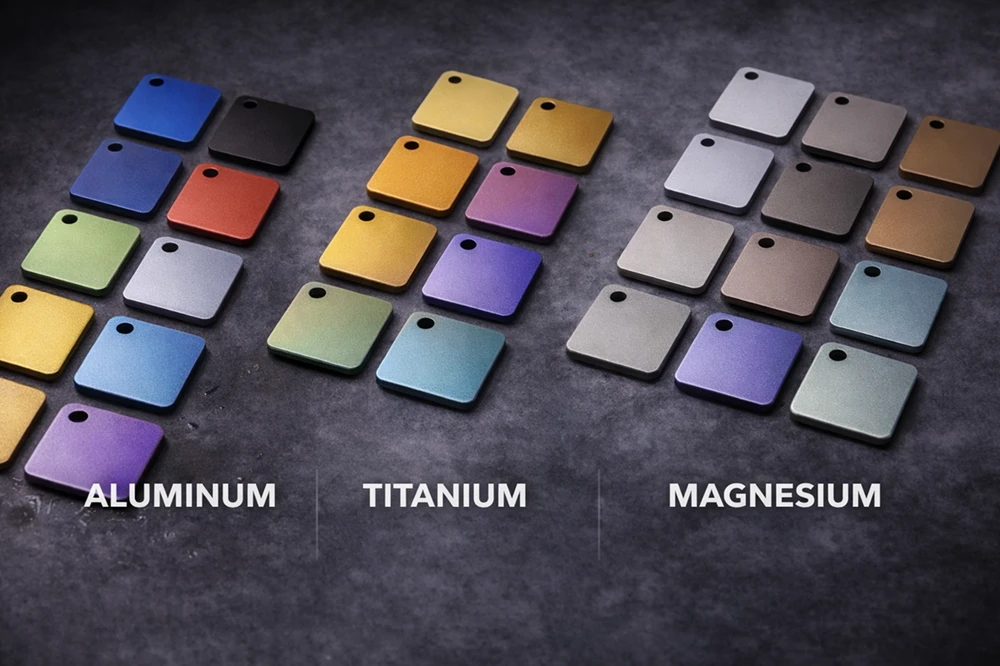
Aluminum
Aluminum is the most common anodized metal in manufacturing. The process builds a hard oxide layer that bonds tightly to the surface. The layer is naturally porous before sealing, which allows dye to absorb evenly for color finishing.
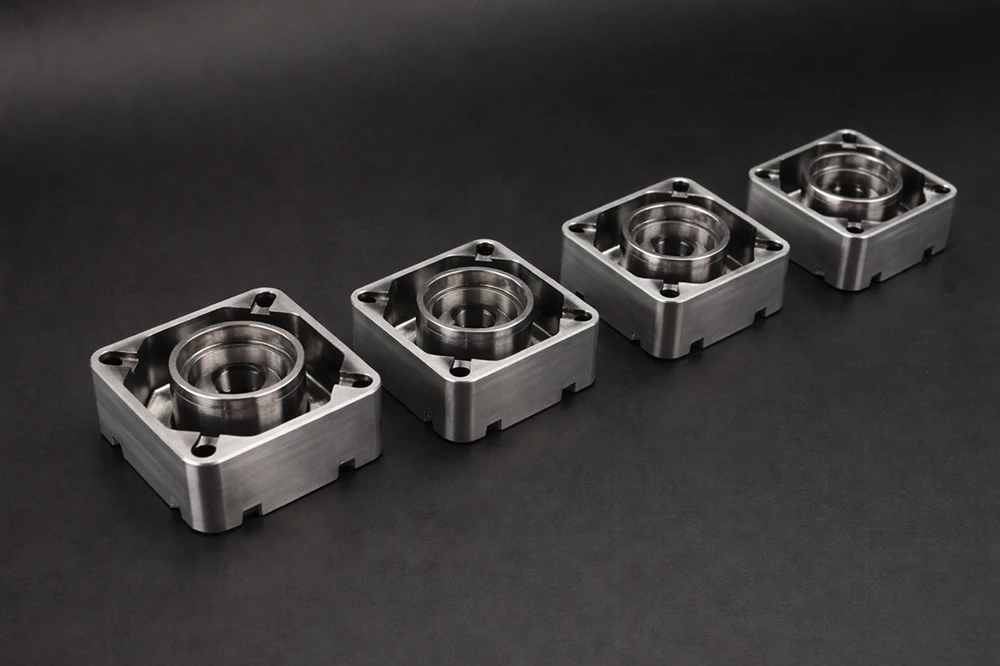
Aerospace, medical devices, consumer electronics, robotics, and Photonics and Quantum components all use anodized aluminum for its light weight and consistent color. For CNC-machined aluminum parts that need anodizing, Rollyu Precision handles both machining and surface treatment in one order.
Titanium
Titanium anodizes without dye. Voltage alone controls the oxide thickness, which determines the color produced.
Titanium anodizing is common in medical implants, jewelry, and aerospace fasteners where biocompatibility or a distinctive appearance is needed.
Magnesium
Magnesium can be anodized, though the process is less common than aluminum or titanium. The oxide layer improves corrosion resistance on a metal that rusts quickly when unprotected.
Magnesium anodizing appears in aerospace, renewable energy and power generation, and automotive parts where low weight is the priority. The coating typically serves as a base for paint or sealant rather than a standalone finish.
How to Choose the Right Material and Finish for Your Project
Material and finish decisions affect part performance, production cost, and lead time. Get any of them wrong and you pay for it twice.
Consider Your Strength and Weight Needs
Steel handles heavy loads, but aluminum runs about one-third the weight. If weight matters more than strength, aluminum is the practical pick.
If you are exploring lightweight alternatives, comparing the pros and cons of titanium vs. aluminum can guide your choice. Titanium offers high strength at low weight, but material cost is higher than both.
Analyze Your Operating Environment
Outdoor or marine exposure calls for hot-dip galvanizing or powder coating. Indoor parts in mild humidity do fine with zinc plating or black oxide. If the part contacts food, chemicals, or medical equipment, anodized aluminum or electroplated nickel handles chemical resistance better than most steel finishes.
Define Your Desired Visual Finish
Anodized aluminum gives the widest color range of any finishing option. Powder coating works on steel and delivers solid color coverage, but adds thickness. Black oxide gives steel a clean matte look without affecting dimensions. Chrome electroplating gives steel a mirror finish, common in automotive and decorative parts.
Compare Lead Times and Production Costs
Black oxide and zinc plating are the fastest and cheapest finishing options for steel. Powder coating adds a curing step, which extends turnaround. Galvanizing takes longer because it needs batch scheduling. Titanium anodizing is more specialized and typically costs more than aluminum anodizing.
Quick Comparison Table
The table below maps each material to its finishing options and typical use cases.
|
Material |
Anodizable | Recommended Finish | Best For | Relative Cost |
| Carbon Steel | No | Black Oxide / Powder Coating / Galvanizing | Structural, industrial, Automation, hardware |
Low |
|
Stainless Steel |
No | Electroplating / Passivation | Food, medical, chemical environments | Medium |
|
Aluminum |
Yes | Anodizing | Aerospace, photonics, medical devices parts |
Low to Medium |
| Titanium | Yes | Anodizing | Medical implants, aerospace fasteners |
High |
|
Magnesium |
Yes | Anodizing (base coat) | Lightweight aerospace and automotive parts |
Medium |
Anodize aluminum and titanium for lightweight applications. Use plating, galvanizing, or powder coating for steel hardware.
FAQ
Can Stainless Steel Be Anodized?
No. The chromium oxide layer on stainless steel blocks the electrochemical reaction needed for anodizing. For other material options, check the key differences between cast iron and stainless steel.
Is an Anodized Aluminum Surface Harder Than Steel?
Anodized aluminum is harder than bare aluminum, but not harder than steel. Type III hard anodizing gets close to hardened steel in surface hardness, but standard Type II anodizing falls well short.
What Are the Consequences of Putting Steel in an Anodizing Tank?
Steel damages the tank, the batch, and every part in it. Sulfuric acid dissolves the steel surface, releasing iron ions that contaminate the entire bath. Restoring the solution requires draining, cleaning, and recharging the tank. Steel parts come out undersized, weakened, and covered in porous rust.
Conclusion
Steel cannot be anodized. If your project uses steel, black oxide, powder coating, galvanizing, zinc plating, and electroplating all deliver reliable results depending on your environment and tolerances. If anodizing is a hard requirement, aluminum is the practical material choice.
If you need CNC-machined steel or aluminum parts with surface finishing handled in one place, Rollyu Precision covers both.