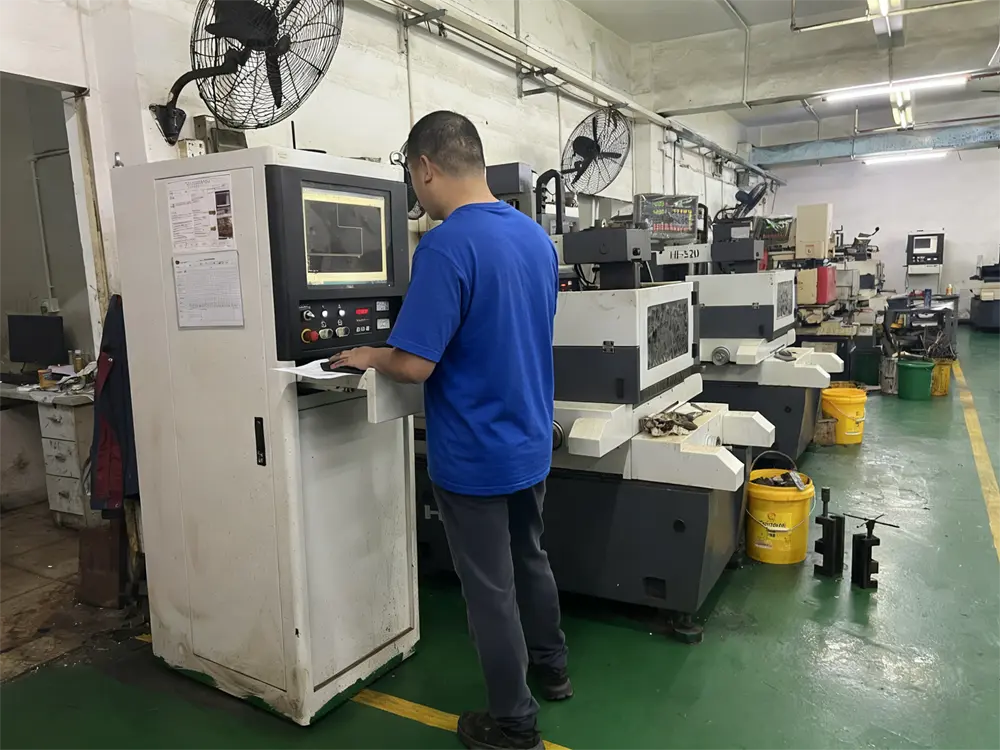
Electrical Discharge Machining (EDM) is a highly accurate metalworking process that removes material using controlled electrical sparks. Instead of relying on cutting tools, EDM erodes metal without making physical contact. Because of that, it excels in areas where traditional machining struggles—hard metals, ultra-delicate features, sharp internal corners, thin walls, and complex shapes that are difficult or impossible to create with standard mills or drills.
At Rollyu Precision, we run advanced Wire EDM, Sinker EDM, and Small Hole EDM equipment to produce components that follow your CAD model with exceptional accuracy. These processes eliminate cutting forces, reduce the risk of distortion, and help engineers avoid costly rework. They’re especially useful for prototypes and low-volume production where precision and repeatability matter most.
In this guide, we break down how EDM works, where it fits in modern manufacturing, the pros and cons of each method, common applications, safety practices, and why many engineers choose EDM for their most demanding, tight-tolerance parts. These tips will help you to choose the right precision machining services.
What Is Electrical Discharge Machining?
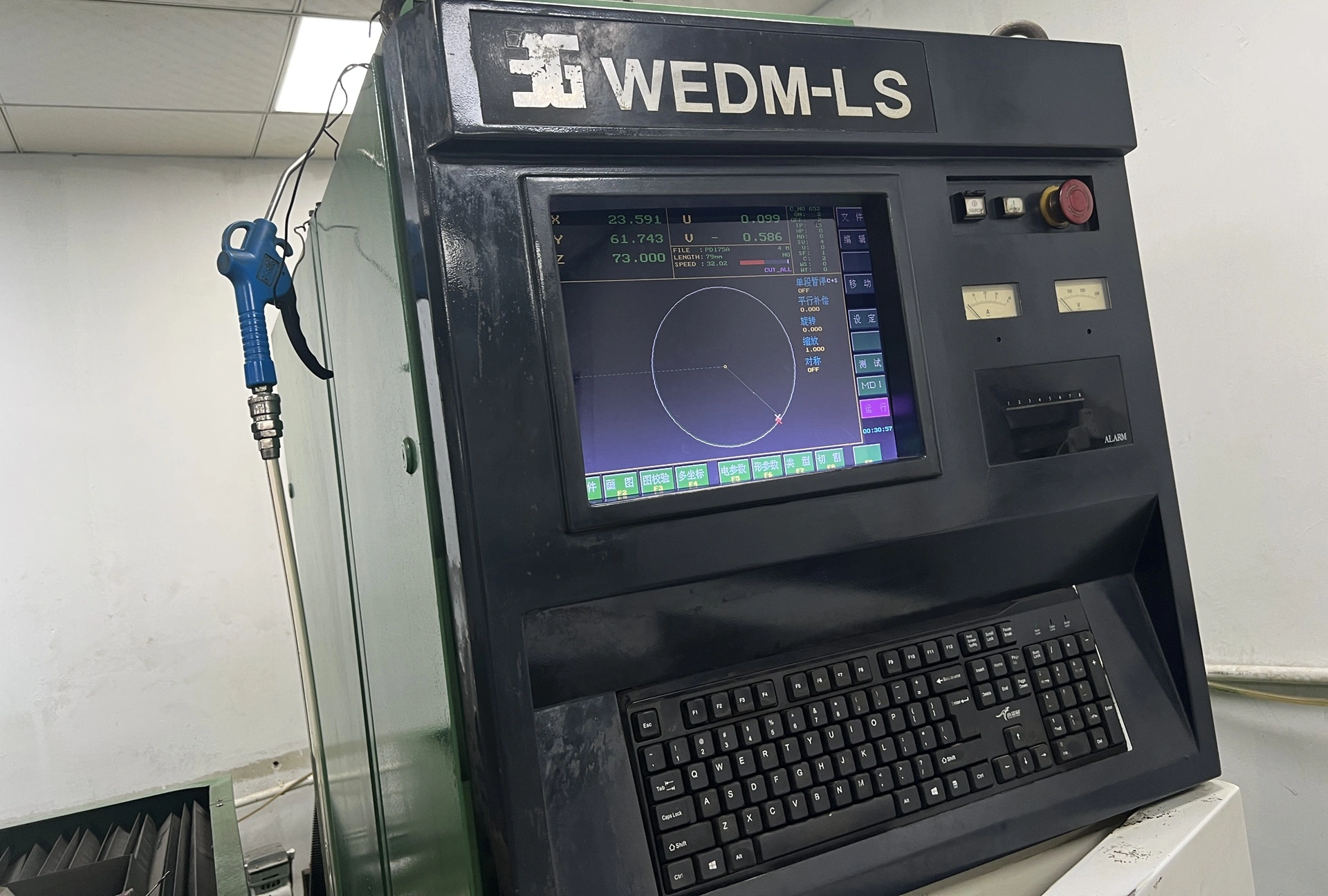
Wire EDM machining uses a wire (typically brass-made). This wire has a diameter of 0.25 mm, 0.20 mm, or 0.15 mm in general, to cut metal blocks into pieces using controlled electrical sparks. In sinker EDM, a mature electrode is used. This removes material from the surface and shapes it into the desired form.
A dielectric is used during machining, such as kerosene or deionised water, to avoid excessive heat generation. It also regulates the sparks, cools the metal, and removes the small particles/debris. This allows the machine to cut through hard metals, thin walls and other intricate shapes that the normal tools cannot cut.
EDM operates at a slow rate but creates neat surfaces, sharp edges with the right dimensions. Engineers often employ it to produce moulds, tools for die casting, and parts that have tight tolerances and complicated patterns.
Advantages of Using EDM for Material Removal
- EDM machining can process even hard-to-cut materials like hardened steel, titanium, tool steel, tungsten alloys, brass, copper, carbide, etc, that can not be made using ordinary instruments.
- It can create sharp edges, dimensions and finest shapes.
- It eliminates stress on the material as no force comes into contact with the surface. This keeps the part stable.
Disadvantages of Using EDM for Material Removal
- EDM machining is relatively slower when compared to standard cutting techniques. So, it is not suitablefor cutting in high volumes or quantities.
- The process demands specialised fluids for adequate handling. When mishandled, it may cause clean-up problems and hazards.
- EDM machines and tools are more expensive than other cutting tools. Additionally, keeping and installation are time-consuming.
The Fundamental Principle: How Electrical Discharge Machining Works
Here are the common steps involved in the electric discharge machining process:
- Sparks Remove Material:Tiny sparks are produced during cutting between the electrode and the metal. These melt and vaporise a small part of the surface.
- Uses Dielectric Fluid: Kerosene and deionised water surrounds the cutting area and controls the sparks, cools the metal, and removes debris.
- Electrode Shapes the Part:In sinker EDM, the electrode is shaped to match the cut. In wire EDM, a thin wire strand of brass moves along the path to cut precise shapes.
- No Physical Contact: Asthe electrode does not come directly in contact with the workpiece. This prevents stress, bending, and damage to delicate parts.
- Repeated Sparks Build the Shape:Thousands of tiny sparks gradually shape the part. This allows highly detailed and precise cuts.
- The Result: Sharp, Clean, Precise Cuts
EDM produces details such as: Sharp internal corners, Deep slots, Thin walls, Complex cavities, High-aspect-ratio cuts, Tight tolerances.
It is one of the most precise material-removal methods in modern manufacturing.
Types of Electrical Discharge Machining
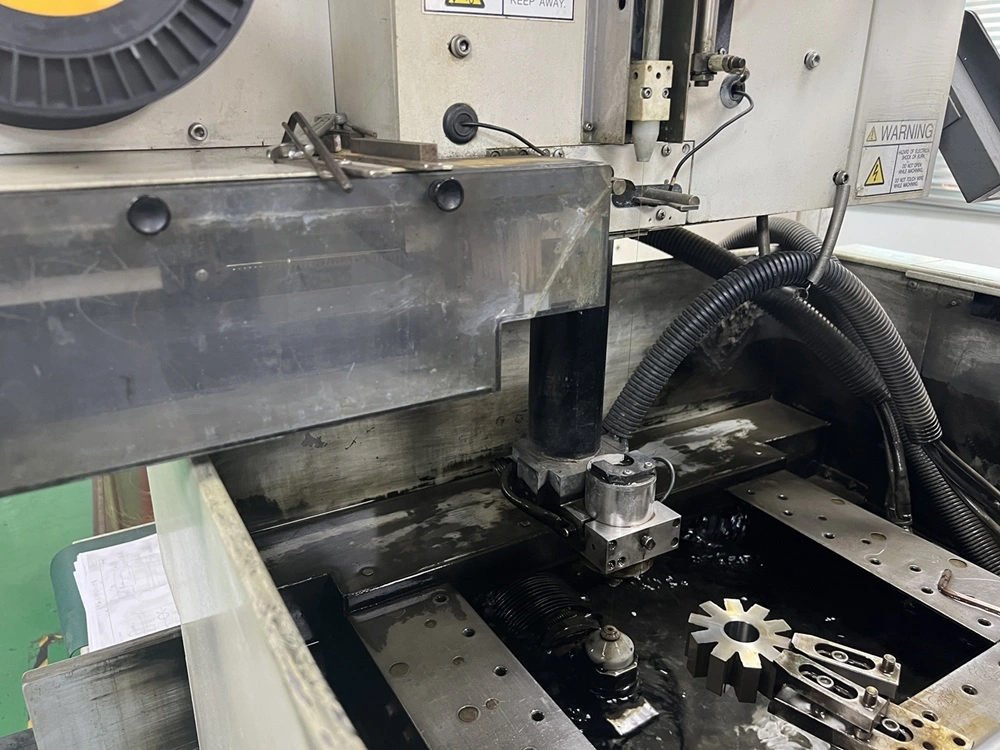
Wire EDM
Wire EDM involves the use of a wire that flows through the metal to cut shapes. It generates electric sparks, which gradually wipe off the material. It is efficient with hard metals such as steel and titanium and can produce sharp edges, complicated forms and fine details. It’s excellent for hard materials and tight-tolerance features.
Sinker EDM
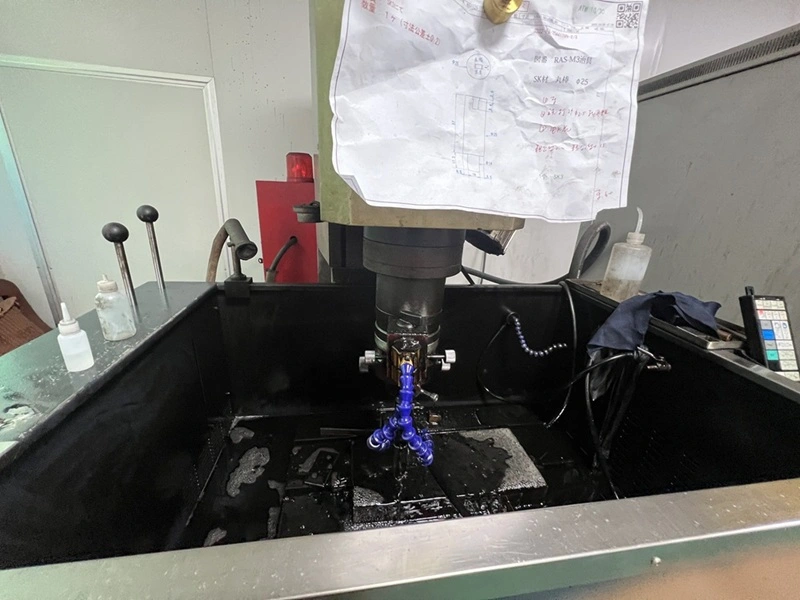
Sinker EDM uses an electrode instead of a wire. Sparks are transmitted between the electrode and the metal in removing material. It is typically applied to moulds, die tooling, internal features unreachable by tools, dies and parts with deep cavities or complicated 3D forms.
Small Hole EDM
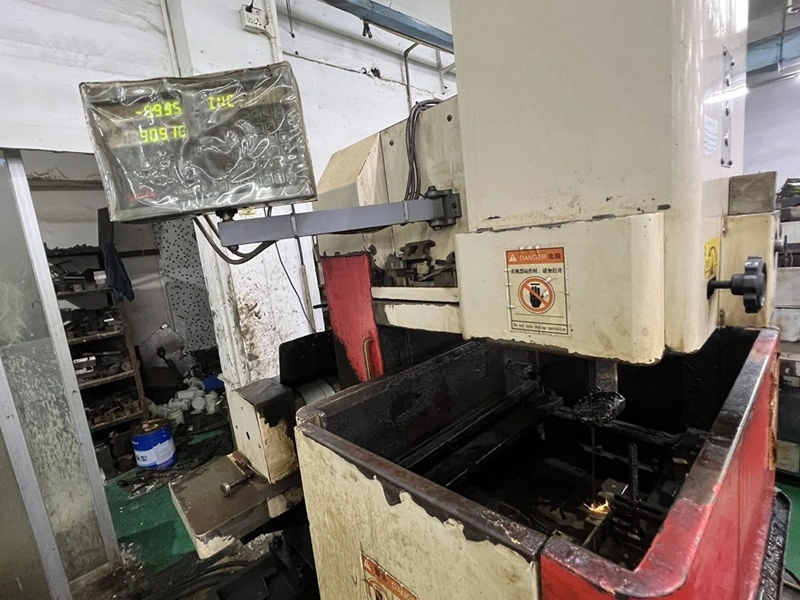
Small Hole EDM cuts small, deep holes which cannot be reached by standard drilling. A narrow electrode is used to remove the metal sparking. Besides this, the fluid is used to wash off the debris. It is used to make fuel nozzles, cooling channels, other small, deep, and precise holes in hard metals.
Key Components and Tools Involved in Electrical Discharge Machining
Electrodes
Electrodes are usually made using copper, graphite or brass. They take the electric sparks and cut the piece of work by scraping away small portions of metal per pulse.
Guides
Guides are used to direct the flow of electrodes or wires. They ensure accurate cuts and keep the right paths in the EDM process.
Dielectric Fluid
During EDM machining, the workpiece is surrounded by dielectric fluid like kerosene or deionised water. These are used to suppress the fire, remove the heat, and cleanse away debris from the cut.
Current Supply
Power supply controls electrical pulses, time length and spark frequency to eliminate material in a safe and precise way.
Primary Applications of Electrical Discharge Machining in Industry
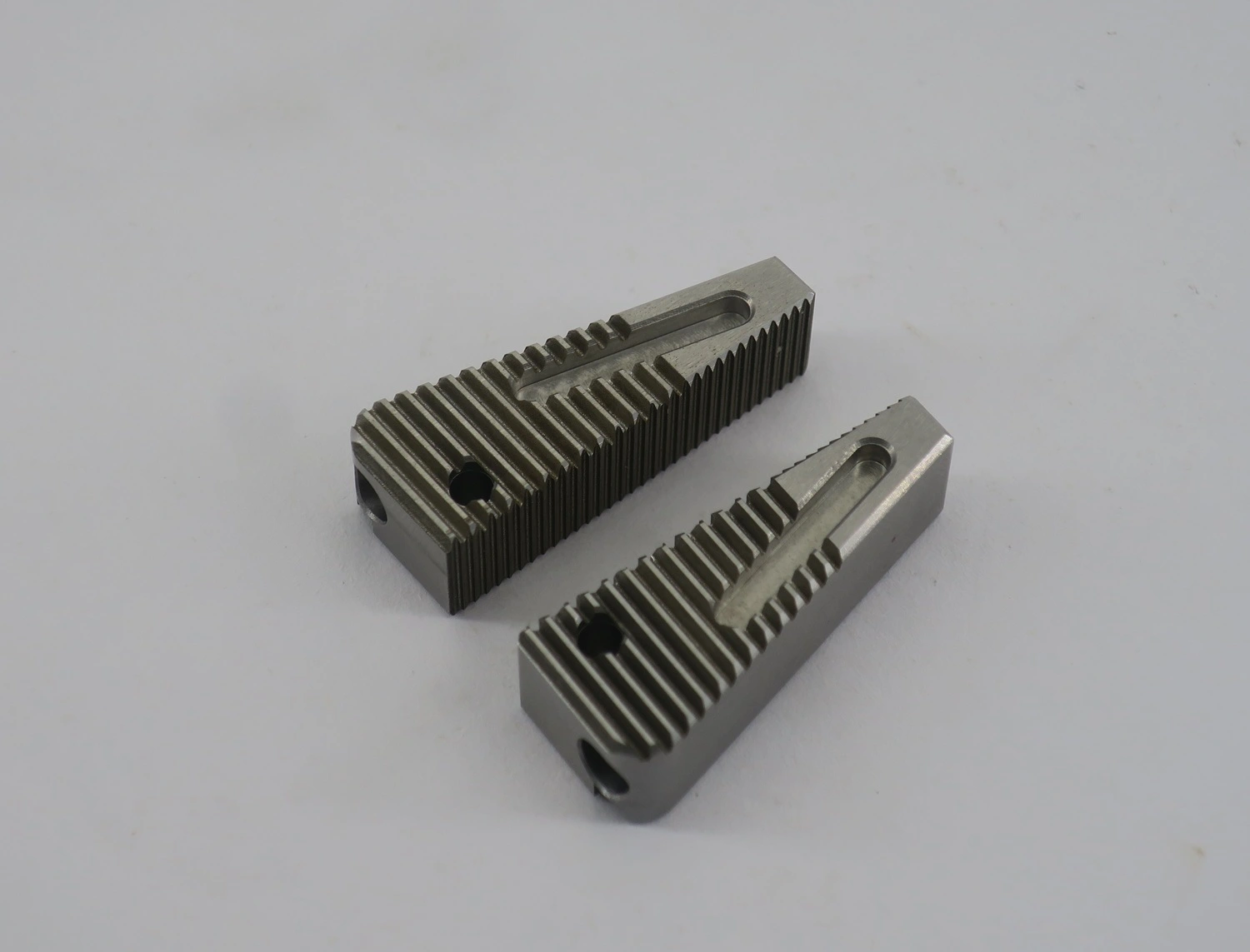
EDM is highly employed in situations when you require accurate shapes and cut hard metals. Moulds, dies, test stand, semiconductors, and automotive, aerospace and medical tooling are all commonly made from this technique. It is also used for small parts that have close tolerances, like fuel nozzles, thin-walled parts, and complicated cavities.
These features cannot be accessed by traditional tools and are produced accurately with EDM. It is effective in hard-to-cut metals like steel, titanium, tungsten alloys and so on. The technique is optimally used for prototyping and also for low-volume production runs.
How EDM Differs from Traditional Machining Processes
EDM does not cut material physically, but by electric sparks. It does not apply force on metal as with mills or drills, so delicate or thin areas are held steady. Hardened metals or sharp internal corners may be difficult to machine using traditional machining methods, but are easily produced using EDM.
EDM creates finely finished surfaces, sharp edges, complex 3D shapes, deep cavities and intricate profiles without damaging the tool and material distortion.
| EDM | Conventional CNC |
| Uses sparks | Uses cutting tools |
| No force on material | Cutting pressure applied |
| Best for hard metals | Best for softer metals & higher volume |
| Sharp corners, deep cavities | Radius limitations |
| Slow material removal | Fast material removal |
EDM is complementary to CNC machining—not a replacement.
Safety Considerations When Operating EDM Equipment
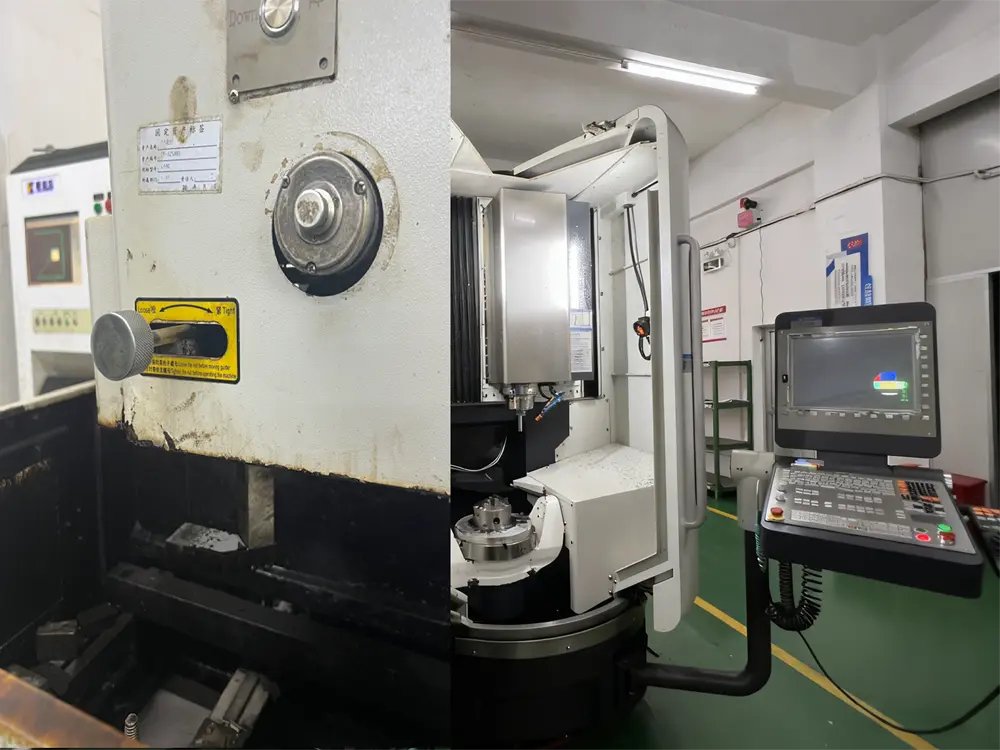
- EDM machining uses intensive electrical sparks, so always follow safety steps to avoid electric shocks.
- Operators must wear gloves, goggles, and proper clothing. Keep your skin and eyes safe from sparks.
- Fluids like kerosene produce hazardous fumes, so perform the EDM operation in a well-ventilated area.
- Store and handle fluids correctly and flush and clean regularly to avoid hazards.
- You must inspect and clean EDM machines often and ensure proper maintenance to prevent accidents.
- Only trained operators should use EDM and always follow and stick to safety rules at all times.
Partnering with Rollyu Precision: Custom EDM Solutions Engineered for Your Needs
At Rollyu, we provide precision wire EDM, sinker EDM, small hole EDM services. Our EDM machining parts with precision and care. Every EDM component is created to match your CAD design specifications, clear, burr-free surfaces, and meet tight tolerances. Tight tolerances down to ±0.005 mm (±0.0002″).
We work with a wide range of metals, including tool steel, hardened steel, titanium, brass, and copper. Complex shapes and detailed parts are handled with relative ease. Our team supports both prototypes and low-volume production. We focus on fast turnaround without compromising quality.
Safety and accuracy are our fundamental concerns and priorities. Our machines are maintained, and fluids are handled carefully to ensure consistent results. Working with a reliable CNC services provider means you will get expert guidance from start to end. We help you solve challenges quickly and keep your projects on track.
FAQ
What Is the Main Difference Between CNC Machining and EDM?
In CNC machining, the cutting of metal is done using spinning tools. On the other hand, EDM removes metal using electric sparks. It works well on very hard metals (not plastics) and detailed shapes that CNC tools cannot reach.
How Precise Is Electrical Discharge Machining?
EDM is exceptionally precise and can reach up to (+/- 0.005) mm or even (+/- 0.002) mm. It can make sharp corners, deep cavities, and thin-walled sections with high accuracy, making it ideal for complex and delicate parts.
Does EDM Leave a Smooth Surface Finish?
Yes, EDM machining produces a clean surface with no tool marks. However, it demands adjusting the spark size and pulse frequency, which can improve smoothness and finish quality.
Conclusion
EDM is a manufacturing method that shapes metal using tiny sparks. It is used on hard metals and detailed parts that normal tools cannot reach. Wire EDM, sinker EDM, and small hole EDM handle different types of profiles, cuts, holes, and shapes.
An EDM machine uses electrodes, guides, dielectric fluid, and controlled electricity. It is ideal for prototypes, moulds, and low-volume production.
At Rollyu, EDM parts are made to match designs, use strong metals, and are delivered on time. Following safety steps keeps operators and machines safe. Overall, EDM saves time, reduces errors, and gives reliable, high-quality results.