Choose a medical device prototyping process by the question the next build has to answer. CNC machining fits tests that depend on a specified stock material and precise interfaces, 3D printing fits fast geometry changes, vacuum casting produces repeat plastic samples, and sheet metal fabrication reproduces formed housings and brackets. An enclosure mockup and a functional fluid-control component need very different manufacturing plans, so compare each process against the features and conditions under test.
What Should a Medical Component Prototype Prove?
Define the engineering decision the prototype supports before requesting parts, because that decision sets how closely the sample has to match production:
- An early diagnostic-device enclosure may only need to prove connector access and assembly clearance.
- A sensor bracket may need to hold its position under load.
- A fluid-control component may need to show a sealing interface in the intended material.
Each case calls for a different level of fidelity. A shape model can settle an access question and still leave strength, fluid exposure, and surface performance untested. For a functional test, list the material properties, mating features, and operating conditions that affect the result, and separate them from cosmetic details that can wait. That list tells the manufacturing partner which process to propose and which features deserve extra machining or inspection effort in the quote.
Which Prototyping Process Fits Your Component?
Match the process to the test objective, then compare geometry, material, finish, and quantity. One device assembly often needs more than one process, because its cover, internal bracket, and precision interface do different jobs.
| Process | Prototype Task It Suits | Limitation to Check |
|---|---|---|
| CNC machining | Testing bores, threads, sealing faces, and mating features in specified metal or plastic stock | Cutter access, internal radii, thin walls, and number of setups |
| Plastic 3D printing | Checking enclosure shape, grip, connector clearance, and assembly access | Printed material and surface condition can differ from the production part |
| Metal 3D printing | Building complex internal geometry or consolidated component designs | Support removal, post-processing access, and critical surfaces that need machining |
| Vacuum casting | Producing repeat plastic housing or cover samples from a silicone mold | Casting resin needs its own property check against the intended production plastic |
| Sheet metal prototyping | Checking formed brackets, panels, chassis, and equipment housings | Bend geometry, hardware access, joining, and finished assembly dimensions |
CNC Machining for Material and Interface Tests
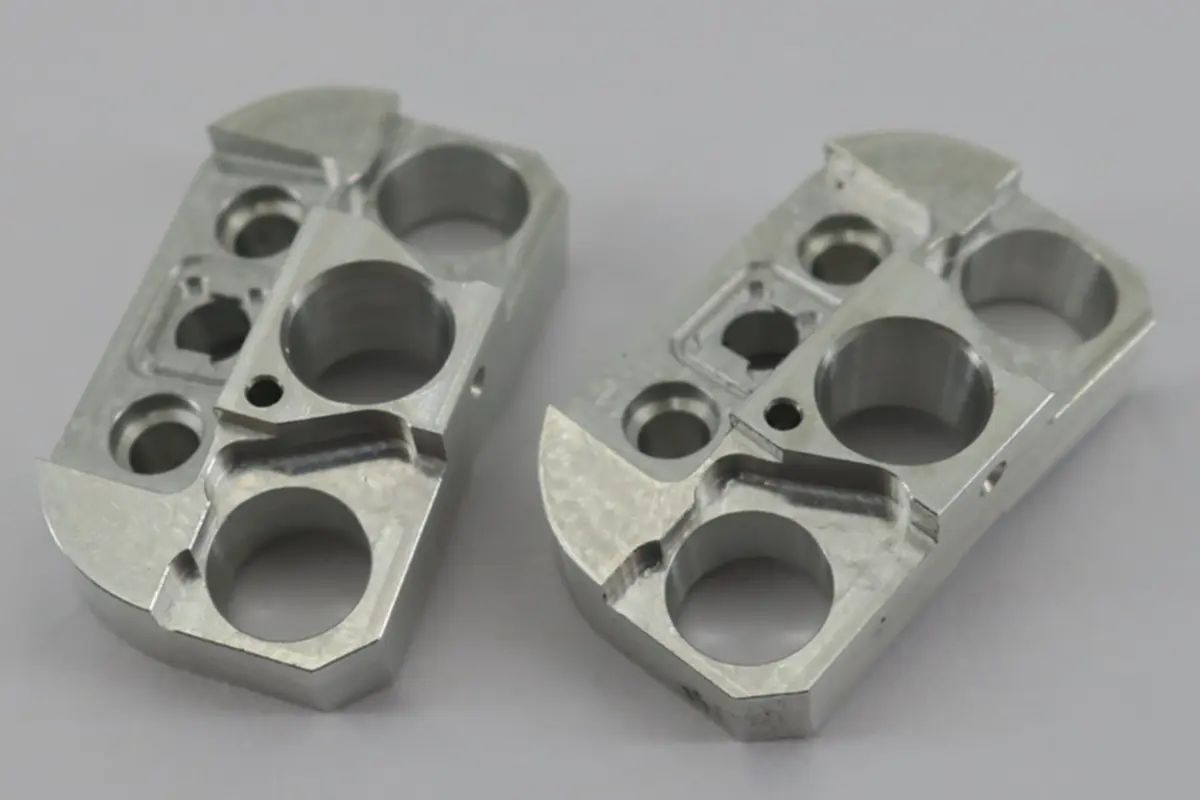
Choose CNC machining when the test depends on a particular stock material or a controlled mechanical interface. A machined sensor holder reproduces its locating bore and mounting faces, and a machined fluid block reproduces its threaded ports and sealing surfaces. CNC prototype machining also works in engineering plastics when the specified grade matters. Check deep pockets, thin walls, and internal corners before committing, since tool reach and workholding can complicate a part that looks simple in CAD.
3D Printing for Shape and Complex Geometry
Plastic 3D printing lets design engineers compare enclosure forms and check fit around a printed circuit board (PCB), cable, or connector while the geometry is still changing and production tooling would lock decisions in too early. Read the result for what the sample is: a comfortable grip or adequate clearance doesn’t show how the final molded part performs mechanically.
Metal printing solves a different problem. Internal passages and consolidated geometry can justify it, but a printed blank may still need machined bores, threads, or sealing faces, and build orientation and post-processing affect the properties available for testing. Compare the finished part with its secondary operations included.
Vacuum Casting for Repeated Plastic Samples
Vacuum casting forms urethane parts in a silicone mold made from a master pattern. It suits a batch of housing, cover, or ergonomic samples that need a consistent look and feel, and urethane casting often bridges early printed models and later production tooling. The resin is its own material choice, though. An ABS-like casting doesn’t behave like injection-molded ABS, so check the actual resin data against the test before drawing functional conclusions from those samples.
Sheet Metal for Formed Housings and Brackets
Choose sheet metal prototyping when the production design is a formed sheet structure. A diagnostic-equipment chassis or bent mounting bracket has to prove the bends, attachment points, and installed clearances that define its assembly, and a version cut from solid stock can hide those fabrication details. Include bend access, nearby holes, weld locations, and inserted hardware in the prototype review. If a coating or other finish affects an interface, check the fit in the finished condition.
Which Medical Requirements Change the Process Choice?
Material identity and the finished surface can change what a prototype result means. When the component will meet fluids, cleaning agents, heat, or body contact, give these requirements the same attention as the CAD geometry.
Material Grade and Test Conditions
Specify the material grade and condition whenever the test depends on them, because “stainless steel” or “medical plastic” leaves too much open. Machined, printed, and cast samples can have different processing histories even when their material names sound alike. State the expected load, temperature, fluid exposure, or repeated-use condition so the supplier can check the proposed material against it. For patient-contact components, biological safety depends on the type of contact and the finished device, and a polymer or alloy name alone doesn’t establish suitability.
Surface Finish and Post-Processing
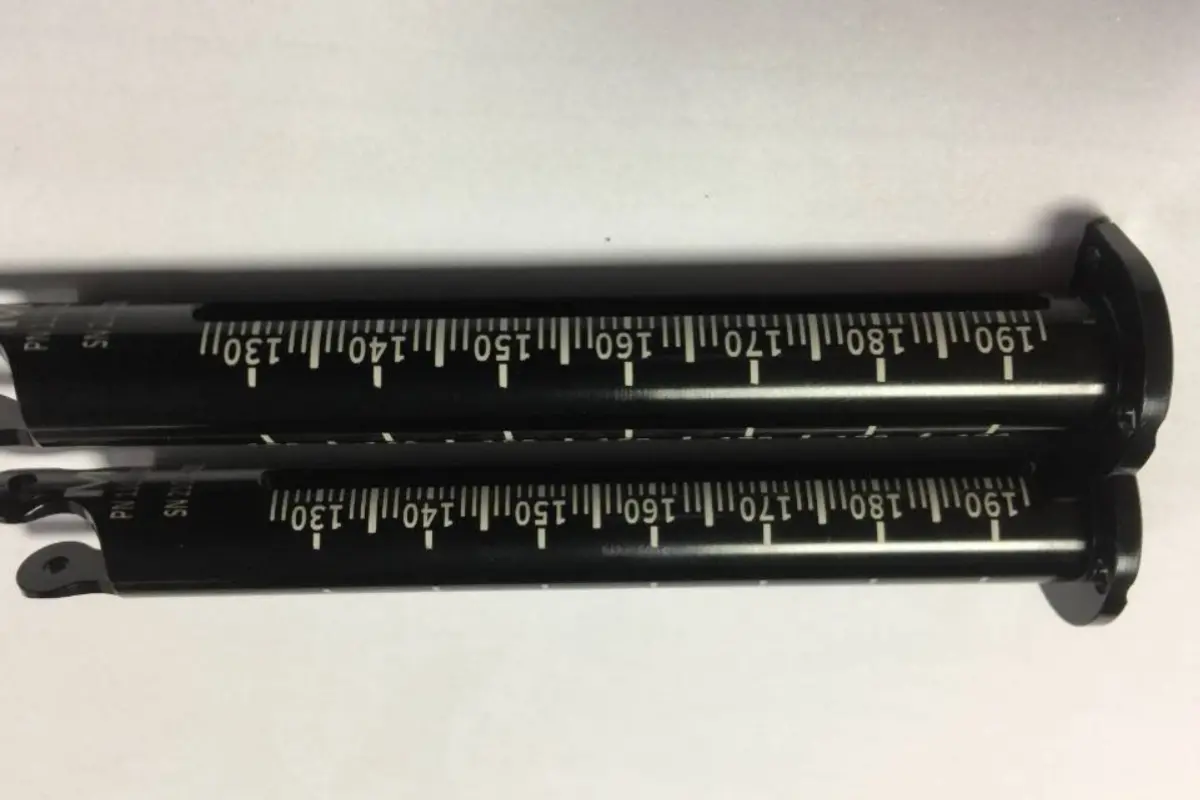
Treat finishing as part of the test article when it affects the result. A sealing face, sliding interface, or cleaned surface can behave differently after polishing, coating, or another specified operation. On additive parts, confirm that supports and manufacturing residue can be removed from complex internal geometry before accepting it.
FDA guidance treats a device’s final finished form as including manufacturing processes, packaging, and sterilization where applicable. A prototype meant to represent the finished component in biological testing has to reflect those processes, so agree on the cleaning or sterilization method and the intended finished condition with the device team before ordering that build.
What Evidence Should Accompany the Prototype?
Request the records that support the decision the prototype will inform:
- Material-sensitive test: material certificates that trace the material identity
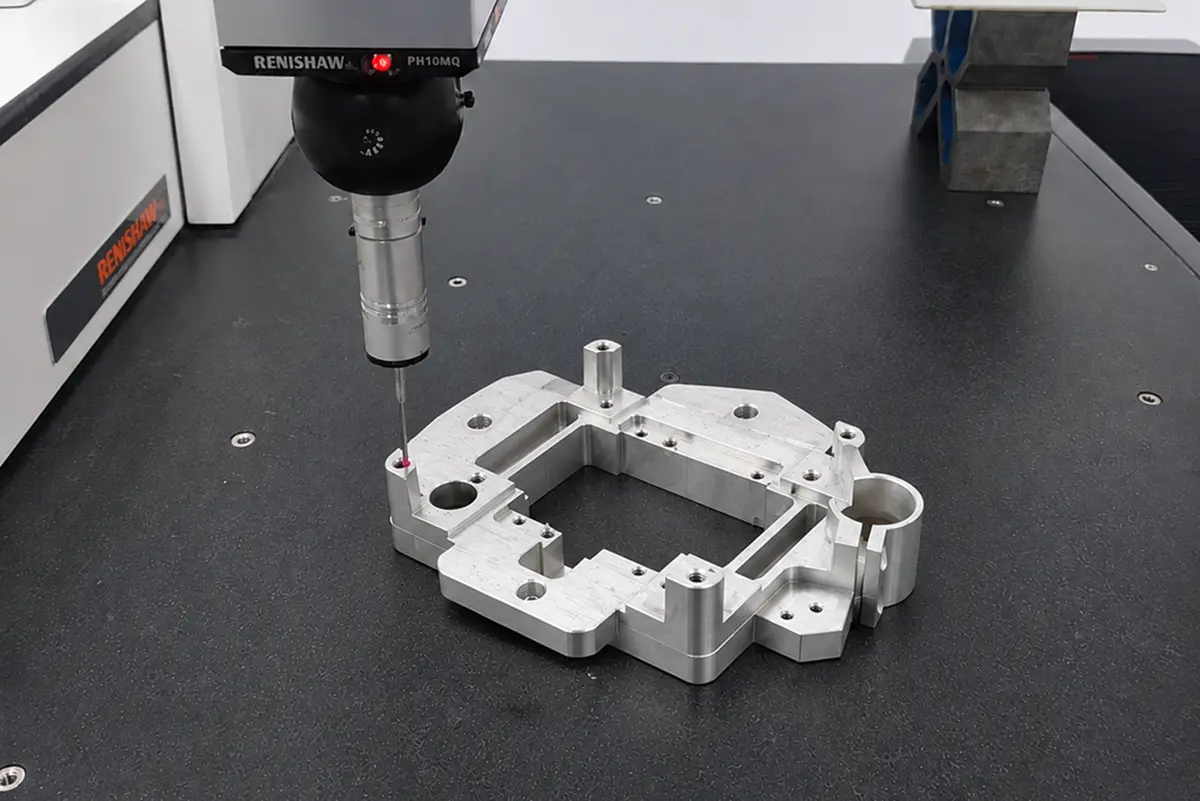
- Fit problem: a dimensional report on the controlling interfaces
- Surface-dependent test: a record of the agreed finish or processing condition
Keep the drawing revision and part identification consistent across samples and records. The medical CNC inspection document package can grow as the build moves toward formal verification or production, but a thicker report doesn’t make up for measuring the wrong features.
What Should a Medical Prototyping Partner Deliver?
Look for a partner that will challenge the proposed process, explain manufacturing constraints, and supply the agreed evidence. Process range matters when one medical assembly combines machined interfaces, plastic covers, and formed metal structures.
Process Selection and DFM Feedback
Rollyu Precision offers CNC machining, plastic and metal 3D printing, vacuum casting, and sheet metal prototyping. Its design for manufacturability (DFM) review checks tolerances, materials, and feature manufacturability from the CAD files, so engineering teams can discuss alternatives before releasing the prototype order. Ask for a specific response on the features that control your test, such as a hard-to-reach pocket, an unstable thin wall, or a surface that needs a secondary operation. A useful review also separates changes that keep the test objective intact from substitutions that would change the result.
Component Manufacturing and Inspection Support
For medical device components, Rollyu combines 3-, 4-, and 5-axis CNC machining with sheet metal fabrication and finishing. Machining materials include stainless steel, titanium, and engineering plastics such as PEEK and Delrin (POM). Rollyu’s quality management system is certified to ISO 13485:2016, and its quality support includes coordinate measuring machine (CMM) inspection, dimensional reports, material traceability, Material Test Reports, and first article inspection documentation.
Confirm which records and operations apply to the quoted part. ISO 13485 covers the quality management system, while the drawing and agreed test requirements define the evidence that component needs.
What Should You Send for a Process Review?
Send a controlled file package and say what the prototype needs to prove:
- 3D CAD model and 2D drawing at the same revision
- Material grade, critical interfaces, and intended finish
- Test conditions and acceptance criteria the engineering team has already defined
- Quantity, target delivery date, and requested inspection or material records
If the process is still open, ask Rollyu’s rapid prototyping team to compare the viable options against that package. Mark unresolved requirements as open questions so the DFM review can settle them before machining, printing, casting, or fabrication starts.
Frequently Asked Questions
Can I Order a Single Medical Device Prototype Component?
Yes. Rollyu lists a one-piece minimum for its medical CNC prototyping and supports medical manufacturing starting from one piece. Confirm the minimum for your chosen process and material when requesting the quote, since the one-piece CNC terms don’t automatically apply to every casting or printing job.
Can Rollyu Sign an NDA Before I Share Design Files?
Yes. Rollyu signs nondisclosure agreements for custom manufacturing projects. Put the NDA in place before sending confidential CAD files or drawings, and confirm its scope with your project contact.
Can a Functional Prototype Go Directly Into Patient Testing?
No. Bench-test success doesn’t authorize patient use. The device team needs a separate review of biological safety, the proposed clinical use, and applicable study requirements before patients are involved, and a supplier’s dimensional report or quality-system certificate doesn’t provide that authorization.