

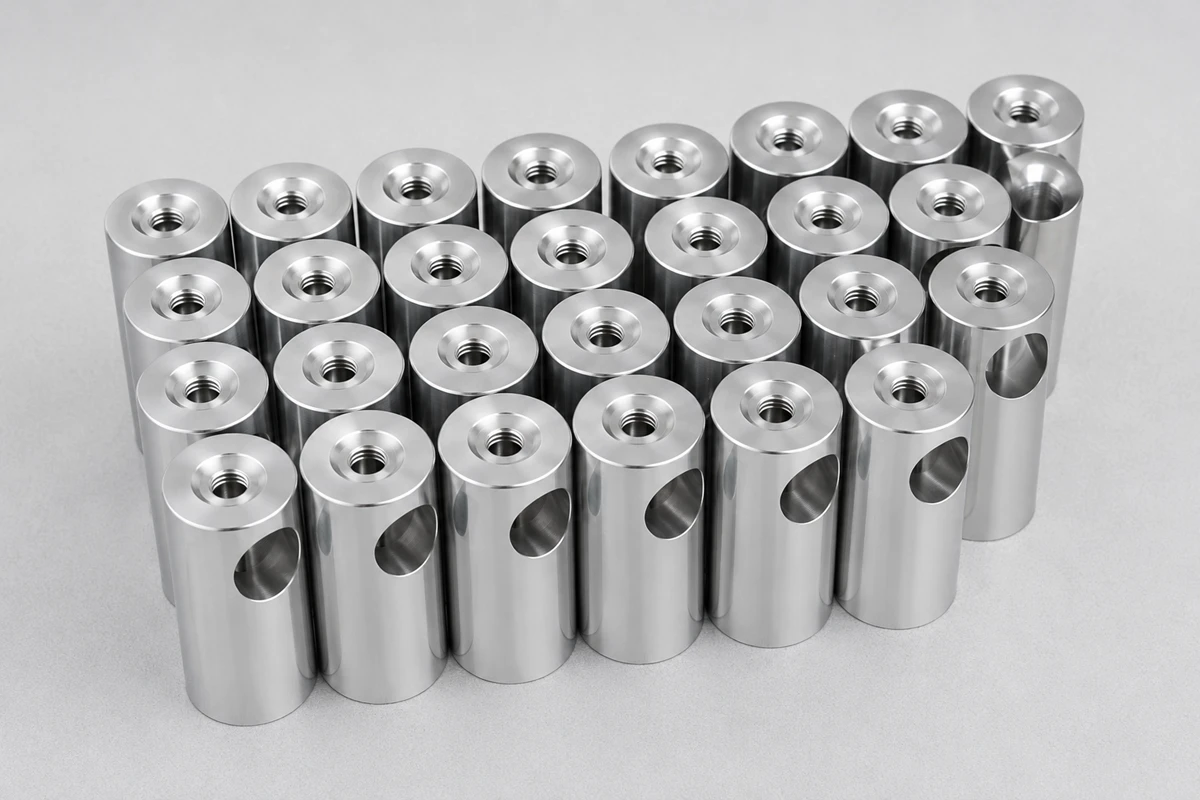
| Quick answer: Fastener surface treatment does not always provide complete protection during storage, handling and international shipping. A compatible rust preventive oil can add a temporary hydrophobic barrier that limits contact between the metal surface and moisture, oxygen and contaminants. It is especially useful for bare or heat-treated steel, black-oxide and phosphate-finished fasteners, and other systems where the finish alone is not intended to provide long-term atmospheric corrosion resistance. The oil, finish and packaging must be selected as one system because material, coating, geometry, storage duration, salt exposure, cleanliness and assembly requirements all change the correct solution. |
A custom fastener can leave the plating or black-oxide line looking perfect and still arrive at the customer with red rust, staining, white corrosion products, water marks or inconsistent appearance. For buyers, this is more than a cosmetic problem. Corrosion on threads can change fit, contaminate an assembly, increase inspection and sorting cost, trigger incoming-quality rejection, delay production, and raise questions about the supplier’s process control.
The key point is that surface treatment and temporary corrosion protection are not the same thing. A conversion coating, electroplated layer, passivated surface or cosmetic black finish may improve corrosion behavior, but the actual resistance depends on the substrate, coating chemistry and thickness, post-treatment, pores or discontinuities, handling damage, humidity, packaging and the service environment. Rust preventive oil is often used as a final temporary barrier when the specification allows it.
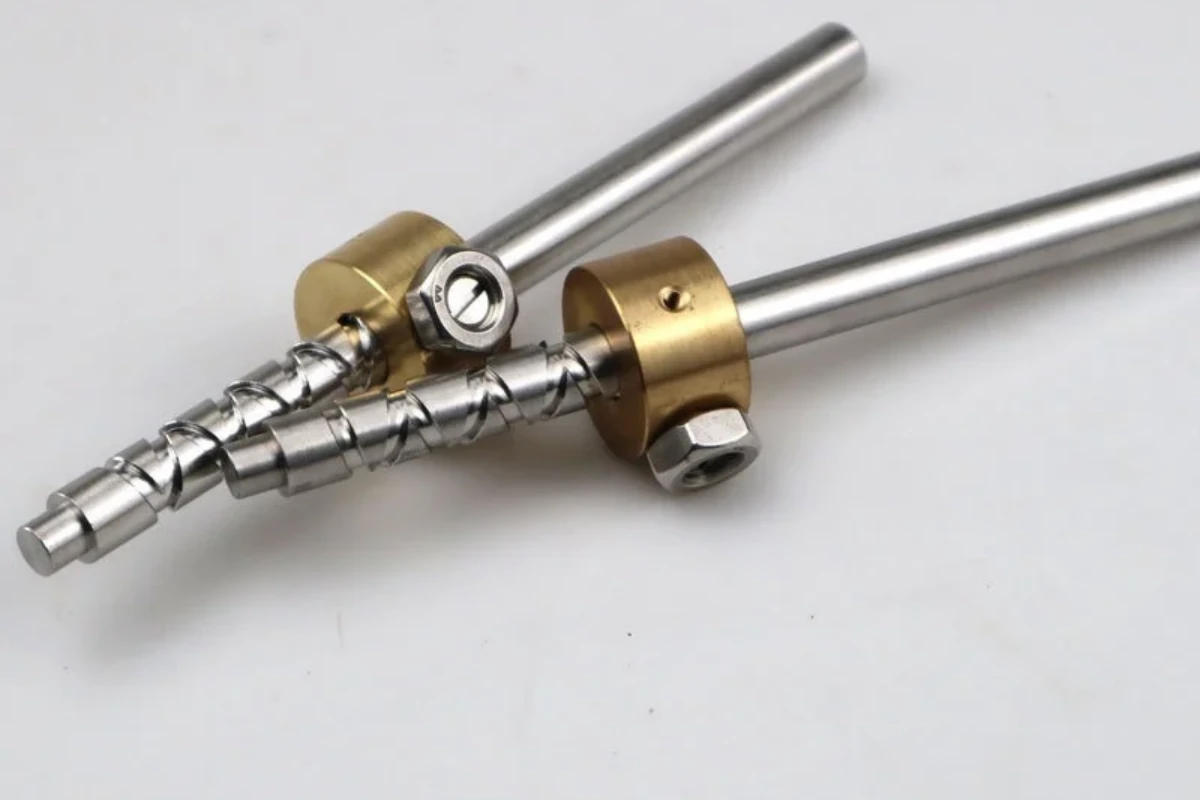
Why Surface-Treated Fasteners Can Still Rust
Corrosion needs an electrochemical path. In practical storage and logistics, moisture, oxygen, salts, fingerprints and process residues can create that path on exposed steel or at defects in a coating. Surface finishing reduces risk, but it cannot automatically remove every corrosion driver.
Coatings can contain pores, thin areas and exposed edges
Threads, sharp edges, recesses, blind features and contact points are difficult geometries for many finishing processes. A coating may be thinner at an edge, mechanically damaged during bulk handling, or discontinuous inside a recess. On plated parts, small defects can expose the base metal. On conversion-coated parts, the finish may be intentionally thin and may rely on a post-treatment seal or oil for practical storage protection.
Black oxide and phosphate finishes commonly depend on a post-treatment
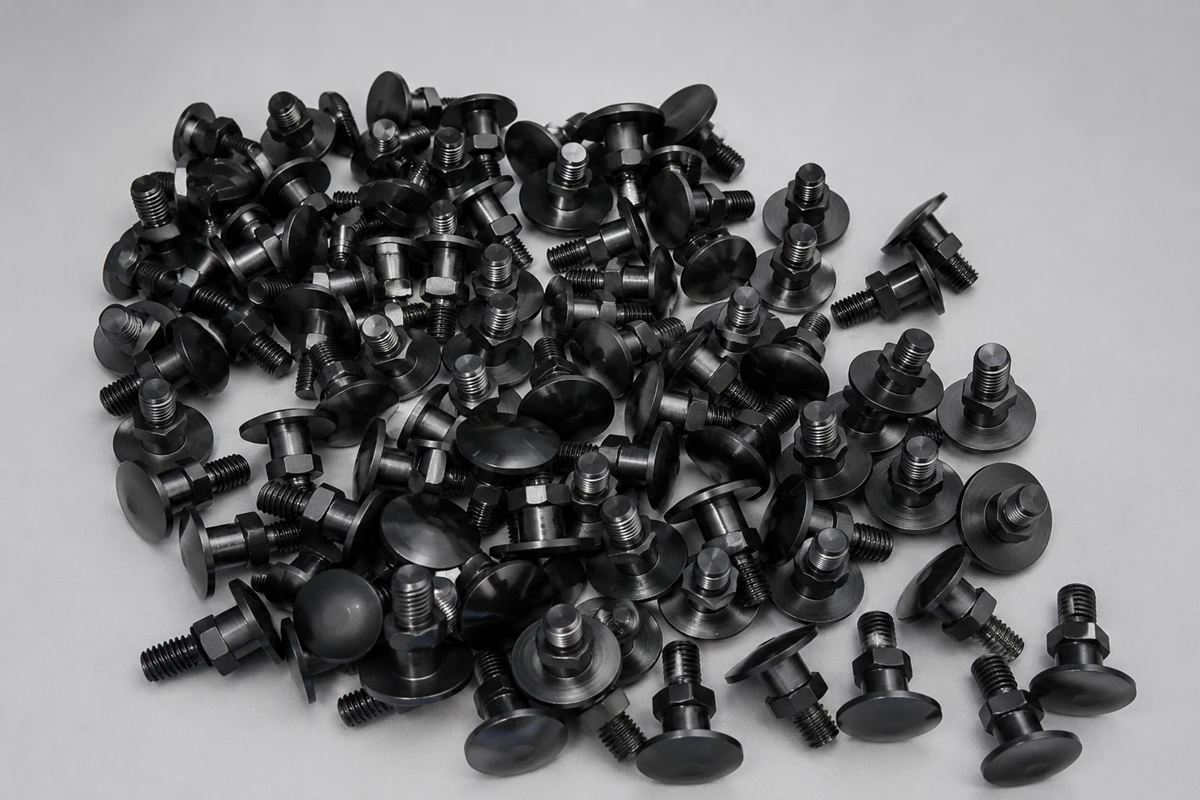
Black oxide is a conversion finish valued for its dark appearance, dimensional stability and low build-up. It is not a thick barrier coating. For steel fasteners, oil or wax is commonly used as a sealing/post-treatment layer to improve short-term corrosion resistance. Phosphate coatings are also porous by nature and can retain oil, which is one reason phosphate-plus-oil systems are widely used where both corrosion protection and controlled friction are required.
Plating improves corrosion resistance but does not eliminate handling and storage risk
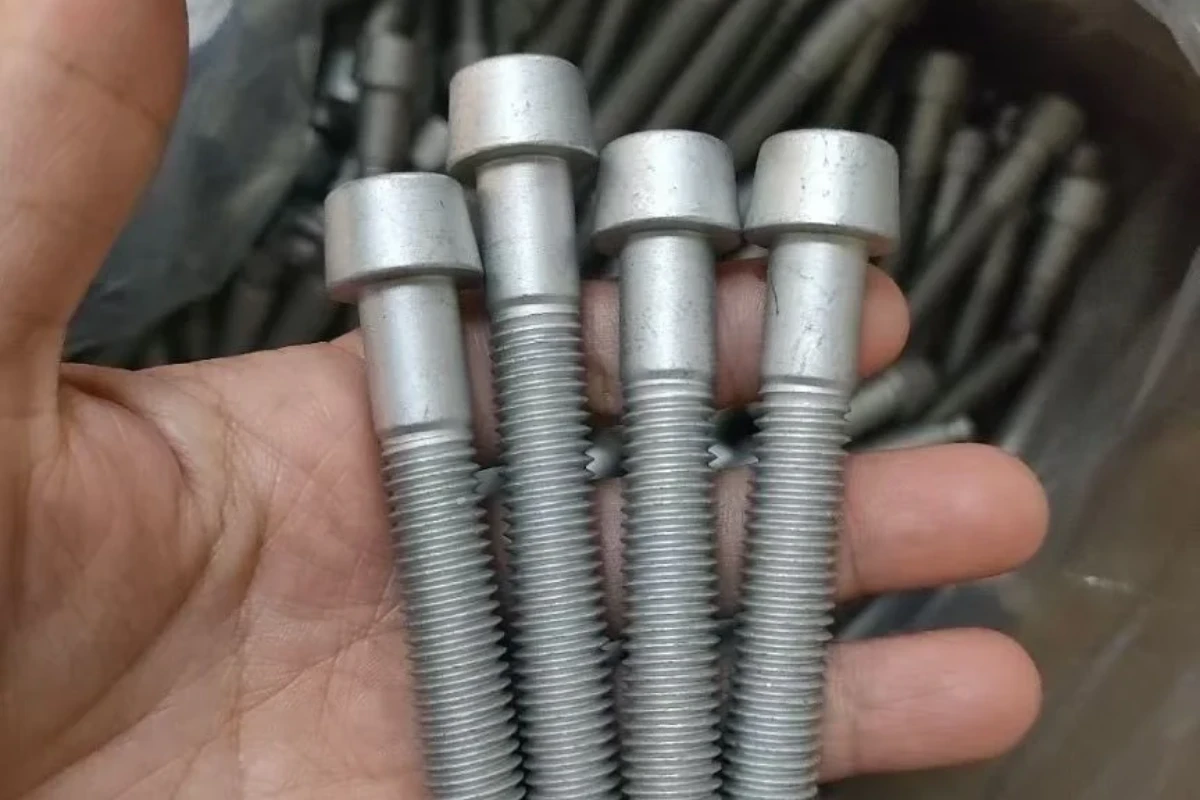
Zinc and other metallic coatings can provide substantial protection when correctly specified and applied, but actual performance still depends on coating system, thickness, conversion topcoat or sealer, defects, exposure conditions and mechanical damage. Additional temporary oil may be useful for some storage or export conditions, but it should not be added automatically because it can change friction, cleanliness and downstream assembly behavior.
Condensation and packaging can defeat a good finish
A common export failure is condensation rather than a defective coating. Parts packed warm, packed before fully drying, or moved between different temperatures can trap moisture in a sealed bag or carton. High humidity, coastal storage and ocean freight increase exposure. That is why cleaning, drying, oil application, drainage or flash-off, and packaging must be treated as one controlled process.
How Rust Preventive Oil Protects Fasteners
Rust preventive oils and corrosion preventive compounds use a carrier or base fluid plus inhibitors and film-forming components. When the chemistry is compatible with the metal and coating, the product spreads across the surface and forms a water-repellent barrier. Corrosion inhibitors can adsorb at the metal interface while the oil film reduces direct contact with water, oxygen and ionic contamination. The result is temporary protection rather than a permanent change to the substrate.
The effectiveness of that film is material- and surface-dependent. Bare carbon steel, alloy steel, black oxide, phosphate, zinc-coated parts, copper alloys and stainless steel do not interact with every inhibitor package in the same way. The surface can also be in a different chemical state after heat treatment, pickling, plating or conversion coating. This is why ‘one oil for every fastener’ is a weak purchasing or process strategy.
Common categories of temporary corrosion preventives
| Type | Where It Can Fit | Buyer / Process Caution |
| Thin-film / solvent-carried preventives | Low film build; convenient for dipping or spraying; can be suitable for indoor storage or sealed packaging. | Allow the specified carrier flash-off before packing; verify VOC/SDS and downstream compatibility. |
| Water-displacing oils | Designed to displace residual water and leave a protective film. | Useful only when the product is qualified for the substrate/finish; not a substitute for proper cleaning. |
| Wax-film preventives | Dryer or firmer film with improved barrier durability for some harsh storage conditions. | Removal may be harder; confirm assembly cleanliness and gaugeability. |
| Water-dilutable / emulsifiable preventives | Lower-solvent options available for selected process environments. | Performance and residue vary widely; follow supplier TDS/SDS and validate on the actual finish. |
Why Oiled Fasteners Still Rust: Seven Common Failure Modes
The preventive was selected for the wrong duration or environment
An inter-operation oil intended for days or weeks inside a controlled plant is not automatically suitable for months of storage, a humid warehouse or ocean freight. Select the preventive based on substrate, coating, storage period, temperature/humidity, salt exposure, packaging and the required removal method.
Cleaning and drying were incomplete
Residual cleaner, rinse water, fingerprints, salts, polishing compound or plating chemistry under the oil can accelerate corrosion. The source material provided for this article correctly emphasizes cleaning and drying before oiling. Handling after final cleaning should use clean gloves rather than bare hands to avoid re-contaminating the surface.
Coverage is incomplete or excessively uneven
Dipping can be very effective for threaded parts because the fluid reaches roots, recesses and contact surfaces, but the part must be fully wetted and then drained. Spray application must reach all sides and internal features. Excessive puddling can create contamination, while a broken or very thin film can leave exposed areas.
Parts are packaged too soon
Some products require drainage, carrier evaporation or curing before bagging. Packaging immediately after application can trap solvent or moisture and cause staining, odor, soft packaging or inconsistent film. Application temperature and dwell time are product-specific. A fixed temperature such as 45-50°C should not be treated as a universal fastener requirement; follow the corrosion-preventive supplier’s technical data sheet and validated shop instructions.
The finish is damaged after treatment
Bulk tumbling, metal-to-metal impact, thread rolling defects, wrench contact, sorting equipment or transportation can expose the substrate. A preventive oil can reduce atmospheric exposure but cannot repair a mechanically damaged coating.
Packaging does not match the logistics route
A light oil film may be adequate for short, dry domestic storage but insufficient for a long export route with condensation risk. Depending on the requirement, corrosion control may need sealed polybags, VCI materials, desiccants, humidity indicators or secondary barrier packaging. These controls must be compatible with the part, finish and customer’s cleanliness requirements.
Salt-spray hours are treated as a lifetime guarantee
This is a frequent purchasing error. ASTM B117 and ISO 9227 define controlled salt-spray test environments, but they do not by themselves prescribe the exposure period or pass/fail criteria for a specific fastener. ASTM also cautions that stand-alone salt-spray performance should not be assumed to predict natural service life. The drawing, coating specification or customer standard should define the method, duration, evaluation area and failure criteria.
A Practical Post-Treatment Anti-Rust Process for Fasteners
- Confirm the material, heat-treatment condition, drawing finish callout and any customer-specific coating standard before starting the corrosion-control plan.
- Complete the specified surface treatment and verify critical characteristics such as appearance, coating thickness or finish condition where applicable.
- Clean and rinse as required by the finishing process. Remove residual salts, chemicals, chips and contamination.
- Dry completely. Pay special attention to thread roots, blind holes, counterbores and stacked parts where water can remain.
- Handle with clean gloves after final cleaning/drying to reduce fingerprint and chloride contamination.
- Apply a compatible corrosion preventive by dip, spray or another validated method. Dipping is often effective for complete coverage of complex threads and recesses.
- Allow the product to drain, flash off or cure according to its technical data sheet. Do not use a generic temperature/time rule across different oils.
- Inspect film coverage and part appearance. Where needed, verify thread fit after finishing using calibrated GO/NO-GO gauges or the inspection method required by the drawing.
- Package for the actual storage and shipping environment. Add VCI, desiccant or barrier packaging only when technically appropriate and approved.
- Maintain lot traceability between material, machining, heat treatment, surface treatment, corrosion preventive, inspection and shipment documentation.
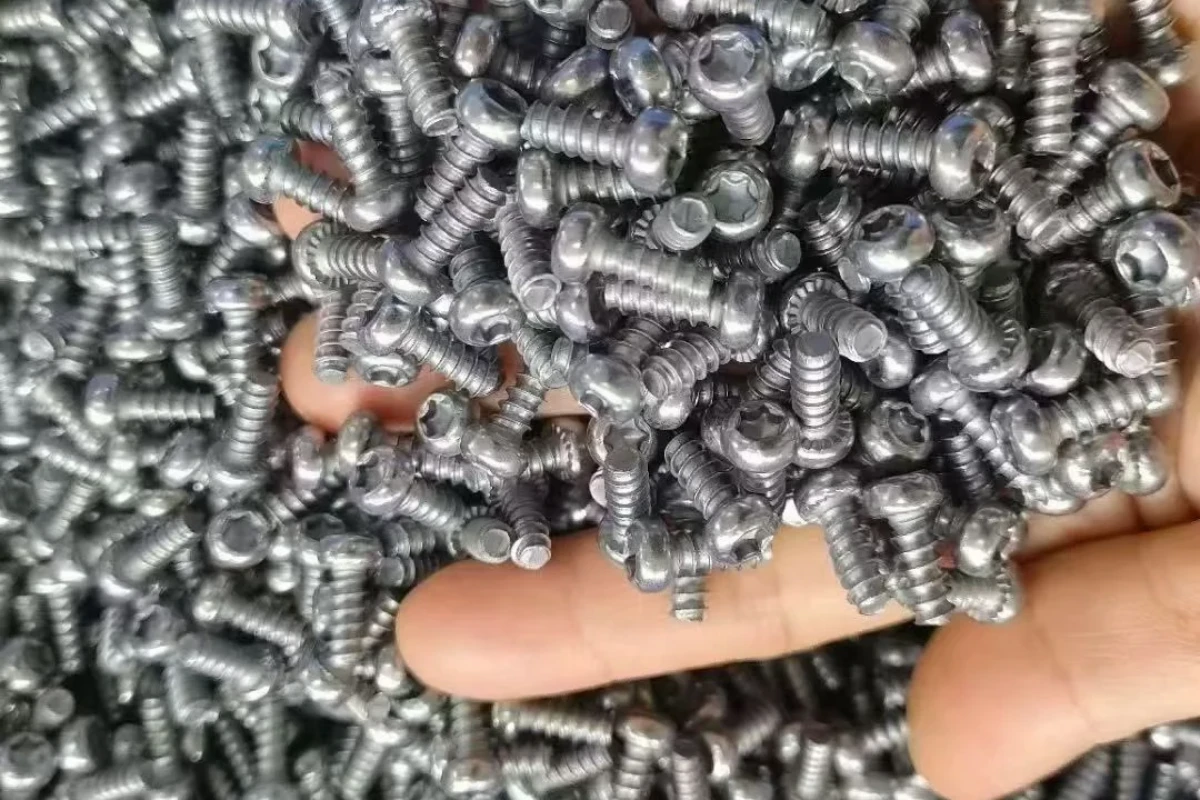
Which Surface Treatments Most Often Need Post-Treatment Oil?
| Fastener Condition | Role of Oil | Specification Note |
| Bare / heat-treated carbon or alloy steel | Often important for storage and transit if no permanent coating is specified. | Corrosion preventive + controlled packaging; verify cleanliness and duration. |
| Black oxide on steel | Oil or wax is commonly part of the corrosion-protection system. | Define the required post-treatment and do not assume black color alone is corrosion proof. |
| Phosphate coating | Oil can fill/occupy porous coating and improve temporary protection. | Friction requirements may be part of the fastener specification. |
| Zinc or zinc-alloy plating | May or may not need additional oil depending on plating/topcoat, storage and assembly requirements. | Do not add oil without considering torque-tension behavior, appearance and customer specs. |
| Nickel / other plated finishes | Depends strongly on coating system and end use. | Use drawing/coating specification and supplier recommendations. |
| Passivated stainless steel | Oil is usually not the primary corrosion mechanism and may be undesirable for clean applications. | Prioritize proper passivation, cleanliness and packaging; use oil only if permitted by application. |
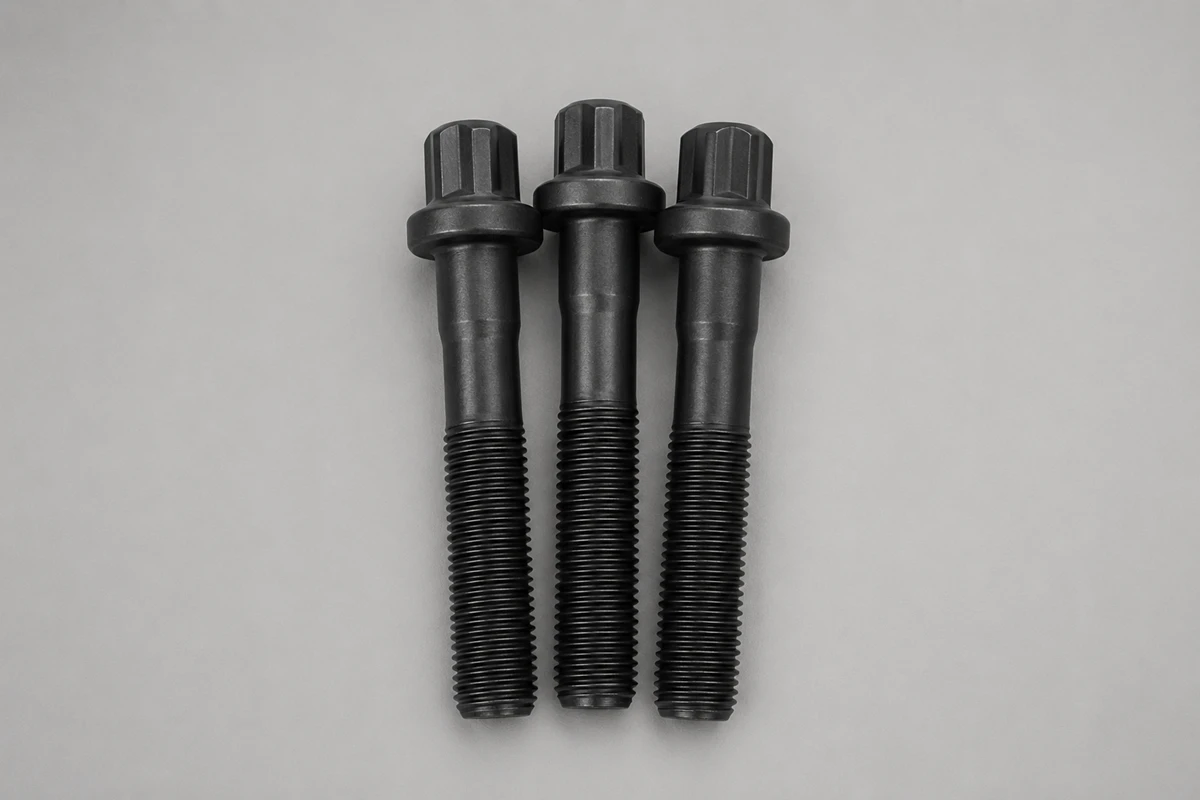
Important Procurement Risk: Rust Preventive Oil Changes More Than Corrosion Resistance
For a purchasing engineer, the correct question is not only ‘Will this oil stop rust?’ It is also ‘What else will this oil change?’ A thread coated with oil generally has lower friction than a dry thread. At the same installation torque, a change in friction can change clamp load. This matters for structural, motion-control, medical, automotive and other engineered assemblies.
- Torque-tension / coefficient of friction: state whether the fastener is assembled dry, oiled, waxed or with a specified lubricant. If friction is critical, the coating/lubricant system should be specified and validated.
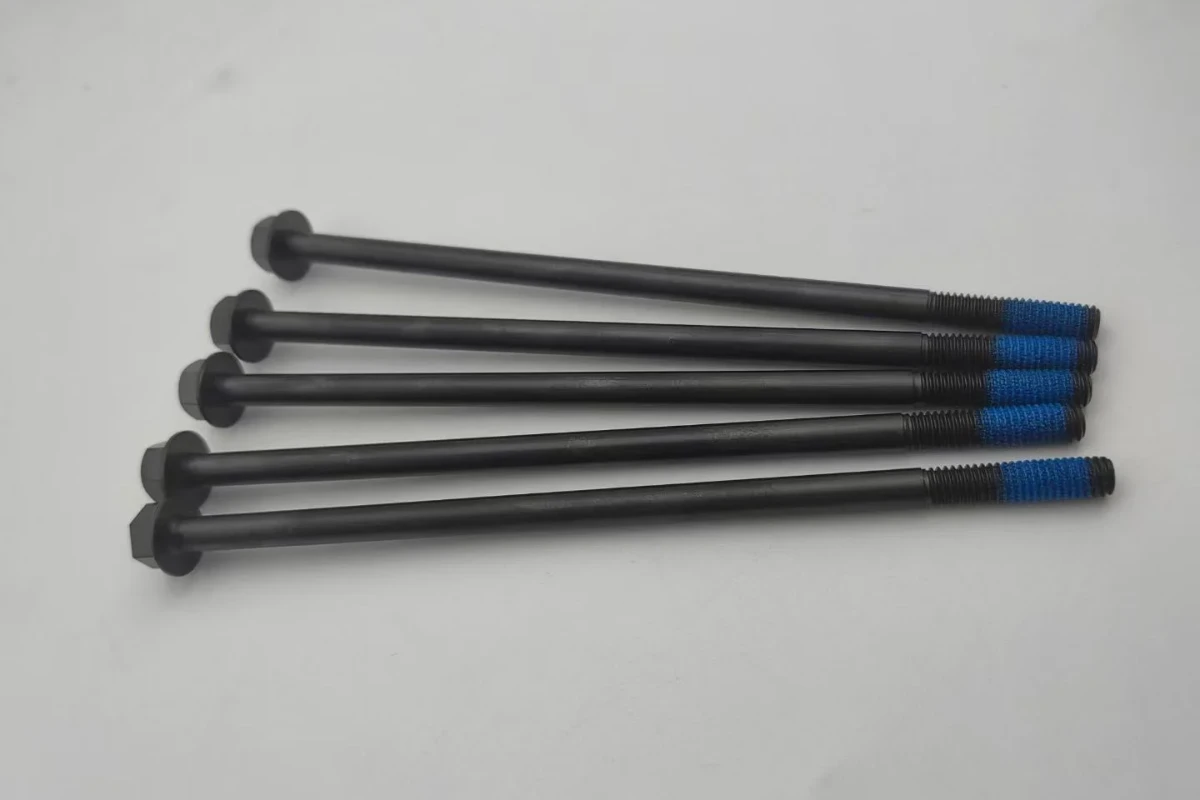
- Threadlocker and adhesive compatibility: oil on male or female threads can reduce adhesion or change curing. Parts using pre-applied threadlocker need a qualified, compatible process.
- Cleanroom, vacuum and optical equipment: residual oil may be unacceptable because of contamination or outgassing. Use a no-oil or validated low-residue package when required.
- Medical / life-science assemblies: cleanliness, biocompatibility and sterilization requirements can override a generic anti-rust-oil practice. The customer specification governs.
- Paint, bonding and overmolding: oil can interfere with adhesion. If the part will be painted, bonded or overmolded, specify removal/cleaning requirements.
- High-strength plated steel: electroplating and acid pretreatments can introduce hydrogen-embrittlement risk. Applicable material, coating and baking requirements must be controlled separately; preventive oil is not a remedy for embrittlement.
How to Specify Corrosion Protection on a Fastener RFQ
A buyer gets a more reliable quotation when corrosion expectations are converted into measurable requirements instead of asking for ‘good rust protection.’ Include the following information with the drawing or purchase specification.
| RFQ Input | What to Specify |
| Base material and strength/heat treatment | Example: carbon steel / alloy steel / stainless steel, grade, hardness or property class. |
| Surface treatment | Black oxide, phosphate, zinc/zinc alloy, nickel, passivation, coating standard and required thickness where applicable. |
| Salt-spray requirement | Test method (e.g., ASTM B117 or ISO 9227), hours, specimen orientation if relevant, and exact failure criteria. |
| Storage and transit | Expected indoor storage period, humidity/temperature concerns, ocean freight, coastal warehouse or other exposure. |
| Rust preventive film | Oil/wax allowed? Low-oil feel? Dry-to-touch? Removable? Customer-approved product required? |
| Assembly friction | Torque-tension or coefficient-of-friction requirement; dry vs lubricated installation condition. |
| Adhesive / patch requirements | Pre-applied threadlocker, nylon patch, prevailing-torque feature or bonding operation. |
| Cleanliness restrictions | No silicone, no oil, low residue, cleanroom, medical, vacuum or optical restrictions. |
| Inspection and documentation | Thread gauges, coating thickness, hardness, material cert, plating cert, salt-spray report, FAI or lot traceability. |
| Packaging | Bulk vs separated, polybag, VCI, desiccant, tray, moisture barrier and labeling requirements. |
| Buyer-ready RFQ sentence: “Please quote to drawing and specify the proposed surface-treatment system, post-treatment corrosion preventive, packaging method and salt-spray verification plan. State any effect on thread friction/torque and identify any cleanliness or removal requirements before assembly.” |
Salt Spray Testing: What It Can and Cannot Tell You
Salt spray is useful for comparing coating systems, screening process consistency and checking for coating discontinuities under a defined test method. It is not a universal conversion from ‘hours in chamber’ to ‘years in service.’ ASTM B117-26 defines the apparatus, procedure and conditions for salt spray (fog) exposure but does not prescribe a specific exposure time or interpretation for a product. ISO 9227:2022 likewise defines NSS, AASS and CASS test methods while leaving product-specific exposure periods and acceptance criteria to the relevant specification.
For a procurement drawing, ‘pass 96 hours salt spray’ is incomplete unless the coating system and failure criterion are also clear. Does failure mean first red rust on the base steel, white corrosion product on zinc, corrosion at edges, or a percentage of the significant surface? A well-written RFQ removes that ambiguity before production.
How Rollyu Precision Approaches Fastener Corrosion Control
Rollyu Precision’s public manufacturing information emphasizes ISO 9001:2015 and ISO 13485:2016 quality systems, material verification and traceability, CNC milling/turning/Swiss machining, surface finishing, and inspection with CMMs, micrometers and thread gauges. For custom machined fasteners and threaded components, the most useful value is not simply access to a coating vendor; it is coordinating machining, thread quality, heat treatment, finishing, corrosion protection, inspection and packaging against one drawing and one RFQ requirement.
That coordination matters because a fastener can be dimensionally correct before finishing and out of specification afterward if coating build-up affects threads, if a masking requirement is missed, or if the final oil/patch changes assembly behavior. A process-aware supplier reviews these interactions before shipment rather than treating finishing as a cosmetic last step.
Related Rollyu Precision resources: CNC machining parts and finishing capabilities • About Rollyu Precision and quality systems • Rollyu Precision homepage
FAQ: Rust Preventive Oil and Fastener Corrosion Protection
Why are fasteners dipped in rust preventive oil after surface treatment?
Dipping helps wet threads, recesses and complex features with a temporary protective film. The film reduces direct contact with moisture and oxygen and can improve storage or shipping protection when it is compatible with the substrate and finish.
Does black oxide need rust preventive oil?
For steel fasteners, black oxide commonly uses oil or wax as a post-treatment because black oxide itself is a thin conversion layer rather than a thick barrier coating. The exact post-treatment should follow the drawing, coating specification and supplier process.
Do zinc-plated fasteners always need anti-rust oil?
No. Zinc or zinc-alloy systems may already include conversion coatings and sealers. Additional oil can be helpful in some logistics conditions, but it may change friction, appearance or downstream assembly. It should be specified rather than automatically added.
How long can rust preventive oil protect fasteners?
There is no universal time. Protection depends on the oil chemistry and film, base material, surface treatment, cleaning, packaging, humidity, temperature, salt exposure and handling. Use validated storage requirements rather than a blanket months-of-protection promise.
Can rust preventive oil affect tightening torque?
Yes. Oil changes thread and under-head friction, which can change clamp load at a given torque. Critical joints should define the lubrication/coating condition and, where required, coefficient-of-friction or torque-tension performance.
Why can fasteners rust even after oiling?
Typical causes include moisture or contamination left on the part, the wrong preventive for the environment, incomplete coverage, insufficient drainage/flash-off, damaged coating, condensation inside packaging, or a storage period beyond the validated protection window.
Does passing a salt spray test guarantee real-world service life?
No. ASTM B117 and ISO 9227 are controlled corrosion-test methods. Their chamber exposure hours should not be directly converted into years of natural service unless a product specification and relevant correlation support that interpretation.
What should I send Rollyu Precision for a corrosion-protected fastener RFQ?
Send the 2D drawing/3D model, material and strength condition, quantity, surface-treatment standard, coating thickness if applicable, salt-spray method/hours/failure criteria, storage/shipping conditions, packaging requirements, allowable oil residue, and any torque, threadlocker, cleanliness or documentation requirements.
RFQ CTA: Specify the Finish, Protection and Packaging as One System
If your current fasteners are rusting after black oxide, plating, phosphate treatment, heat treatment or international shipping, send Rollyu Precision the drawing and the actual corrosion requirement—not only a photo of the rust. Our team can review the material, thread geometry, finish callout, required salt-spray test, post-treatment oil or dry condition, packaging and inspection plan together before quotation and production.
| Send with your RFQ: 2D drawing + 3D model + material/grade + quantity + heat treatment + surface finish/coating specification + salt-spray method/hours/failure criteria + storage/shipping environment + packaging + allowable oil residue + thread torque/patch/adhesive requirements + required inspection documents. |
Request a manufacturing and corrosion-protection review at www.rollyu.com