ISO13485 Rapid Prototyping Medical Devices - Rollyu

  • Home >>
  • ISO13485 Rapid Prototyping Medical Devices

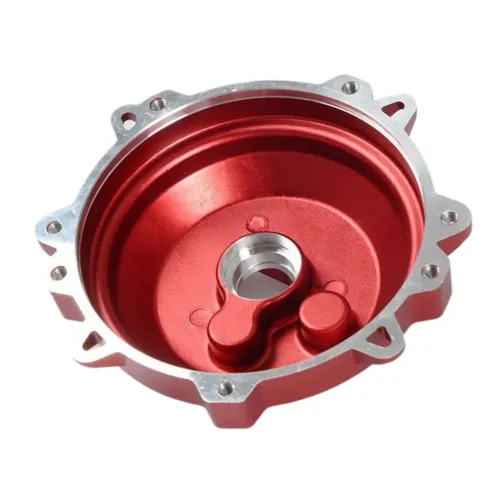
ISO13485 Rapid Prototyping Medical Devices

Material:ABS

Finish:As-Cast / Mold Finish

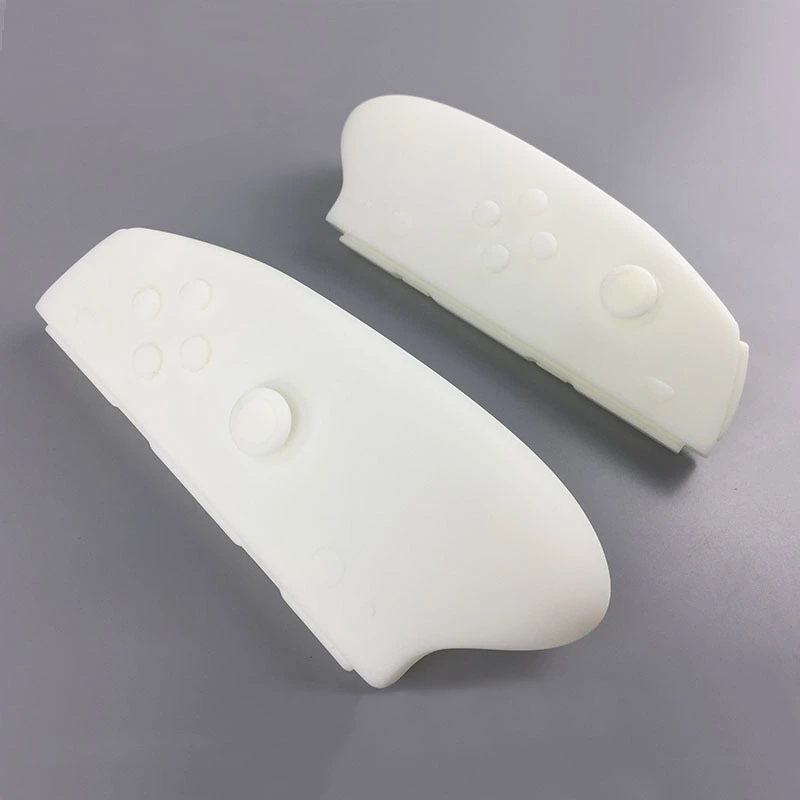
Rollyu Precision offers ISO 13485:2016 certified vacuum casting services tailored for medical device prototyping and low-volume production. Using high-fidelity silicone molds and biocompatible polyurethane resins, we produce accurate, functional parts that closely replicate injection-molded quality—ideal for early-stage testing, clinical evaluation, and market validation.

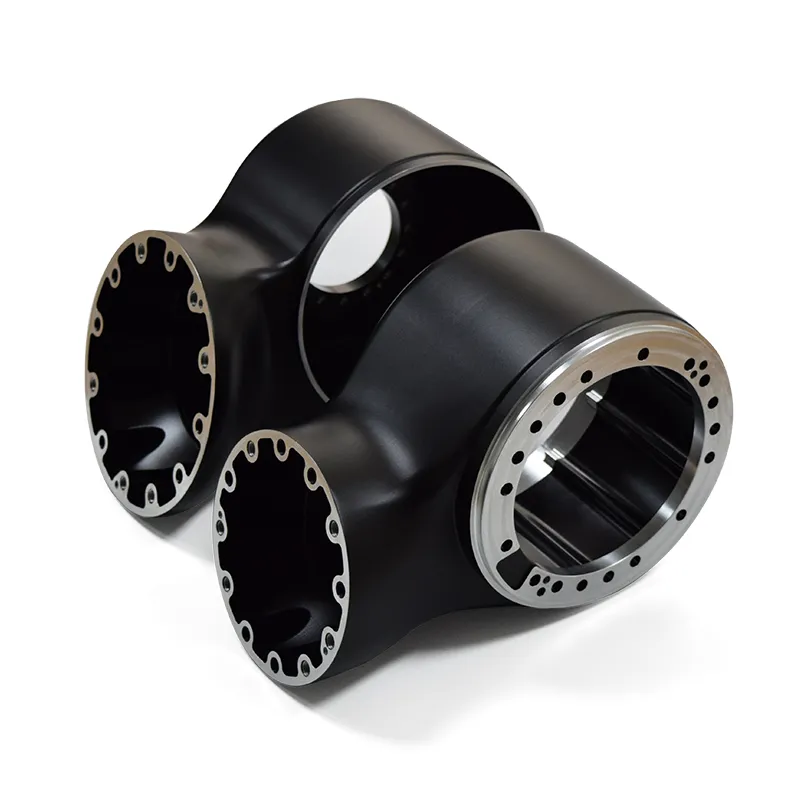
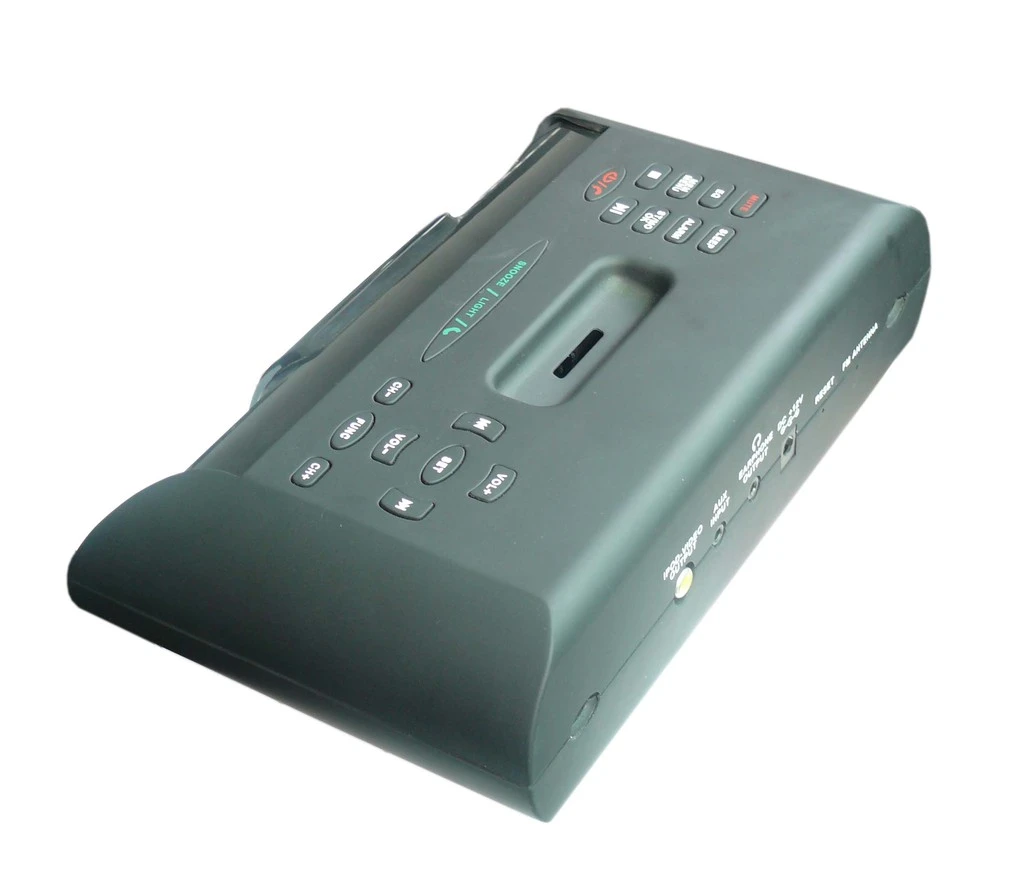
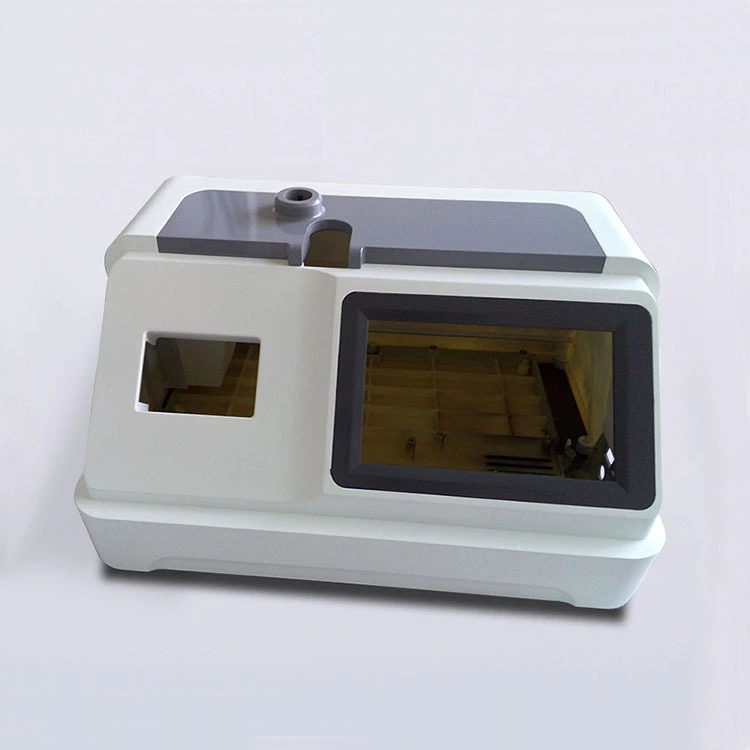
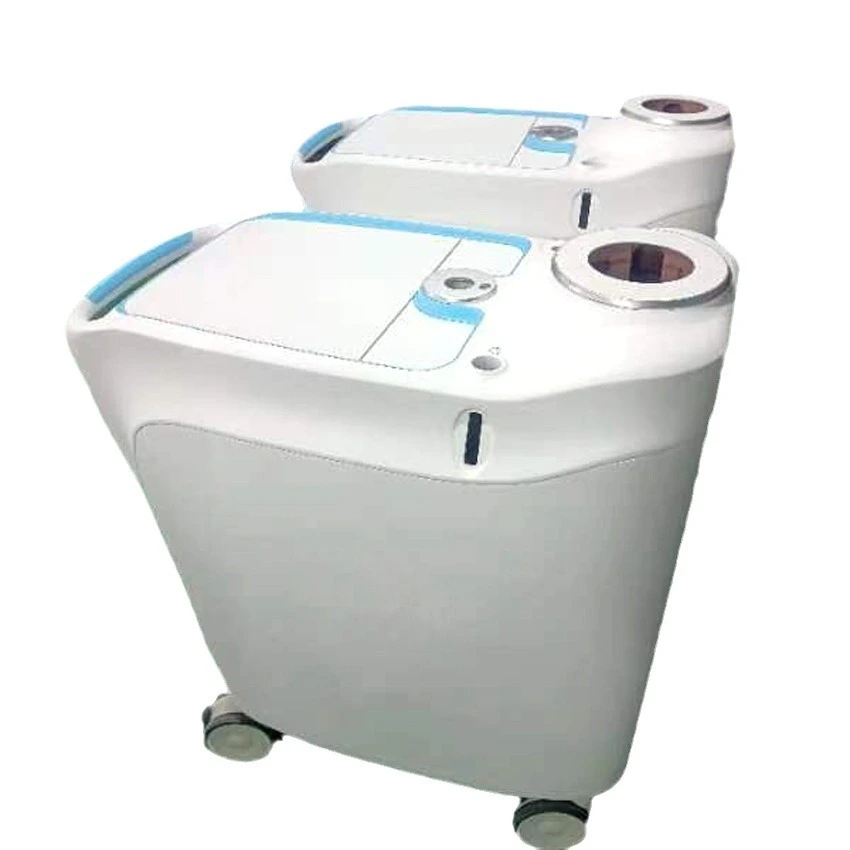
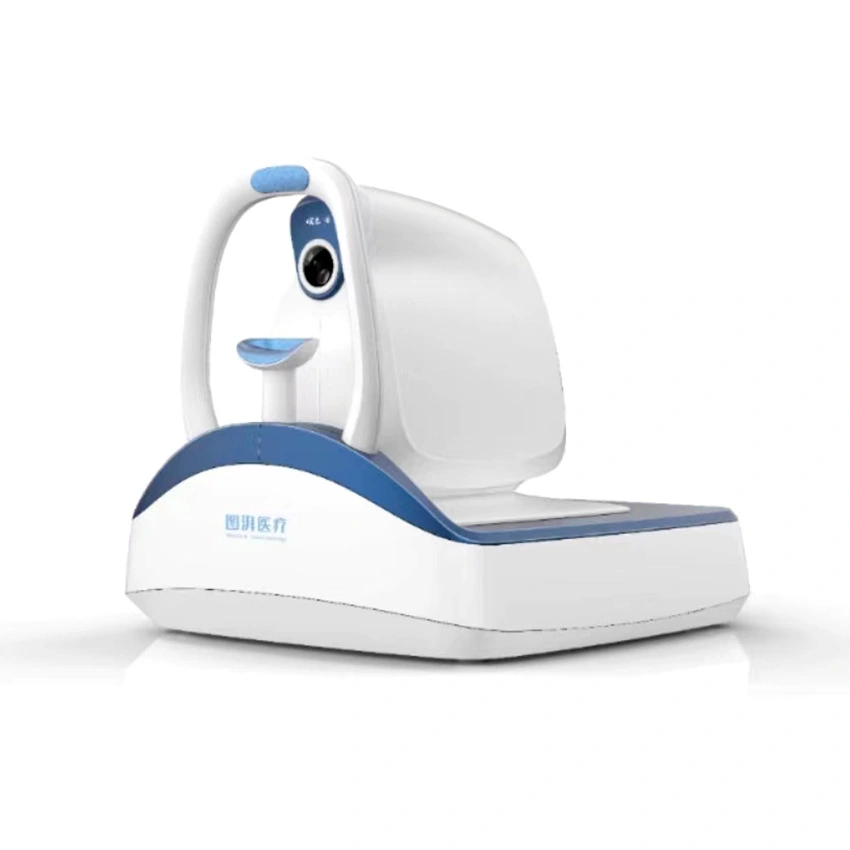
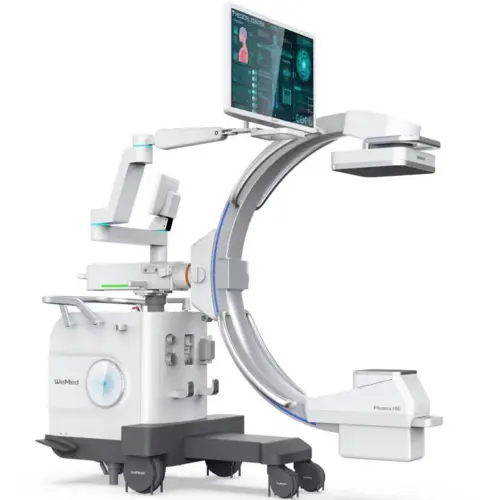
Our process supports smooth, matte, or gloss finishes, as well as post-processing options such as painting, laser marking, and custom color-matching. Tight tolerances and surface detail make these castings suitable for housings, ergonomic enclosures, trays, and diagnostic device covers.

Backed by strict material control, dimensional inspection, and ISO-certified documentation, we help medical innovators accelerate development cycles while maintaining regulatory compliance.
Vacuum Casting for Medical Device Prototypes & Small-Batch Production
— High-Quality, Cost-Effective Solutions for Functional Testing & Pre-Launch Builds

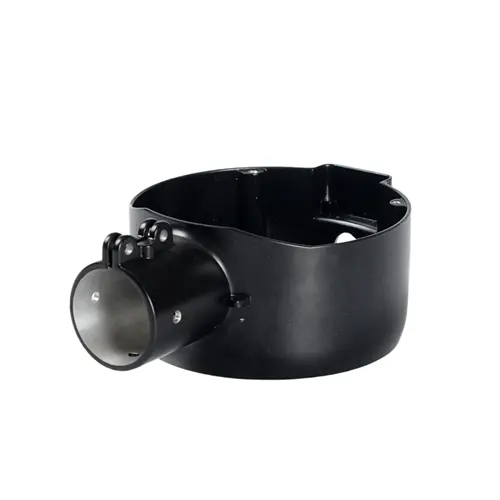
Vacuum casting, also known as urethane casting, is an ideal solution for low-volume medical components that require smooth finishes, accurate detailing, and fast turnaround—without the cost of full injection molding tooling. This process bridges the gap between rapid prototyping and full-scale manufacturing.


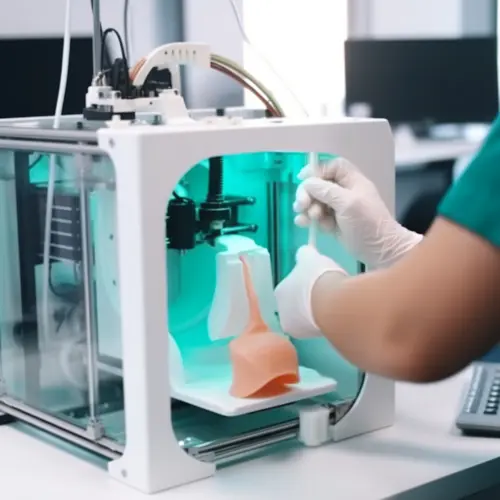
Master Model Creation A high-resolution 3D printed part (typically SLA or SLS) or CNC machined piece is used as the master model.
This model must be fully finished (polished, painted, or textured) to replicate the desired final appearance and tolerances.
Silicone Mold Fabrication The master model is placed in a casting box, and liquid silicone rubber is poured around it.
Once cured, the mold is carefully cut open and the master removed, creating a two-part flexible mold.
Molds can typically be used for 15–25 parts, depending on material and geometry.
Vacuum Casting Selected polyurethane resins (ABS-like, rubber-like, or biocompatible grades) are mixed and degassed in a vacuum chamber.
The resin is poured into the silicone mold under vacuum to eliminate air bubbles and ensure complete filling of fine features.
The mold is then placed in a heated oven (typically 40–70°C) for curing.
Demolding & Post-Processing After curing (which takes 30 minutes to a few hours), the part is carefully removed from the mold.
Secondary processing includes trimming, sanding, painting, surface texturing, or adding threaded inserts.
Optional EMI shielding, pad printing, or silk screening can be applied for medical enclosures.
Quality Control & Inspection Each part is checked for dimensional accuracy, surface finish, and material integrity.
Visual inspection for defects such as bubbles or incomplete fills.
Functional fit tests, assembly checks, or low-load stress testing can be performed.
Packaging & Delivery Parts are cleaned and packaged for cleanroom compatibility (if required).
Serialized labeling or lot tracking available for traceability in clinical trials or FDA documentation.

Fast, Flexible, and Cost-Effective Solutions for Medical Development and Testing

Vacuum casting is an ideal manufacturing process for early-stage prototyping, clinical testing units, and pre-launch production in the medical industry. It enables the creation of highly detailed, durable, and functional parts that replicate injection-molded quality—without the long lead times or high tooling costs.

Industry Application Examples
Device Enclosures & Ergonomic Housings Custom covers and shells for diagnostic devices, surgical tools, and portable equipment
Smooth surfaces and professional finishes ideal for presentation, handling, and feedback testing
Functional Prototypes for Fit, Form & Assembly Testing Accurate prototypes used to verify part interfaces, mechanical integrity, and assembly workflows
Compatible with snap-fit, press-fit, or screw-mount designs
Soft-Touch Components & Rubber-Like Parts Silicone-like castings for grips, buttons, gaskets, or tactile feedback parts
Materials available with Shore A 30–90 hardness for various feel and flexibility
Transparent Components for Diagnostics & Fluidics Clear resin parts used in fluid handling, imaging, or LED-integrated applications
Ideal for optical testing, flow visualization, or display covers
User Interface Panels & Control Overlays Cast parts with embedded recesses, silk screening, or membrane switch integration
Simulates final user interface experience with cost-effective short-run solutions
Low-Volume Production & Bridge Tooling Run batches of 10–100+ parts with consistent quality before full-scale tooling investment
Bridge production for pilot programs, clinical evaluations, or early user trials
Medical Training Devices & Demonstration Units Durable, realistic models for surgeon training, sales kits, and trade shows
Includes anatomical models, device mockups, and simulated assemblies

Part number: RY-H0206

Materials Available: Plastic, Stainless Steel, Steel, Aluminum, etc.

Tolerance: ±0.05mm

Material Certificates: Available

MOQ:1 piece

Drawing Accepted: PRO/E, Auto CAD, SolidWorks, UG, CAD / CAM / CAE, PDF

RoHS/REACH Report: Available

Certificate: ISO9001:2015, ISO13485:2016

Non-disclosure agreement: Strictly sign a confidentiality agreement NDA to give you peace of mind.

Other CNC Parts

FAQ

What materials are used for medical vacuum casting?

We use medical-grade or biocompatible polyurethane resins that replicate the properties of ABS, silicone-like, or elastomeric materials. These materials are suitable for housings, trays, grips, and other functional prototypes.

What materials are used for medical vacuum casting?

Yes. Our ISO 13485-certified process ensures traceability, dimensional accuracy, and material documentation—making vacuum cast parts suitable for early-phase clinical evaluations and usability testing.

What materials are used for medical vacuum casting?

Depending on part complexity and quantity, lead times range from 7 to 21 working days. Rush production is available for urgent prototyping needs.

What materials are used for medical vacuum casting?

We offer matte, semi-gloss, and high-gloss mold finishes, plus post-processing such as painting, laser engraving, and silk-screen printing for labels or UI elements.

Is full quality documentation provided for ISO 13485 projects?

Absolutely. We provide dimensional inspection reports, material traceability, and process records to support medical compliance and device development workflows.

Outstanding Achievements and Partnerships

We take pride in our outstanding achievements and strong partnerships. Our commitment to great communication, service, and integrity has led to excellent results.
Join us as a valued partner, and together, we can make a positive impact on CNC.

Contact Us