
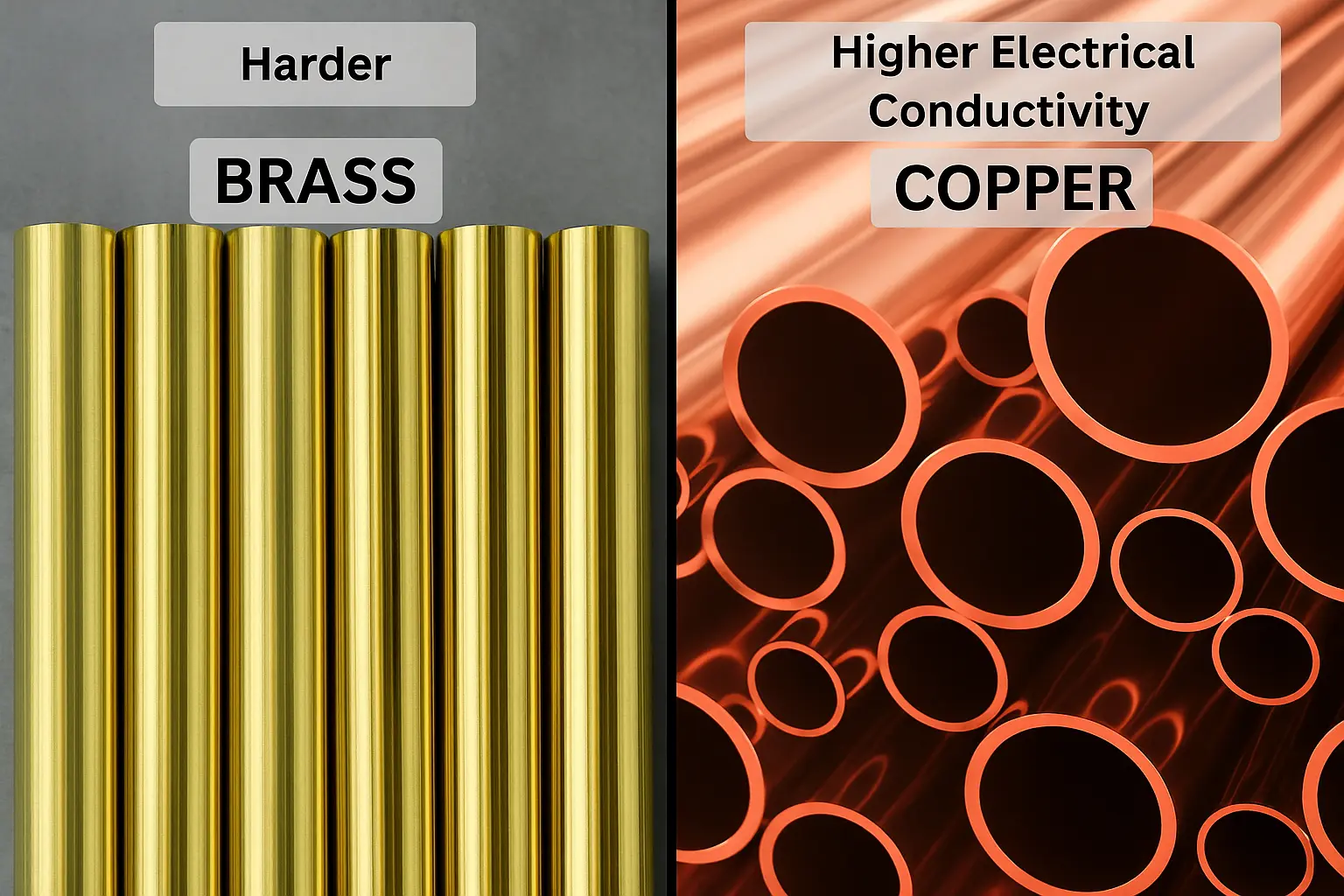

Choosing the right metal affects everything—from performance and durability to cost and long-term reliability. When engineers compare brass vs. copper, the two often look similar at first glance, but their properties, behavior in machining, and ideal use cases are very different.
This guide breaks down the 10 critical differences between brass and copper, explains how each metal behaves during manufacturing, and helps you choose the best option for your next project.
What Is Brass?
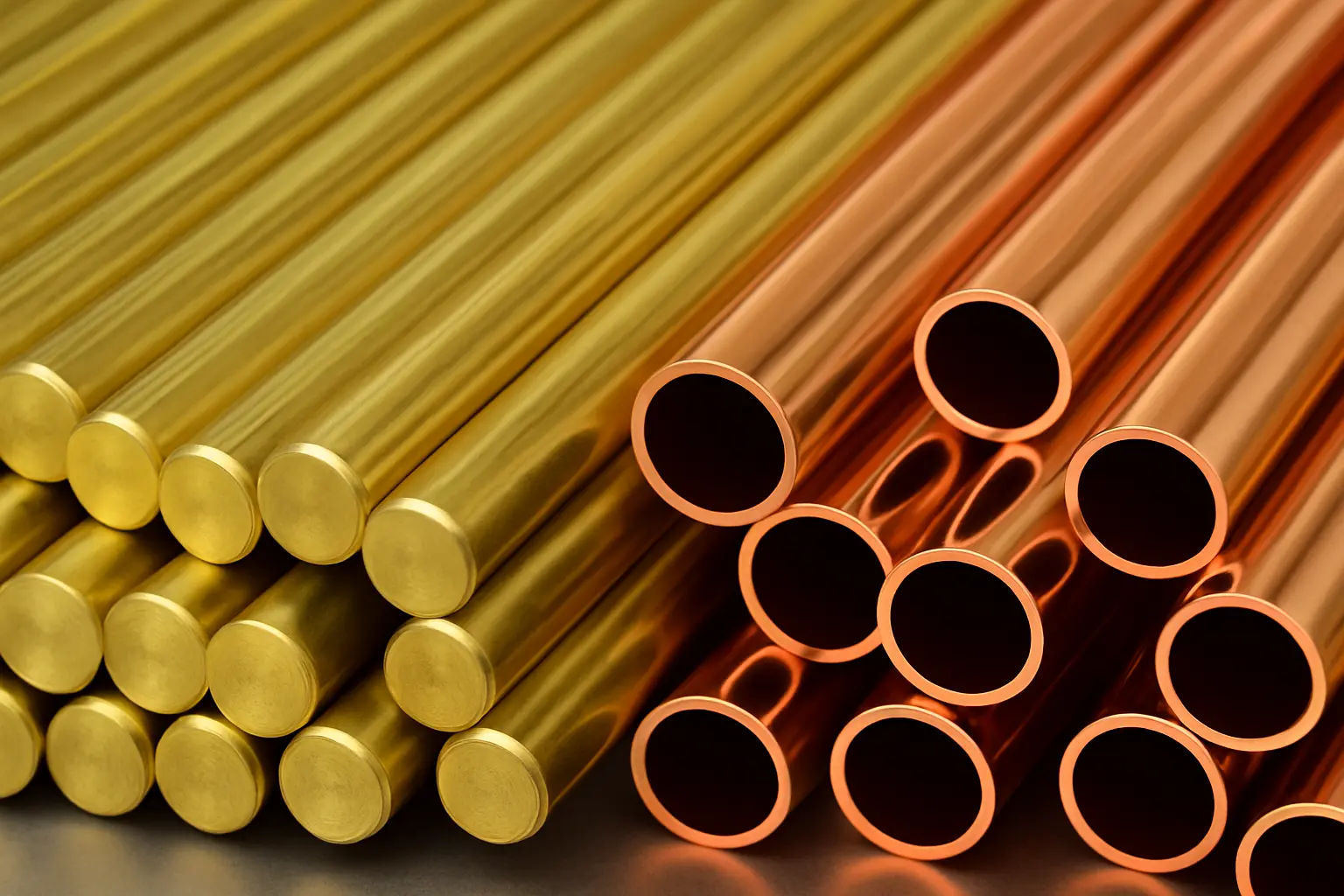
Brass is not a pure elemental metal and it is an alloy, a man-made material, whose majority components are copper and zinc. The variety in the composition of copper and zinc can create brasses possessing diverse qualities. As an example of this, the more zinc there is in the mix, the harder the brass gets, though some ductility is lost.
A number of other elements are typically added in small amounts to give a particular property, including machinability, corrosion resistance, or strength, to such a material. List of elements typically used include tin, aluminum, and silicon.
This is the reason why brass is a highly diverse material. It is described as having a high degree of malleability, good corrosion resistance, and a special appearance that can be likened to gold, which is aesthetically popular.
Because of its adaptability, brass is widely used in:
- Plumbing fittings & valves
- Gears, bushings, bearings
- Musical instruments
- Low-friction mechanical components
- Decorative hardware, lighting, fixtures, railings, and architectural accents
Brass also has a warm gold-like appearance, making it popular for consumer and aesthetic applications.
What Is Copper?
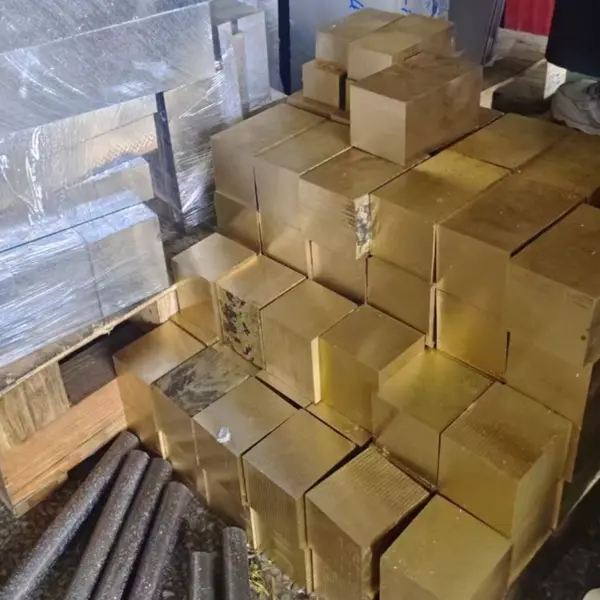
Copper is an elemental metal, one of the few that can be naturally in a directly usable metallic form. It is a ductile, malleable, and soft metal of characteristic reddish-brown color. Copper is known to have excellent thermal and electrical conductivity, the second best in the group of pure metals after silver.
Conductivity is not the only useful property that it exhibits. Copper is very durable and thus resistant to corrosion, as it forms a protective layer, or green patina, when in contact with the elements. It is also antimicrobial and this means that it kills over 99.9 percent of bacteria on its surface within two hours. The features have turned copper to be essential for over a millennium, and today, to a large part.
Its properties make copper essential in:
- Electrical wiring & power transmission
- Motor windings
- Heat exchangers, radiators
- Plumbing tubes
- Heat exchangers, cookware, HVAC components
- Plumbing tubes and fittings
- Medical, food-processing, and high-touch antimicrobial surfaces
- PCB componentsand connectors
Copper’s reddish-brown tone and unmatched conductivity make it irreplaceable in many industries.
What Are the Main Differences Between Brass and Copper?
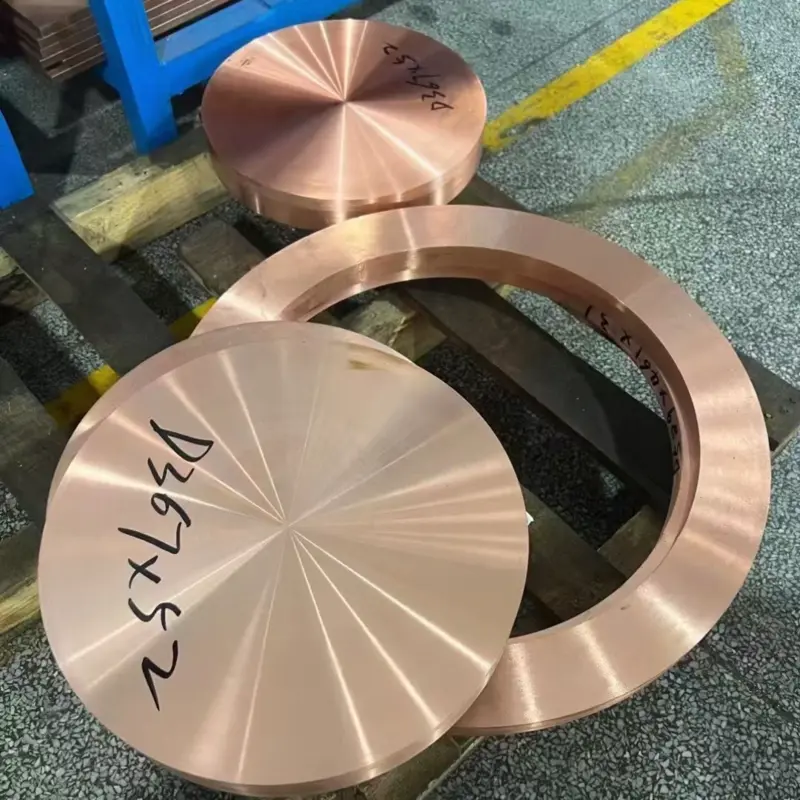
Although brass and copper are related, they are quite practically distinct, which makes them fit for various projects. The table below makes a clear and side-by-side comparison of brass vs copper.
Key Properties of Brass vs Copper:
| Property | Brass | Copper |
| Composition | Alloy of copper and zinc | Pure elemental metal (≥99% copper) |
| Color | Yellow-gold, can range from red-gold to silvery-white | Reddish-brown |
| Hardness | Harder and stronger | Softer and more malleable |
| Electrical Conductivity | Good
(~28% IACS) |
Excellent
(100% IACS) |
| Corrosion Resistance | Good, improved with manganese | Good, acquires a protective coating |
| Melting Point | Lower (900°C – 940°C) | Higher (1084°C) |
| Antibacterial | Yes
(inherited from copper content) |
Yes, highly effective |
| Magnetism | Non-magnetic | Non-magnetic |
Composition
Their most basic distinction is their composition.
Copper is a pure elemental metal, and is frequently of a purity of 99.99%. However, brass is an alloy, or a combination of copper and zinc, of which the proportion of zinc usually falls between 5% and 45%.
Color and Appearance
The color of copper is characteristic of reddish-brown. It turns green with time as a result of oxidation. The presence of zinc makes brass look less gray and rather yellow or gold-like, but the shade may be light gold and silver or dark red, depending on the alloy.
Durability and Hardness
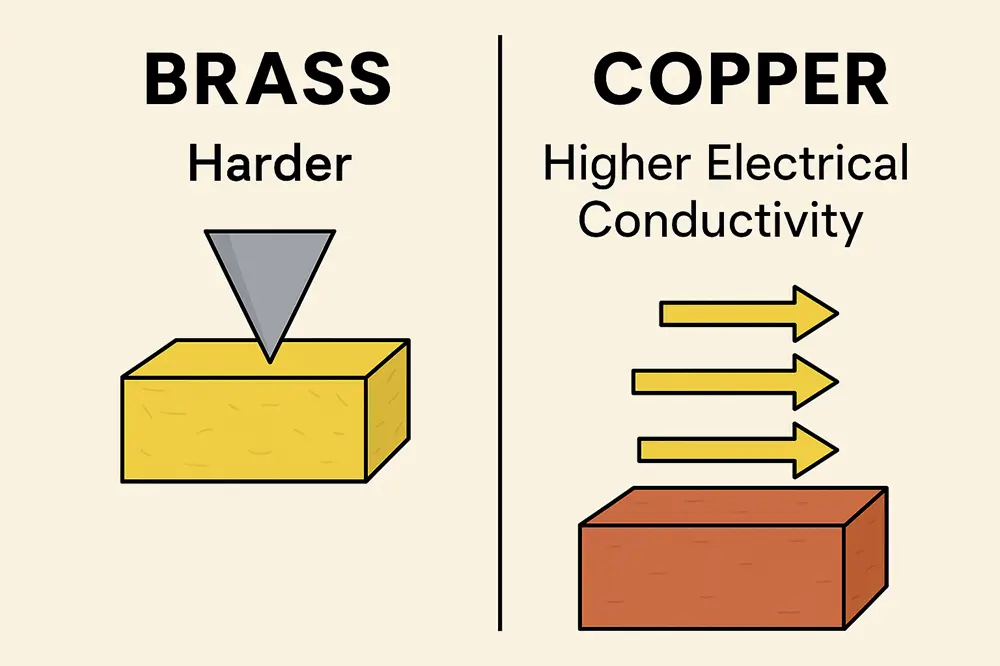
Brass is normally stronger, harder, and tougher as compared to copper. Brass’s tensile strength becomes higher from the addition of zinc, which then leads to less malleability. This composition boosts its applicability in situations where structural integrity is necessary.
Copper is more malleable and soft, thus it can be easily shaped into sheets and wires, though it can easily bend under pressure.
Conductivity
Copper is the standard of electrical and thermal conductivity, making it the undisputed go-to for electrical wiring, motors, and heat exchangers.
Conductivity in brass is much less, brass contains zinc, lowering brass’s conductivity to approximately 28% of pure copper’s, and therefore does not allow such efficient operation in electricity as pure copper.
Corrosion Resistance
The two metals resist corrosion in different ways.
Copper develops a protective patina that will deter any further degradation. Brass is also non-corrosive, though it may experience dezincification (selective leaching of zinc) in some environments, which is solved by developing dezincification-resistant (DZR) alloys of brass.
Cost-Effectiveness
Prices can be different depending on the market and particular alloy, but generally, pure copper is a more expensive material compared to brass.
Nevertheless, brass’s higher machinability and durability allow brass to be a less expensive solution for projects that don’t need over-the-top specifications.
Workability and Machinability
Brass has great machinability. Lead, and other additives such as lithium, produce “free-machining” brass (e.g., C360), making it possible to machine at high speed and create intricate CNC machining parts with very fine surface finishes.
The Copper is softer and gummier, thus it may be more difficult to machine effectively.
Auditory Properties
Just a tap would be enough to tell these two apart.
A scrap of copper rings with a dull and low thud, and brass chimes with a brighter, higher-pitched resonance. This is the reason why brass is the substance selected in bells and most musical instruments.
Antibacterial Properties
The two metals are antibacterial. Copper ions are very effective at eliminating bacteria, viruses, and fungi on contact, and this is capitalized on in healthcare facilities and high-contact surfaces, driving its demand for machining for medical devices.
This is also inherited in brass because of the content of copper in it, and makes it a hygienic option to be used as doorknobs and bathroom fittings.
Magnetism
Copper and brass are non-ferromagnetic, meaning they don’t get attracted to magnets. This feature can be taken advantage of to identify them in a fast manner as compared to magnetic metals such as steel.
Which One Should You Use in Your Projects?
Choosing between brass and copper depends entirely on your project’s priorities. But selecting the right material is only half the battle; understanding how it will be shaped and finished is equally crucial. Copper is unbeatable for electrical and thermal performance, while brass is tough, stable, easy to machine, and cost-effective. But the real difference shows up during manufacturing.
How the metal is cut, formed, held, and finished determines everything from tolerance control and surface quality to production speed and overall cost. Brass machines beautifully, but copper requires careful handling and specialized tooling. A manufacturer who understands those nuances can help you avoid unnecessary expense and ensure your parts come out exactly as engineered.
That’s why partnering with an experienced precision machining shop matters. Exploring the benefits of precision machining services can provide critical insights into how your material choice will influence the final product’s quality, cost, and performance.
When to Choose Brass: Common Applications
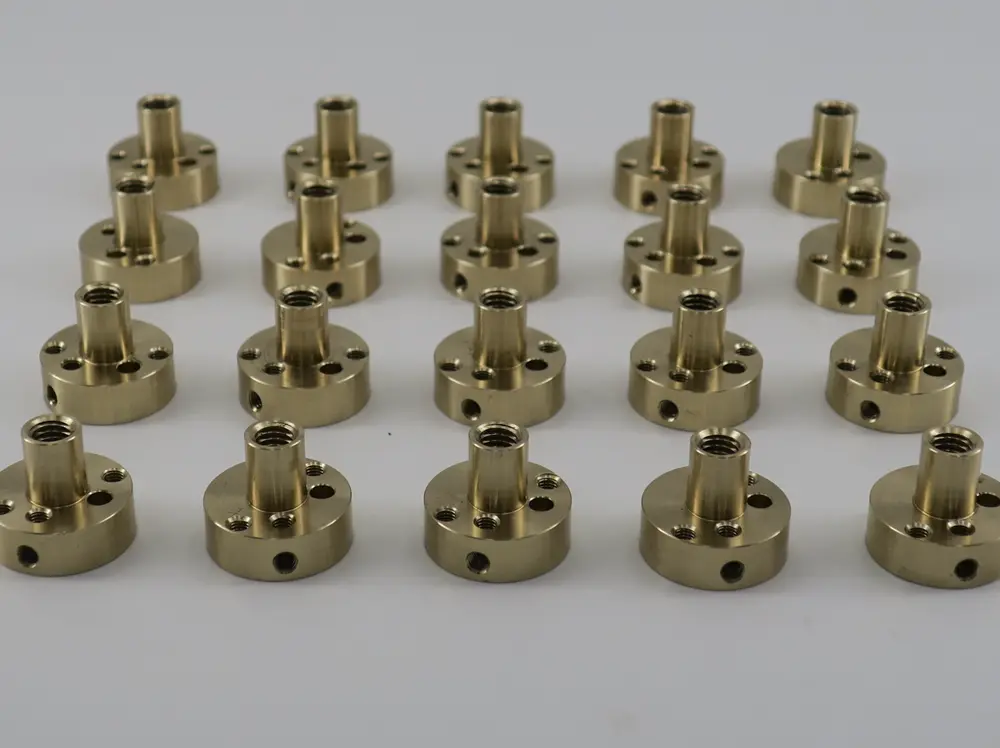
Brass is the material to use when you desire to possess a project that requires an element that is strong, resistant to corrosion, machinable, and attractive.
- Numerous Applications: Ornamental and Doorknob, rail, steel, light, and architectural molding.
- Plumbing Fittings & Valves:Faucets, valves, and pipe fittings, in which resistance to corrosion and durability are important.
- Musical Instruments:Trumpets, trombones, and bells, since it is a sound decision.
Industrial Components: Gears, bearings, and bushings in which low-friction and good machinability are required.
When to Choose Copper: Ideal Applications
Select copper when electrical or thermal conductivity, antimicrobial performance, or malleability are paramount to you.
- Electrical Wiring and Components:The transmission lines, windings of motors, and printed circuit boards.
- Plumbing Pipes and Tubes:Water pipes that resist corrosion and cut down on bacteria buildup.
- Cookware & Heat exchangers:Pots, pans, and radiators that lean on its superior conductivity of heat.
Antimicrobial Surfaces: Hospital bed rails, door push plates, food preparation surfaces.
Why Rollyu Precision Is Your Ideal Manufacturing Partner
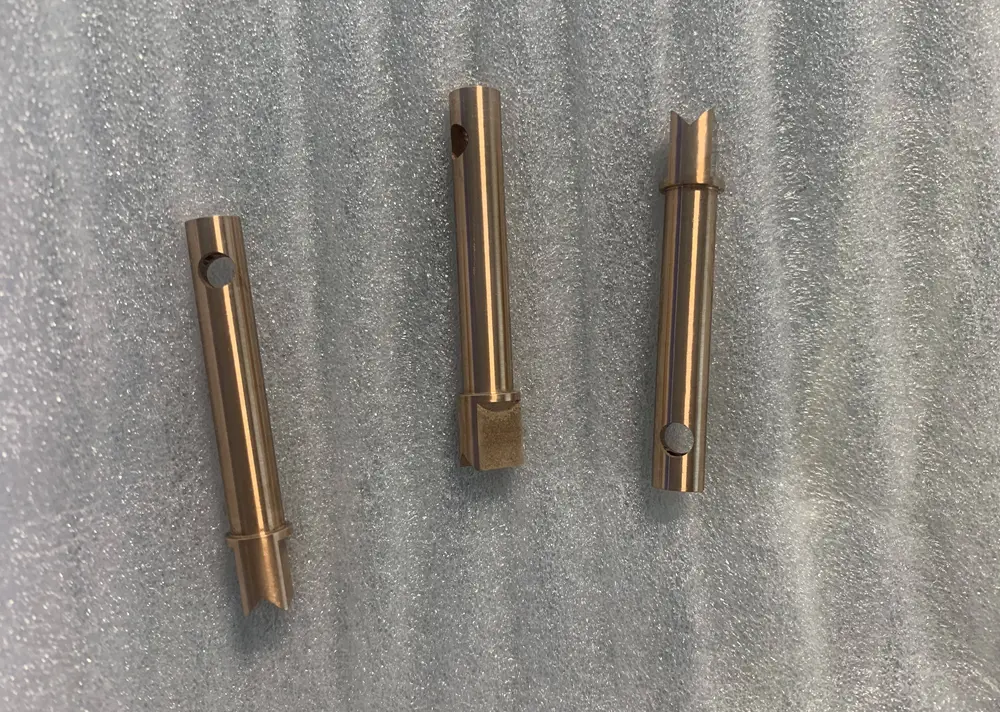
Picking the right material’s just step one—what really brings your vision to life is a manufacturer’s precision. At Rollyu, we understand the unique machining quirks of brass and copper. Our top-tier CNC gear and pro engineering team handle each metal’s special needs, allowing us to crank out parts with killer accuracy and that smooth-as-hell finish.
Need delicate, high-speed work on tricky brass bits, or careful handling for super-conductive copper parts? Either way, we’ve got it covered. Check out what Rollyu brings to the table and see how they can jump on your next project. When you choose our best online CNC machining services, you’ll find our industry-specific solutions to the business, such as how we have been working with Space and Satellite components.
FAQ
How to Determine if Something Is Brass or Copper?
They can be identified by examining their color. Copper tends to be reddish-brown in color, and brass tends to be yellowish-gold in color.
A sound test can also be conducted: copper will sound deeper and lower when tapped, whereas brass has a higher pitch.
How Do You Test for Copper vs Brass?
Other than appearance and sound, you can also look for a stamped code.
Brass and copper often get a “C” plus a number for the alloy, or no stamp for pure copper. A magnet test helps too since neither of the metals is magnetic, so if it pulls, it means you have got another metal coated to appear as brass or copper.
Is Brass or Copper a Healthier Choice for Surfaces?
Both are preferable hygienic choices because they possess antimicrobial features.
Copper is marginally superior as a pure element, it is also effective as a bacteria killer and therefore, in comparison, better than materials such as plastic or stainless steel, for high-touch frequency products.
Which Is More Valuable as Scrap Metal: Copper or Brass?
Usually, scrap copper is more expensive than scrap brass since it is as pure as it gets and is needed in the electric business. The bare bright copper wire is one such example, this being one of the hottest scrap grades and clean brass is usually half the price of copper.
Conclusion
Understanding the differences between brass and copper is an invaluable tool for any designer, engineer, or maker.
The question of which of the two is better than the other doesn’t exist; the right question to ask is which of the two is better suited to one’s application.
In applications where conductivity, malleability, and antimicrobial values are the main priority, copper is the best choice. Brass is stronger, more machinable and could look like gold at a very low cost. Having a clear idea of the 10 differences identified in this guide, you would know which material to adopt to make your project a success, effective and strong.
The skill of discerning between brass and copper is a treasure trove to the designer, engineer, or creator, and with an expert CNC machining manufacturer like Rollyu, you can ensure that choice is perfectly executed.