
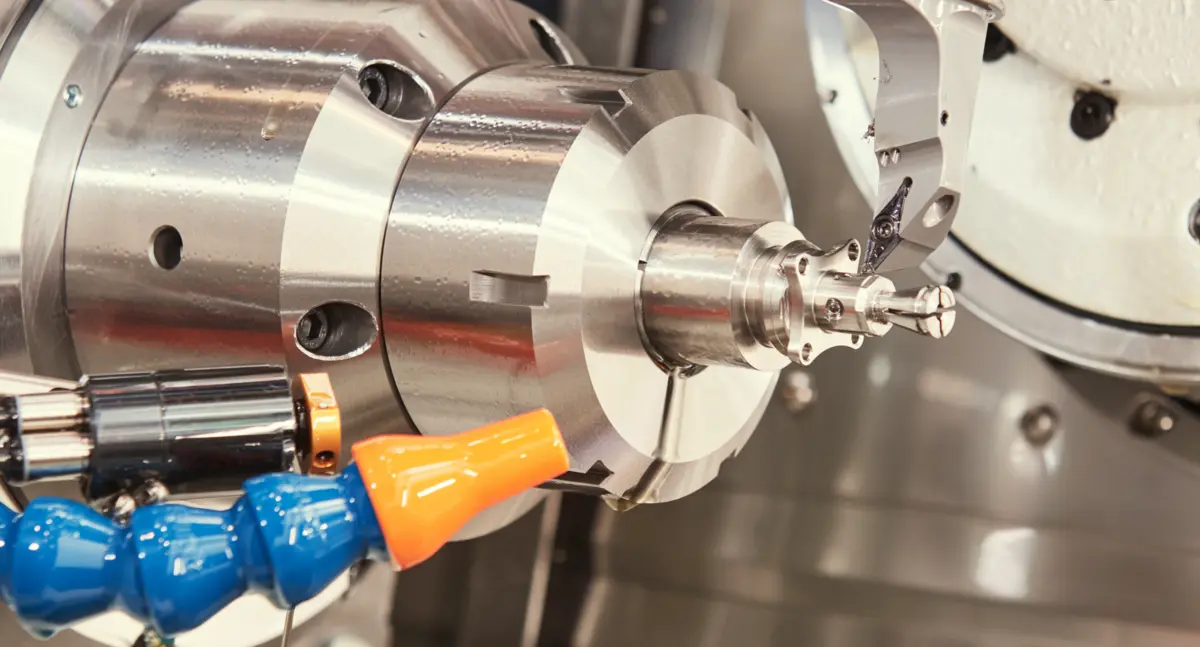

CNC machining (Computer Numerical Control) has become the foundation of modern manufacturing. Unlike manual methods, CNC machines use computer programming and automation to execute precise cutting, drilling, milling, and shaping operations.
Beyond automation, CNC machining services provide manufacturers with efficiency, speed, accuracy, and scalability. The process reduces material waste, accelerates lead times, and ensures that every part produced matches the original CAD design specifications.
When you partner with an ISO-certified CNC machining manufacturer, the entire workflow—from design to delivery—becomes faster, more efficient, and highly predictable.
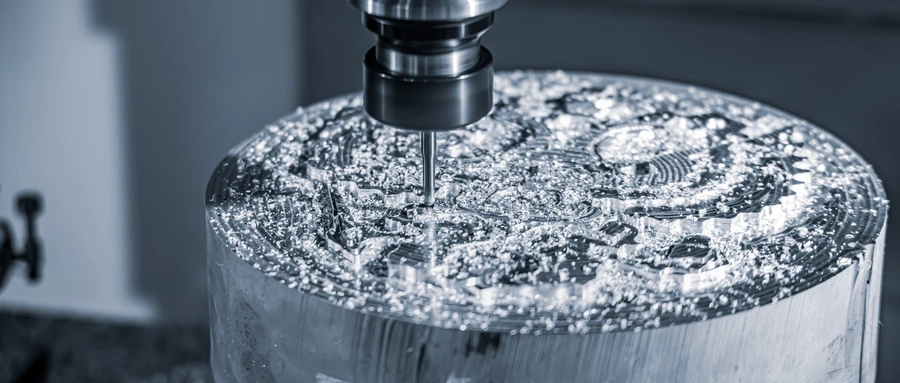
Why Has CNC Revolutionised Manufacturing
From Manual Labor to Digital Precision
Traditional machining relied heavily on skilled operators, manual setups, and repetitive labor. This often led to longer lead times, higher costs, and human errors.
CNC machining solved these problems through computer-controlled systems to save CNC machining cost. Engineers can now create rapid prototypes within hours and run extended production cycles without interruption.
The outcome leads to an industry that operates with greater flexibility and competition. The manufacturing process with CNC technology enables factories to boost their operations at higher levels without affecting product quality or production speed.
The result? An industry that is more flexible, competitive, and reliable than ever before.
Core Benefits of CNC Machining
CNC Machining Materials
One of the biggest advantages of CNC machining is its versatility across different materials, making it possible to create high-precision parts for a wide range of industries.
Aluminum CNC machining is especially popular thanks to its lightweight strength, excellent machinability, and resistance to corrosion, making it ideal for aerospace, automotive, and electronics components.
Stainless steel CNC machining delivers unmatched durability, wear resistance, and the ability to withstand harsh environments, which is why it’s widely used in medical devices, defense, and food processing equipment. For projects that require flexibility, insulation, or lower weight.
plastic CNC machining offers affordable solutions using engineering plastics like PEEK, ABS, PTFE, or Delrin.
Brass CNC machining provides tight tolerances and excellent electrical conductivity, often chosen for fittings, valves, and precision instruments.
Copper CNC machining is valued for its superior thermal and electrical conductivity, critical in electronics, power systems, and renewable energy applications. For specialized industries.
Ceramic CNC machining delivers extreme hardness, heat resistance, and biocompatibility.
Titanium CNC machining delivers lightweight strength, corrosion resistance, and tight tolerances, making it ideal for aerospace, medical, and industrial parts.
Finally, metal CNC machining as a broader category covers a wide selection of alloys that ensure strength and precision across aerospace, medical, and industrial markets.
By selecting the right CNC machining material, manufacturers can balance cost, performance, and durability to achieve the best results.
Consistent Outcomes
CNC machines operate based on digital CAD/CAM design files, ensuring identical results across production runs—whether you need 10 parts or 10,000.
Design Freedom
With 3-axis, 4-axis, and 5-axis CNC machining, engineers can achieve complex geometries, undercuts, and freeform surfaces. This freedom allows designers to push boundaries without compromising manufacturability.
Cost Efficiency
CNC machining delivers significant cost savings by reducing waste and optimizing material usage. The automated precision cutting process minimizes scrap and rework, helping manufacturers control expenses while maintaining high-quality output.
Although CNC machining price can vary depending on material, complexity, and order volume, the long-term savings are clear—lower production costs, faster turnaround times, and consistent part quality make CNC machining one of the most cost-effective solutions in modern manufacturing.
- Optimized toolpaths reduce material waste.
- Automation lowers labor costs.
- Repeatability minimizes rework.
Together, these advantages help manufacturers maintain stronger profit margins.
How Does CNC Machining Work
A digital file gets converted into a complete part through incremental procedures. The process begins with a CAD drawing to define the entire part geometry. The design is then prepared in CAM software, which creates the machining program.
This program generates G-code, which is the language CNC machines follow. The system operates through code, which determines all movements and speed levels, and tool operations. Once the program starts, the machine executes it step by step without deviation.
The system operates at the same production level for every manufacturing cycle. The system provides manufacturers with two main benefits by reducing human mistakes and creating dependable production timelines.
Faster Production Cycles
- Rapid prototyping for testing new designs.
- Low-volume machining for pilot production.
- High-volume CNC production for mass manufacturing.
CNC machining accelerates product development and reduces time-to-market.
Tight Tolerance Capabilities
Medical, aerospace, and robotics industries demand parts within micron-level tolerances. CNC machining ensures compliance with ±0.005 mm precision for the most demanding applications.
Superior Surface Finishes
Because CNC machining maintains consistent cutting speeds and pressures, it produces smooth surface finishes. This reduces or eliminates secondary operations like polishing.
CAD to CAM Clarity
The manufacturing process starts with a CAD model. Engineers use CAM software to generate G-code, which instructs the CNC machine on tool movements, speeds, and operations.
Machine Control without Stress
Operators no longer perform every cut manually. Instead, they supervise multiple machines, handle quality inspections, and adjust programs as needed.
Multi-step Efficiency
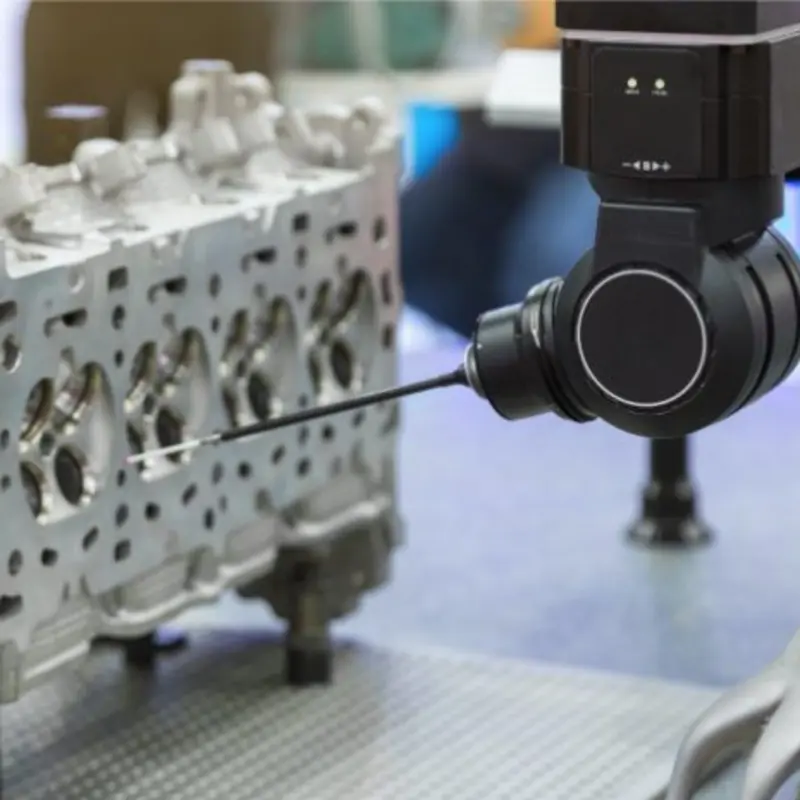
The modern CNC machines operate with the ability to hold multiple tools at the same time. Automatic tool changers switch between them during operations.
The system operates at a faster pace, which results in shorter production times and less equipment downtime, and enables the production of complete parts during each cycle.
The Importance of CNC in Modern Manufacturing
Meeting Tight Tolerance Standards
Industries like medical devices, aerospace, photonics, and robotics rely on CNC for precision CNC machining that meets strict compliance requirements.Modern industries use CNC technology to achieve speed and precision, and repeatable results. Without it, meeting today’s demands for high-quality products would not be possible.
Small businesses can achieve innovation through CNC technology. The testing process for prototypes becomes possible through rapid evaluation, which eliminates costly, time-consuming delays. The system helps big companies to keep their worldwide supply chain operations running continuously.
The system provides dependable service delivery. Organizations gain improved production timeline certainty through the implementation of automated runs because these systems create more consistent scheduling patterns.
Digital Readiness and Industry 4.0
CNC machining integrates seamlessly into digital manufacturing workflows. Updates made to CAD files automatically adjust machining programs, reducing human errors and improving speed.
Workforce Efficiency
CNC machining allows one operator to manage multiple machines, maximizing productivity while keeping labor costs stable.
The Advantages of CNC over Traditional Methods
Accuracy and Automation
Traditional machining depends on operator skill. The process includes many variations and complex components that need extensive manual work. CNC eliminates these issues with automated precision.
Continuous Operation
CNC machines generate intricate designs that exceed human hand capabilities because they operate at a superior level to human hands. The multi-axis system enables users to perform curve cutting, angle, and undercut operations during a single production run.
The main benefit of this system is that it operates without interruption. The operation of CNC machines during nighttime and weekend hours allows businesses to increase their production output without needing to hire more staff.
Faster Deadlines
The production process operates at a higher speed because parts require less time to complete. The system offers superior deadline management tools and customer requirement achievement features.
Lower Overall Cost
The high initial investment for setup costs produces lasting financial advantages that continue into the long term. The investment achieves equilibrium through reduced errors and less waste, and accelerated production cycles.
By reducing setup times, human errors, and material waste, CNC machining processing provides long-term cost savings and helps businesses meet tight delivery schedules.
Better Surface Finishes
The CNC machining surface finish become smoother because tool speeds and pressures stay at the same level. The process eliminates the requirement for additional polishing operations and secondary finishing procedures.
Industry Applications of CNC Machining
Medical Devices
- Implants
- Surgical tools
- Biocompatible components
CNC machining operates as a production method that performs functions that go beyond standard cutting operations. The method enables industries to address their problems through dependable, flexible, and accurate component solutions.
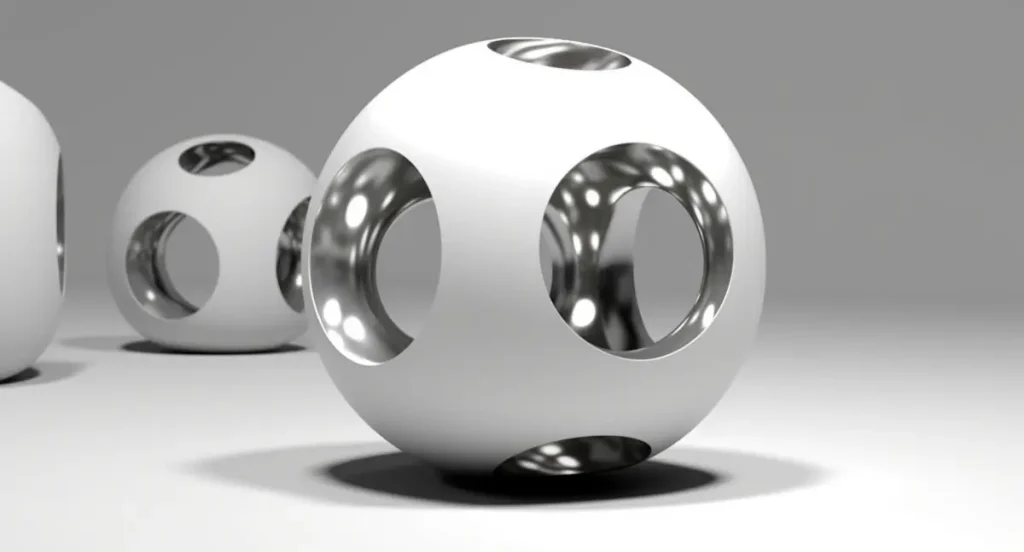
Medical devices need to function with precision because this ensures patient safety. The CNC machining process allows manufacturers to produce biocompatible surfaces and exact dimensions.
Robotics & Automation
- Lightweight structures
- Motion brackets
- Structural frames
Robotics requires strong yet lightweight structures, which CNC manufacturing of aluminium and composite parts effectively delivers.
Aerospace
- Lightweight titanium brackets
- High-strength aluminum housings
- Complex turbine components
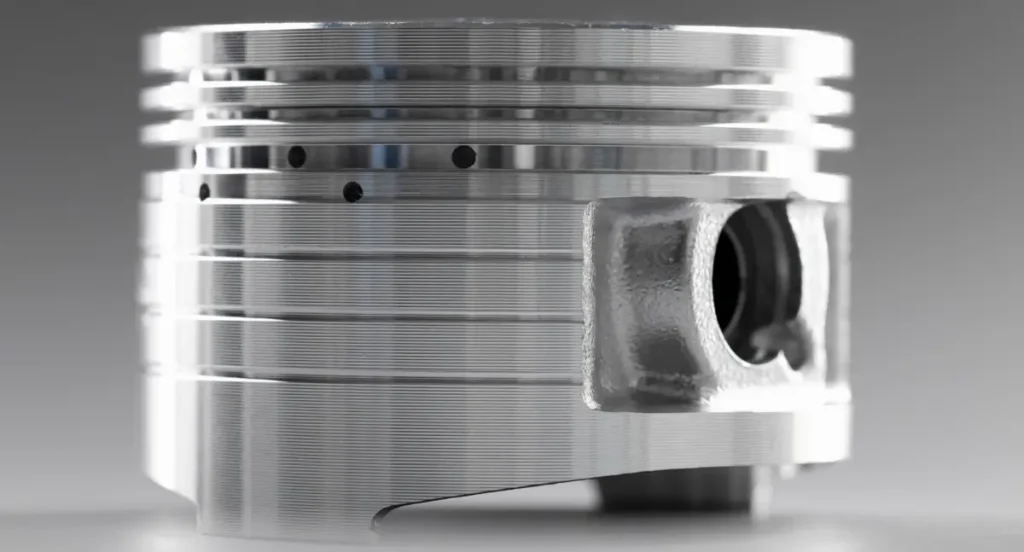
The aircraft components operate in extremely harsh conditions. The combination of CNC machining precision with certification compliance leads to reduced risk and performance assurance.
Electronics
- Housing
- Wafer plates
- Heat sinks
The measurement requirements for semiconductors and connectors reach down to micron dimensions. The manufacturing of these exact components requires CNC machines to achieve their precise and dependable operation.
Renewable Energy
- Wind turbine hubs
- Solar panel frames
- Energy system housings
Wind turbines and solar systems need dependable components to function properly. The CNC manufacturing process produces strong hubs and housings, and frames that continue to function at high levels throughout their operational lifespan.
Rollyu Precision: Your Reliable CNC Manufacturing Partner
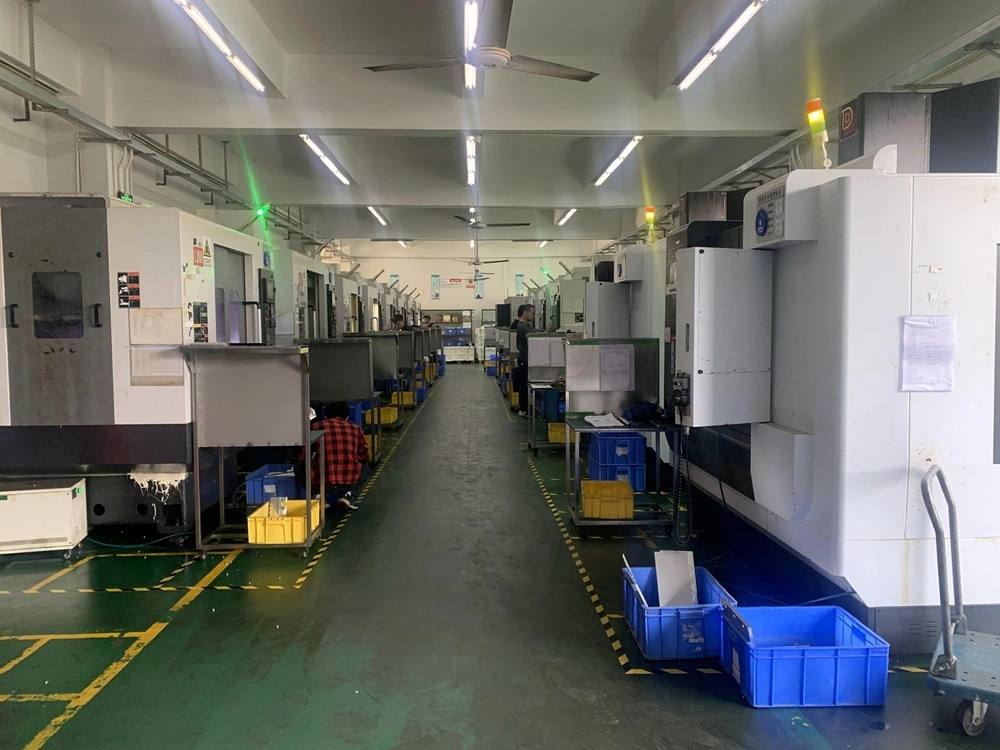
At Rollyu Precision, we focus on simplifying manufacturing. Our precision CNC machining services operate under ISO certification standards, which allow customers to get exact results through fast production and dependable operation.
Our company provides CNC machining services, together with sheet metal fabrication, die-casting, and rapid prototyping solutions. We also offer full finishing solutions, including anodizing, painting, powder coating, plating, black oxide, and assembly.
The internal management of all operations enables organizations to execute tasks at a faster pace while enhancing team coordination.
The entire process gets a complete review, which begins with raw CNC Machining materials and extends through to delivery. Our company provides worldwide delivery services and exact scheduling options, and personal, dedicated assistance.
When you select Rollyu, you get a business partner who knows your objectives and consistently meets your expectations. Contact us right away to get a quote and start your project.
Conclusion
CNC represents Computer Numerical Control, which has revolutionized industrial operations through its modernization of production.
The system unites accuracy, precision, and repeatability, which are essential manufacturing elements, creating an efficient production process that simplifies manufacturing operations.
The precision machining process delivers parts that exactly fulfill the specifications of the original design. A trusted machining manufacturer gives you confidence in both small and large projects.
With Rollyu, you gain more than a service provider. The tool provides you with a dependable partner that assists you throughout the design process, testing, and production stages while reducing your stress levels and enhancing your chances of success.