Aluminum Brackets for Surgical Robotics - Rollyu

  • Home >>
  • Aluminum Brackets for Surgical Robotics

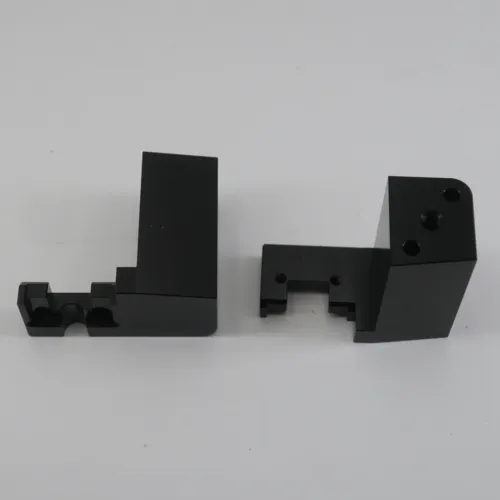
Aluminum Brackets for Surgical Robotics

Material:Aluminum 6061-T6 (SS)

Finish:Anodize as per MIL-8625-F Type II, Class 2 (Standard Black Anodize)

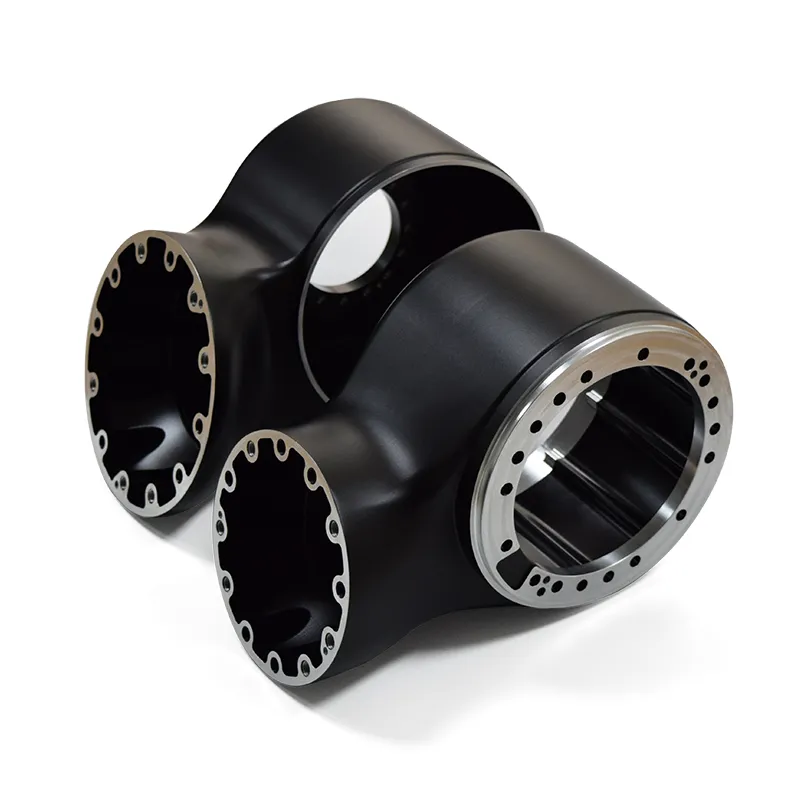
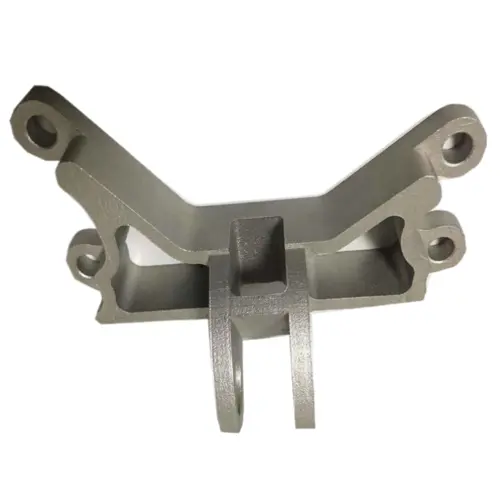
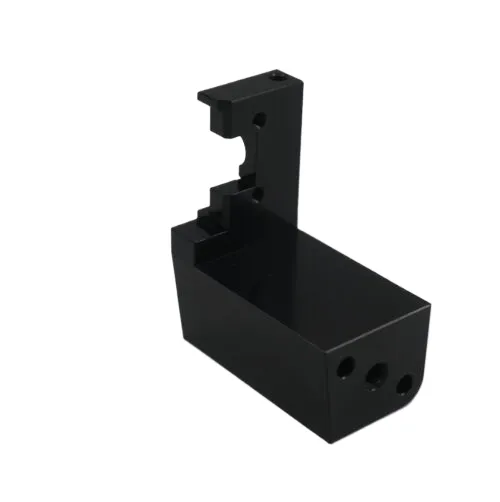
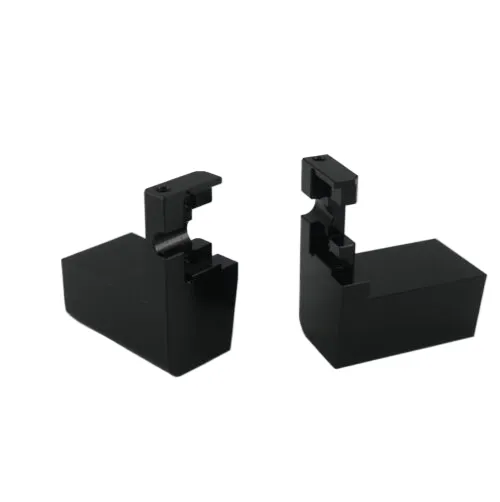
This high-precision CNC machined head support is manufactured from Aluminum 6061-T6, specifically designed for use in medical and surgical robotics as well as other advanced healthcare systems. It is produced using a combination of CNC milling, drilling, cutting, and tapping, ensuring excellent dimensional accuracymechanical strength, and a clean, reliable finish.

The surface is treated with a MIL-8625-F Type II, Class 2 black anodizing, providing enhanced corrosion resistance and a non-reflective, low-glare finish—ideal for environments where stability and visual clarity are essential, such as robotic surgery and rehabilitation systems.

Aluminum 6061-T6 is well-regarded for its machinabilitylightweight properties, and strength-to-weight ratio, making it a top choice for applications like robotic diagnosticsautomated instruments, and precision assemblies. This head support contributes to the structural integrity and reliable performance of the robotic systems it supports.

From early-stage prototypes to production runs, Rollyu Precision provides CNC machining services that meet strict industry standards. Certified to ISO 9001:2015 and ISO 13485:2016, we are committed to delivering components that meet the demands of the medical robotics industry—with quality, consistency, and precision at the core.

Looking for a trusted partner for your CNC machining needs in medical robotics?
Contact us today to discuss your project or request a custom quote. We’re here to support your innovation—part by part.
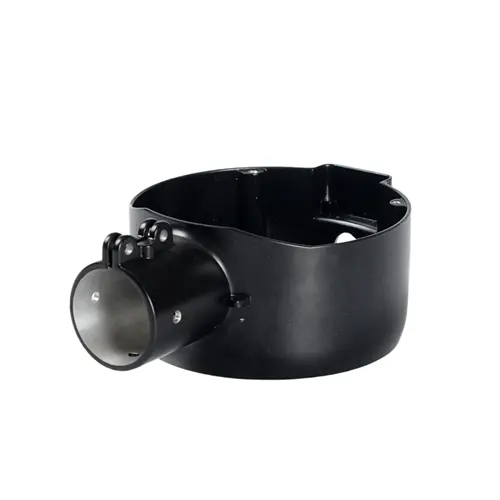
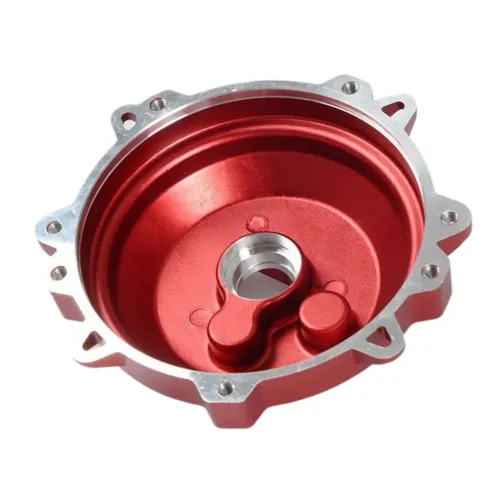
CNC Machining, CNC Milling, CNC Cutting, CNC Drilling, Tapping

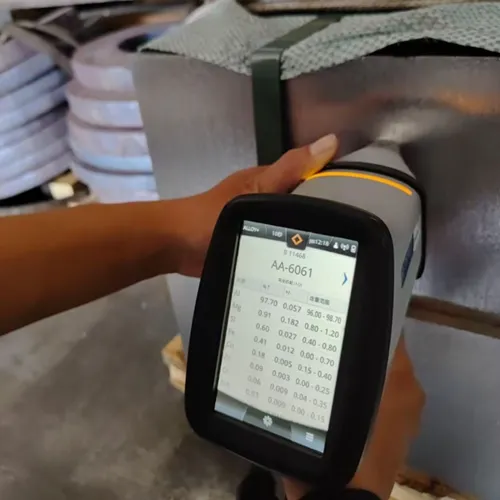
Material Selection & Preparation Material: Certified Aluminum 6061-T6
Verified for traceability, mechanical properties, and RoHS/REACH compliance
Raw stock is cut to rough dimensions before machining
CNC Programming 3D CAD files (STEP/SolidWorks/IGES) are converted into CNC code (G-code)
CAM software simulates toolpaths for multi-axis operations, reducing trial runs
CNC Machining 3-axis / 5-axis CNC milling used for complex geometries and tight tolerance
Processes include:
Rough milling for material removal
Precision contouring and pocketing
Drilling, reaming, tapping for threaded holes and inserts
Chamfering and deburring for safe edges
Surface Finishing Bracket is deburred and cleaned
Finish: MIL-8625 Type II, Class 2 anodizing (standard black or clear)
Enhances corrosion resistance, provides a medical-grade surface
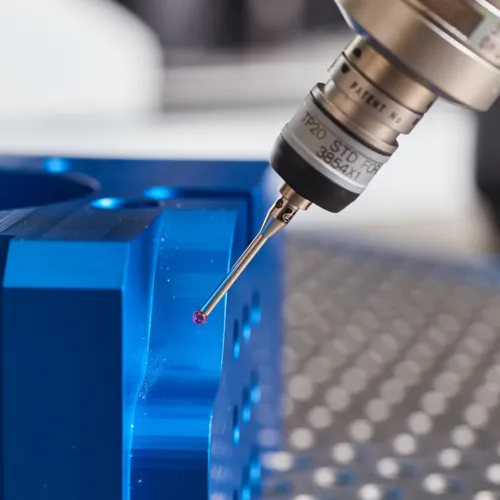
Quality Inspection Each part is inspected using:
CMM (Coordinate Measuring Machine) for dimensional accuracy (±0.01mm)
Thread gauges, height gauges, and surface testers
Inspection report available upon request
Packaging & Traceability Parts are laser-marked (if required) for identification or UDI traceability
Cleanroom-safe packaging for sensitive medical environments
Batch-traceable with full documentation (ISO 13485-compliant)

Medical Robotics, Surgical Robotics, Healthcare Robotics, Robotic Surgery Systems, Rehabilitation Robotics, Robotic Diagnostics Systems, And more.

Robotic Arm Support Structures Provides rigid and lightweight mounting points for actuators, joints, and sensors in surgical robotic arms.
Motor & Gearbox Mounting Frames Holds precision motor assemblies in place, maintaining alignment and minimizing vibration during surgery.
Sensor & Camera Mounts Supports imaging modules or proximity sensors used for real-time guidance and diagnostics.
Cable Management & Routing Brackets Ensures organized, secure pathways for power, control, and data cables—crucial in robotic surgery systems.
Base Plates & Structural Backbones Acts as the main interface for other subcomponents, offering dimensional stability under load.
Sterilizable Modular Fixtures Machined to support modular sub-assemblies that require frequent sterilization and reconfiguration.
Joint and Axis Couplers Provides connection points between rotating or articulating elements of robotic joints.
Housings for Surgical Tool Actuation Encases tool drivers and control elements in minimally invasive systems like laparoscopic robots.
Medical Diagnostic Robot Frames Integrated into non-invasive diagnostic robots for structural integrity and sensor alignment.
Robotic Rehabilitation Equipment Applied in exoskeletons or rehab robotics where precision brackets support human-robot interaction mechanisms.

Part number: RY-H0002

Materials Available: Stainless Steel, Steel, Aluminum, Brass, Plastic, etc.

Tolerance: ±0.01mm

Material Certificates: Available

MOQ:1 piece

Drawing Accepted: PRO/E, Auto CAD, SolidWorks, UG, CAD / CAM / CAE, PDF

RoHS/REACH Report: Available

Certificate: ISO9001:2015, ISO13485:2016

Non-disclosure agreement: Strictly sign a confidentiality agreement NDA to give you peace of mind.

Other CNC Parts

FAQ

What makes Aluminum 6061-T6 ideal for medical and surgical robotics?

Aluminum 6061-T6 offers an excellent strength-to-weight ratio, corrosion resistance, and superior machinability. Its anodizing compatibility and biocompatibility make it ideal for sterile, high-precision environments like surgical robotics.

What CNC processes are used to manufacture this bracket?

The bracket is typically produced using multi-axis CNC milling, drilling, tapping, and contour machining. For tight-tolerance features, 5-axis machining is applied to ensure accuracy and surface finish suitable for medical-grade assemblies.

What surface finishes are available for medical-grade aluminum components?

We offer a range of finishes tailored for medical and cleanroom use:

  • Clear or black anodizing (Type II / Type III)for durability and corrosion protection
  • Glass bead blastingfor a matte, non-reflective finish

Micro-deburring and edge blending for enhanced safety and handling

What are the achievable tolerances?

Standard tolerance for CNC machined 6061-T6 brackets is ±0.01mm. For mission-critical medical applications, tighter tolerances down to ±0.005mm can be achieved upon request.

How do you ensure dimensional accuracy and quality for surgical robotic parts?

All parts are manufactured under ISO 9001 and ISO 13485-compliant processes, with:

  • CMM inspection reports
  • Material traceability (6061-T6 certs)
  • GD&T-based inspection protocols
  • Optional First Article Inspection (FAI)and PPAP documentation for OEM clients
Can you assist with design optimization and rapid prototyping for robotic systems?

Yes. We provide DFM (Design for Manufacturability) reviews, engineering support, and rapid turnaround prototypes to accelerate development for surgical robotics. Our team works closely with engineers and project leads to optimize part performance, manufacturability, and integration into robotic systems.

Outstanding Achievements and Partnerships

We take pride in our outstanding achievements and strong partnerships. Our commitment to great communication, service, and integrity has led to excellent results.
Join us as a valued partner, and together, we can make a positive impact on CNC.

Contact Us