Aluminium Die Casting Components for Robotics - Rollyu

  • Home >>
  • Aluminium Die Casting Components for Robotics

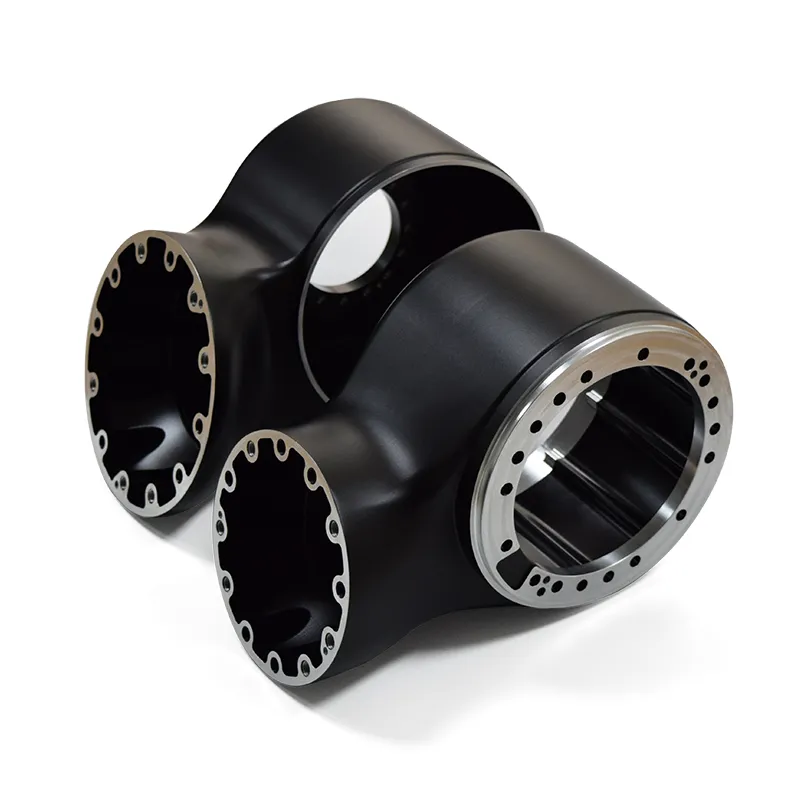
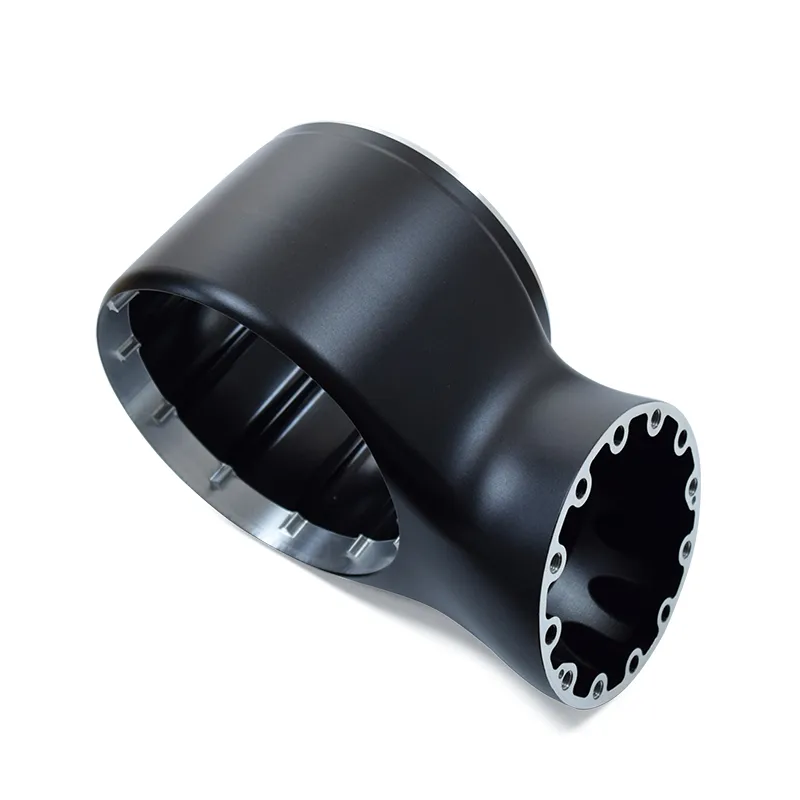
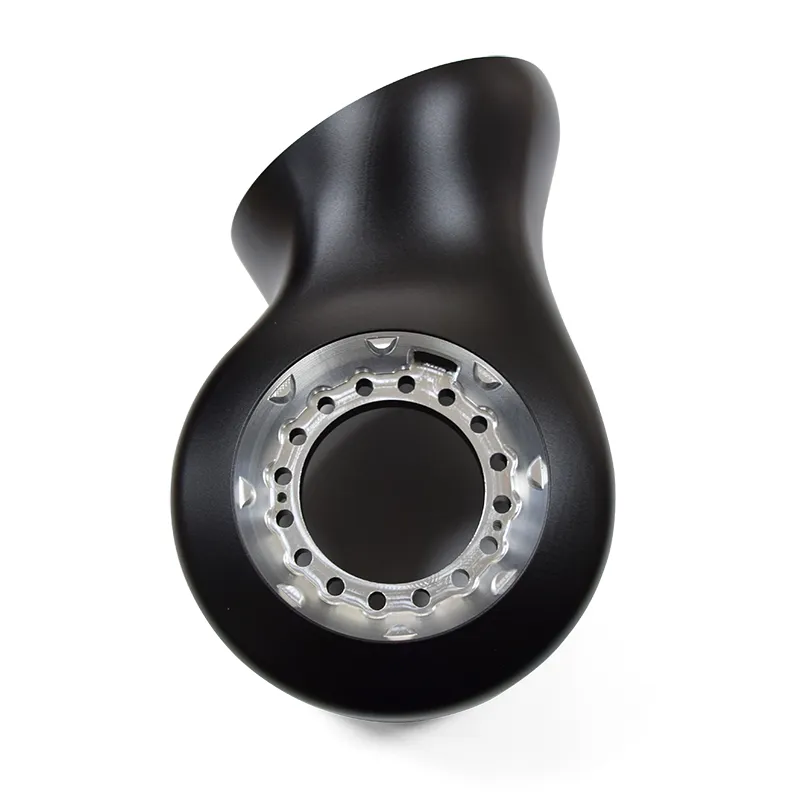
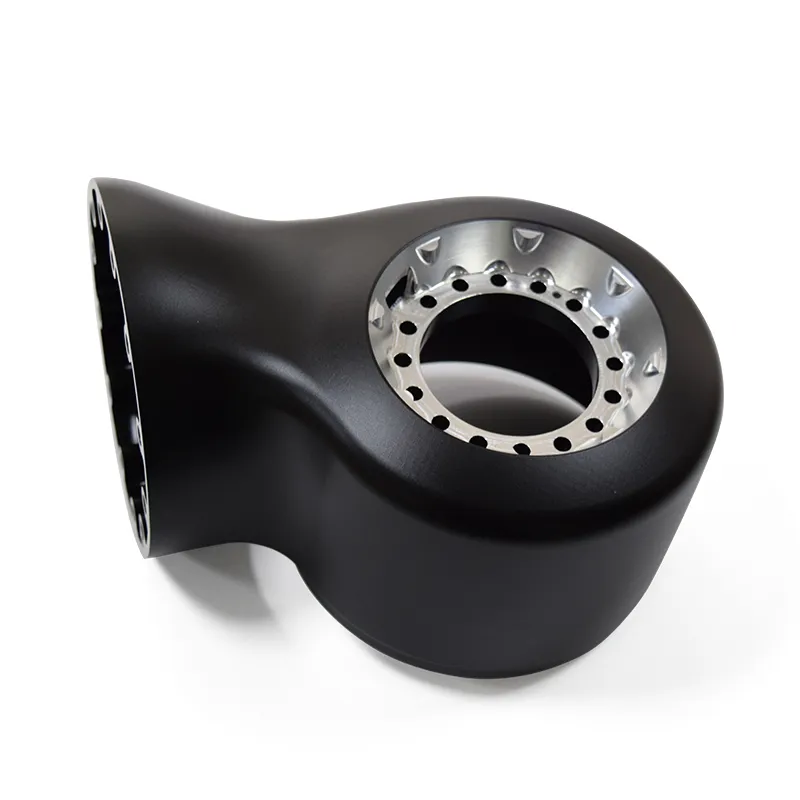
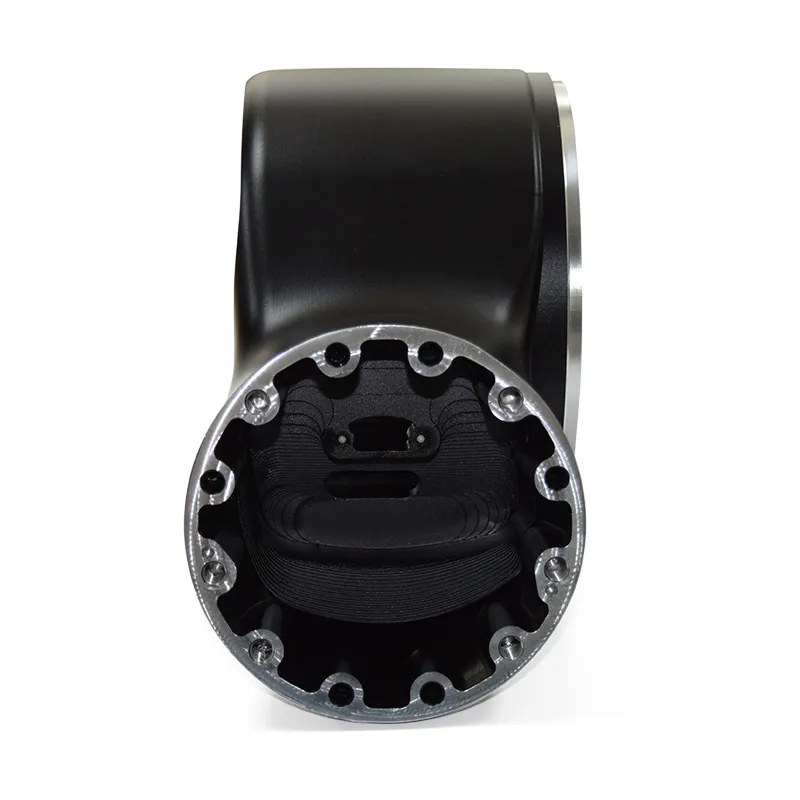
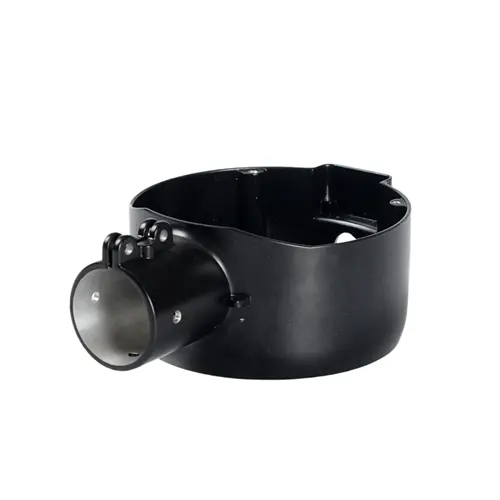
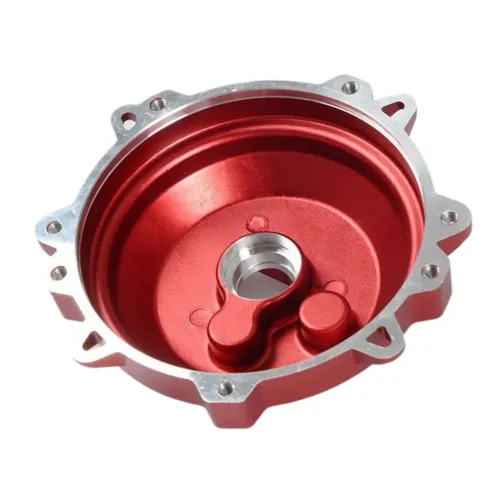
Aluminium Die Casting Components for Robotics

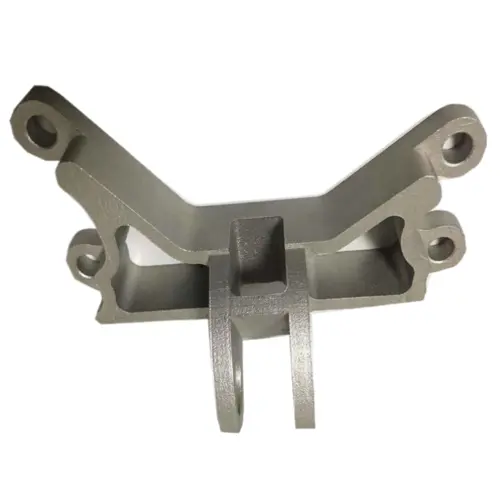
Material:ADC12

Finish:BK01, Powder Coat Black, Light Texture

Rollyu Precision provides custom aluminum die-casting solutions designed specifically for the robotics industry. Engineered for lightweight durability and tight dimensional control, our components are widely used in robotic housings, motor enclosures, brackets, joint structures, and base frames.

Each part is produced through high-pressure aluminum die-casting with optional CNC post-machining to meet demanding tolerance and surface requirements. We work with trusted aluminum alloys such as A380 and ADC12—offering excellent strength-to-weight ratio, corrosion resistance, and thermal stability.

Surface treatment options include anodizing, powder coating, chromate conversion, and bead blasting. All parts undergo full inspection using CMM, thread gauges, and surface testing tools to ensure precision and readiness for assembly.

Our die-cast parts are trusted in robotic arms, mobile robots (AGVs, AMRs), gripper systems, and automation platforms across manufacturing, medical, and warehouse environments.

Contact Rollyu Precision today to get a custom quote or discuss your next robotics project. We turn complex designs into reliable components—on time and to spec.

Custom precision aluminum die-casting housings and brackets are engineered for robotics, automation, and industrial systems. The process includes mold design, high-pressure die casting, CNC machining, and surface finishing like powder coating or anodizing. Ideal for complex parts with tight tolerances, these components offer strength, corrosion resistance, and consistency for demanding applications.


Design & Engineering Requirement Gathering Technical drawings, 3D models (STEP/IGES), and functional requirements are analyzed with the client.
DFM Analysis (Design for Manufacturability) Engineers review the design to ensure optimal flow, minimal defects, and tooling efficiency.
Tooling Design Precision molds (typically H13 steel) are created using CNC machining and EDM to match the complex geometry of housing and bracket parts.
Mold Fabrication High-Precision Machining Core and cavity blocks are machined to tight tolerances (±0.01 mm) to support multi-surface, high-complexity parts used in robotics and automation.
Surface Treatment Molds are heat-treated and sometimes nitrided for increased hardness and longevity.
Die Casting Material Selection Common aluminum alloys include A380, ADC12, and AlSi10Mg, chosen for strength, thermal conductivity, and corrosion resistance.
Injection Process Molten aluminum (approx. 660°C) is injected into the mold under high pressure (1000–2500 psi) using hot or cold chamber die-casting machines.
Cooling & Solidification The part is rapidly cooled within the mold, ensuring dimensional stability and fine-grained microstructure.
Ejection & Trimming Part Ejection Automated ejector pins release the part without deforming it.
Flash Removal Excess material (flash) is trimmed off using hydraulic trim presses or CNC machining.
Secondary Machining (if required) CNC Finishing recision post-machining processes like milling, drilling, or tapping are applied for critical features such as mounting holes, interfaces, or sensor ports.
Tolerances Achievable precision is typically ±0.05 mm or tighter, ideal for robotic systems or automated assemblies.
Surface Treatment & Finishing
(Options Include)
Powder Coating (e.g., RAL/BK01 black) Durable and corrosion-resistant, suitable for industrial enclosures.
Anodizing Enhances corrosion resistance and provides an aesthetic finish.
Shot Blasting / Sand Blasting For uniform matte texture.
Painting / Silk-Screen Printing Used for branding, logos, or identification labels.
Quality Control & Inspection Dimensional Inspection Performed with CMM, height gauges, or 3D scanners to verify all tolerances.
Material Testing Alloy composition and mechanical properties are validated.
Function Testing Assembly fit, load resistance, or enclosure sealing may be tested per customer spec.
Packaging & Delivery Protective Packaging Foam inserts, anti-static bags, or custom-fit trays protect finished parts.
Logistics Parts are shipped globally with documentation, including inspection reports, RoHS/REACH compliance, and certificates of conformance.

Custom aluminum die-casting housings and brackets are widely used in robotics, automation, and industrial equipment. Applications include motor enclosures, sensor mounts, control unit casings, actuator brackets, and structural frames. These components offer excellent dimensional stability, lightweight durability, and corrosion resistance—ideal for precision assemblies in robotic arms, automation systems, smart machinery, and high-performance industrial frameworks.

Industry Applications Application Examples
Robotics Joint Covers & Actuator Housings Protect moving parts in collaborative and industrial robots while ensuring durability and lightweight efficiency.
  End-of-Arm Tooling (EOAT) Brackets Support grippers, sensors, cameras, and other modular tools for versatile automation tasks.
  Lightweight Arm Frames Minimize inertia for faster, smoother robotic movements and better payload-to-weight ratios.
  Motor & Gearbox Enclosures Integrated with mounting and cooling features for compact, high-performance drive assemblies.
Factory Automation Motor Covers Protect servo and stepper motors in high-speed, high-cycle environments.
  Sensor Housings & Brackets Ensure precise alignment for vision systems, proximity sensors, and motion detectors.
  Actuator Mounts & Linkage Supports Provide structural integrity in repetitive-motion equipment.
  Support Components Structural bases and housings for conveyors, gantries, and pick-and-place robots.
Industrial Equipment Control Unit Enclosures With built-in EMI/RFI shielding to protect sensitive electronics.
Thermal Management Housings Fins and vented casings for efficient heat dissipation in drive or power systems.
Mounting Bases Rigid platforms for pumps, valves, and industrial electronics.
Custom Brackets Interface solutions tailored for modular assemblies and system integration.

Part number: RY-H0061

Materials Available: Aluminum alloy, etc.

Tolerance: ±0.05mm

Material Certificates: Available

MOQ:1000 pieces

Drawing Accepted: PRO/E, Auto CAD, SolidWorks, UG, CAD / CAM / CAE, PDF

RoHS/REACH Report: Available

Certificate: ISO9001:2015, ISO13485:2016

Non-disclosure agreement: Strictly sign a confidentiality agreement NDA to give you peace of mind

Other CNC Parts

FAQ

Why is aluminum die casting preferred for robotic and industrial housings or brackets?

Aluminum die casting allows for complex, lightweight, and high-strength components to be produced with tight tolerances. It’s ideal for robotic arms, sensor mounts, motor housings, and structural brackets that require durability, thermal conductivity, and dimensional stability—especially in high-cycle or vibration-intensive environments.

What types of custom parts can be produced through aluminum die casting?

We manufacture a wide range of custom parts, including:

  • Actuator housingsand servo motor covers
  • Sensor and camera brackets
  • End-of-arm tooling (EOAT) components
  • Gearbox and drive system enclosures
  • Structural frames and robotic joint covers

Each part can be tailored for mounting featurescooling fins, or internal channels to suit functional and assembly requirements.

What aluminum alloys are commonly used in die casting for these applications?

We typically use:

  • ADC12 / A380– General-purpose alloys with good strength and castability
  • AlSi9Cu3– Excellent dimensional stability and wear resistance
  • AlSi10Mg– Ideal for high-performance and heat-sensitive parts

These alloys support post-machininganodizing, and protective coatings.

Can you support full mold development and design-for-manufacturing (DFM)?

Yes. We offer end-to-end support including:

  • 3D CAD optimization for casting
  • Mold flow analysis and simulation
  • In-house tooling and mold development
  • Rapid prototyping before final tool investment

This ensures high-quality, production-ready parts with reduced lead time and risk.

What industries benefit from custom die-cast housings and brackets?

Our aluminum die-cast components serve clients in:

  • Robotics and motion control systems
  • Factory automation and industrial machinery
  • Medical devices and diagnostics
  • Smart manufacturing and sensor integration platforms
  • Automotive systems (EVs, ADAS modules)

These parts combine functional precision with production scalability, making them ideal for OEMs and integrators.

Outstanding Achievements and Partnerships

We take pride in our outstanding achievements and strong partnerships. Our commitment to great communication, service, and integrity has led to excellent results.
Join us as a valued partner, and together, we can make a positive impact on CNC.

Contact Us