
In precision metal fabrication, control is everything. It’s less like brute force and more like robotic surgery—every cut, bend, and punch is executed with extreme accuracy. We’re talking about tolerances so tight they’re measured in thousandths of an inch, far finer than a human hair. From your digital design to a finished component, this is how we deliver the high-tolerance parts your project demands. Let’s start by exploring the core types of precision metal fabrication.
What Is Precision Metal Fabrication?
At its core, precision metal fabrication transforms raw metal into finished structures and machines. What sets it apart is the digital control behind every step. We take your CAD (Computer-Aided Design) file—the blueprint—and use CAM (Computer-Aided Manufacturing) software to tell our equipment exactly what to do.
The payoff for you is twofold: incredible accuracy and flawless consistency. Through our advanced CNC services, we ensure the manufacturing process is perfectly repeatable. That means the thousandth part is a perfect replica of the first, with no deviation.
Why Precision Fabrication is Crucial
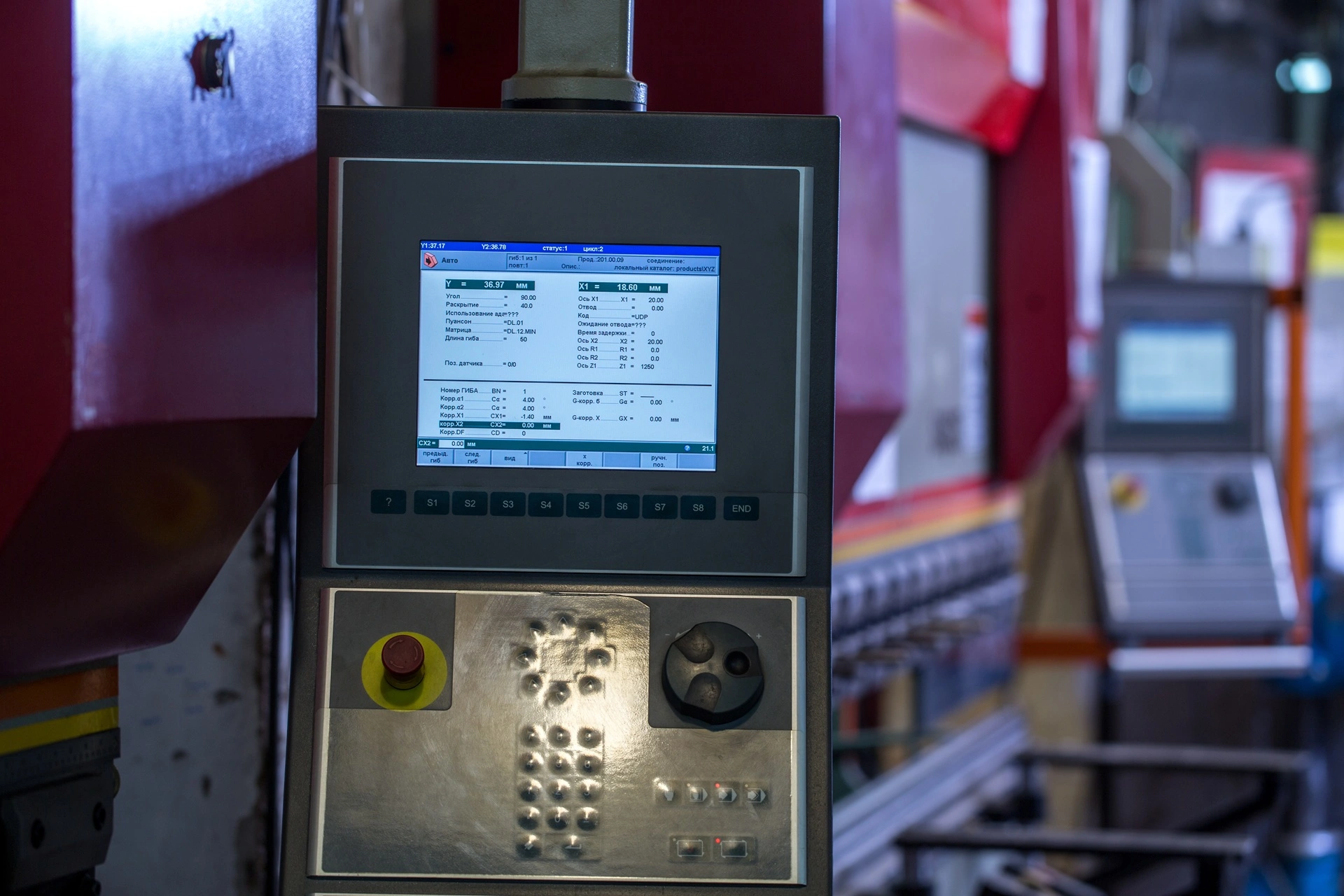
For industries built on exacting standards, precision fabrication isn’t just a service—it’s a requirement. Consider the technology in aerospace or the enclosures for sensitive medical equipment; they all rely on it. This is because component failure is not an option. Parts are engineered to integrate seamlessly on every build, ensuring absolute reliability. When a satellite is thousands of miles above Earth or a surgical tool is in a surgeon’s hand, there is no margin for error.
Types of precision metal fabrication processes
Bringing a sheet metal part from a design file to a physical product follows a clear three-step workflow. The journey starts with laser cutting, where we create the initial flat shape from sheet metal. From there, the part moves into forming, where we give it a three-dimensional structure. Finally, in the assembly and finishing stage, we put all the sheet metal parts together and apply the specified finish to complete the project.
Cutting and Preparation Methods
The journey from a digital file to a physical part begins with a single sheet of metal. Our objective here is to cut the component’s two-dimensional outline, or ‘flat pattern,’ before any bending or forming takes place. Choosing the right cutting technology isn’t a one-size-fits-all decision; it always depends on the project’s specific requirements, primarily:
- The type of metal being used
- Its thickness
- The desired finish of the cut edge
High Tolerance Laser Cutting
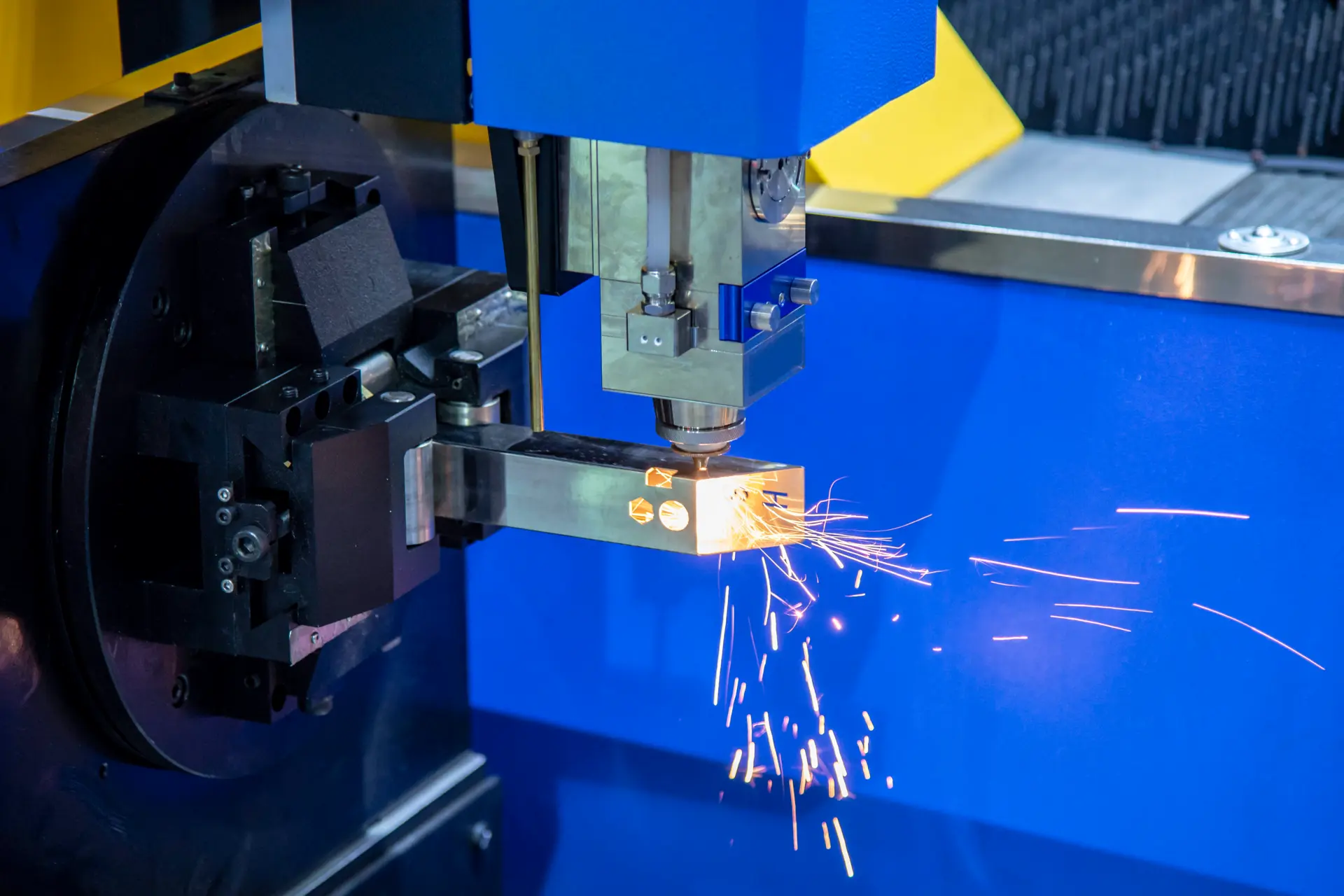
When your project demands clean cuts and intricate designs, laser cutting delivers. The process uses a focused laser to vaporize material along a pre-programmed path, resulting in an exceptionally narrow cut path, or ‘kerf.’
Because the kerf is so small, we can produce parts with incredibly sharp inside corners and fine details that other methods can’t match. An added benefit is the very small heat-affected zone. This ensures the metal around the cut isn’t weakened or altered, giving you a stronger, more reliable finished part.
Waterjet Cutting
Here, you use water pressurized to over 60,000 PSI and mixed with a fine abrasive, like garnet. A machine from Rollyu can slice through material for the medical and aerospace industries. It can cut thick steel or delicate composites.
Its main advantage is that it is a cold cutting process. There is absolutely no heat. After that, the material’s internal structure remains unchanged. So it is very important for some alloys used in the aerospace industry.
CNC Punching
The CNC punch press holds dozens of different stamping tools. This is a CNC punch press. It positions a sheet of metal under the correct tool and then punches a hole or feature.
In turn, this method is extremely fast and cost-effective for parts with many standard-sized holes, or stamped features. These are excellent methods for creating custom sheet metal parts.
Material Forming and Shaping
After you cut the flat pattern, the next step is to bend it into its final shape. From here, the part goes from 2D to 3D. This type of work is a core offering of sheet metal fabrication.
CNC Bending (Press Brake Forming)
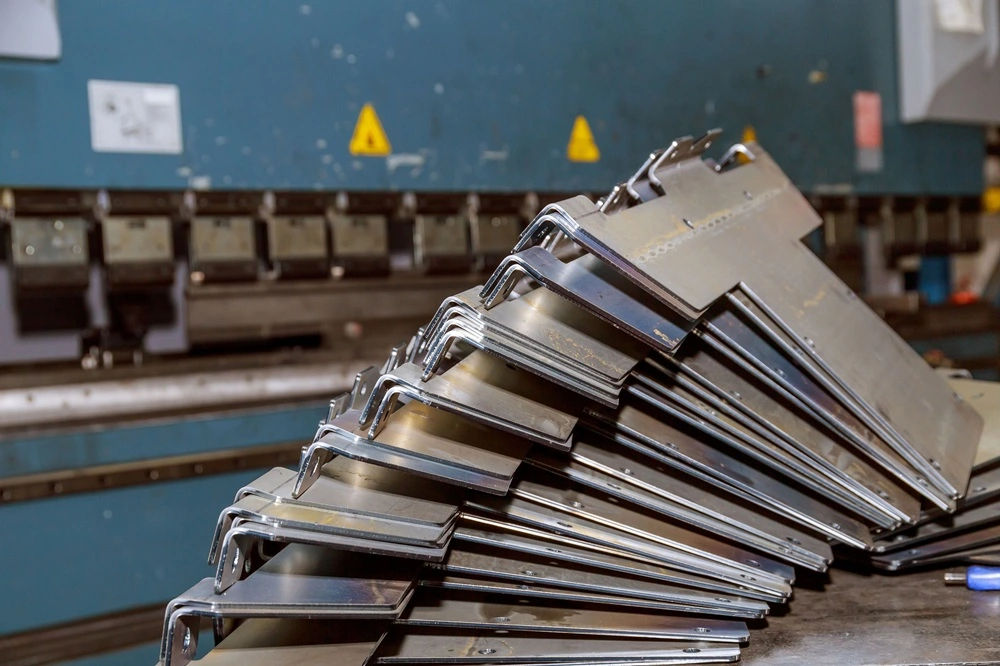
CNC press brake forming is a precision sheet metal fabrication process for bending sheet metal to specific angles. The system utilizes a matched punch and die set, with the forming operation driven by a CNC-controlled ram.
Key to its accuracy is the CNC backgauge, which ensures precise part positioning for each bend. This computer-guided process allows for high repeatability and the creation of complex geometries with consistent, tight angular tolerances. It is the preferred method for producing intricate, multi-bend components efficiently and accurately.
Why it works:
Stamping and Deep Drawing
You would rather use these methods for very high-volume production. Stamping uses a dedicated tool and die set inside a mechanical press to form a part in a single hit. Think of car door panels.
Deep drawing is a specific type of stamping. It pulls sheet metal into a forming die to create deep, cup-like shapes without wrinkles or fractures. Automotive and aerospace engine components & fuel tanks were made this way. When volumes are lower, you might look into rapid prototyping methods instead.
Joining and Finishing Processes
Now, separate parts have been formed. The next step is to assemble them into a larger unit. Then, a final finish is applied for protection and appearance.
Precision Welding
This is not the kind of welding you see on a construction site. We are talking about surgically precise joining methods. One method is Tungsten Inert Gas welding. This process uses a non-consumable tungsten electrode to create the weld. You will get a strong and visually appealing weld. This is best for aluminum and stainless steel.
Another method is laser welding. A laser beam provides a concentrated heat source. This provides deep and narrow welds at high speeds. There will be minimal distortion so that it is perfect for joining delicate electronic parts.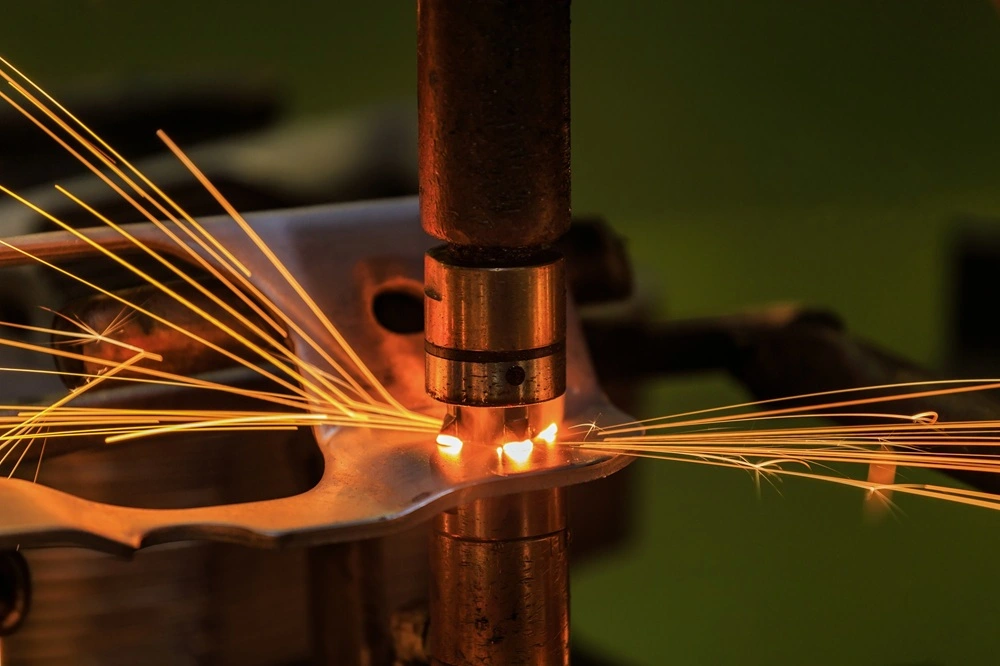
Fastening and Assembly
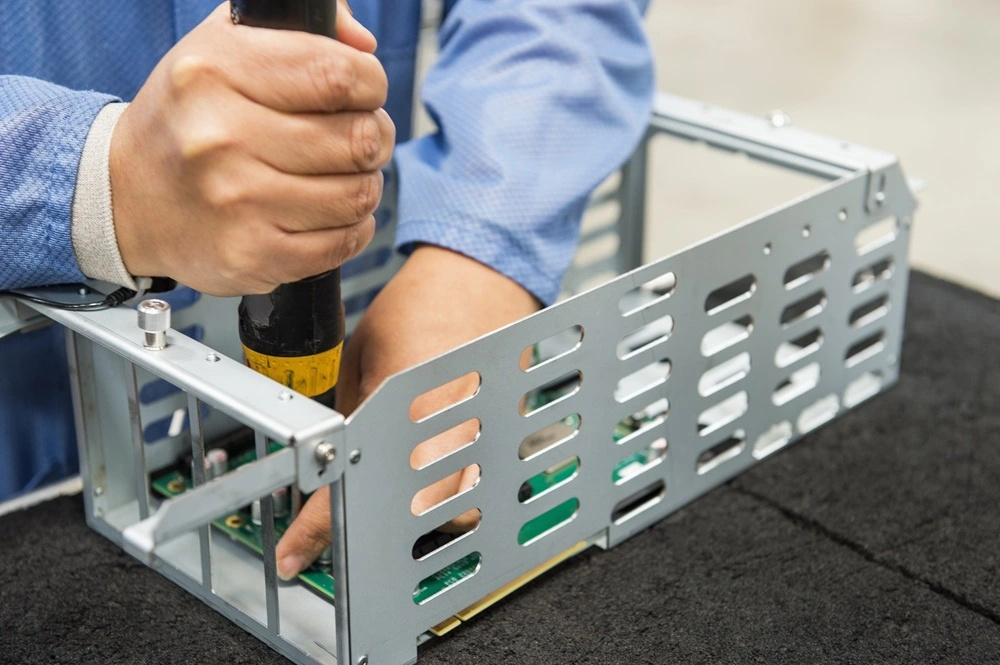
Another way to join parts is with hardware. Precision comes from using self-clinching fasteners, like PEM nuts or standoffs. A hardware insertion press is used to press these fasteners into holes. They become a permanent part of the sheet metal, providing strong threads for mounting circuit boards, other components, enclosures, or panels.
Surface Finishing
The final step is often a surface treatment. This serves a cosmetic purpose and a functional one, like corrosion resistance. One popular method is Powder Coating. A dry powder is applied to the part and then cured with heat. It creates a finish that is far more durable than conventional paint.
Another process, for aluminum, is Anodizing. This is an electrochemical process that creates a very hard, corrosion-resistant surface. A third option is Plating. This is a process where a thin layer of another metal, like zinc or nickel, is deposited onto the part’s surface to prevent rust. This can also be applied to die-casting parts and CNC machining parts.
How to Choose a Metal Fabrication Partner
Choosing the right metal fabrication shop is as important as choosing the right process.
Capability Matrix
First, you need to see their equipment list. Do they have the laser power to cut your material thickness? Is their press brake long enough for your largest part? Ask for a capability matrix that clearly outlines their limitations.
Quality and Certifications
You should look for credentials. An ISO 9001 certification is the minimum standard for a quality management system. If you are in the aerospace industry, you need a shop with AS9100 certification. For medical devices, look for ISO 13485. A partner who meets these high standards is essential; Rollyu holds key certifications required for demanding sectors like medical and aerospace.
Engineering Support
You prefer a precision metal fabrication company that offers Design for Manufacturability feedback. They will review your design and send you small changes. These changes can make the part stronger and easier to produce. Seeking DFM support is non-negotiable, and the experts at Rollyu proactively review your CAD files to optimize designs early in the process.
Sustainability and Compliance
Here is the final step. You will ask about their material sourcing and compliance. For instance, can they provide material certifications that trace the metal back to the mill? For critical sectors like medical or aerospace, you must also verify their adherence to specific material purity and stringent industry cleanliness requirements.
Conclusion
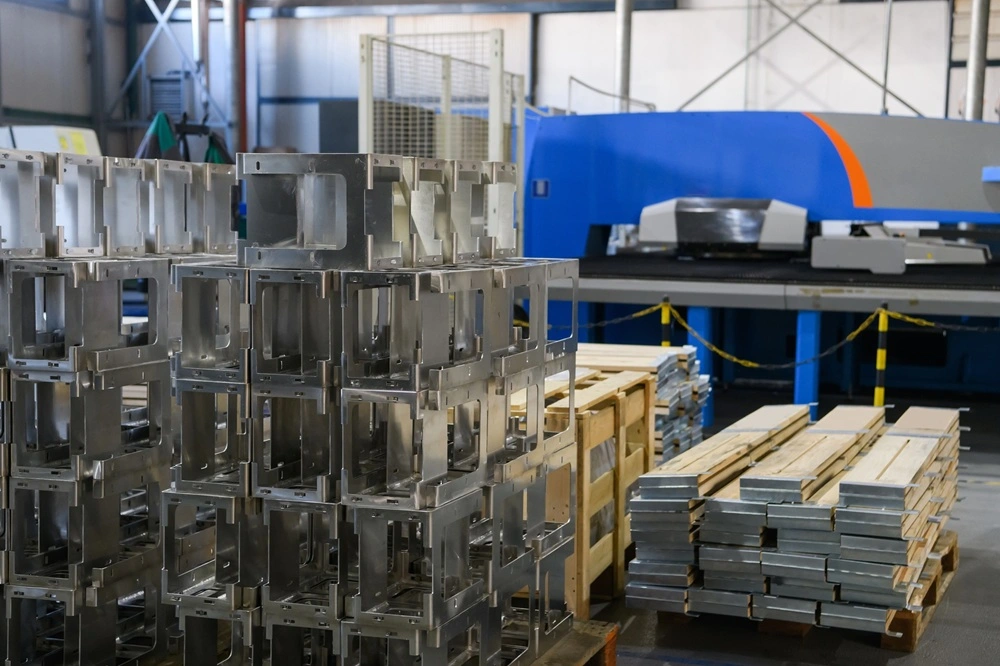
From a CAD file to a finished assembly, you will see a sequence of controlled steps. It begins with a precise cut from a laser and waterjet. Then, it is followed by a calculated bend on a CNC press brake. The final product you get is the result of careful planning and advanced technology. Precision Metal Fabrication is all about accuracy. So if you know these different types, your project is on the right path from the start. To ensure your critical project finishes on the right path, trust Rollyu to deliver advanced precision metal fabrication and final assembly solutions.